Exploring Costa Rica’s Wildest Caribbean Coast
At the southernmost edge of Costa Rica’s Caribbean coast, where jungle spills directly into turquoise sea and development quietly disappears, you’ll find the Refugio Nacional de Vida Silvestre Gandoca-Manzanillo. For travelers who value biodiversity over beach clubs and rainforest trails over resort pools, this protected area is one of the country’s most rewarding — and least commercialized — destinations.
This guide covers what to expect, how to plan your visit, where to stay in Manzanillo for easy access, and how to maximize wildlife encounters responsibly.
Overview of Manzanillo and the Southern Caribbean
The refuge sits just south of Manzanillo, a small coastal village about 12 km from Puerto Viejo de Talamanca and close to the Panama border. Unlike Costa Rica’s Pacific coast, this Caribbean region is Afro-Caribbean in culture, lush year-round, and home to coral reefs rarely found elsewhere in the country.
The protected area includes rainforest, mangroves, wetlands, beaches, and marine zones — making it one of Costa Rica’s most ecologically diverse coastal ecosystems. It is quieter than Cahuita National Park and far less trafficked than Manuel Antonio, which is part of its appeal.
Basics of Visiting Gandoca-Manzanillo Wildlife Refuge
The refuge is open daily, though hours can vary slightly by entrance and season. There is typically a modest entrance fee or suggested donation that supports conservation and local community initiatives.
The main access point is near the town of Manzanillo, where trails begin winding south through primary forest and along remote beaches. Paths range from easy coastal walks to longer jungle hikes that require good footwear and basic fitness.
Expect:
- High humidity
- Minimal signage compared to larger national parks
- No large visitor centers or restaurant facilities inside
- Wildlife encounters that feel spontaneous rather than staged
Bring water, insect repellent, reef-safe sunscreen, and sturdy shoes. This is a true nature experience, not a manicured park.
Where to Stay in Manzanillo
Best Access to Trails and Remote Beaches
Staying in Manzanillo gives you early-morning access to the refuge before day-trippers arrive from Puerto Viejo.
For immersive jungle access, Almonds & Corals Boutique Hotel sits inside the protected area and offers elevated bungalows surrounded by forest canopy — ideal for couples and wildlife enthusiasts.
For a beachfront base within walking distance of trailheads, small locally owned cabins and vacation rentals near Playa Manzanillo offer easy access to both reef snorkeling and forest hikes.
Travelers who want more restaurant options and nightlife can stay in Puerto Viejo and drive 20 minutes south for day visits.
What to Do Inside the Refuge
The beauty of Gandoca-Manzanillo is that there isn’t a single “main attraction.” The experience is the ecosystem itself.
You can hike through dense rainforest listening to howler monkeys echo overhead, walk long empty stretches of beach framed by almond trees, or snorkel over coral formations in calm Caribbean waters. Guided tours are available through local operators in Manzanillo and Puerto Viejo, and hiring a naturalist can dramatically increase wildlife sightings.
This is also one of the few places in Costa Rica where manatees have been recorded in coastal waters, though sightings are rare and seasonal.
Best Things to Do in Manzanillo Beyond the Refuge
Even if the refuge is your primary reason for visiting, Manzanillo offers additional low-key activities. Snorkeling offshore on calm days can be excellent when visibility allows. Kayaking along the coast is peaceful and scenic. Long beach walks at sunrise are particularly photogenic.
For variety, nearby Punta Uva and Puerto Viejo offer more restaurants, bike rentals, and surf breaks at Playa Cocles.
Wildlife Spotting Tips
Gandoca-Manzanillo rewards patience.
Early mornings and late afternoons are best for wildlife activity. Move slowly, scan the canopy frequently, and listen for rustling or vocalizations. Howler monkeys are often heard before they are seen. Sloths blend into tree branches and require a careful eye.
Hiring a certified local guide is highly recommended for first-time visitors — guides carry spotting scopes and know exactly where animals tend to rest.
Avoid touching wildlife, feeding animals, or walking off established trails, especially near mangrove and turtle nesting areas.
Seasonal Considerations
The Caribbean coast experiences different weather patterns from Costa Rica’s Pacific coast.
September and October are often surprisingly dry and sunny, making them excellent months for snorkeling and beach conditions. February and March can also be relatively stable.
Rainier periods typically occur from May through August and November through January, though showers are often short and followed by sunshine. Lush greenery and fewer visitors during these months can enhance wildlife viewing.
Sea conditions affect snorkeling quality — calm days with minimal wind offer the best visibility.
Is Gandoca-Manzanillo Worth Visiting?
If you’re seeking zip lines, beach bars, and structured activities, this refuge may feel too raw.
But if your idea of luxury is silence broken only by waves and monkeys, if you value intact ecosystems and meaningful conservation, and if you want to experience one of Costa Rica’s last truly wild coastal zones, Gandoca-Manzanillo Wildlife Refuge is absolutely worth it.
It’s not polished. It’s not crowded. It’s not built for mass tourism.
And that is precisely its magic.
Related Posts
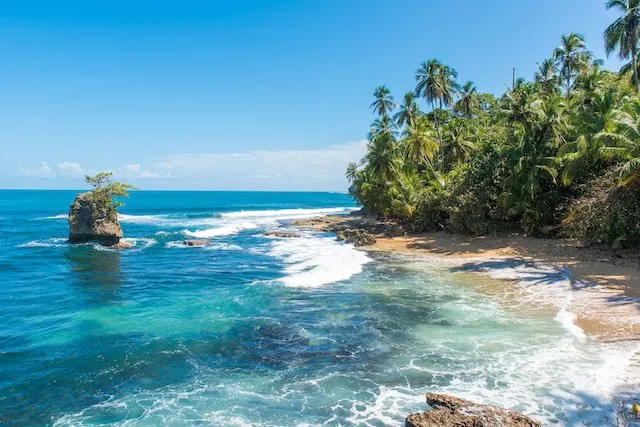
Manzanillo vs Puerto Viejo: Which Caribbean Beach Town Should You Visit?
Costa Rica’s southern Caribbean coast feels like a different country…
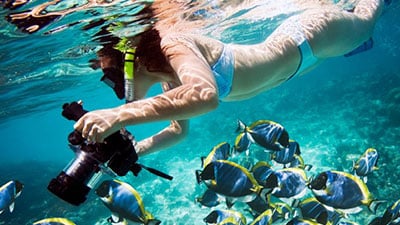
Best Snorkeling in Manzanillo, Costa Rica
At the southern tip of Costa Rica’s Caribbean coast, where…
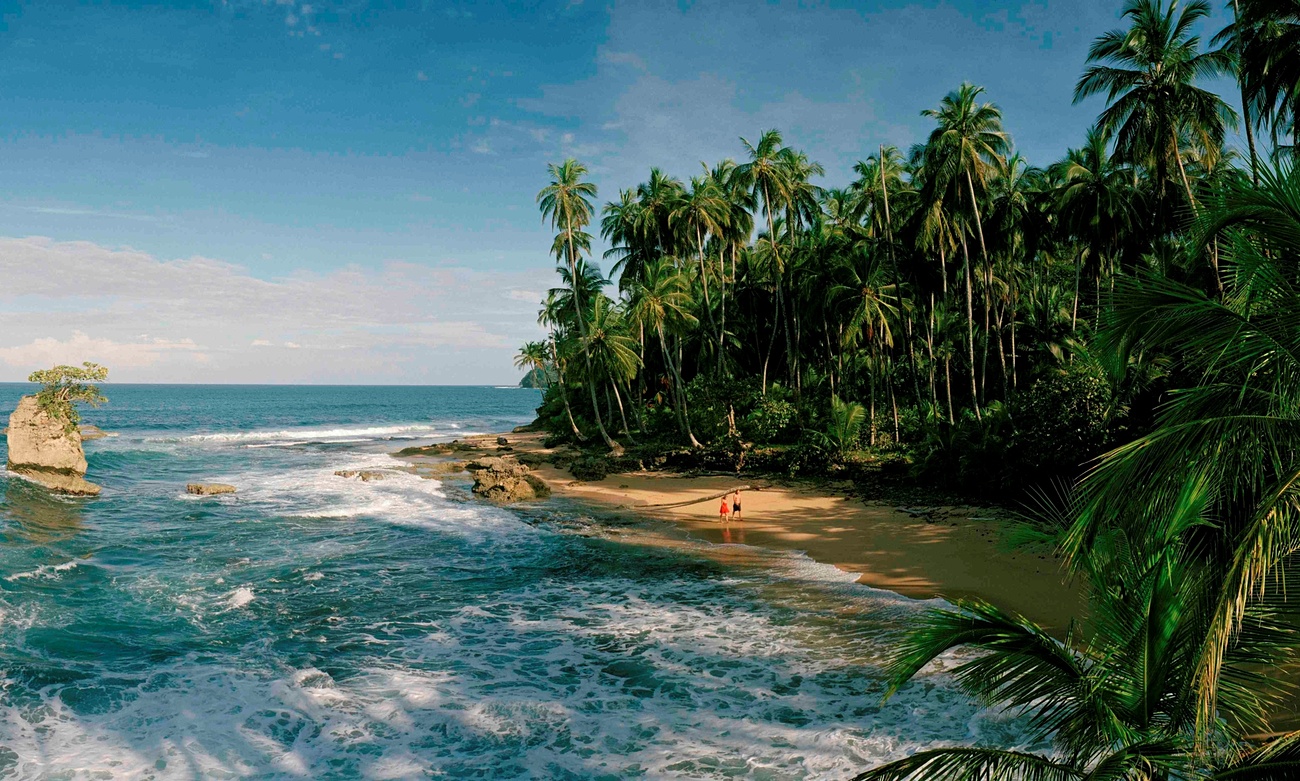
Manzanillo for Couples: A Romantic Caribbean Escape
At the far southern end of Costa Rica’s Caribbean coast,…