There are places in Costa Rica where the jungle meets the ocean — but Tortuguero stands out for its total immersion in unspoiled wilderness and seamless blend of rainforest and river life.
Remote, waterbound, and teeming with life, Tortuguero National Park feels less like a destination and more like an immersion. There are no roads in, no cars once you arrive, and no distractions from the rhythm of rainforest, river, and wildlife. Instead, you travel by boat through jungle canals, wake to the sound of howler monkeys, and fall asleep to the hum of the Caribbean coast.
As someone who has spent years exploring Costa Rica, I can confirm that Tortuguero’s remote location, astonishing biodiversity, and untouched setting make it one of the country’s most extraordinary and rewarding destinations for travelers seeking true nature and authenticity.
If you’re searching for a complete Tortuguero National Park travel guide, planning around Tortuguero turtle nesting season, or figuring out how to get to Tortuguero, Costa Rica, this pillar page covers everything you need to know.
For deeper planning, explore:
- Best Things to Do in Tortuguero National Park
- Tortuguero Turtle Nesting Guide
- How to Get to Tortuguero from San Jose
- Best Time to see turtules in Tortuguero
- Is Tortuguero Worth Visiting?
- Tortuguero vs Caño Negro
To help orient your visit, let’s start with where Tortuguero National Park is located.
Tortuguero National Park is located along Costa Rica’s northeastern Caribbean coast, near the Nicaraguan border.
Key distances:
- ~3–4 hours from San José (by land + boat)
- No direct road access to the park
- Accessible only by boat or small domestic flight
This isolation is precisely what sets Tortuguero apart — its inaccessibility preserves one of Costa Rica’s most biologically rich and undisturbed natural areas, offering a rare, immersive experience.
Now that you know where it is, what makes Tortuguero stand apart from other national parks?
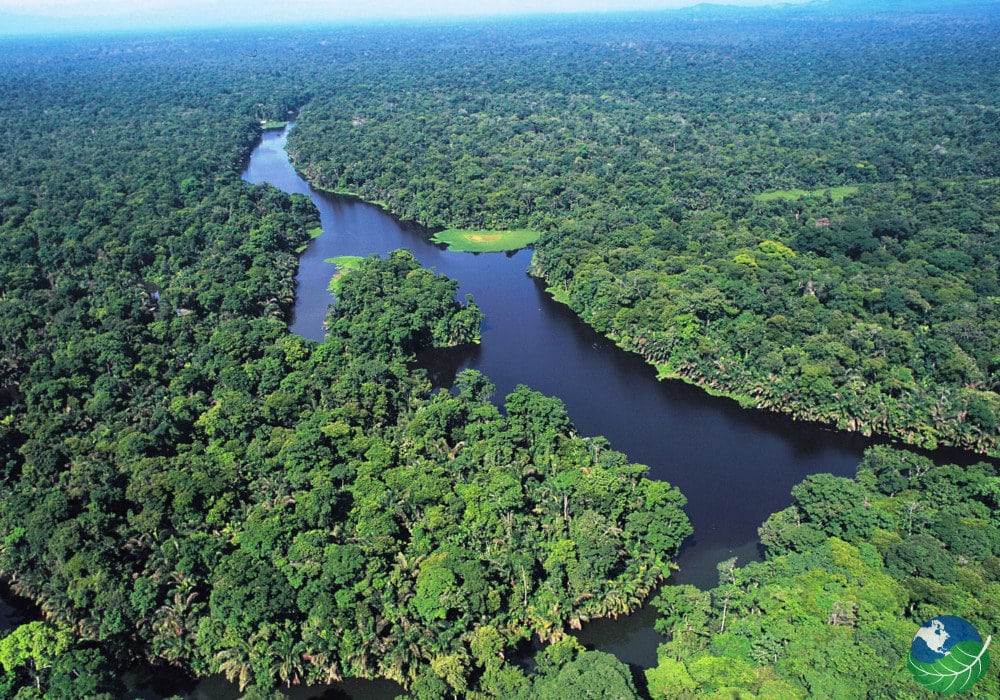
A Water-Based Jungle
Tortuguero is often called the “Amazon of Costa Rica.”
Instead of roads, you’ll find:
- A vast network of freshwater canals and lagoons
- Dense lowland rainforest
- Swamp forests and wetlands
Here, all transport and exploration—from traveling between lodges to wildlife tours—revolves around the water, making Tortuguero truly unique in Costa Rica.
Incredible Wildlife Density
Few places in Costa Rica rival Tortuguero for wildlife viewing:
- Monkeys (howler, spider, capuchin)
- Sloths
- Ca imas and crocodiles
- River turtles
- Hundreds of bird species
- Manatees (rare but present)
And most famously:
- Sea turtles nesting on Caribbean beaches
How to Get to Tortuguero, Costa Rica
Getting to Tortuguero is part of the experience.
Step 1: Fly into San José (SJO)
Most international travelers from the US, Canada, and Europe arrive via Juan Santamaría International Airport (SJO).
Option 1: Land + Boat Transfer (Most Common)
- 3–4 hour drive from San José
- Breakfast stop in Guápiles
- Boat transfer (1–1.5 hours) through jungle canals
Many eco-lodges offer land and boat transfers as part of their packages.
Option 2: Domestic Flight
- 30-minute flight from San José
- Short boat transfer to your lodge
More expensive, but significantly faster and scenic.
Important Note
No cars in the village or park—your journey ends on the water.
For full logistics, see: How to Get to Tortuguero from San Jose.
Where to Stay in Tortuguero
Accommodation in Tortuguero is part of the experience — often all-inclusive and nature-focused.
Jungle Eco-Lodges (Most Popular)
- Guided tours included
- Boat transportation arranged
- Meals included
- Located along canals
These are the most immersive lodgings.
All-Inclusive Nature Lodges
- Structured itineraries
- Naturalist guides
- Wildlife excursions built in
Ideal for first-time visitors.
Boutique & Village Stays
Located in Tortuguero village:
- Smaller guesthouses
- Independent restaurants nearby
- More flexible, less structured
Better suited for independent travelers.
Where to Eat in Tortuguero
Lodge Dining
Most eco-lodges include:
- Buffet-style meals
- Local Costa Rican cuisine
- Fresh seafood and tropical fruits
Meals are typically served at set times due to remote logistics.
Tortuguero Village Restaurants
In the village, you’ll find:
- Casual Caribbean-style eateries
- Rice & beans with coconut milk
- Fresh fish dishes
- Small cafés and bakeries
Dining here feels simple and authentic.
Best Things to Do in Tortuguero National Park
For a detailed guide, see: Best Things to Do in Tortuguero National Park.
Here’s what defines the experience:
Canal Boat Tours
The highlight of any visit.
- Early morning wildlife spotting
- Silent electric boats in some areas
- Expert naturalist guides
This is where you’ll see monkeys, birds, reptiles, and more.
Kayaking Through the Canals
A quieter, more immersive alternative:
- Paddle through narrow waterways.
- Get closer to wildlife.
- Ideal for photographers
Wildlife Watching
Even from your lodge, expect:
- Monkeys in the trees
- Iguanas along the water
- Birdlife everywhere
Tortuguero rewards patience.
Turtle Nesting Tours (Seasonal)
One of Costa Rica’s most iconic experiences.
During nesting season, guided night tours allow you to witness:
- Green sea turtles laying eggs
- Conservation efforts in action
Strict regulations apply to protect wildlife.
How to Get Around Tortuguero
There are no cars.
Transportation includes:
- Boats (primary method)
- Walking paths in the village
- Lodge-arranged transfers
This simplicity adds to Tortuguero’s appeal.l.
When to Visit Tortuguero
Turtle Nesting Season (July–October Peak)
- Green sea turtles nest at night.
- One of the best wildlife experiences in Costa Rica
Dry vs Rainy Patterns
Unlike the Pacific coast, Tortuguero is rainy year-round.
Drier Months (February–April, September–October)
- Less rainfall (relatively)
- Good wildlife visibility
Wetter Months (November–January, May–August)
- Frequent rain
- Lush jungle
- Fewer crowds
Expect rain—it’s part of the Tortuguero experience.
Pace & Experience
Tortuguero is not a fast-paced destination.
It’s about:
- Early mornings on the water
- Guided exploration
- Afternoons listening to the rainforest
- Evenings without distractions
There’s limited Wi-Fi, minimal nightlife, and no urban conveniences.
This is intentional.
Things to Be Aware Of
Weather
- High humidity
- Frequent rain
- Pack quick-dry clothing
Insects
- Mosquitoes are present
- Bring repellent and long sleeves.
Remoteness
- Limited medical facilities
- Plan logistics carefully
- Pack essentials
Structured Schedules
- Lodge tours run on fixed times.
Who Tortuguero Is Best For
✔ Wildlife enthusiasts
✔ Birdwatchers
✔ Adventure travelers
✔ Couples seeking unique experiences
✔ Families with older children
✔ Photographers
Less ideal for travelers seeking beaches, nightlife, or luxury resort amenities.
Final Thoughts: Costa Rica at Its Wildest
Tortuguero isn’t polished—its remoteness, wild character, and authentic rhythm are precisely what make it unforgettable.
You arrive by boat. You move through water. You listen more than you speak. And somewhere between a dawn canal tour and a nighttime turtle walk, you realize you’re experiencing Costa Rica in its rawest, most authentic form.
Tortuguero isn’t just a place you visit — it’s a destination defined by arrival through water, immersion in rare wildlife, and powerful memories that last long after you leave.
Related Posts
Is Tortuguero Worth It? A Complete Travel Guide
Tucked into Costa Rica’s northern Caribbean coast, accessible only by…
Is Tortuguero Safe? What Travelers Should Know
Tortuguero feels a world away from the rest of Costa…
How to Get to Tortuguero from San José Airport (SJO)
Shuttle + Boat, Domestic Flights, Travel Times, and Practical Tips…