Best Tours, Estates & Coffee Experiences in the Central Valley
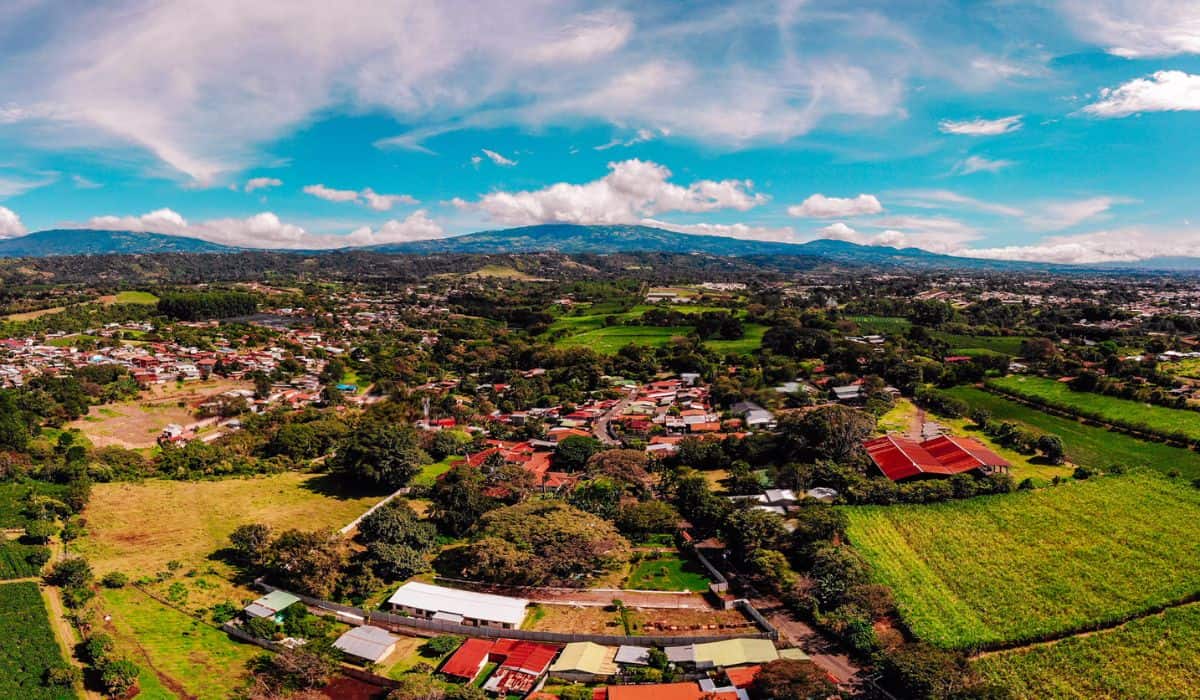
In the rolling hills west of San José, where mist lingers on volcanic slopes and the air smells of ripening coffee, Naranjo stands as one of Costa Rica’s respected coffee regions. Less visited than Monteverde or Tarrazú, Naranjo offers a more intimate connection to the land, farmers, and the craft behind world-renowned beans.
Travelers seeking coffee tours near San José, cultural immersion, and sustainable agriculture will find Naranjo rewarding.
Why Naranjo Is One of Costa Rica’s Premier Coffee Regions
Located in Costa Rica’s Western Central Valley, Naranjo sits at elevations between 1,200 and 1,700 meters (4,000–5,500 feet)—an ideal altitude for producing high-quality Arabica coffee.
What makes Naranjo coffee exceptional:
- Volcanic soils rich in minerals
- Distinct dry and wet seasons that support optimal growing cycles
- High elevations that slow bean development, enhancing flavor complexity
Coffee from Naranjo is often characterized by:
- Bright acidity
- Citrus and floral notes
- Balanced body with clean finishes
The region is also a leader in specialty coffee production, with many farms focusing on micro-lots, traceability, and sustainable practices.
Costa Rica Coffee Culture: What Sets Naranjo Apart
Coffee shapes Costa Rican identity, known as grano de oro (“golden grain”). In Naranjo, families still run small to mid-sized farms across generations.
Unlike larger commercial plantations, many Naranjo coffee farms emphasize:
- Hand-picked harvesting
- Traditional and experimental processing methods
- Direct relationships with buyers and roasters
For visitors, this translates into a more personal, educational experience.
Best Coffee Tours in Naranjo, Costa Rica: Having considered Naranjo’s cultural strengths, here are some of the most notable coffee tours and experiences available in the region.
This cooperative is a leading coffee experience and represents hundreds of local farmers.
What to expect:
- End-to-end overview of coffee production
- Large-scale processing facilities
- Educational insight into Costa Rica’s coffee economy
Best for: First-time visitors, those wanting a comprehensive introduction
Hacienda Espíritu Santo Estate Experience
A deeper extension of the cooperative, offering access to scenic farmland.
Highlights:
- Guided walks through coffee fields
- Tasting sessions with regional beans
- Views across the Central Valley
Boutique Family-Run Coffee Farms
Smaller, less commercial farms in Naranjo often provide the most memorable, personal tours, emphasizing one-on-one walks, learning about harvesting, and tasting sessions directly with farmers.
Typical experience:
- Walk through coffee plots with the farmer.
- Learn about harvesting and processing methods.
- Small-group tastings and discussions
These tours often require advance arrangements through specialized operators and provide deeper cultural insight.
Types of Coffee Experiences Available
Farm-to-Cup Tours
The most common experience, covering:
- Coffee cultivation and harvesting
- Processing (washed, honey, natural methods)
- Drying, roasting, and tasting
Coffee Tastings & Cupping Sessions
Designed for those interested in flavor profiles and quality distinctions.
- Compare different roast levels and origins.
- Learn professional tasting techniques.
- Identify notes such as citrus, chocolate, or floral tones.
Roasting Demonstrations
Some farms offer hands-on roasting experiences, showcasing how raw beans develop into finished coffee.
Barista & Brewing Experiences
More specialized tours may include:
- Brewing methods (pour-over, espresso, French press)
- Techniques used by specialty coffee professionals
Best Coffee Farms and Estates to Visit
While Naranjo is less commercialized than other regions, several standout experiences include:
- Espíritu Santo / Coopronaranjo – educational, accessible, and well-organized
- Hacienda Espíritu Santo – scenic and immersive
- Independent boutique farms – highly personalized, often the most memorable
Many farms in the region prioritize:
- Shade-grown coffee
- Organic or low-impact farming
- Water conservation and eco-friendly processing
Sustainability & Specialty Coffee in Naranjo
Costa Rica is a global leader in sustainable coffee production, and Naranjo reflects this commitment.
Common practices include:
- Shade-grown cultivation supporting biodiversity
- Reduced water usage in processing
- Direct trade relationships ensure fair compensation.
Visitors see how sustainability shapes both flavor and community at these farms.
Cultural Experiences Beyond Coffee
Visiting Naranjo is about the people as well as coffee.
What you may experience:
- Conversations with multi-generational farmers
- Traditional Costa Rican meals on-site
- Demonstrations of historical processing techniques
These interactions reveal rural life in the Central Valley.
Who Should Visit Naranjo Coffee Farms? After learning about the range of offerings, consider if Naranjo suits your travel or coffee interests.
Coffee Enthusiasts:
Access to high-quality, single-origin beans and expert-led tastings.
Cultural Travelers:
Authentic, locally rooted experiences beyond typical tourist circuits.
Couples:
Scenic, relaxed environments are ideal for slow travel.
Families:
Educational and engaging, especially for older children.
Wellness & Slow Travel Seekers:
Peaceful settings, fresh air, and mindful experiences.
Getting to Naranjo: Once you’ve decided to visit, here’s what you need to know about reaching Naranjo from key locations.
Transportation options:
- Rental car (recommended for flexibility)
- Guided coffee tours with transport included.
- Private drivers or transfers
Roads are generally well-maintained, though rural access roads may be narrow or winding.
Best Time to Visit Coffee Farms
Harvest Season (November–March)
- Most dynamic time to visit
- See coffee cherries being picked.
- Greater activity on farms
Green Season (May–November)
- Lush landscapes and fewer visitors
- Coffee plants are in the growth phase.
- Occasional afternoon rain
Dry Season (December–April)
- Clear skies and comfortable touring conditions
- Ideal for combining with other Central Valley experiences
Tips for Visiting Coffee Farms in Naranjo
- Book in advance, especially for smaller farms
- Wear comfortable walking shoes (uneven terrain is common)
- Bring a light jacket (elevations can be cooler)
- Ask about language options (many tours are bilingual, but not all)
- Purchase coffee on-site for the freshest quality and to support local producers.
- Allow time for tastings—they are often the highlight of the visit.
Final Thoughts
Naranjo offers a quieter, more authentic view into Costa Rica’s coffee culture—shaped by altitude, soil, and craft. It’s about exceptional coffee, understanding its journey from seed to cup, and the people behind it.
For travelers exploring the Central Valley, a visit to Naranjo, Costa Rica, coffee farms offers both a sensory experience and a cultural connection—one that lingers long after the final sip.
Continue Planning Your Costa Rica Coffee Experience
These guides help you connect Naranjo with other coffee regions and experiences across Costa Rica.
Related Posts
How to Get from Alajuela to La Fortuna (Shuttle, Bus, Rental Car)
For many travelers, Alajuela is the gateway to Costa Rica.…

Coffee Tours in Alajuela, Costa Rica
A Complete Visitor Guide from the Heart of the Central…