If you’re planning to visit Poás Volcano National Park, securing tickets correctly is not optional — it’s essential.
Unlike many national parks in Costa Rica, Poás operates under a strict online reservation system with timed entry slots, capacity controls, and active safety monitoring. There are no walk-up ticket sales at the gate.
This guide explains how to reserve Poás Volcano tickets, what to expect on arrival, how seasonal demand affects availability, and how to structure your stay for the best experience.
Why Poás Volcano Requires Reservations
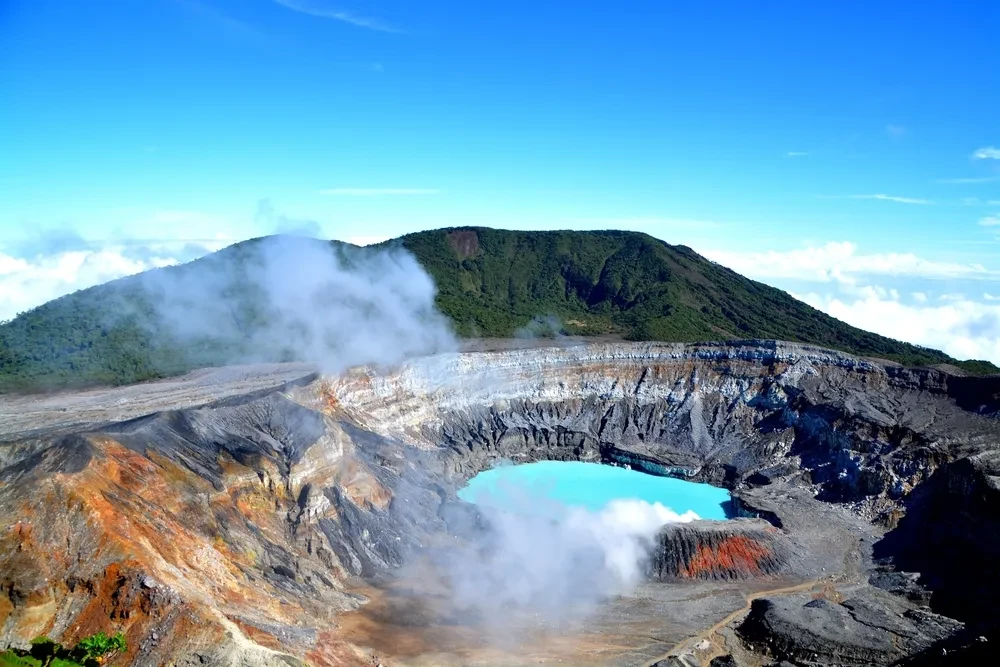
Poás is one of Costa Rica’s most accessible active volcanoes. The main crater sits at 8,885 feet (2,708 meters) and contains an acidic crater lake that periodically vents gas and steam.
Because of:
- Ongoing volcanic activity
- Gas emissions
- High visitor demand
- Environmental protection regulations
The park limits daily entry and assigns specific time windows for crater access.
For a broader overview of what the visit entails, see:
→ Is Poás Volcano Worth Visiting?
→ Poás Volcano Weather Guide (Best Time for Clear Views)
How the Online Reservation System Works
All visitors must book tickets in advance through Costa Rica’s official national park reservation platform (SINAC).
What You’ll Need
- Passport number for each visitor
- Full name exactly as shown on passport
- Email confirmation
- Selected date and entry time
Tickets are issued for specific time slots, typically in 20-minute intervals. Visitors must arrive before their assigned entry window.
Once inside, time at the crater viewpoint is limited for safety reasons.
There are no ticket sales at the entrance gate.
Ticket Pricing Overview
Pricing varies slightly depending on residency status.
International visitor rates are higher than resident rates. Children often receive discounted entry.
In addition to the park entrance fee, parking fees may apply if driving independently.
Because pricing structures and regulations can change, always verify through official sources before purchasing.
When to Book: Seasonal Availability & Peak Demand
Poás ticket availability fluctuates significantly by season.
Dry Season (December–April)
This is the most competitive period.
Clear mornings attract high demand, especially:
- Christmas and New Year’s
- Easter week
- U.S. spring break
- European winter holidays
During these months, tickets — particularly early morning slots — can sell out days in advance.
Booking at least 3–7 days ahead is strongly recommended.
Green Season (May–November)
Availability improves, particularly midweek.
However, early morning time slots remain the most desirable because they offer the highest chance of clear crater views.
September and October see fewer visitors due to heavier rainfall, but weather variability remains a factor.
For deeper seasonal insights, consult:
→ Poás Volcano Weather Guide (Best Time for Clear Views)
Choosing the Best Entry Time
If your goal is to see the turquoise crater lake clearly, select an entry time between 8:00 a.m. and 10:00 a.m.
Cloud cover typically increases as the morning progresses.
Staying nearby the night before significantly increases your chances of arriving on time for an early slot.
Where to Stay for Timed Entry Success
Because entry windows are fixed, proximity matters.
Highland Lodges Near Poás
Staying north of Alajuela in the highlands reduces early-morning drive time and avoids Central Valley traffic.
Boutique properties surrounded by coffee farms provide cooler air and a peaceful setting before your visit.
These are ideal for Baby Boomers, wellness travelers, and couples seeking a quieter mountain base.
Hotels in Alajuela Near SJO
If you’re arriving late at San José International Airport (SJO), staying in Alajuela offers a practical overnight solution.
From most Alajuela hotels, the drive to Poás takes 45–60 minutes.
This option works well for travelers combining Poás with:
→ Best Day Trips from San José
→ Coffee Tours Near Poás Volcano
→ A scenic drive toward La Fortuna
What Happens If the Park Closes?
Poás is an active volcano. On rare occasions, access is suspended due to:
- Elevated gas emissions
- Increased volcanic activity
- Severe weather
If closure occurs before your visit, the reservation system typically outlines refund or rescheduling procedures.
Always check park status the morning of your visit, especially during periods of increased activity.
What to Do Before or After Your Entry Time
Because crater viewing time is limited, many visitors pair Poás with nearby experiences.
Coffee farms in the Central Valley offer educational tours and tastings.
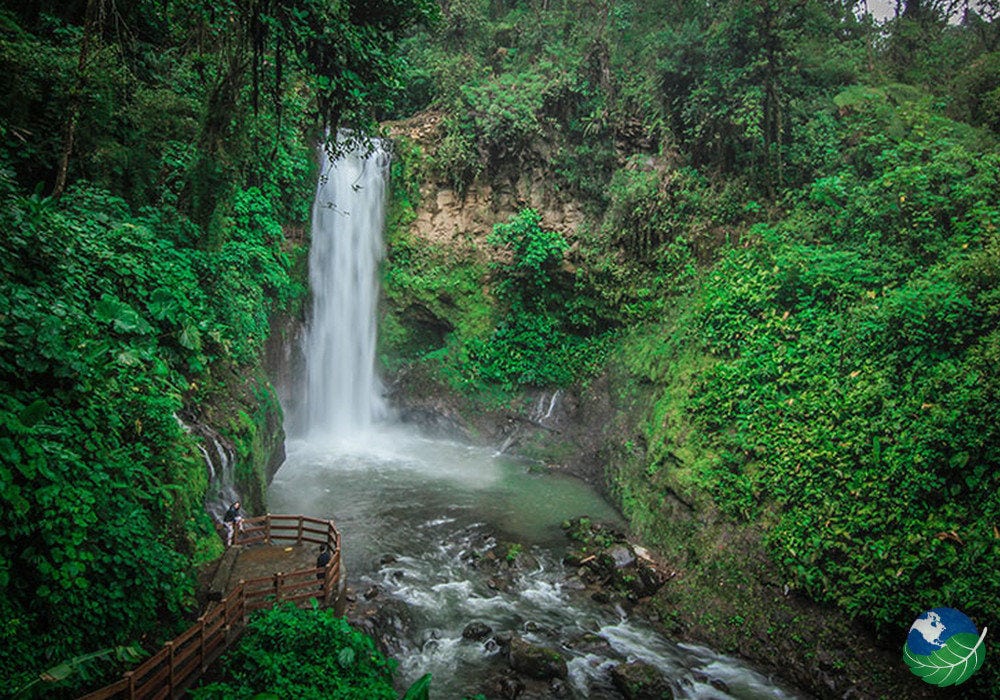
La Paz Waterfall Gardens sits along the same mountain route and provides accessible waterfall trails.
If continuing your journey north, a morning visit to Poás can precede the scenic Drive from San José to La Fortuna.
Pairing experiences helps make the most of your reserved time window.
Arrival & Entry Day Tips
Arrive at least 15–20 minutes before your entry slot.
Bring:
- Passport (required for verification)
- Confirmation email (digital copy is sufficient)
- A light jacket (temperatures are cooler at altitude)
- Rain protection, especially during the green season
Late arrivals may forfeit entry.
Parking is straightforward but limited during peak times.
Common Reservation Mistakes to Avoid
Booking midday slots and expecting clear views. Morning is statistically better.
Misspelling passport numbers or names. Information must match exactly.
Assuming tickets are available at the gate. They are not.
Waiting until arrival in Costa Rica to reserve during high season.
Final Thoughts
Visiting Poás Volcano is straightforward — but only if you respect the reservation system.
Planning ensures a smoother entry, better odds of visibility, and less stress on arrival.
For most travelers flying into SJO, Poás offers one of the most logistically efficient volcanic experiences in Costa Rica. With proper timing and thoughtful booking, it can become a highlight of your Central Valley itinerary.
Related Posts
Poás Volcano vs Arenal Volcano: Which Should You Visit?
Volcanoes define Costa Rica — but not all volcano experiences…
How to Get to Poás Volcano from San José or Alajuela
If you're searching for “how to get to Poás Volcano…
Poás Volcano and La Paz Waterfall Gardens: How to Combine Them in One Day
A few day trips from the Central Valley deliver as…