If you are wondering how to get to Poás Volcano from San José, the trip is relatively straightforward compared with many mountain destinations in Costa Rica. The park is also especially convenient from Alajuela, making it a practical excursion for travelers staying near Juan Santamaría International Airport (SJO).
Poás Volcano National Park sits in the highlands of Costa Rica’s Central Valley at 2,708 meters (8,885 feet) above sea level. The road climbs through agricultural communities, coffee-growing areas, and cooler mountain landscapes before reaching the park.
However, transportation is only part of the planning. You also need to consider your reservation time, traffic, mountain weather, and current park conditions.
Here is the simplest way to plan the trip.
Where Is Poás Volcano?
Poás Volcano is north of Alajuela and northwest of San José.
The official SINAC driving route from San José follows the General Cañas highway toward Alajuela and then Route 712 through Itiquís, Fraijanes, and Poasito toward the national park. An alternative route approaches through Heredia, Barva, Vara Blanca, and Poasito.
Approximate driving times under reasonable conditions are:
- From Alajuela: about 45–60 minutes
- From central San José: roughly 1–1.5 hours or more depending on traffic
Traffic in the metropolitan area can considerably alter those estimates, so avoid planning around the minimum possible driving time.
Driving from Alajuela to Poás Volcano
Alajuela is one of the easiest bases for visiting Poás.
From town, you will generally head north toward Route 712 and continue through the highlands toward Poasito and the national park. SINAC lists Route 712 through Itiquís and Fraijanes as the principal approach from Alajuela.
The road is paved, but it becomes more winding as you gain elevation.
You will pass through coffee-cultivation areas, small communities, restaurants, and agricultural land before reaching the higher cloud forest near the park.
A regular rental car is generally sufficient for the standard park route in normal conditions. A 4×4 is not normally necessary simply to reach the main entrance.
However, rain and fog can quickly reduce visibility.
Driving from San José to Poás Volcano
Driving from San José is also straightforward, but metropolitan traffic makes timing less predictable.
The official route sends drivers west along the General Cañas highway toward Alajuela, then north toward Poás.
Because morning traffic can be heavy, leave more time than online maps initially suggest.
This is particularly important because Poás uses timed reservations.
Arriving late due to San José traffic can cause unnecessary problems.
If Poás is one of your main priorities, staying in Alajuela the previous night can make the morning considerably easier.
Do You Need a Reservation?
Yes. Poás Volcano National Park currently uses SINAC’s online reservation system.
SINAC lists Poás among the national parks for which visitors purchase and reserve admission online through its official system. When making the reservation, you need to select the park, date and time, visitor category, and provide visitor identification information.
Therefore, reserve your entrance before driving to the volcano.
The park’s official page currently lists daily operating hours from 8:00 a.m. to 4:00 p.m., with the last visitor admission at 2:00 p.m., and states that entry is through the reservation system.
Because procedures and access conditions can change at an active volcano, verify them again shortly before your visit.
For step-by-step planning, see the Poás Volcano Tickets and Reservations Guide.
What Time Should You Leave?
Your departure should be based on your reserved entry time rather than simply on the estimated drive.
For example, if you have an early morning reservation from Alajuela, leave enough time for:
- Mountain traffic
- Slower driving in fog
- Parking
- Finding the entrance
- Checking in
From San José, add an even larger buffer because metropolitan traffic can be unpredictable.
Do not plan to arrive at the exact minute of your reservation.
Is Morning Really Better?
Morning is generally the most practical time to visit Poás.
Clouds often build around the mountain later in the day, reducing visibility of the crater.
However, an early reservation does not guarantee a clear view.
Poás sits at high elevation, and clouds can move across the crater at any time.
Still, if seeing the crater clearly is one of your main goals, an earlier visit usually gives you a better opportunity.
See the Poás Volcano Weather Guide for more detailed seasonal planning.
Rental Car or Guided Tour?
Both work well.
The better option depends on how comfortable you are driving and what you want to do afterward.
Renting a Car
A rental car gives you the most freedom.
It is particularly useful if you want to combine Poás with:
- A coffee tour
- Lunch in the highlands
- La Paz Waterfall Gardens
- A drive toward another Central Valley destination
- A later journey toward La Fortuna
You can travel at your own pace and avoid waiting for other hotel pickups.
The main disadvantage is that you must deal with traffic, navigation, and mountain weather yourself.
Guided Tour
A guided tour is useful for travelers who would rather not drive.
Tours may include hotel pickup, transportation, park coordination, and additional stops.
They are particularly convenient for:
- First-time visitors
- Travelers staying in San José.
- Older travelers who prefer structured transportation
- Visitors uncomfortable driving through fog or mountain roads
Check exactly what is included before booking. A tour advertised as a “Poás tour” may or may not include park admission, meals, or additional attractions.
Can You Take a Public Bus to Poás Volcano?
Yes, but the current official bus service is limited.
SINAC states that the Coopetransasi bus from Alajuela to the national park operates on Saturdays, Sundays, and holidays, with no direct park service on weekdays. The official page currently lists a 9:00 a.m. departure from Alajuela and recommends reserving a park entrance around 10:40 or 11:00 a.m. when using the bus.
Because bus schedules can change, confirm the service shortly before your travel date.
This option can work for budget travelers, but it gives you much less flexibility than driving or booking a tour.
Road Conditions
The standard road to the national park is paved.
That does not mean the drive always feels easy.
As you climb, expect:
- Curves
- Narrower mountain sections
- Fog
- Rain
- Slower local traffic
- Sudden changes in visibility
Drive conservatively rather than trying to maintain the speed suggested by a navigation app.
If thick fog develops, reduce speed and use your lights.
Driving During the Dry Season
From December through April, road conditions are generally easier because rainfall is lower across much of the Central Valley.
However, mountain clouds can still appear.
The dry season is also Costa Rica’s busiest tourism period, so reservations and traffic may require more planning.
Holiday periods can be especially busy.
Driving During the Green Season
From May through November, the highlands become greener and wetter.
Morning travel is usually preferable.
Later in the day, rain and fog can slow mountain driving.
September and October are often among the wetter months in the Central Valley.
If you are unfamiliar with Costa Rican mountain roads, avoid scheduling a descent after dark during heavy rain.
What Should You Bring?
Even if Alajuela or San José feels warm, Poás can be much cooler.
Bring a light jacket or sweater.
A rain jacket is also useful, particularly during the green season.
Comfortable walking shoes are sufficient for most visitors because the main crater experience does not require technical hiking.
You should also bring the identification and reservation information required for your visit.
Safety at an Active Volcano
Poás is an active volcano.
SINAC manages access because conditions can change, and temporary restrictions or closures may occur.
Always follow park instructions and check official information before leaving your hotel.
If access is suspended, do not attempt to reach restricted areas independently.
Volcanic gases can also affect some visitors.
Anyone with respiratory sensitivities should take this seriously and seek appropriate medical guidance when necessary.
Can You Visit Poás Right After Landing at SJO?
Technically, the volcano is relatively close to the airport area.
Practically, scheduling Poás immediately after an international arrival is usually not the best plan.
Immigration, baggage collection, rental-car pickup, traffic, and flight delays make arrival-day timing unpredictable.
A better strategy is often to stay one night in Alajuela and reserve an early park entrance for the following morning.
That gives you a much more relaxed start and improves your chances of arriving on time.
Can You Continue to La Fortuna After Poás?
Yes, but plan the day carefully.
A morning visit to Poás followed by a drive toward La Fortuna can work.
However, Costa Rican travel times can be deceptive.
Mountain roads, traffic, weather, and stops can turn a simple-looking transfer into a longer day than expected.
If you choose this plan, visit Poás early and leave plenty of daylight for the rest of the drive.
Combining Poás with a Coffee Tour
This is one of the easiest ways to create a full Central Valley day.
Visit Poás first, when crater visibility is generally more favorable.
Then descend into coffee country for a late-morning or afternoon tour.
The surrounding highlands contain some of Costa Rica’s historic coffee-growing communities, so the two experiences fit together naturally.
Combining Poás with La Paz Waterfall Gardens
Another common itinerary pairs Poás with La Paz Waterfall Gardens.
Again, do the volcano first.
Crater visibility is the less predictable part of the day, while the waterfall attraction can generally be visited later.
Which Starting Point Is Better: San José or Alajuela?
Choose Alajuela if your priority is the volcano.
It places you closer to the mountain and avoids some metropolitan traffic.
It is especially practical if you have just arrived through SJO.
Choose San José if you are already staying there for museums, restaurants, or cultural activities.
You do not need to relocate solely to visit Poás, but you should leave earlier.
For travelers building a Central Valley itinerary, Alajuela is usually the simpler base for Poás.
Final Thoughts
Learning how to get to Poás Volcano from San José is relatively simple. Planning the timing is the more important part.
From Alajuela, the trip is shorter and easier.
From San José, the route is still straightforward, but traffic requires additional time.
A rental car gives you the greatest flexibility, while a guided tour is the easiest choice if you do not want to navigate mountain roads. Public bus service is also available on a limited number of days, according to the current SINAC schedule.
Whichever option you choose, reserve your park entrance first, leave early, dress for cooler mountain weather, and check current park conditions before departure.
Poás is remarkably accessible for an active volcano.
That accessibility is part of what makes it special—but good planning is what makes the visit work.
Related Posts
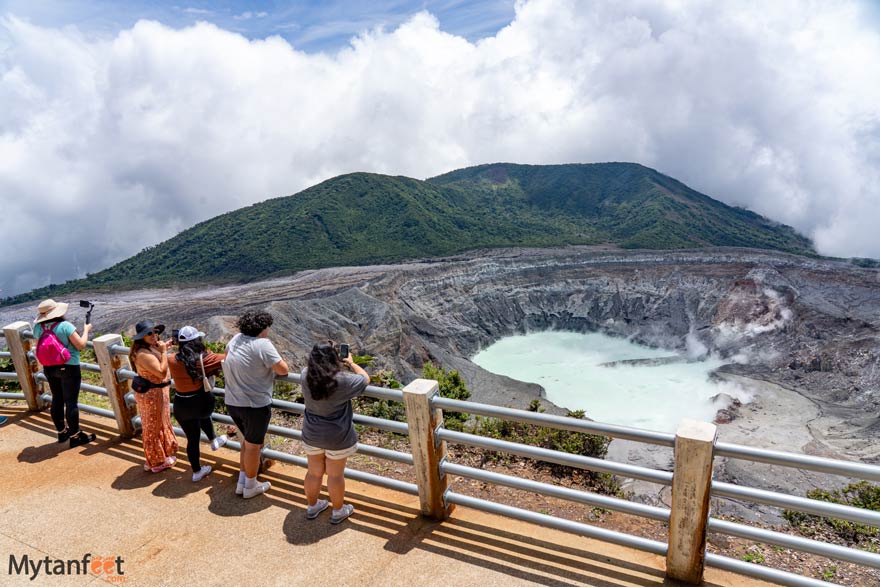
Poás Volcano for Families: What Parents Should Know
Poás Volcano is one of the easiest ways for families to…
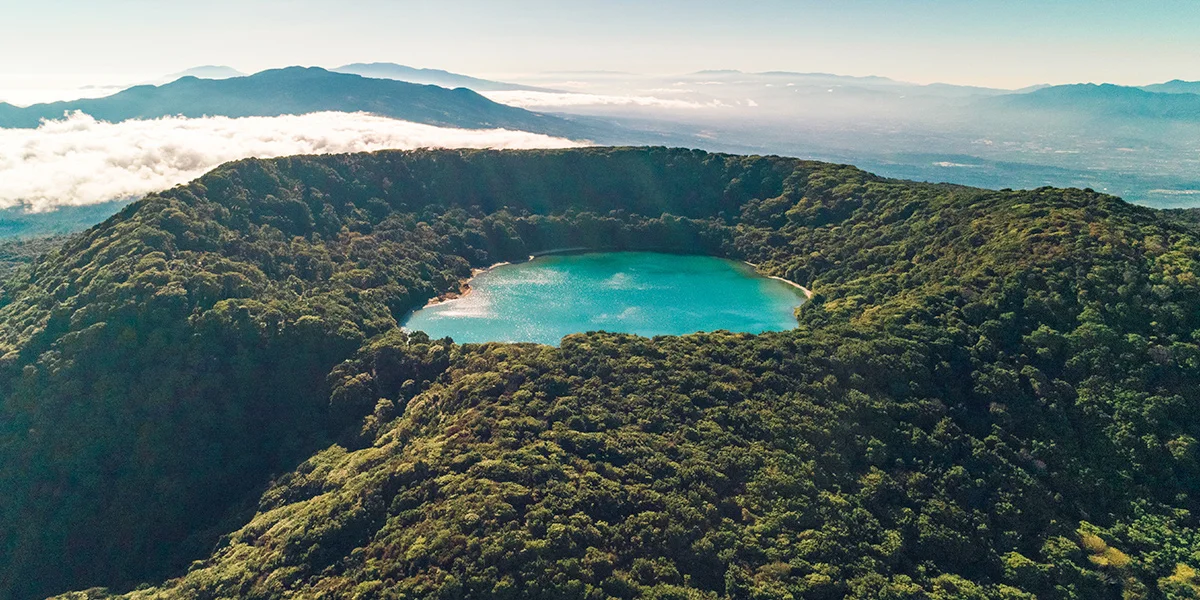
Poás Volcano Tickets: Reservation Tips and Entry Guide
Poás Volcano tickets must be purchased through Costa Rica’s official SINAC…
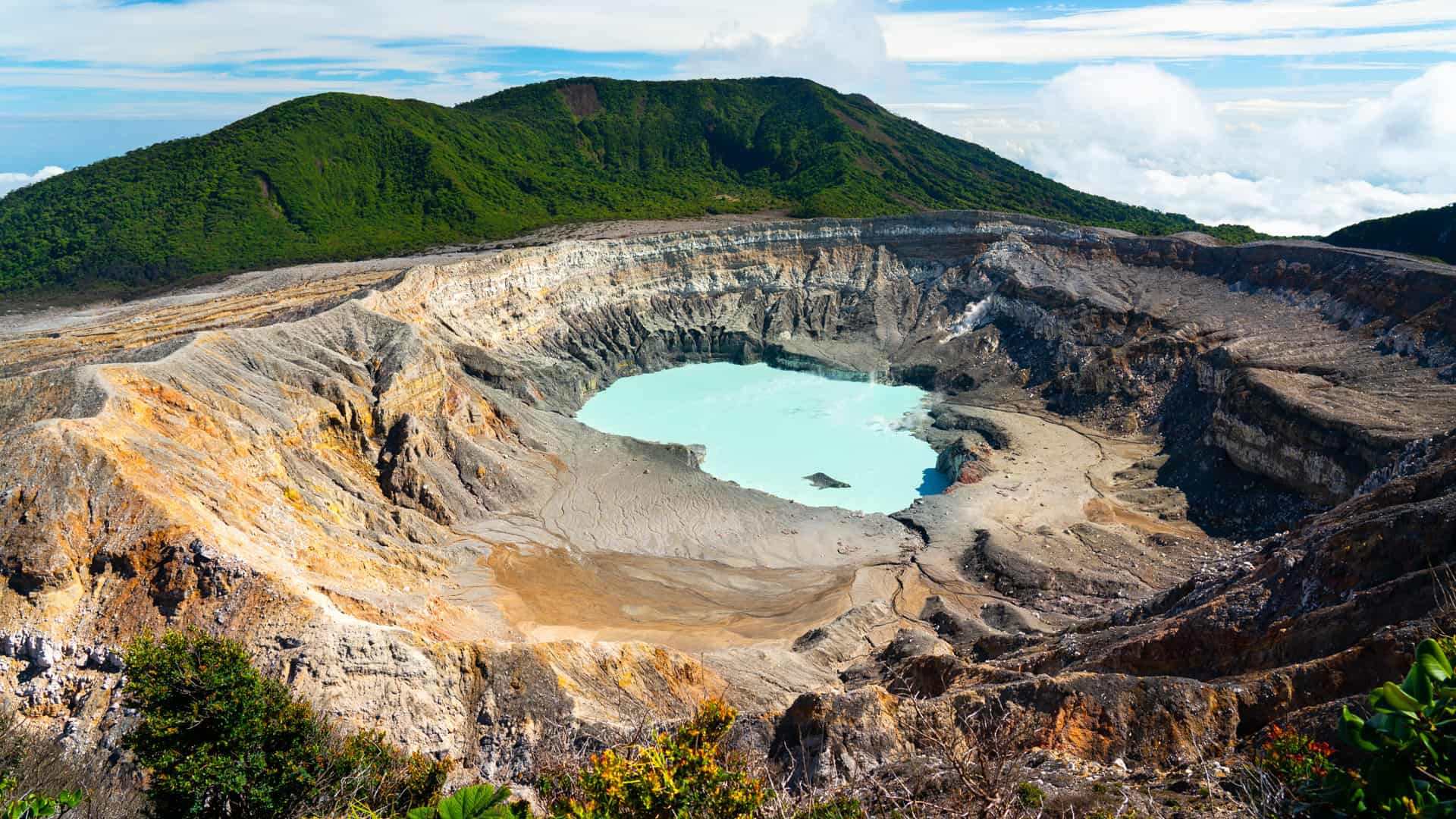
Poás Volcano Weather: Best Time for Clear Views
Poás Volcano weather can change quickly because of the park’s high…