Alajuela is where many Costa Rica trips begin, even when travelers do not realize it. Juan Santamaría International Airport (SJO) is located in Alajuela province, making the city one of the most convenient places to spend a first or last night in the country.
But Alajuela is more than an airport stop.
Set in Costa Rica’s Central Valley, with coffee-growing hills and Poás Volcano rising to the north, Alajuela makes a practical base for exploring volcanoes, coffee farms, waterfalls, traditional towns, and the route toward La Fortuna. It also offers something increasingly valuable to independent travelers: an opportunity to experience everyday Costa Rican life away from the country’s major resort areas.
If you are looking for airport hotels in Alajuela, Costa Rica, planning a stop before continuing to La Fortuna, or considering a few days in the Central Valley, this guide covers what you need to know.
Alajuela at a Glance
Alajuela is one of Costa Rica’s principal cities and the capital of Alajuela province. It sits northwest of downtown San José and provides convenient access to both the capital region and the mountain communities north of the airport.
The center feels distinctly local. Around Parque Central Tomás Guardia, you will find shops, restaurants, banks, pharmacies, churches, and streets busy with residents going about their daily routines.
Beyond the city, the landscape changes quickly.
Coffee plantations climb into cooler hills, small agricultural communities replace urban streets, and the road continues toward Poás Volcano National Park.
Alajuela is also well positioned for travelers continuing toward La Fortuna and Costa Rica’s Northern Plains.
What Alajuela Is Really Like
Alajuela is a working Costa Rican city rather than a destination built primarily around tourism.
That distinction is important.
You will find supermarkets, local produce markets, pharmacies, bakeries, banks, hardware stores, bus stations, cafés, and neighborhood restaurants rather than blocks of souvenir shops and tour desks.
Downtown is relatively compact, although traffic around the airport and major roads can become heavy.
For travelers staying only one night, the airport area is usually the most convenient choice. If you want to explore the city itself, staying closer to downtown puts you within easy reach of Central Park, the market, restaurants, and historic sites.
Grocery Stores, Pharmacies and Everyday Essentials
Finding necessities is easy in Alajuela.
Supermarkets and smaller neighborhood grocery stores are available throughout the metropolitan area. The Mercado Central de Alajuela is a better choice for travelers interested in local produce, inexpensive meals, and a more traditional Costa Rican shopping experience.
Pharmacies are also common throughout the city and around the airport corridor.
If Alajuela is your first stop before renting a vacation home elsewhere, it can be a convenient place to buy groceries and travel essentials before continuing into more rural parts of the country.
Nightlife and Evenings
Alajuela is not one of Costa Rica’s major nightlife destinations.
Evenings are more likely to involve dinner at a local restaurant, drinks at a neighborhood bar, or a walk around the central area than clubs and late-night entertainment.
Travelers looking for a larger restaurant and nightlife scene will find more choices in San José and areas such as Barrio Escalante.
For most visitors, however, Alajuela’s quieter evenings fit its role perfectly: arrive, eat well, sleep, and start exploring early the following morning.
Getting to Alajuela from SJO Airport
This is one of Alajuela’s biggest advantages.
Juan Santamaría International Airport is located immediately outside central Alajuela, so many airport-area hotels are only a short transfer from the terminal.
Depending on traffic and your exact destination, downtown Alajuela is generally a short taxi or rideshare trip away.
Official airport taxis, private transfers, rental cars, and rideshare services are all commonly used.
If your flight arrives late, staying near SJO can make considerably more sense than immediately beginning a long nighttime drive to La Fortuna, Manuel Antonio, or another destination.
Likewise, Alajuela is convenient for an early departure because you avoid crossing the greater San José metropolitan area before reaching the airport.
Where to Stay in Alajuela
Accommodation varies from practical airport hotels to smaller properties in the surrounding hills.
Airport Hotels Near SJO
Travelers with early departures or late arrivals usually benefit most from staying close to the airport.
The Courtyard by Marriott San José Airport Alajuela is a practical choice for travelers prioritizing proximity, predictable standards, and easy airport logistics.
The Hampton by Hilton San José Airport is another popular option for short stays around SJO.
Airport hotels make the most sense when Alajuela is primarily a logistical stop rather than a destination you intend to explore for several days.
Boutique Hotels and Guesthouses
Smaller hotels and guesthouses provide more character than the airport chains and can work well for travelers spending two or three nights in the area.
Properties outside the urban center may offer gardens, mountain views, and a quieter atmosphere while remaining reasonably close to the airport.
These stays are particularly attractive if you plan to visit coffee plantations or Poás Volcano rather than spend much time downtown.
Vacation Rentals
Short-term rentals are another practical choice for families, groups, and longer stays.
However, pay attention to the exact location. An accommodation described as being “near SJO” may still involve a substantial drive during Central Valley traffic.
Where to Eat in Alajuela
Alajuela’s food scene is less about destination dining and more about everyday Costa Rican cooking.
The Mercado Central de Alajuela is an excellent place to start. Small sodas and food stalls serve traditional dishes such as gallo pinto, casados, soups, fresh juices, and inexpensive lunches.
Throughout the city, family-run soda shops offer another opportunity to eat locally.
Coffee is naturally part of the experience. Alajuela sits close to some of Costa Rica’s historic coffee-growing regions, so cafés and coffee experiences are easy to incorporate into a visit.
If high-end restaurants are a priority, you will find a broader selection in San José, Escazú and Santa Ana.
Visit Poás Volcano
For many travelers, Poás Volcano is the strongest reason to spend additional time in Alajuela.
The volcano rises north of the city in dramatically cooler highlands. Its enormous active crater makes it one of Costa Rica’s most distinctive volcanic landscapes.
Clouds frequently move across the summit, so earlier visits can improve your chances of seeing the crater before visibility changes.
Access conditions, operating procedures, and volcanic activity can affect visits. Check current information with Costa Rica’s official SINAC system before leaving.
Alajuela’s location makes an early departure relatively easy compared with traveling from farther parts of San José.
Tour a Costa Rican Coffee Plantation
Coffee shaped much of Costa Rica’s economic and cultural history, and Alajuela provides easy access to some of the Central Valley’s traditional growing regions.
Doka Estate is one of the better-known coffee experiences near Alajuela. Tours introduce visitors to the process from cultivation and harvesting through processing and roasting.
Coffee tours work particularly well on a Central Valley itinerary because they require relatively little physical exertion and can be combined with other nearby attractions.
For families, Baby Boomers, cultural travelers, and anyone interested in Costa Rican agriculture, this can be more revealing than simply stopping at a café.
Explore the Waterfalls and Cloud Forest
Drive farther into the mountains and Alajuela province becomes dramatically wilder.
The Bajos del Toro region is known for waterfalls, steep green valleys, cloud forest, and hiking opportunities. It offers a very different environment from downtown Alajuela despite being accessible as part of a longer day trip.
Weather can change rapidly at higher elevations. Rain, fog, and slippery trails are possible even when conditions around the airport are warm and sunny.
Travelers primarily interested in hiking should consider spending a night in the mountains rather than attempting to fit several distant waterfalls into a rushed day trip.
Discover Downtown Alajuela
Travelers frequently overlook the city itself while racing toward the volcano or airport.
A few hours downtown provide a glimpse into everyday life in the Central Valley.
Walk around Parque Central Tomás Guardia, visit the market, stop for coffee, and explore the surrounding streets. Alajuela is closely associated with Costa Rican national hero Juan Santamaría, whose story is an important part of the city’s identity.
This is not a sightseeing district filled with major attractions. Its appeal comes from observing a Costa Rican provincial capital functioning on its own terms.
Use Alajuela as a Starting Point for La Fortuna
Alajuela is particularly useful for travelers heading toward La Fortuna.
Rather than landing after an international flight and immediately beginning another long journey, you can stay near the airport, recover from the flight, and leave early the following morning.
This strategy is particularly useful for families, older travelers, and visitors arriving after dark.
Getting Around
For a short airport stay, you probably do not need a rental car immediately.
Taxis and rideshare services can handle airport transfers and trips around the urban area.
A rental car becomes much more useful if you plan to visit Poás, coffee-growing communities, waterfalls, or continue toward La Fortuna.
Public buses connect Alajuela with numerous Central Valley towns and other parts of Costa Rica. They are inexpensive, though less convenient for travelers carrying substantial luggage or following a tight itinerary.
Traffic is the biggest variable.
A short distance on the map can take much longer during peak commuting periods, so leave extra time when traveling to SJO.
Best Time to Visit
Alajuela can be visited year-round.
The dry season from roughly December through April generally brings clearer mornings and less rain, making it particularly convenient for volcano visits and outdoor excursions.
The green season from May through November transforms the surrounding mountains into deep shades of green. Rain is more frequent, particularly later in the day, but mornings can still be excellent for sightseeing.
Poás has its own high-elevation weather patterns, so conditions at your hotel near the airport do not necessarily predict what you will encounter at the crater.
That unpredictability is another reason to visit early.
Pace and Lifestyle
Alajuela provides a useful contrast to Costa Rica’s major tourism destinations.
This is not Tamarindo, Manuel Antonio, or La Fortuna. Most people around you are not on vacation.
Families meet in parks. Commuters head to work. Students move between schools and bus stops. Markets open early, and small businesses follow the routines of everyday Central Valley life.
That makes Alajuela particularly interesting for cultural travelers who want to see something beyond Costa Rica’s beach and adventure tourism industries.
The pace is active during the day but relatively subdued at night.
Things to Be Cautious Of
Alajuela requires the same common-sense precautions you would use in other Central Valley cities.
Keep phones, wallets, passports, and cameras secure in busy public areas. Avoid leaving luggage or electronics visible inside parked vehicles, even during short stops.
At night, using a registered taxi or rideshare service is generally more practical than walking long distances on unfamiliar streets.
Traffic deserves attention as well. Pedestrian conditions can vary considerably between neighborhoods, and driving styles may feel more aggressive than in rural Costa Rica.
Finally, do not underestimate travel time around the airport. Congestion can build quickly, particularly during commuting periods.
Who Should Stay in Alajuela?
Alajuela makes the most sense for travelers who need convenient access to SJO, want an easy first or final night in Costa Rica, or plan to explore Poás Volcano and nearby coffee country.
It is also a logical choice for travelers continuing toward La Fortuna.
Families may appreciate avoiding a long drive immediately after an international flight, while Baby Boomers and independent travelers can use Alajuela to create a more relaxed transition between destinations.
Travelers primarily interested in luxury shopping, upscale restaurants, and sophisticated nightlife will probably prefer Escazú or Santa Ana.
Is Alajuela Worth Visiting?
Yes — particularly when you use its location strategically.
Alajuela does not need to become a week-long destination to add value to a Costa Rica itinerary. One or two nights can provide enough time to visit a coffee plantation, explore Poás Volcano, eat at the local market, and recover from or prepare for an international flight.
More importantly, it offers a glimpse of Costa Rica beyond the beaches and resorts.
Alajuela is practical without being purely transactional. Look beyond the airport, and you find coffee-growing mountains, local neighborhoods, traditional markets, volcanic landscapes, and easy access to some of the country’s most rewarding interior destinations.
For travelers looking for airport hotels in Alajuela, Costa Rica, a Central Valley base, or a comfortable starting point for La Fortuna, it is one of the most useful places to begin a Costa Rican journey.
Related Posts
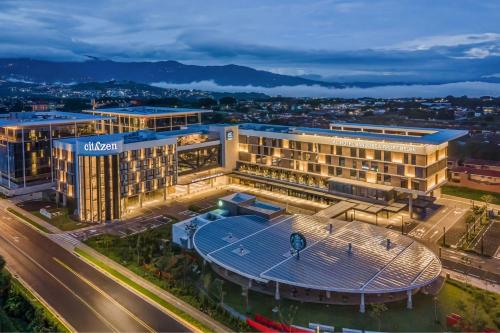
Best Hotels Near San José Airport (SJO) in Alajuela
Choosing one of the best hotels near San José Airport (SJO) can…

Coffee Tours in Alajuela, Costa Rica
Coffee is woven deeply into Costa Rica’s history, economy, and…
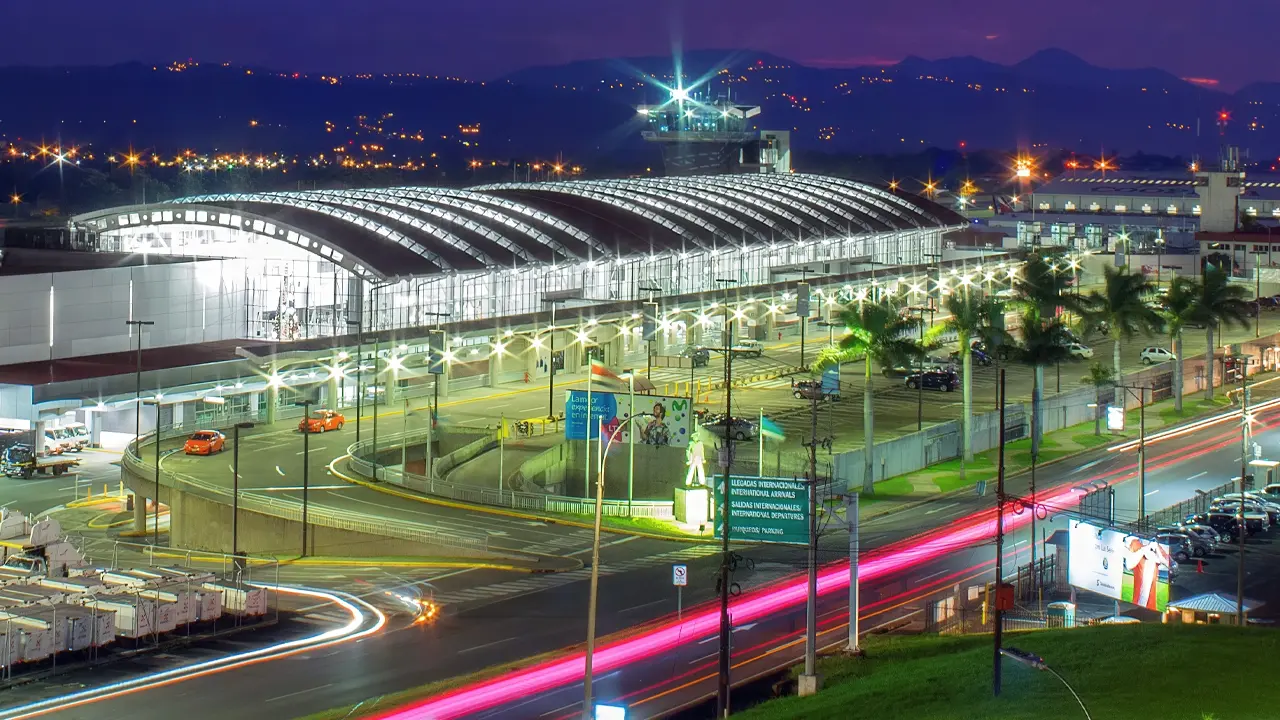
Car Rental in Alajuela: What Travelers Should Know
For travelers planning to explore Costa Rica independently, renting a car…