Playa Avellanas Costa Rica is a popular surfing beach on Guanacaste’s Pacific coast, south of Tamarindo. Its long sandy shoreline, established surf breaks, beachfront dining, and relatively relaxed atmosphere attract surfers, couples, families, and day-trippers.
Unlike central Tamarindo, Playa Avellanas doesn’t have a concentrated commercial center. Instead, accommodation, restaurants, and beach access points sit along different roads. As a result, visitors can enjoy a less urban coastal setting, although getting around often requires transportation.
Surfing is the main attraction, but the beach also offers sunset views, coastal walks, and opportunities to explore nearby communities.
This guide explains the surf breaks, swimming conditions, places to stay, restaurants, and road access. It also helps you decide whether to visit Playa Avellanas for a day or spend several nights.
Where Is Playa Avellanas Costa Rica?
Playa Avellanas lies in Santa Cruz canton, Guanacaste Province, approximately 15 kilometers south of Tamarindo.
Driving from central Tamarindo generally takes around 25–40 minutes, depending on your route and road conditions.
Guanacaste Airport, near Liberia, is the most convenient major international airport for most visitors. The journey usually takes approximately 1.5–2 hours, although traffic and the final access road can affect travel time.
The beach is also within driving distance of Playa Negra and other communities along Guanacaste’s coast.
However, Playa Avellanas isn’t a compact town where everything sits within walking distance. Therefore, your accommodation’s exact location matters when planning beach visits and meals.
What Is Playa Avellanas Like?
Playa Avellanas has a broad shoreline backed by coastal vegetation, with several surf areas along the beach.
Visitors will find small hotels, vacation rentals, restaurants, and residential properties in the surrounding area. Nevertheless, businesses are more dispersed than in Tamarindo.
The beach can feel spacious outside busy periods. However, popular surf breaks and access points attract visitors, especially during weekends, holidays, and favorable surf conditions.
Some sections have rocks or exposed formations, while others offer sandy areas suitable for walking.
For travelers seeking a beach-focused vacation without central Tamarindo’s concentration of shops and nightlife, Avellanas provides an alternative.
Playa Avellanas Beach: Swimming and Ocean Conditions
Playa Avellanas faces the open Pacific Ocean. Consequently, waves, currents, and tides can change conditions throughout the day.
Although the shoreline attracts surfers, that doesn’t make every section suitable for recreational swimming.
Can You Swim at Playa Avellanas?
Swimming requires caution because breaking waves and rip currents can create hazardous conditions.
Additionally, rocky areas and river-mouth sections may present risks that aren’t immediately obvious from shore.
No particular tide guarantees safe swimming. Therefore, ask qualified local instructors or lifeguards, where available, about current conditions before entering the water.
Families should supervise children closely and avoid unfamiliar areas with strong waves or currents.
If calm, sheltered swimming is your main priority, consider researching other beaches rather than assuming Playa Avellanas will provide suitable conditions.
Surfing at Playa Avellanas Costa Rica
Surfing is the main reason many travelers visit Playa Avellanas.
The coastline includes several established breaks, ranging from relatively forgiving waves under suitable conditions to powerful sections over rock.
However, each break responds differently to swell, wind, and tides.
As a result, surfers should evaluate the day’s conditions rather than relying on a fixed difficulty rating.
Little Hawaii
Little Hawaii is one of Playa Avellanas’ best-known surf breaks.
Located toward the northern end of the beach, it is associated with powerful right-hand waves breaking over a rocky bottom.
Because of underwater hazards and the potential for strong surf, this break is better suited to experienced surfers.
Beginners should not attempt Little Hawaii simply because other sections of Playa Avellanas offer lessons.
Even experienced visitors should seek local advice about the takeoff area, tides, and current swell.
El Parqueo
El Parqueo is a recognized surf area near one of the main beach access points.
Under suitable conditions, its waves can be more forgiving than those at Little Hawaii.
Consequently, local surf instruction may take place around this section when conditions allow.
However, wave size and currents still matter. Beginners should enter the water with qualified instruction rather than assuming the break is always easy.
El Palo
El Palo, also known locally as Dead Tree, is another established break along Playa Avellanas.
It can produce left- and right-breaking waves, although the experience changes with swell and tide.
Because conditions vary, its suitability depends on the surfer’s ability and the day’s forecast.
The River-Mouth Area
The northern river-mouth area is associated with additional surf opportunities.
However, shifting sand, currents, and changing water levels can affect the waves.
River mouths also require special caution. Avoid wading or swimming across channels, especially when water is flowing strongly.
What About Palo Seco?
Some travel descriptions mention Palo Seco as a Playa Avellanas surf break.
However, the name is not consistently identified in the available local surf references. Therefore, travelers should confirm the exact location with a qualified local instructor rather than relying on an uncertain description.
Best Time to Surf Playa Avellanas
Surfing conditions depend on swell direction, wind, tides, and the particular break.
During Guanacaste’s dry season, offshore winds can create favorable conditions on some days.
Meanwhile, parts of the wetter season can receive larger Pacific swells.
However, neither season guarantees ideal surfing.
Beginners should prioritize manageable waves and qualified instruction. Experienced surfers should check current conditions before choosing a break.
Best Things to Do in Playa Avellanas
Although surfing dominates the area’s reputation, visitors can enjoy several activities outside the water.
Enjoy a Beach Day
Playa Avellanas offers sandy areas for relaxing, reading, and enjoying the coastal scenery.
However, shade and facilities vary by location. Bring drinking water, sun protection, and anything else you need for the day.
During busy periods, popular access points may attract more visitors.
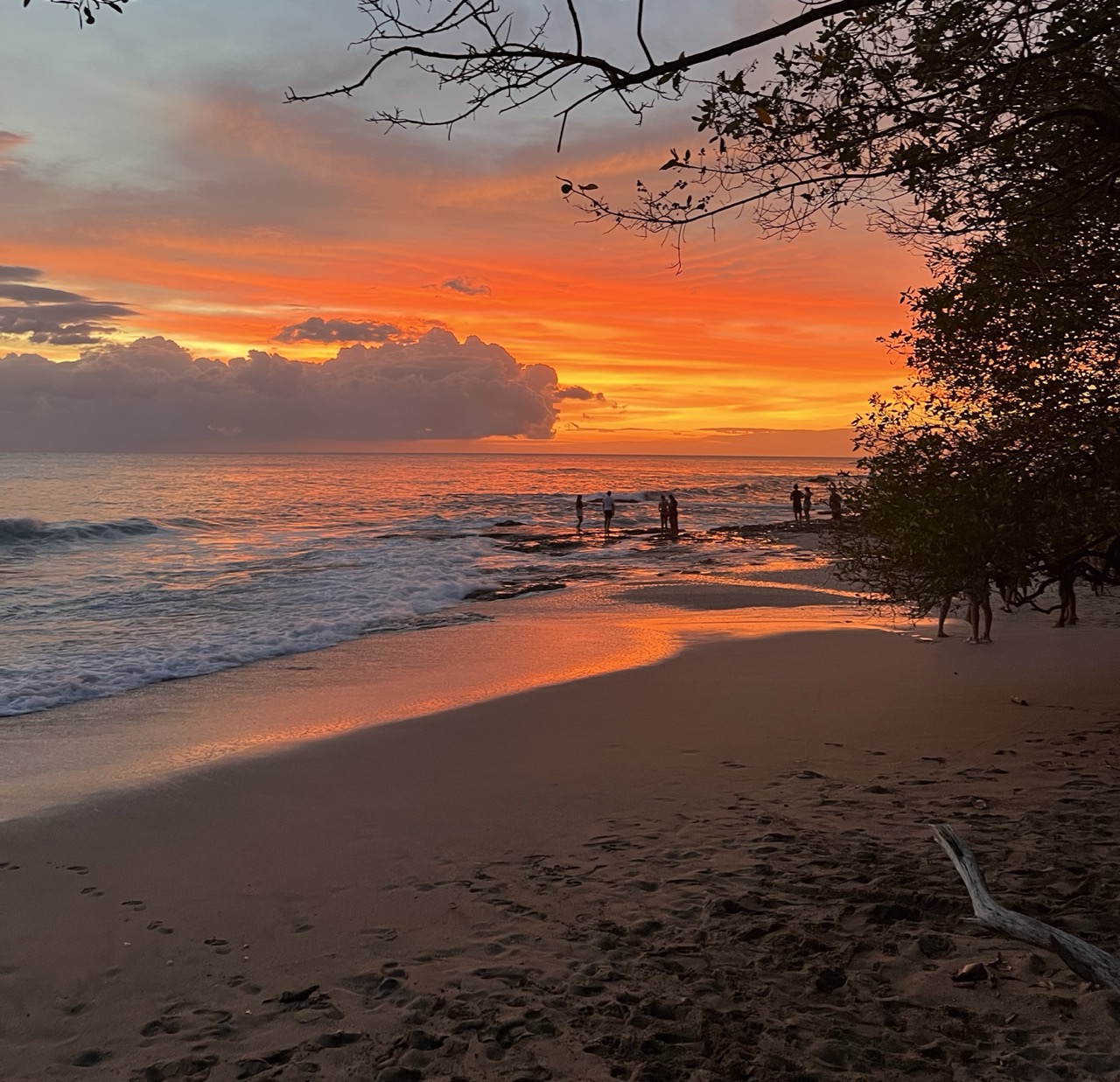
Watch the Sunset
The beach faces the Pacific, making sunset viewing a popular activity.
Late afternoon also provides appealing light for coastal photography.
Nevertheless, plan your return transportation before dark, particularly if you’re unfamiliar with the access roads.
Walk Along the Coast
Beach walks offer opportunities to appreciate the shoreline, vegetation, and changing coastal scenery.
At lower tides, some rocky sections may become more visible.
However, avoid slippery rocks, exposed formations during heavy surf, and unfamiliar river crossings.
Explore Nearby Beaches
Playa Negra is another established surfing destination south of Avellanas.
Meanwhile, Tamarindo offers additional restaurants, shops, and organized excursions.
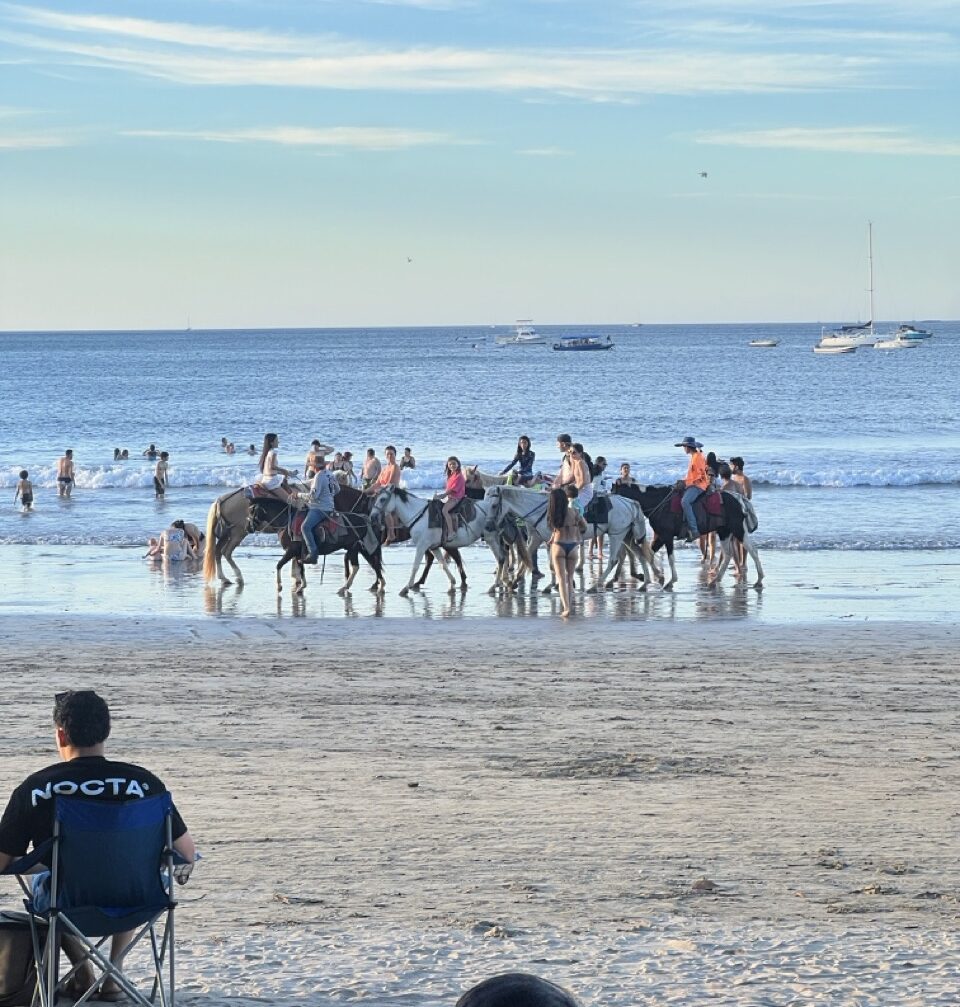
Consider Yoga or Horseback Riding
Some accommodation providers and activity operators in the wider area offer wellness experiences or horseback riding.
However, availability, routes, and schedules can change.
Therefore, confirm activities directly with a reputable provider before including them in your itinerary.
Lola’s Restaurant and Where to Eat
One of Playa Avellanas’ best-known establishments is Lola’s, a beachfront restaurant overlooking the Pacific.
Its setting makes it convenient for visitors combining a beach day with a meal.
The restaurant is also associated with the story of Lola, a pig that became part of its local identity. However, visitors shouldn’t assume that the original animal is still present.
Lola’s maintains an official website with menus, reservations, and contact information. Check current hours before visiting, particularly if you’re planning a late meal.
Other Restaurants Near Playa Avellanas
Additional restaurants and cafés operate around the wider Avellanas area.
However, they are not all beachfront or within walking distance of one another.
Consequently, visitors staying for several days may appreciate accommodation with a kitchen.
For larger supermarkets, additional dining choices, and more everyday services, Tamarindo offers a broader selection.
Where to Stay Near Playa Avellanas
Accommodation around Playa Avellanas includes smaller hotels, surf-oriented lodgings, guesthouses, and vacation rentals.
However, location is especially important because properties are spread across different roads.
Small Hotels and Surf Lodges
Smaller properties may suit couples, solo travelers, and surfers who prefer a relaxed accommodation setting.
Before booking, confirm the distance to the nearest beach access point.
Also check whether surfboard storage, equipment rentals, or lessons are actually provided.
Vacation Rentals and Villas
Vacation rentals can work well for families, groups, and longer stays.
Separate bedrooms and kitchens may make daily routines easier.
However, private pools, air conditioning, internet quality, and other amenities vary by property.
Therefore, verify essential features directly before making a reservation.
Staying Close to the Beach or Farther Inland
Accommodation near a convenient beach access point may reduce daily driving.
Meanwhile, properties farther inland can offer different surroundings but may require a vehicle for most activities.
For remote workers, confirm internet reliability and workspace facilities rather than assuming every rental supports extended online work.
How to Get to Playa Avellanas
Most visitors reach Playa Avellanas by road.
From Tamarindo
The drive generally takes around 25–40 minutes.
Common routes pass through the Villarreal area before continuing toward Avellanas.
Some sections of the access roads are unpaved or uneven. Therefore, drive carefully and allow additional time after heavy rain.
From Guanacaste Airport
Travelers arriving at LIR can rent a vehicle or arrange a private transfer.
The journey commonly takes around 1.5–2 hours, depending on traffic, weather, and the accommodation’s location.
Do You Need a 4×4?
A four-wheel-drive vehicle isn’t automatically necessary to reach the main Playa Avellanas beach access areas.
During favorable conditions, ordinary vehicles may manage commonly used routes.
However, potholes, uneven surfaces, and rainfall can make some roads difficult.
A vehicle with higher ground clearance may provide additional convenience, especially for properties on rougher roads.
During heavy rain, check local conditions before driving. Never attempt to cross flooded roads.
Can You Visit Without a Rental Car?
Yes, although transportation requires planning.
Visitors can arrange private transfers or taxis, but return services should be confirmed in advance.
Because accommodation and restaurants are spread out, relying entirely on walking may be inconvenient.
For a single beach day, arranging round-trip transportation can be simpler than staying without a vehicle.
Playa Avellanas vs Tamarindo
Both destinations offer surfing and Pacific beaches, but their visitor experiences differ.
| Category | Playa Avellanas | Tamarindo |
|---|---|---|
| Atmosphere | Dispersed coastal community | Busier beach town |
| Surfing | Several distinct breaks | Established surf-school scene |
| Swimming | Exposed beach; conditions vary | Conditions also vary |
| Restaurants | Smaller, spread-out selection | Wider selection |
| Nightlife | Limited concentration | More bars and entertainment |
| Accommodation | Small hotels and rentals | Broader range of options |
| Walkability | Depends heavily on location | Central area more walkable |
| Transportation | Rental car often helpful | More services concentrated in town |
| Families | Best with careful planning | More convenient amenities |
Choose Playa Avellanas if surfing, beach time, and a less concentrated commercial setting are your priorities.
Choose Tamarindo if you prefer more restaurants, organized activities, and everyday conveniences nearby.
For a short visit, Playa Avellanas also works as a day trip from Tamarindo.
Best Time to Visit Playa Avellanas
Guanacaste generally experiences a dry season from December through April.
During these months, lower rainfall often makes beach visits and road travel easier. However, dry conditions can create dust on unpaved roads.
The wetter season generally runs from May through November.
During this period, the landscape becomes greener, although heavy rain can affect road conditions and outdoor plans.
Surf conditions vary throughout the year. Therefore, the best time for a surf trip depends on your experience and preferred waves.
Accommodation demand can also rise during holidays and popular travel periods.
Practical Safety and Travel Tips
Before visiting Playa Avellanas, check the weather and ocean conditions.
Use sun protection, carry drinking water, and avoid leaving valuables unattended.
If you’re surfing an unfamiliar break, ask a qualified local instructor about hazards and suitable conditions.
Additionally, plan transportation carefully if you intend to stay until sunset.
Avoid driving through floodwater, and respect coastal vegetation and wildlife.
For families, choose accommodation and beach activities according to children’s ages and swimming abilities.
Frequently Asked Questions
Is Playa Avellanas worth visiting?
Yes, particularly for surfers and travelers who enjoy spacious beaches and a less concentrated commercial setting than central Tamarindo.
Is Playa Avellanas good for beginners?
Some sections can suit beginner lessons under appropriate conditions. However, powerful breaks such as Little Hawaii are not suitable for beginners.
Is Lola’s restaurant still open?
Lola’s maintains an official restaurant website and reservation information. However, visitors should confirm current operating hours directly before traveling.
Can you visit Playa Avellanas without a 4×4?
Often, yes. Nevertheless, road conditions vary, and a higher-clearance vehicle may be helpful on rough or wet roads.
Is Playa Avellanas good for families?
It can be a good choice for families seeking beach time and spacious accommodation. However, ocean conditions require caution, and services may not be within walking distance.
How many days should you spend in Playa Avellanas?
A day trip works for beach time, lunch, and a sunset. Two or three nights provide more flexibility for surfing and exploring nearby areas.
Final Verdict: Is Playa Avellanas Worth Visiting?
Playa Avellanas Costa Rica is worth considering for its established surf breaks, Pacific coastline, and beach-focused atmosphere.
It offers a different experience from central Tamarindo, especially for travelers who prefer accommodation and activities outside a busy town center.
However, road conditions, dispersed services, and changing ocean conditions require planning.
For surfers, couples, families, and independent travelers who understand these practical considerations, Playa Avellanas can be an enjoyable part of a Guanacaste vacation.
Related Posts

Mountain Biking Trails in Guanacaste
Mountain Biking Trails in Guanacaste offer some of the most diverse…
Tamarindo Costa Rica: Complete Travel Guide
Tamarindo Costa Rica is one of Guanacaste's established beach destinations, known…