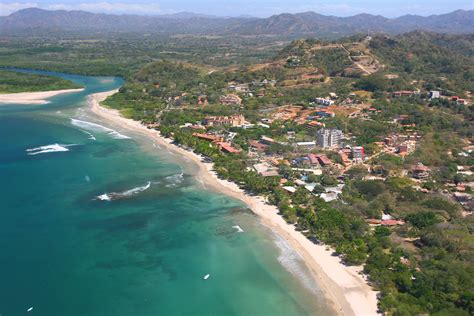
There are beaches in Costa Rica where the focus is surf, others where it’s luxury, and then there’s Playa Grande, where nature takes priority.
Just across the estuary from Tamarindo, Playa Grande feels worlds away. It’s quieter, wilder, and protected — part of Las Baulas National Marine Park, one of the most important nesting sites for leatherback sea turtles in the Eastern Pacific.
If you’re searching for Playa Grande Costa Rica turtle nesting, curious about Playa Grande Tamarindo surf, or deciding whether to stay here instead of Tamarindo, this guide covers everything you need to know — from wildlife and surf to logistics and where to stay.
For broader planning, see:
Where Is Playa Grande?
Playa Grande sits just north of Tamarindo in Guanacaste Province:
- Across the Tamarindo estuary
- ~30 minutes by car
- ~10–15 minutes by boat taxi
Despite the proximity, Playa Grande feels far more remote due to its protected status and limited development.
What Makes Playa Grande Unique?
Part of Las Baulas National Marine Park
Playa Grande is not just a beach — it’s a protected ecosystem.
- Strict conservation rules
- Limited beachfront development
- No large-scale resorts
- Protected wildlife habitats
This creates a rare balance: a surf destination that still feels wild and untouched.
Turtle Nesting in Playa Grande, Costa Rica
One of the defining features of Playa Grande is its role as a major nesting site for leatherback sea turtles.
Turtle Nesting Season
- Peak: October to February
- Extended activity: September through March
During this time, turtles come ashore at night to lay eggs — an unforgettable and highly regulated experience.
Turtle Tours
- Guided night tours only (mandatory)
- Strict rules to protect turtles
- No flash photography
- Small group sizes
Seeing a leatherback turtle — the largest sea turtle species — is one of Costa Rica’s most powerful wildlife experiences.
Beach Conditions at Playa Grande
Playa Grande is expansive and dramatic.
What to Expect
- Wide, golden-brown sand beach
- Strong, consistent waves
- Open, uncrowded shoreline
Swimming Conditions
- Better at mid-to-high tide
- Strong currents possible
- More suited to confident swimmers
This is not a calm, protected bay — it’s a true Pacific surf beach.
Surfing at Playa Grande, Tamarindo
If you’re researching Playa Grande Tamarindo surf, this is one of Guanacaste’s most respected breaks.
Surf Characteristics
- Consistent year-round swell
- Powerful beach break
- Works at multiple tide levels
- Less crowded than Tamarindo
Who It’s For
- Intermediate surfers
- Advanced surfers
- Beginners (with instruction, in the right conditions)
Compared to Tamarindo:
- More power
- More space
- Fewer surf schools
Best Things to Do in Playa Grande
1. Surfing
The main draw.
- Reliable waves
- Open peaks
- More relaxed lineup than Tamarindo
2. Turtle Nesting Tours (Seasonal)
A must-do if visiting between October and February.
3. Beach Walks & Sunset Viewing
Playa Grande’s size means:
- Long, uninterrupted walks
- Minimal crowds
- Exceptional sunsets
4. Wildlife Watching
Within the national park and nearby estuary:
- Monkeys
- Iguanas
- Birds
- Occasional crocodiles (estuary area)
5. Day Trips to Tamarindo
Stay in Playa Grande, visit Tamarindo when you want:
- Surf lessons
- Catamaran tours
- Restaurants and nightlife
Where to Stay in Playa Grande
Accommodation is low-density and nature-focused.
Boutique Hotels
- Small-scale properties
- Walkable beach access
- Quiet, relaxed atmosphere
Vacation Rentals & Villas
- Private homes with pools
- Ideal for families and longer stays.
- More space and privacy
Eco-Friendly Stays
- Integrated into the environment
- Sustainable design
- Wildlife-conscious operations
This is not a large resort destination — and that’s the point.
Where to Eat in Playa Grande
Dining is limited but high quality.
Local Highlights
- Casual beachfront restaurants
- Fresh seafood and Costa Rican dishes
- Small cafés and smoothie spots
Tamarindo Option
For more variety:
- 10–15 minutes by boat
- 30 minutes by car
Many visitors combine both destinations for dining flexibility.
How to Get to Playa Grande from Tamarindo
Option 1: Boat Taxi (Fastest & Scenic)
- 10–15 minutes
- Crosses the Tamarindo estuary
- Operates during daylight hours
Option 2: Drive (More Reliable)
- ~30 minutes
- Paved + dirt roads
- Necessary during high tide or late hours
Seasonal Considerations
Dry Season (December–April)
- Sunny skies
- Consistent surf
- Peak travel season
Rainy Season (May–November)
- Lush landscapes
- Afternoon showers
- Fewer crowds
Turtle Nesting Season (Key Factor)
- October–February is the best time for turtle activity
- Book tours in advance
- Follow strict conservation guidelines.
Who Playa Grande Is Best Suited For
✔ Surfers seeking less crowded waves
✔ Nature lovers and wildlife enthusiasts
✔ Couples wanting quiet beach stays
✔ Families with older children
✔ Travelers prioritizing conservation and authenticity
Who It May Not Suit
- Travelers seeking nightlife
- Those without a car (outside boat taxi hours)
- Luxury resort seekers
- Families needing calm swimming conditions
Final Thoughts: Where Surf Meets Conservation
Playa Grande offers something increasingly rare — a place where surf culture and environmental protection coexist.
You come here for the waves, but you stay for the silence, the wildlife, and the feeling that this stretch of coastline still belongs more to nature than to tourism.
Continue planning with:
Because in Playa Grande, the real luxury isn’t development — it’s preservation.
Related Posts

How to Spend 5 Days in Tamarindo (Perfect Beach Itinerary)
If you have 5 days in Tamarindo, Costa Rica, you have…
How to Spend 5 Days in Tamarindo: A Thoughtful, Unhurried Itinerary
I’ve watched many travelers arrive in Tamarindo with big plans…