Surf, Jungle Trails & Quiet Nicoya Peninsula Living
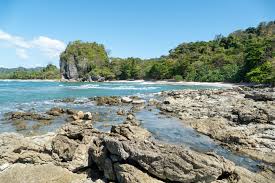
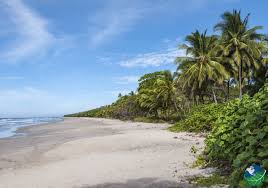
Malpaís sits at the far southwestern edge of the Nicoya Peninsula, just beyond Santa Teresa. It’s wilder, quieter, and less built-out than its northern neighbor. Volcanic rock shelves meet strong Pacific surf—dirt roads cut through the jungle. Sunsets feel uninterrupted.
Five days in Malpaís isn’t about seeing everything — it’s about settling in.
If you’re new to the area, start with the full destination overview at Malpaís (Pilar Page) for logistics and planning context.
Here’s how to structure a five-day stay that balances ocean, jungle, and downtime.
Day 1: Arrival & First Sunset on the Rocks
Most travelers arrive via ferry from Puntarenas to Paquera (see How to Take the Ferry from Puntarenas to Paquera) or fly to Tambor (see Flying From San Jose to Tambor for Malpaís). By the time you reach Malpaís, the light is usually golden.
Check into your hotel or villa and take your first walk along the rocky coastline. Malpaís is known for its dramatic tide pools and volcanic formations. At low tide, natural pools form between rocks — perfect for a refreshing dip.
Dinner should be simple and unhurried. Fresh seafood, grilled fish, and sunset views define the evening rhythm here.
Sleep comes easily with the sound of waves.
Where to Stay in Malpaís
Accommodation shapes your experience more than in many Costa Rica beach towns.
Travelers searching for boutique hotels in Malpaís, Costa Rica, typically seek privacy and a sense of nature. Many properties are tucked into jungle hillsides with ocean views and infinity pools.
For ocean access, look for beachfront boutique stays along the main coastal road.
For jungle immersion and privacy, hillside eco-lodges and private villas offer panoramic Pacific views and quiet mornings filled with howler monkey calls.
Malpaís works especially well for:
• Couples wanting seclusion
• Remote workers staying longer
• Families comfortable with rustic roads
• Surf travelers prioritizing proximity to breaks
Day 2: Surf & Slow Afternoon
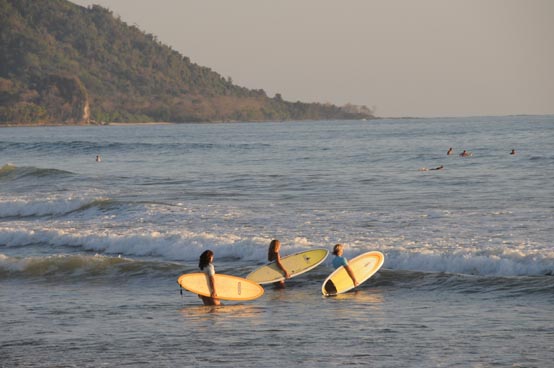
Malpaís is known for consistent surf. The breaks here tend to be stronger than Santa Teresa’s main beach, attracting experienced surfers. Beginners often head slightly north for gentler waves.
Even if you don’t surf, early mornings on the beach are special — long walks, tide pool exploration, or watching locals paddle out at sunrise.
Afternoons are for slowing down. Read in a hammock. Swim. Take a yoga class nearby. Malpaís rewards travelers who don’t overschedule.
For a broader overview of activities, see Best Things to Do in Malpaís and Malpaís Tours.
Day 3: Cabo Blanco Nature Reserve
One of the greatest advantages of staying in Malpaís is its proximity to the Cabo Blanco Absolute Nature Reserve. This was Costa Rica’s first protected area and remains one of the peninsula’s most important ecological sites.
The trails are humid, demanding, but rewarding — expect howler monkeys, white-faced capuchins, coatis, and tropical birdlife.
Plan to start early to avoid midday heat. Bring water, sun protection, and proper footwear.
For full hiking details, see Cabo Blanco Nature Reserve Guide.
After hiking, return to Malpaís for a quiet beach sunset and well-earned rest.
Day 4: Fishing, Snorkeling, or Coastal Boat Tour
The Pacific waters off Malpaís are known for sportfishing and seasonal marine life. Half-day fishing charters depart locally and target mahi-mahi, tuna, and roosterfish depending on the season.
Snorkeling trips and coastal boat tours are also available during calmer months, offering views of remote beaches and marine life.
If ocean conditions aren’t ideal, consider a relaxed drive north toward Santa Teresa for café hopping or boutique shopping — but return to Malpaís for the quieter evening atmosphere.
Day 5: Jungle Mornings & Reflection
By your fifth day, Malpaís tends to settle into you.
Spend your final morning slowly — sunrise coffee overlooking the Pacific, a final swim, or a walk through the tide pools at low tide.
If your departure involves the ferry or a domestic flight, plan conservatively. Dirt roads and seasonal rains can affect travel time.
See logistics details at:
Drive from San Jose to Malpaís and Vice Versa
How to get to Malpaís from Guanacaste Airport and San Jose Airport
The Surrounding Area
Malpaís blends seamlessly into Santa Teresa to the north and sits near Cobano to the east. Cobano provides larger grocery stores and basic services, while Santa Teresa offers more dining and nightlife options.
If you’re deciding between the two beach towns, see Differences Between Malpaís and Santa Teresa to Help You Choose Which to Visit.
Seasonal Considerations
Dry Season (December–April)
Expect reliable sun, better road conditions, and consistent surf. This is peak season.
Rainy Season (May–October)
The jungle turns intensely green, crowds thin out, and sunsets can be dramatic after afternoon rain. Roads may be muddy, and ocean conditions can vary.
Surfers often appreciate rainy season swells, while hikers should prepare for humidity.
What Makes 5 Days in Malpaís Work
Malpaís is not built for speed.
It’s best suited for:
• Experienced surfers
• Couples seeking privacy
• Nature-focused travelers
• Visitors are comfortable with unpaved roads
• Travelers who value quiet evenings
It may not suit:
• Nightlife-focused travelers
• Visitors wanting polished infrastructure
• Travelers are uncomfortable driving dirt roads
Final Thoughts
Five days in Malpaís is less about sightseeing and more about immersion.
You wake with the ocean. You move with the tide. You end each day watching the sun sink into the Pacific without interruption.
For travelers seeking a quieter, more elemental Costa Rica experience, Malpaís is exactly the right amount of remote.