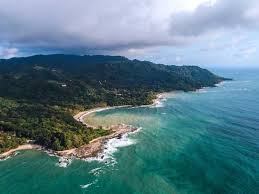
Surfing in Malpaís Costa Rica offers a different experience from the busy beach breaks of nearby Santa Teresa. Located on the southern Nicoya Peninsula, Malpaís has a rugged coastline, rocky surf areas, and a smaller selection of visitor services.
Although the communities are close together, their surfing conditions differ. Malpaís attracts surfers interested in reef and point breaks, while Playa Carmen and Santa Teresa provide more extensive sandy beach breaks and surf schools.
However, Malpaís isn’t necessarily the best destination for beginners. Many breaks require experience with rocks, currents, and changing tides. In addition, some waves only work under particular swell conditions.
This guide explains where to surf, when to visit, how to choose accommodation, and what to know before entering the water.
Where Is Malpaís, and How Is It Different From Santa Teresa?
Malpaís lies in Puntarenas Province, near the southern tip of Costa Rica’s Nicoya Peninsula.
The community sits south of Playa Carmen, while Santa Teresa extends north along the Pacific coast. Together, these destinations form a connected tourism and surfing area.
However, travelers sometimes use the name Malpaís when referring to the entire region. This can cause confusion when researching individual surf breaks.
Playa Carmen serves as an important connection between the communities. It also provides access to restaurants, accommodation, and surfing services.
Farther south, Malpaís has a rockier shoreline with occasional sandy coves. Meanwhile, Santa Teresa features longer sandy beaches and a more developed tourism scene.
Malpaís generally offers fewer restaurants and commercial services. Nevertheless, accommodation, traffic, and crowd levels vary by location and season.
Best Surf Spots in Malpaís Costa Rica
The Malpaís coastline includes several locally recognized surf locations. However, their conditions differ considerably from the beach breaks farther north.
Before visiting an unfamiliar spot, check the tide, swell direction, and entry conditions with a knowledgeable local surf guide.
Mar Azul
Mar Azul is one of the better-known surfing locations in Malpaís.
The area combines a small sandy section with extensive rock formations. Consequently, surfers need to pay close attention to the seabed and surrounding hazards.
Waves can form around the rocky features when suitable swell reaches the coastline.
However, Mar Azul doesn’t produce ideal conditions every day. Wave quality depends on swell size, direction, and tide.
Local descriptions also differ about the most favorable tide stage. Therefore, don’t rely on a fixed recommendation without checking the day’s conditions.
Because of the rocks, Mar Azul is generally more appropriate for experienced surfers than first-time learners.
Sunset Reef
Sunset Reef is another recognized surf location associated with Malpaís.
Unlike the sandy beach breaks around Playa Carmen, it involves reef and rocky conditions.
Therefore, surfers should understand how tides affect water depth over the bottom.
The break requires appropriate swell and may not offer suitable waves during every visit.
In addition, entry and exit conditions deserve particular attention.
If you’re unfamiliar with Sunset Reef, seek current advice from an experienced local guide before paddling out.
Punta Barrigona
Punta Barrigona is a point-break area along the Malpaís coastline.
Local surf descriptions identify a left-breaking wave that becomes more active when sufficient swell reaches the point.
However, it is not a dependable option for every day of the year.
The surrounding rocky coastline also creates potential hazards, particularly when water levels change.
For this reason, Punta Barrigona is better considered by surfers who already have experience with point breaks and rocky environments.
Playa Carmen
Playa Carmen sits north of Malpaís and forms an important part of the broader surfing area.
Unlike the rocky breaks farther south, Playa Carmen has sandy-bottom beach breaks.
It offers left- and right-breaking waves, although conditions depend on changing sandbars, swell, and tides.
The beach can attract numerous surfers, especially when conditions are favorable.
Playa Carmen is also more convenient for finding lessons and board rentals.
However, a sandy bottom does not guarantee beginner-friendly conditions. Larger waves and strong currents can make some sessions unsuitable for inexperienced surfers.
Is Malpaís Good for Beginner Surfers?
Malpaís is generally better suited to surfers who already understand wave selection, paddling, and ocean safety.
Rocky and reef-bottom breaks require additional skills. Surfers must know how to enter and exit safely while avoiding shallow rocks.
Moreover, changing tides can affect both wave behavior and available water depth.
For complete beginners, nearby Playa Carmen or Playa Hermosa, north of Santa Teresa, may provide more appropriate learning environments under suitable conditions.
These beaches have sandy sections where local surf schools offer instruction.
However, neither beach is safe for beginners under every swell or tide.
Therefore, first-time surfers should book a lesson with an instructor who evaluates the conditions before entering the water.
Best Time to Surf in Malpaís
Surfing is possible throughout the year around the southern Nicoya Peninsula. However, seasonal weather patterns influence swell, wind, and access conditions.
Dry Season: December to April
The dry season generally brings less rainfall and more predictable opportunities for outdoor activities.
However, strong seasonal winds can affect surf quality.
Some days offer clean conditions, while others bring less favorable wind or swell combinations.
Additionally, December through April includes popular travel periods, particularly around Christmas, New Year, and Easter.
Accommodation demand can increase during these dates.
For surfers who prefer smaller conditions, the dry season may offer suitable opportunities. Nevertheless, wave size depends on actual swell activity rather than the calendar alone.
Green Season: May to November
The green season often brings more frequent south and southwest swell activity.
As a result, some surf breaks can receive larger and more powerful waves.
However, not every swell reaches Malpaís in the same way. Local orientation and underwater features influence how waves break.
Rainfall also increases during this period, particularly toward the wetter months.
Consequently, road access and outdoor plans may require additional flexibility.
Experienced surfers may appreciate the increased swell potential. However, beginners should not assume that conditions will remain manageable.
How Tides and Wind Affect Surf Conditions
Tides influence water depth over rocks and reefs.
At some breaks, lower water levels can expose hazards or create shallower conditions. Meanwhile, other locations may respond differently to rising tides.
Wind also changes wave quality throughout the day.
Although early sessions can offer favorable conditions, clean morning surf is never guaranteed.
Before heading out, compare a current forecast with local observations and advice.
Surf Safety: Reefs, Rocks, and Currents
Surfing in Malpaís requires careful assessment, especially at unfamiliar breaks.
Unlike sandy beach breaks, rocky locations may have limited entry points and underwater hazards.
Therefore, surfers should understand the surrounding coastline before paddling out.
Assess Conditions Before Entering
Observe how waves break across the area and identify potential rocks.
Next, consider the tide, swell size, currents, and other surfers.
However, watching from shore cannot reveal every underwater hazard.
An experienced local guide can provide additional information about the break’s characteristics and access.
Know Your Experience Level
Intermediate surfers should not assume that experience at beach breaks automatically prepares them for shallow reef conditions.
Similarly, larger waves can create difficulties even for confident surfers.
Avoid entering unfamiliar breaks alone, particularly when conditions are challenging.
Additionally, use suitable equipment and understand how to control your board around other surfers.
Respect Local Surf Etiquette
Give other surfers enough space and avoid dropping in on someone already riding a wave.
At smaller takeoff areas, crowding can increase collision risks.
Therefore, wait your turn and avoid entering a lineup beyond your ability.
If conditions look unsuitable, choose another location or postpone the session.
Malpaís vs Santa Teresa for Surfing
Although the communities share the same general coastline, they offer different advantages.
| Feature | Malpaís | Santa Teresa and Playa Carmen |
|---|---|---|
| Main surf character | Rocky, reef, and point-break areas | Primarily sandy beach breaks, with some advanced spots |
| Typical experience level | More suitable for experienced surfers | Options for different levels, depending on conditions |
| Surf schools | More limited locally | Wider selection |
| Board rentals | Fewer convenient options | More readily available |
| Restaurants | Smaller selection | Greater variety |
| Accommodation | Small hotels, rentals, and villas | Broader range |
| Atmosphere | Generally quieter | More active tourism scene |
| Transportation | Useful for accessing different spots | Some central services within walking distance |
For experienced surfers interested in specific rocky breaks, Malpaís may be the better base.
Meanwhile, Santa Teresa and Playa Carmen may suit visitors who want convenient rentals, lessons, and restaurants.
However, neither destination guarantees uncrowded surf.
Because the communities are close together, travelers can also stay in one area and explore breaks elsewhere when conditions permit.
Surfboard Rentals, Lessons, and Local Guides
Santa Teresa and Playa Carmen have a more established selection of surf schools and rental services than Malpaís itself.
Therefore, visitors staying in Malpaís may find it convenient to arrange equipment through a provider farther north.
Before renting, confirm the board type, rental duration, deposit requirements, and damage policy.
Experienced surfers should also ask whether their accommodation provides secure board storage.
If you’re visiting a rocky break for the first time, consider hiring a local surf guide.
However, guiding services and instructor qualifications vary. Confirm the provider’s experience and whether transportation is included.
Avoid booking equipment or lessons based only on promotional descriptions of the waves.
Where to Stay for Surfing in Malpaís
Malpaís has smaller hotels, boutique properties, and vacation rentals.
However, not every accommodation offers direct access to a surfable beach.
Some properties sit on hillsides or along roads away from the coastline.
Therefore, check the exact location before booking.
Staying in Malpaís
Staying in Malpaís can suit experienced surfers who prefer a quieter base and want to explore the southern coastline.
However, restaurants and shops are less concentrated than in Santa Teresa.
A rental car or other reliable transportation may be useful.
Staying Near Playa Carmen
Playa Carmen offers convenient access to beach breaks, surf schools, and everyday services.
It can be a practical choice for groups with different surfing abilities.
Additionally, travelers can reach Malpaís or Santa Teresa without changing accommodation.
Staying in Santa Teresa
Santa Teresa provides a wider selection of restaurants, shops, and visitor services.
It may suit travelers who want surfing alongside yoga, dining, and evening activities.
However, traffic and road conditions can make short journeys slower than expected.
Getting to Malpaís and Accessing Surf Breaks
Travelers commonly reach Malpaís from Juan Santamaría International Airport (SJO) or Guanacaste Airport (LIR).
From the San José area, one option involves traveling to Puntarenas, taking the ferry to Paquera, and continuing by road.
Other driving routes cross the Nicoya Peninsula.
From LIR, travelers generally approach through the peninsula’s road network.
Travel times depend on traffic, ferry schedules, weather, and road conditions.
Although major access routes have improved, smaller roads around Malpaís may remain unpaved or uneven.
A 4×4 is not automatically necessary for every trip. However, higher-clearance vehicles may be useful for certain properties and access roads, particularly during wet weather.
If you’re carrying surfboards, confirm that your rental vehicle or shuttle can accommodate them safely.
Things to Do When You’re Not Surfing
Malpaís also provides opportunities for outdoor activities when surf conditions aren’t suitable.
Visit Cabo Blanco Absolute Natural Reserve
Cabo Blanco Absolute Natural Reserve protects important forest and coastal ecosystems at the southern end of the Nicoya Peninsula.
However, visitors should distinguish the reserve’s location from its public entrance.
The official visitor entrance is near Cabuya, rather than directly along Malpaís Beach.
According to SINAC, the reserve generally opens Wednesday through Sunday, from 8 a.m. to 4 p.m.
However, hours, admission procedures, and trail access may change.
The reserve includes forest trails, with longer routes requiring sufficient time, water, and appropriate footwear.
Check current conditions before traveling.
Explore the Coastline
Malpaís has rocky shores, small coves, and tide pools.
However, slippery rocks and incoming waves create hazards, even outside surf areas.
Visit tide pools only when conditions are appropriate. Additionally, avoid touching or removing marine life.
Visit Santa Teresa or Montezuma
Nearby Santa Teresa offers restaurants, shops, and additional beach activities.
Montezuma provides another option for a day trip, although road conditions and travel time should influence your plans.
Fishing excursions and yoga sessions may also be available through local providers.
However, confirm availability rather than assuming every activity operates year-round.
How Many Days Should You Spend in Malpaís?
Three to five days provides a useful starting point for a surf-focused visit.
This allows time to assess different breaks, adjust plans around conditions, and explore nearby communities.
However, surfers seeking particular swell conditions may prefer a longer stay.
A flexible schedule is especially valuable because reef and point breaks do not necessarily work every day.
Frequently Asked Questions
Is Malpaís good for surfing?
Yes. Malpaís has recognized surf areas, including Mar Azul and Sunset Reef. However, many breaks involve rocks or reefs and are better suited to experienced surfers.
What are the best surf spots in Malpaís?
Mar Azul, Sunset Reef, and Punta Barrigona are among the locally recognized locations. Their suitability depends on swell, tides, and current conditions.
Can beginners surf in Malpaís?
Beginners may find better learning opportunities at suitable sandy beach breaks near Playa Carmen or Playa Hermosa, with professional instruction.
When is the best time to surf in Malpaís?
Surfing is possible year-round. However, the green season often brings more frequent south and southwest swells, while dry-season conditions vary with wind and swell.
Do you need a car in Malpaís?
A car can make reaching different surf breaks and services easier. However, transportation needs depend on accommodation location and your planned activities.
Is Malpaís less crowded than Santa Teresa?
Malpaís generally has a quieter tourism atmosphere, but individual surf breaks can still become crowded when conditions are favorable.
Final Verdict: Is Malpaís Right for Your Surf Trip?
Surfing in Malpaís Costa Rica is worth considering for experienced surfers who want to explore rocky and reef-influenced breaks near Santa Teresa.
However, wave quality depends on conditions, and some locations require advanced ocean skills.
Beginners may prefer supervised lessons at sandy beach breaks farther north.
For travelers who value access to different surfing environments, staying around Malpaís, Playa Carmen, or Santa Teresa provides flexibility without requiring a completely separate destination.
Choose your base according to surfing ability, transportation needs, and preferred atmosphere. Then let current ocean conditions determine where and when you paddle out.
Related Posts
How to Get to Malpaís from SJO and LIR Airports
Planning how to get to Malpaís starts with choosing the right airport…
Malpaís vs Santa Teresa: Which Beach Should You Choose?
Malpaís vs Santa Teresa is a useful comparison for travelers deciding…
Malpaís Costa Rica: Complete Travel Guide
Malpaís Costa Rica is a small coastal community on the southern…