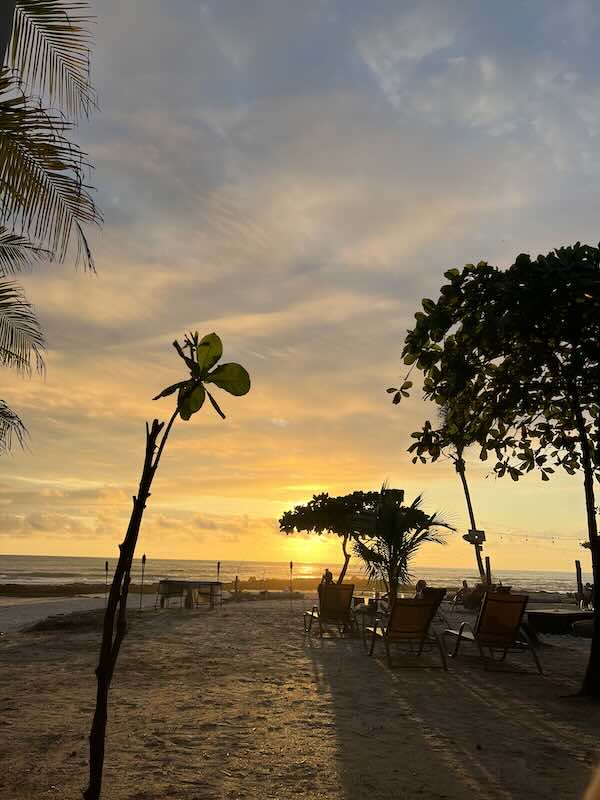
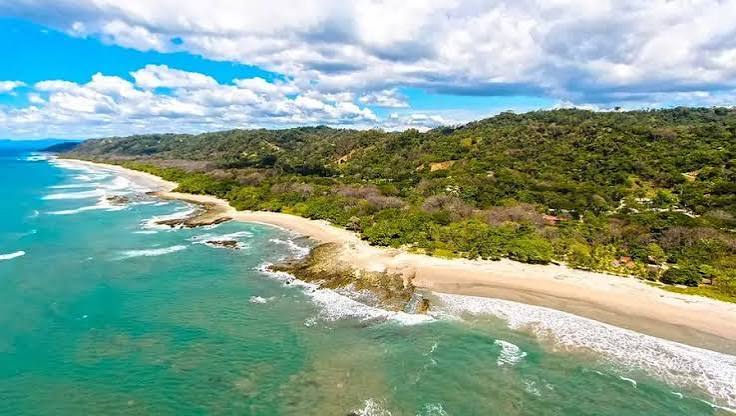
Santa Teresa has grown from a quiet surf village into one of Costa Rica’s most sought-after beach destinations. Known for world-class surfing, breathtaking sunsets, luxury boutique hotels, wellness retreats, and a laid-back atmosphere, it attracts travelers from around the world looking for a different side of Costa Rica.
Despite its popularity, getting to Santa Teresa requires more planning than visiting destinations such as Tamarindo or Manuel Antonio. Located on the southern tip of the Nicoya Peninsula, the town is separated from much of the country by mountains, rivers, and the Gulf of Nicoya. Fortunately, several transportation options make the journey straightforward once you understand the routes.
Whether you prefer driving a rental car, taking a shuttle, flying on a domestic airline, or traveling by public transportation, this guide explains everything you need to know before heading to Santa Teresa.
Where Is Santa Teresa?
Santa Teresa is located on the southwestern coast of the Nicoya Peninsula in Puntarenas Province.
Although many visitors refer to Santa Teresa as one town, the destination actually blends into neighboring communities including Playa Carmen, Mal País, and Playa Hermosa.
The region is famous for long Pacific beaches, consistent surf, tropical forests, boutique hotels, yoga studios, and a relaxed atmosphere that has become increasingly popular among surfers, wellness travelers, digital nomads, and families.
Because of its remote location, reaching Santa Teresa takes longer than the distance alone might suggest.
Which Airport Is Best for Santa Teresa?
International visitors usually arrive through one of Costa Rica’s two international airports.
Juan Santamaría International Airport (SJO)
San José is the most common gateway for travelers visiting Santa Teresa.
The airport offers the widest selection of international flights from North America and Europe, along with numerous rental car agencies, shuttle services, and domestic flight connections.
For most travelers, SJO provides the easiest starting point.
Daniel Oduber Quirós International Airport (LIR)
Liberia International Airport is another excellent option.
Although the drive from Liberia is longer than many first-time visitors expect, it avoids the ferry crossing required on some routes from San José.
Travelers combining Santa Teresa with destinations such as Tamarindo, Nosara, or the beaches of Guanacaste often choose Liberia.
Driving to Santa Teresa
Renting a car gives you the greatest flexibility.
Many travelers combine Santa Teresa with Montezuma, Cabo Blanco Nature Reserve, Nosara, or other destinations on the Nicoya Peninsula.
Driving also makes it much easier to explore nearby beaches once you arrive.
Depending on your starting point, there are two primary driving routes.
Driving from San José
The most popular route from San José combines highways with a ferry crossing across the Gulf of Nicoya.
Most travelers drive west toward Puntarenas before boarding the ferry.
Once across the gulf, the drive continues through Paquera, Cóbano, and finally Santa Teresa.
The entire journey generally takes between five and six hours, although ferry schedules and traffic can affect total travel time.
Many visitors enjoy the ferry because it provides beautiful views across the gulf while offering a relaxing break from driving.
Driving from Liberia
Travelers arriving through Liberia usually avoid the ferry.
Instead, they drive south through Guanacaste before crossing the Nicoya Peninsula toward Santa Teresa.
The trip typically takes between four and a half and five and a half hours.
Although longer in distance than many expect, the route remains straightforward and passes through several attractive rural communities.
Do You Need a 4×4?
A four-wheel-drive vehicle is recommended but not necessary.
During the dry season, many visitors comfortably reach Santa Teresa in standard rental cars.
However, if you plan to explore remote beaches, visit waterfalls, or travel during the rainy season, a 4×4 provides additional confidence.
Some accommodations are also located on steep or unpaved roads where extra ground clearance becomes useful.
Always ask your hotel about local road conditions before your arrival.
Taking a Domestic Flight
Flying is the fastest way to reduce travel time.
Domestic flights operate between San José and nearby airports on the Nicoya Peninsula.
After landing, travelers complete the remaining journey by taxi, rental car, or private transfer.
Although flying costs more than driving, it allows visitors with limited vacation time to maximize their stay on the beach.
This option is especially attractive for shorter trips. Check out the Experience Costa Rica Guide to Domestic Flights for a overview of getting around Costa Rica.
Shared Shuttle Services
Shared shuttles are one of the most popular transportation options.
Services operate between Santa Teresa and destinations including:
Passengers are collected from hotels or airports before continuing to Santa Teresa.
Because multiple stops are usually included, travel times may be slightly longer than driving yourself.
Shared shuttles work particularly well for solo travelers.
Private Transfers
Private transportation offers the most comfortable door-to-door experience.
Your driver collects you directly from the airport or hotel and takes you to Santa Teresa without additional passenger pickups.
Families and groups often find private transfers surprisingly cost-effective when the total price is shared.
Private transportation also allows flexibility for meal stops, sightseeing, or grocery shopping along the way.
Traveling by Public Bus
Budget-conscious travelers can reach Santa Teresa using Costa Rica’s public bus system.
The trip requires several connections and generally takes most of the day.
Although buses remain the least expensive option, they require more planning and considerably more travel time than driving or taking a shuttle.
Schedules occasionally change throughout the year, so checking current departure times before traveling is recommended.
Can You Visit Santa Teresa Without a Car?
Yes.
Many visitors spend their entire vacation without renting a vehicle.
Santa Teresa is surprisingly walkable in certain areas, particularly around Playa Carmen and the main commercial district.
Restaurants, cafés, surf shops, yoga studios, supermarkets, and beaches are often within walking distance.
Golf carts, bicycles, taxis, and ATVs provide additional transportation once you’re in town.
However, having a rental car makes it easier to explore Montezuma, Cabo Blanco Nature Reserve, Mal País, and nearby beaches.
Road Conditions
Road conditions have improved significantly in recent years.
Most highways leading toward the Nicoya Peninsula are paved.
Within Santa Teresa itself, some roads remain unpaved and can become dusty during the dry season or muddy after heavy rain.
Driving slowly is important because pedestrians, bicycles, motorcycles, and wildlife frequently share the roads.
Whenever possible, avoid arriving after dark if it’s your first visit.
Ferry Information
If you’re traveling from San José by car, the ferry across the Gulf of Nicoya can be one of the most enjoyable parts of the journey.
The crossing reduces driving distance while offering beautiful views of the surrounding coastline.
Travelers bringing rental cars should arrive early, especially during holidays or weekends, as vehicle space can fill quickly.
If you’re traveling without a car, passenger tickets are also available.
Always verify ferry schedules before departure, as weather and operational changes occasionally affect departures.
Best Time to Travel
Transportation is available throughout the year.
The dry season generally offers the easiest driving conditions and the most predictable travel times.
During the green season, afternoon rain may slow traffic, particularly on local roads.
Leaving early in the morning usually provides the smoothest journey regardless of the season.
Fuel, Groceries, and Supplies
Santa Teresa offers supermarkets, pharmacies, restaurants, ATMs, and other essential services.
Even so, travelers arriving late in the evening may prefer to purchase groceries before reaching town.
If you’re exploring more remote parts of the peninsula, keeping your fuel tank reasonably full is also a good idea.
Although services continue improving every year, distances between gas stations remain greater than in larger Costa Rican cities.
Tips for First-Time Visitors
Plan extra travel time rather than trying to arrive quickly.
The Nicoya Peninsula rewards slow travel, and rushing often makes the journey less enjoyable.
Download offline maps before leaving the airport.
If you’re driving yourself, avoid nighttime travel whenever possible.
Finally, remember that reaching Santa Teresa is part of the adventure.
The destination’s slightly remote location has helped preserve the relaxed atmosphere that continues attracting travelers from around the world.
Frequently Asked Questions
Which airport is closest to Santa Teresa?
Both San José (SJO) and Liberia (LIR) serve Santa Teresa well, although San José offers more transportation options.
How long does it take to drive from San José?
Most travelers should allow between five and six hours, including the ferry crossing.
Can I fly to Santa Teresa?
There is no commercial airport in Santa Teresa itself, but domestic flights operate to nearby airports where ground transportation is available.
Do I need a 4×4?
Not always, but it is recommended during the rainy season or if your accommodation is located on steeper or unpaved roads.
Is it possible to visit without renting a car?
Yes. Many visitors rely on shuttles, taxis, bicycles, and walking during their stay.
Final Thoughts
Getting to Santa Teresa requires a little more planning than some of Costa Rica’s better-known destinations, but that’s part of what makes it feel special.
Whether you choose to drive across the Nicoya Peninsula, take the scenic ferry from Puntarenas, book a shuttle, or fly domestically before completing the final stretch by road, every route leads to one of Costa Rica’s most beautiful beach communities.
Once you arrive, you’ll discover why so many travelers return to Santa Teresa for its world-class surf, stunning beaches, vibrant wellness culture, and relaxed Pacific lifestyle.
Related Posts
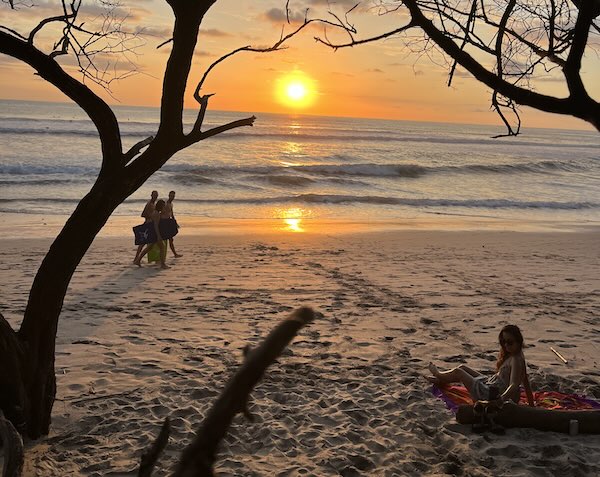
Best Beach Clubs to Watch the Sunset in Santa Teresa
There are sunsets… and then there are Santa Teresa sunsets.…