Montezuma vs Santa Teresa is a common choice for travelers planning a trip to Costa Rica’s southern Nicoya Peninsula. Both towns offer Pacific beaches, tropical scenery, and a relaxed coastal setting. However, they provide different experiences.
Montezuma is a compact town known for its waterfalls, coastal walks, and access to Cabo Blanco Absolute Natural Reserve. Santa Teresa, meanwhile, is an established surfing destination with long sandy beaches, surf schools, restaurants, and a growing wellness scene.
If surfing and beachside dining are your priorities, Santa Teresa is generally the stronger choice. However, if you prefer waterfalls, hiking, and a smaller town center, Montezuma may suit you better.
This comparison covers beaches, activities, accommodation, costs, transportation, and which destination works best for different travelers.
Montezuma vs Santa Teresa: Quick Comparison
| Category | Montezuma | Santa Teresa |
|---|---|---|
| Main appeal | Waterfalls, hiking, compact town | Surfing, sandy beaches, dining |
| Beaches | Small bays, sandy stretches, rocky areas | Longer sandy surf beaches |
| Surfing | Limited local options | Established surf schools and breaks |
| Nature | Waterfalls, Cabuya, Cabo Blanco | Coastal scenery, wildlife, excursions |
| Restaurants | Compact selection | Broader variety |
| Nightlife | Bars and occasional live music | More social venues and beach bars |
| Accommodation | Cabinas, boutique hotels, villas | Surf lodges, hotels, villas |
| Getting around | Walkable center | More spread-out |
| Budget | Options across price ranges | Options across price ranges |
| Best for | Nature-focused travelers | Surfers and beach-focused travelers |
Atmosphere and Town Character
Montezuma sits on the southeastern side of the Nicoya Peninsula. Its small center brings restaurants, shops, and accommodation within a relatively compact area.
As a result, visitors staying near the center can often walk to meals, nearby beaches, and the entrance area for the Montezuma Waterfalls hike.
However, Montezuma is not an undiscovered village. Tourism is an established part of the local economy, and its restaurants and bars can become lively during busy periods.
Santa Teresa stretches along the peninsula’s western coast. Development follows the main road through areas such as Playa Carmen and Santa Teresa, with Playa Hermosa farther north.
Consequently, restaurants, hotels, and surf schools are spread across a larger area. Some sections feel busy, while properties away from the main road can offer more privacy.
Santa Teresa also has a stronger surf-oriented social scene. Still, visitors can find quiet accommodation in either destination.
The practical difference is town layout: Montezuma has a more compact center, while Santa Teresa covers a longer coastal corridor.
Which Has Better Beaches?
Both destinations have attractive beaches, although their coastlines differ.
Beaches in Montezuma
Montezuma combines sandy beaches with rocky shoreline and forest-backed coastal paths.
Playa Montezuma lies close to town. Farther along the coast, visitors can explore Playa Piedra Colorada and Playa Grande, while Playa Las Manchas sits along the road toward Cabuya.
These beaches offer different scenery and conditions. Some are better suited to walking and photography, while others may provide swimming opportunities when the sea is calm.
However, rocks, waves, and currents can make certain sections hazardous. Therefore, check conditions locally before entering the water.
Beaches in Santa Teresa
Santa Teresa’s coastline is better suited to travelers seeking long sandy beaches and regular surf access.
Playa Carmen, Playa Santa Teresa, and Playa Hermosa are among the area’s best-known beaches.
Playa Carmen offers convenient access to restaurants and accommodation. Meanwhile, Playa Santa Teresa attracts surfers and beachgoers throughout the year.
Playa Hermosa, north of central Santa Teresa, provides another sandy setting. It should not be confused with Playa Hermosa in Guanacaste.
Nevertheless, strong surf and rip currents can occur along this coast. No beach should be considered safe for swimming at all times.
Which should you choose? Santa Teresa is generally better for long beach walks and surfing. Montezuma offers more varied coastal scenery and convenient access to nearby forest paths.
Which Is Better for Surfing?
For travelers planning to surf most days, Santa Teresa is the more practical base.
The area has established surf schools, board rentals, and accommodation designed around surfing. In addition, several beach breaks provide options for different experience levels.
Playa Carmen, Santa Teresa, and Playa Hermosa attract surfers, although suitable conditions depend on swell, tide, wind, and individual ability.
Beginners should arrange lessons with qualified instructors rather than assuming that smaller-looking waves are safe.
Experienced surfers will also find opportunities, but conditions and crowds vary.
Montezuma has surfing possibilities along the surrounding coastline. However, it does not offer the same concentration of surf schools and accessible beach breaks.
Therefore, travelers who want daily lessons or easy board rentals will generally find Santa Teresa more convenient.
If surfing is only one activity on your itinerary, Montezuma remains a reasonable base for exploring the peninsula.
Waterfalls, Hiking, and Wildlife
Montezuma has a practical advantage for travelers interested in waterfalls and nearby forest trails.
The Montezuma Waterfalls lie just outside town. The river forms three main cascades, although the different levels require different approaches.
The lower waterfall is commonly reached by a rocky riverbed trail. However, slippery terrain and changing water conditions require caution.
Swimming is not always advisable, particularly after heavy rainfall. Visitors should also avoid cliff jumping and exposed routes between waterfall levels.
Another major attraction is Cabo Blanco Absolute Natural Reserve.
Its public entrance is near Cabuya, south of Montezuma. The reserve protects coastal forest and offers designated hiking trails.
According to SINAC, visitors should check current opening days, entrance arrangements, and trail conditions before traveling.
Santa Teresa also provides opportunities to observe wildlife, enjoy coastal walks, and arrange nature excursions. Additionally, visitors can reach other southern peninsula attractions by road.
However, travelers who want to visit Montezuma Waterfalls and Cabo Blanco may find Montezuma a more convenient base.
Wildlife sightings are possible in both areas, but never guaranteed.
Restaurants and Nightlife
Santa Teresa generally offers a broader dining selection because its restaurants extend along a larger coastal area.
Visitors can find casual cafés, Costa Rican food, international restaurants, vegetarian options, and places serving coffee and breakfast.
The town also has beach bars and venues where travelers gather after surfing.
However, Santa Teresa is not exclusively an upscale dining destination. Casual and lower-cost options exist, although prices vary by location and restaurant.
Montezuma has a smaller dining area centered around town. Restaurants serve a mix of local and international food, while cafés and bars provide options throughout the day.
Evenings can include music and social activity, especially during busy travel periods.
Therefore, Montezuma should not be described as having no nightlife. Instead, the difference is the scale and distribution of venues.
Choose Santa Teresa for a broader restaurant selection. Choose Montezuma if you prefer having several dining options within a compact center.
Yoga and Wellness
Both destinations attract travelers interested in yoga, massage, and wellness activities.
Santa Teresa offers a substantial selection of yoga-oriented accommodation, retreats, and surf-and-wellness experiences.
As a result, visitors seeking a structured program may find more options to compare.
Montezuma also has a history of yoga and wellness tourism. Depending on the season, travelers can find classes, retreats, and accommodation emphasizing relaxation.
However, availability changes throughout the year. Therefore, check schedules and program details before booking either destination.
Neither town is automatically better for wellness. The right choice depends on the specific retreat, instructor, accommodation, and budget.
Where to Stay in Montezuma or Santa Teresa
Accommodation location can affect your trip as much as the destination itself.
Where to Stay in Montezuma
Staying near Montezuma’s center is convenient if you prefer walking to restaurants and nearby beaches.
Accommodation includes cabinas, small hotels, boutique properties, and vacation rentals.
However, some hillside hotels and villas sit beyond comfortable walking distance. These properties may require taxis or a rental car.
Before booking, check road access, parking, and the distance to town.
Where to Stay in Santa Teresa
Santa Teresa offers accommodation across several coastal areas.
Playa Carmen is useful for visitors who want access to restaurants, shops, and surf services.
Central Santa Teresa provides additional hotels, restaurants, and beach access. Farther north, Playa Hermosa appeals to travelers interested in a different beach setting.
Options range from surf lodges and modest rentals to boutique hotels and private villas.
However, not every property is beachfront or within easy walking distance of restaurants.
Because the town extends along a lengthy road, confirm the exact location before booking.
Which Town Is Cheaper?
Neither destination is consistently cheaper across every category.
Santa Teresa has a substantial high-end accommodation market. However, budget-oriented lodging and casual restaurants are also available.
Montezuma offers smaller hotels, cabinas, and vacation rentals, but desirable properties can still command high prices.
Furthermore, rates change with the season, holidays, location, and accommodation standards.
Transportation is another important consideration.
For example, a hotel outside Montezuma’s center may require regular taxi trips. Similarly, staying far from restaurants in Santa Teresa can increase transportation costs.
Surf lessons, guided excursions, and private transfers also affect the total budget.
For a fair comparison, calculate the combined cost of accommodation, meals, activities, and local transportation rather than comparing hotel rates alone.
How to Get to Montezuma and Santa Teresa
Both destinations require travel to the southern Nicoya Peninsula.
However, the best route depends on your arrival airport and transportation preference.
From San José Airport (SJO)
Travelers arriving at Juan Santamaría International Airport can drive toward Puntarenas and take the ferry across the Gulf of Nicoya to Paquera.
From Paquera, roads continue through the peninsula toward Cóbano, where routes branch toward Montezuma and Santa Teresa.
The ferry is operated by Naviera Tambor. Check departure schedules and vehicle reservations before traveling.
Driving around the Gulf is another option, although it generally involves a longer road journey.
Private transfers and shared transportation may also be available.
From Guanacaste Airport (LIR)
Guanacaste Airport, near Liberia, provides another international arrival option.
Travelers can drive south through the Nicoya Peninsula using the inland road network.
Unlike the common route from San José through Puntarenas, this journey does not normally require the ferry.
However, travel times depend on road conditions, traffic, and your exact destination.
Domestic Flights to Cóbano
Flying from San José to Cóbano Airport (ACO) can reduce time spent traveling by road.
Costa Rica Green Airways publishes service between SJO and Cóbano. Travelers can also check SANSA for current domestic flight options.
After landing, you will still need transportation to Montezuma or Santa Teresa.
Arrange a transfer or rental vehicle in advance, especially if your flight arrives late in the day.
Getting Around: Do You Need a Car?
Montezuma is generally easier to explore on foot if you stay near its center.
However, a vehicle is useful for visiting Cabuya, Cabo Blanco, and accommodation farther from town.
Santa Teresa’s extended layout makes transportation more important.
You may be able to walk between your hotel, the beach, and nearby restaurants. Nevertheless, reaching businesses in other sections of town can require a vehicle or taxi.
Road surfaces and conditions vary. Therefore, check with your accommodation before choosing a rental vehicle.
A 4×4 is not automatically necessary for every journey, although some remote properties may require additional ground clearance.
Which Is Better for Families?
Families can enjoy either destination, but the best choice depends on children’s ages and interests.
Montezuma offers waterfalls, coastal walks, and access to nature activities. However, the waterfall trails involve slippery rocks, and river pools are not always safe.
Likewise, Cabo Blanco hikes may be too demanding for younger children.
Santa Teresa provides surf lessons, beach activities, and a broader range of accommodation. Still, parents should not assume that its surf beaches are suitable for unsupervised swimming.
Families with younger children may prefer accommodation with a pool and convenient restaurant access.
Before booking, confirm transportation arrangements, room facilities, and the availability of age-appropriate activities.
Which Is Better for Couples and Solo Travelers?
Couples seeking forest scenery, waterfalls, and a compact coastal setting may prefer Montezuma.
However, Santa Teresa also offers private villas, boutique hotels, restaurants, and wellness experiences suited to couples.
For solo travelers, Santa Teresa’s surf schools and group activities can provide opportunities to meet other visitors.
Montezuma also attracts independent travelers, and its smaller center may make everyday activities easier without a vehicle.
Ultimately, accommodation style and planned activities matter more than broad assumptions about either town.
Can You Visit Both Montezuma and Santa Teresa?
Yes. The towns are approximately 22 kilometers apart by road, and the usual route passes through Cóbano.
Allow roughly 35–50 minutes of driving each way, depending on your starting point, road conditions, and traffic.
Consequently, a day trip is realistic for travelers with reliable transportation.
From Santa Teresa, you could visit Montezuma’s town center and waterfalls. Alternatively, travelers based in Montezuma could spend a day exploring Santa Teresa’s beaches and restaurants.
However, avoid trying to combine several demanding hikes, surf sessions, and long excursions in one day.
For a short vacation, staying in one town and visiting the other may be simpler than changing hotels.
Best Time to Visit
Both towns experience the southern Nicoya Peninsula’s tropical seasonal pattern.
The dry season generally runs from December through April. During this period, visitors can expect less rainfall overall, although sunny weather is never guaranteed.
Accommodation demand can also rise during major holidays.
The green season generally extends from May through November, bringing more frequent rainfall and greener vegetation.
However, heavy rain can affect waterfall trails, river conditions, and local roads.
Surf conditions vary throughout the year. Therefore, surfers should consider swell forecasts and skill level rather than choosing dates based only on the dry or green season.
Montezuma vs Santa Teresa: Which Should You Choose?
Choose Montezuma if waterfalls, hiking, coastal walks, and a compact town center are your priorities. It is particularly convenient for exploring the Montezuma River and visiting Cabuya.
Choose Santa Teresa if you plan to surf regularly, prefer long sandy beaches, or want a broader choice of restaurants and surf-oriented accommodation.
Consider visiting both if you have several days on the southern Nicoya Peninsula and can arrange transportation between them.
Frequently Asked Questions
Is Montezuma or Santa Teresa better?
Montezuma is generally better suited to waterfall and hiking-focused trips. Santa Teresa is usually more convenient for surfing, long sandy beaches, and a broader restaurant selection.
Is Montezuma cheaper than Santa Teresa?
Not necessarily. Both destinations offer accommodation across different price ranges. Your total cost depends on the season, property, meals, transportation, and activities.
Which has better beaches?
Santa Teresa offers longer sandy beaches and more established surfing areas. Montezuma has a more varied coastline with smaller beaches, rocky sections, and nearby forest trails.
How far is Montezuma from Santa Teresa?
The road distance is approximately 22 kilometers via Cóbano. The journey generally takes around 35–50 minutes by car, depending on conditions.
Can you visit both in one day?
Yes. A day trip is practical with suitable transportation. However, choose a few activities rather than attempting to see every attraction.
Do you need a rental car?
Not always. Montezuma’s center is relatively walkable, while Santa Teresa is more spread out. A rental car can make excursions and travel between the towns easier.
Final Recommendation
For a vacation centered on surfing, long beaches, restaurants, and a more extensive coastal tourism scene, Santa Teresa is generally the better base.
For travelers who want waterfalls, forest hikes, and a smaller town center, Montezuma offers a convenient alternative.
Both destinations provide access to the natural attractions of Costa Rica’s southern Nicoya Peninsula. Therefore, your decision should reflect how you plan to spend your days and whether you prefer walking around a compact town or exploring a longer beach community.
If your schedule allows, visiting both is a practical way to experience their different coastal settings without committing to two separate hotel stays.
Related Posts
Cabo Blanco Nature Reserve: Complete Visitor Guide
Cabo Blanco Nature Reserve protects forest and coastal ecosystems at the…
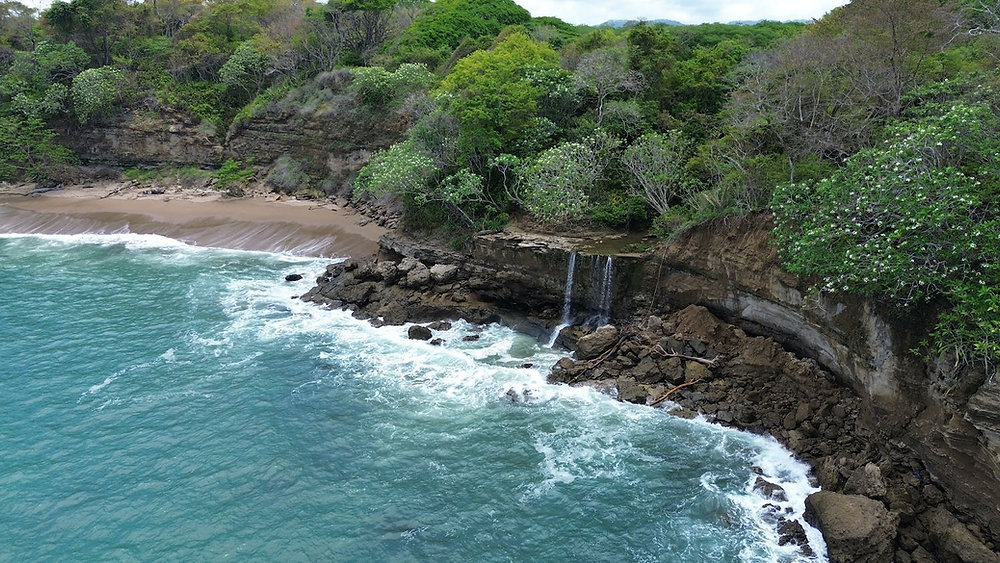
5 Days in Montezuma: Costa Rica Itinerary
Planning 5 days in Montezuma gives you time to explore waterfalls, hike…
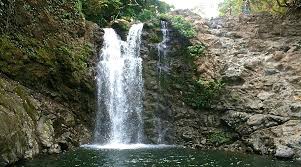
Montezuma Waterfall Costa Rica: Hiking and Visitor Guide
Montezuma Waterfall is a series of three cascades along the Río…