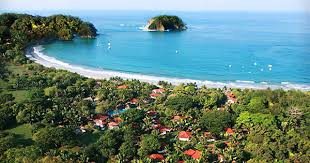
Sámara is often discovered as a vacation town — calm bay, walkable center, beginner surf — but for many travelers, a short stay turns into something longer. Located on Costa Rica’s Nicoya Peninsula in Guanacaste, Sámara offers a rare mix of beach accessibility, established infrastructure, and a laid-back international community.
For expats, remote workers, retirees, and seasonal residents, Sámara provides a softer landing than more remote surf towns, while remaining less commercial than major resort hubs.
For a full destination overview, see the main Sámara travel guide.
The Setting: Where You’d Be Living
Sámara sits about 2–2.5 hours from Daniel Oduber Quirós International Airport (LIR) in Liberia. The town stretches along a curved bay protected by Isla Chora, with most daily life centered around Playa Sámara and the small grid of streets just behind it.
Nearby Playa Carrillo, about 10 minutes south, offers a quieter, more residential feel. Inland, the town of Nicoya (about 45 minutes away) provides larger supermarkets, banks, medical services, and government offices.
Unlike some Nicoya Peninsula destinations, Sámara has paved access roads, reliable cell coverage, and established utilities — important factors for long-term living.
What Daily Life in Sámara Actually Feels Like
Life in Sámara moves at a beach-town pace.
Mornings are active — surf lessons, beach walks, yoga sessions. Midday slows down in the heat. Evenings bring sunset gatherings and casual dinners.
The community is a mix of Costa Rican families, European residents, North American retirees, seasonal expats, and long-term remote workers. English is widely spoken, though Spanish remains essential for integration and daily errands.
There is no large-scale nightlife scene. Social life revolves around restaurants, beach time, wellness activities, and small gatherings rather than clubs or late-night venues.
Where to Stay Long-Term in Sámara
For long-term visitors (one month or more), rentals are the most common choice.
Apartment-style accommodations such as Residencias Samara are often used for extended stays, offering kitchens and furnished units.
Private villa options, such as Villas Kalimba, attract families or small groups staying for several months.
Many expats eventually transition to locally managed long-term rentals found through local real estate offices or community networks. Prices vary significantly by season, proximity to the beach, and amenities.
Staying within walking distance of central Sámara is ideal for those without a car. Playa Carrillo works well for residents who value quiet and are comfortable driving into town.
Cost of Living in Sámara
Sámara is not the cheapest beach town in Costa Rica, but it remains more affordable than upscale destinations like Nosara.
Approximate monthly estimates for a modest but comfortable lifestyle:
• One-bedroom rental near town: $900–$1,500 (season dependent)
• Electricity (with AC use): $80–$200
• Internet: $40–$70
• Groceries (two adults): $400–$700
• Local dining: $10–$20 casual meals
Imported goods increase grocery bills. Shopping at larger supermarkets in Nicoya can be cheaper than at smaller beach-town markets.
Health insurance, visa status, and residency paperwork are separate considerations that should be carefully researched before a long-term relocation.
Internet and Remote Work
Sámara has reliable fiber internet in most central areas. Several hotels and cafés offer strong Wi-Fi, including places like Frog Café, which is popular among remote workers.
Power outages can occur during storms, but extended disruptions are uncommon compared to more remote areas of the peninsula.
For full-time remote work, confirm fiber availability before signing a lease.
Healthcare and Services
Sámara has basic medical clinics and pharmacies for routine needs. For more comprehensive care, residents typically travel to Nicoya or Liberia, where larger hospitals and specialists are located.
Banking services are available in Nicoya. ATMs are available in Sámara, but larger transactions may require a trip inland.
What Residents Do Beyond the Beach
Long-term life in Sámara isn’t just about vacation activities.
Many residents participate in:
Morning surf sessions with schools like Samara Surf School
Kayak outings to Isla Chora with operators such as Samara Adventures
Yoga classes at local studios
Community beach cleanups
Spanish language classes
The expat community often organizes small events, workshops, and social gatherings, especially during high season.
Transportation Considerations
Most long-term residents own or rent a vehicle. While central Sámara is walkable, having a car allows easier access to:
Playa Carrillo
Nicoya town
Nosara
Medical services in Liberia
Public buses connect Sámara to Nicoya and San José, but schedules are limited for daily commuting.
Seasonal Realities
The dry season (December–April) attracts more visitors and drives higher rental demand. It is also the most social time of year.
The rainy season (May–October) is greener and quieter. Some businesses close temporarily in September and October, and humidity rises.
Long-term residents often appreciate the slower rhythm of the green season, but newcomers should be prepared for occasional heavy rain and muddy roads in surrounding rural areas.
Who Thrives Living in Sámara
Sámara tends to suit:
Retirees seeking a walkable beach town
Remote workers want reliable infrastructure without major city intensity
Families desiring community and safe swimming conditions
Travelers planning seasonal stays
It may not suit:
Those seeking major nightlife or luxury resort amenities
Residents needing large-city medical infrastructure within minutes
People are uncomfortable with slower service or seasonal business fluctuations
Final Thoughts
Living in Sámara is less about constant activity and more about a sustainable rhythm. It offers the convenience of an established beach town without overwhelming scale. The balance between nature, community, and infrastructure makes it one of the Nicoya Peninsula’s most livable coastal towns.
For travelers considering an extended stay, starting with a one- to three-month rental is often the best way to test the waters before committing to a longer-term rental.
Related Posts
Surfing in Sámara, Costa Rica for Beginners
A Practical Guide to Learning in One of Guanacaste’s Safest…