A Complete Guide to Wildlife Safaris in Caño Negro Wildlife Refuge
If you’re staying in La Fortuna and looking for a wildlife experience beyond volcano views and waterfalls, a Caño Negro boat tour offers something entirely different: slow, immersive exploration of one of Costa Rica’s most important wetland ecosystems.
Unlike hiking-focused national parks, Caño Negro is explored primarily by boat — gliding quietly along the Río Frío while scanning riverbanks for caimans, monkeys, turtles, and dozens of bird species.
This guide explains what to expect on a Caño Negro boat tour, how the wetland ecosystem works, seasonal wildlife patterns, and whether it’s worth adding to your itinerary.
Overview: Where Is Caño Negro Wildlife Refuge?
Caño Negro Wildlife Refuge is located in northern Costa Rica, near the town of Los Chiles and the Nicaraguan border.
It sits:
- 1.5–2 hours from La Fortuna
- 2–2.5 hours from Liberia (LIR)
- 4+ hours from San José (SJO)
The refuge protects:
- Lago Caño Negro
- The Río Frío river system
- Seasonal floodplains and freshwater marshes
It is internationally recognized as a critical wetland habitat for migratory birds and aquatic wildlife.
What Makes Caño Negro Different?
Caño Negro is not a hiking destination.
It is a wetland river safari experience.
The ecosystem is defined by:
- Seasonal flooding
- Slow-moving freshwater channels
- Marsh vegetation
- Concentrated wildlife along water edges
Boat access allows visitors to reach areas that would otherwise be inaccessible.
What to Expect on a Caño Negro Boat Tour
Typical Day Tour from La Fortuna
Most travelers book a Caño Negro boat tour from La Fortuna, which usually includes:
- Early hotel pickup (around 7:00 AM)
- 1.5–2 hour drive to Los Chiles
- 2-hour guided boat safari
- Lunch at a countryside restaurant
- Afternoon return
Total time commitment: 6–8 hours.
For independent travelers staying near Los Chiles, boat tours can be arranged locally without the long transfer.
The Boat Experience
Boats are typically:
- Covered motorboats
- Small group (8–20 passengers)
- Guided by bilingual naturalists
The pace is slow and observational. Engines idle quietly while guides scan riverbanks and point out wildlife.
Expect:
- Minimal walking
- Seated viewing
- Open-air exposure to the sun and wind
Wetland Ecosystem Basics
Caño Negro’s biodiversity depends on seasonal water fluctuations.
Dry Season (December–April)
- Lower water levels
- Wildlife concentrated along narrow channels.
- Easier spotting of reptiles and mammals
Many consider this the best time for visible wildlife density.
Rainy Season (May–November)
- Expanded wetlands
- Water spreads into floodplains.
- Bird migration peaks
- Lush green scenery
Wildlife disperses over a wider area, but bird diversity increases.
Understanding this rhythm helps set expectations.
Best Wildlife Spotting Opportunities
A Caño Negro boat tour is particularly strong for:
Reptiles
- Spectacled caimans
- Iguanas
- Basilisk lizards (“Jesus Christ lizards”)
- River turtles
Caimans are especially common during the dry season.
Mammals
- Howler monkeys
- White-faced capuchin monkeys
- Occasionally sloths
Mammal sightings depend on luck and timing but are common.
Birdwatching
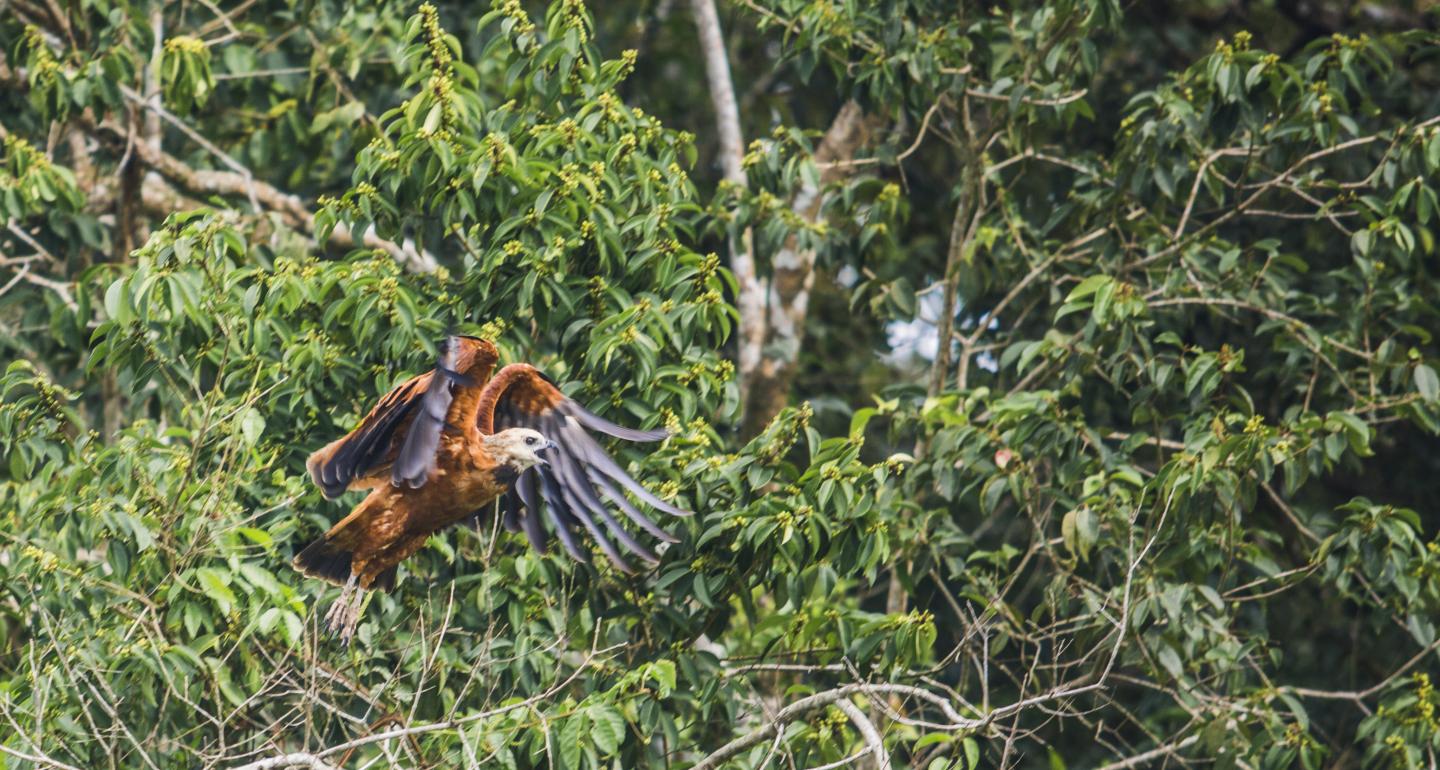
Caño Negro is one of Costa Rica’s premier birding sites.
Possible species include:
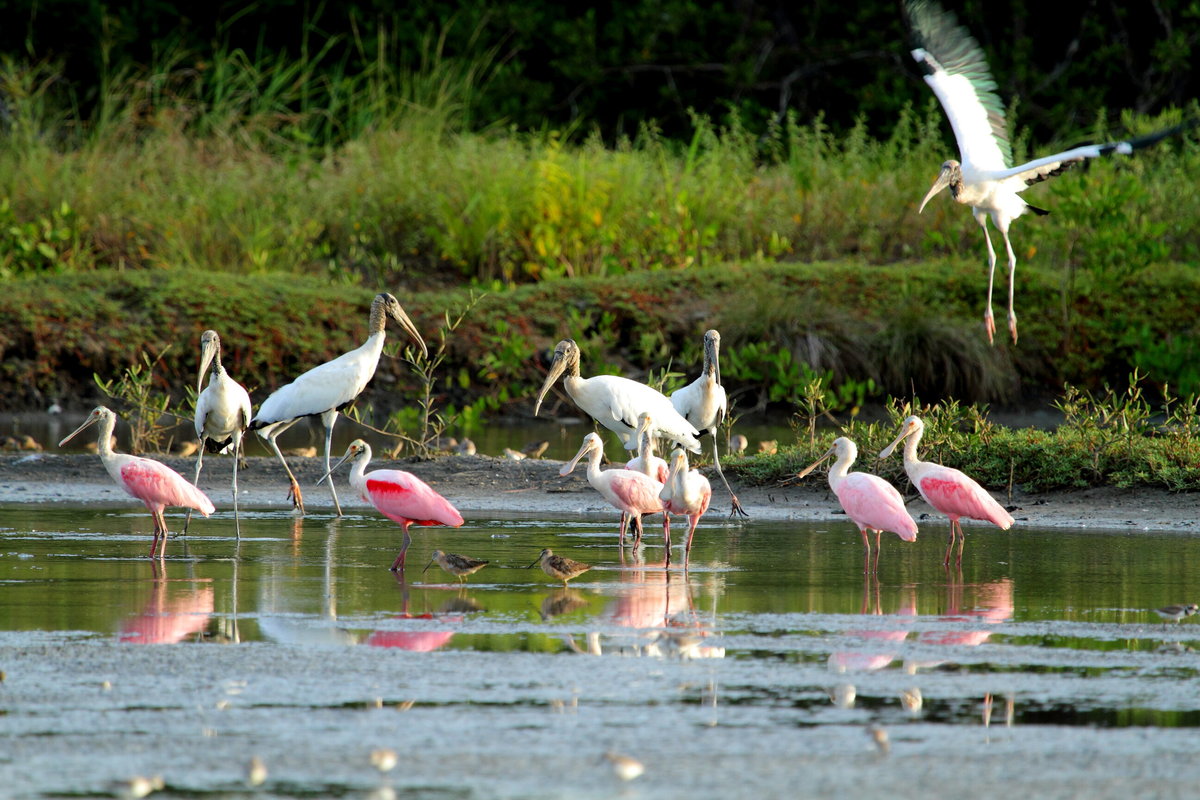
- Roseate spoonbills
- Anhingas
- Herons and egrets
- Kingfishers
- Ospreys
- Jabiru stork (rare and highly sought-after)
Birdwatchers should bring binoculars.
For more detailed birding insights, see our guide to Birdwatching in Caño Negro.
Where to Stay Near Caño Negro
Most travelers visit as day-trippers, but staying near the refuge offers advantages.
Eco-Lodges Near Los Chiles
Small jungle lodges offer:
- Early departure boat access
- Quieter experience
- Wildlife sightings from the property
Ideal for photographers and serious birders.
Rural Guesthouses
Simple countryside accommodations provide:
- Authentic agricultural surroundings
- Peaceful evenings
- Lower tourist density
Staying overnight reduces travel time and increases the number of wildlife-viewing opportunities.
Seasonal Water Level Considerations
Dry Season
Pros:
- Concentrated wildlife
- Easier animal spotting
- Stable weather
Cons:
- Hotter temperatures
Rainy Season
Pros:
- Migratory birds
- More dramatic landscape
- Fewer tourists
Cons:
- Wildlife more dispersed
- Afternoon rain common
For timing recommendations, see our full Best Time to Visit Caño Negro Wildlife Refuge guide.
What to Bring
- Lightweight long sleeves
- Sunscreen
- Insect repellent
- Hat and sunglasses
- Binoculars
- Telephoto lens (for photographers)
- Water bottle
Boats are shaded but still exposed to the elements.
Who Is a Caño Negro Boat Tour Best For?
Baby Boomers
Minimal physical exertion, comfortable seating, strong wildlife payoff.
Families
Engaging school-age children interested in animals.
Birdwatchers
One of the top accessible wetland birding locations in northern Costa Rica.
Wildlife Photographers
Close-range sightings from stable boats create excellent photography opportunities.
Who Might Skip It?
Travelers focused primarily on:
- Adventure sports
- Hiking-heavy itineraries
- Scenic mountain landscapes
may find Caño Negro slower-paced than Arenal activities.
Responsible Wildlife Viewing
Caño Negro is a fragile ecosystem.
Visitors should:
- Remain seated in boats.
- Avoid loud noise
- Never feed wildlife
- Respect the guide’s instructions.
Conservation-first practices ensure long-term protection of the wetlands.
Final Verdict: Is a Caño Negro Boat Tour Worth It?
If your Costa Rica itinerary already includes volcanoes and waterfalls, a Caño Negro boat safari adds balance.
It offers:
- Slower pace
- Rich biodiversity
- Strong birdlife concentration
- Accessible wildlife viewing without strenuous hiking
For many travelers, especially those seeking variety beyond Arenal’s adventure activities, a Caño Negro boat tour from La Fortuna becomes an unexpectedly memorable highlight.
Less adrenaline.
More observation.
And often, more animals than you anticipated.
Related Posts
Is Caño Negro Worth Visiting?
An Honest Wildlife Guide to Costa Rica’s Northern Wetlands When…
Caño Negro vs Tortuguero: Which Wildlife Destination Is Better?
Costa Rica is famous for wildlife, but not all wildlife…
Birdwatching in Caño Negro Wildlife Refuge
A Complete Guide to One of Costa Rica’s Premier Wetland…