The Ultimate Guide to Caño Negro Wetlands & Wildlife Tours from La Fortuna
If Arenal Volcano delivers dramatic landscapes and Río Celeste offers surreal color, Caño Negro Wildlife Refugeprovides something quieter — and in many ways more powerful: raw, unscripted wildlife in one of Costa Rica’s most important wetland ecosystems.
Located near the Nicaraguan border in northern Costa Rica, Caño Negro is often described as one of the country’s best birdwatching destinations. But it is more than that. It is a living floodplain shaped by seasonal rhythms, home to migratory birds, caimans, monkeys, river turtles, and countless aquatic species.
This pillar guide covers everything you need to know about visiting Caño Negro Wildlife Refuge, including boat tours from La Fortuna, details on the ecosystem, where to stay, seasonal wildlife differences, and how to visit responsibly.
Overview: What Is Caño Negro Wildlife Refuge?
Caño Negro Wildlife Refuge is a protected wetland located near the town of Los Chiles, about:
- 1.5–2 hours from La Fortuna
- 2–2.5 hours from Liberia (LIR)
- 4+ hours from San José (SJO)
The refuge protects:
- Seasonal floodplains
- Lago Caño Negro
- Río Frío river system
- Freshwater marshes and lagoons
It is internationally recognized as one of the most biologically important wetlands in Central America.
Unlike rainforest parks with hiking trails, Caño Negro is primarily explored by slow-moving boat tours, making it accessible to a wide range of travelers.
Protected Status & Ecosystem Basics
Caño Negro was declared a wildlife refuge in 1984 to protect its wetlands and migratory bird populations.
Why It Matters Ecologically
The refuge functions as:
- A breeding ground for aquatic birds
- A migration stopover for North American species
- A habitat for reptiles and river mammals
- A key freshwater ecosystem in northern Costa Rica
It is part of an international wetland conservation network due to its ecological importance.
Seasonal Flooding Patterns: The Key to Understanding Caño Negro
Caño Negro’s landscape changes dramatically between seasons.
Rainy Season (May–November)
- Wetlands flood
- Water levels rise
- Birds disperse across expanded habitat.
- Lush, green scenery
Boat tours travel deeper into flooded zones.
Dry Season (December–April)
- Water levels drop
- Wildlife concentrates near the remaining channels.
- Easier animal spotting
- Higher visibility of reptiles and mammals
For many wildlife photographers and birders, the dry season offers more predictable sightings.
For detailed timing strategies, see our full guide:
Best Time to Visit Caño Negro Wildlife Refuge
How to Get to Caño Negro
International Arrival
Most visitors arrive via:
- San José International Airport (SJO)
- Liberia International Airport (LIR)
Liberia is generally closer if combining with Guanacaste beaches.
Caño Negro Boat Tour from La Fortuna
The most popular option is a guided boat tour from La Fortuna.
Typical logistics:
- Early hotel pickup (around 7:00 AM)
- 1.5–2 hour drive to Los Chiles
- 2-hour boat safari
- Lunch included
- Return mid-afternoon
This structured format is ideal for families, baby boomers, and travelers without rental cars.
For detailed breakdowns, see:
How to Get to Caño Negro from La Fortuna
Self-Drive Option
Independent travelers can drive to Los Chiles and take a local boat tour.
Roads are mostly paved but rural in sections.
Where to Stay Near Caño Negro
Most travelers visit as a day trip from La Fortuna, but staying near Los Chiles offers a quieter and more immersive experience.
Eco-Lodges Near Los Chiles
Small, nature-focused properties provide:
- Direct river access
- Early morning boat departures
- Birdwatching from the grounds
Ideal for wildlife photographers and serious birders.
Rural Guesthouses
Family-run stays offer:
- Simple accommodations
- Agricultural setting
- Authentic countryside atmosphere
Where to Eat Near Caño Negro
Dining options are simple but authentic.
Expect:
- Small sodas serving casados
- Fresh fish dishes
- Traditional Costa Rican rice and beans
Most guided tours include lunch at a countryside restaurant.
What to Do in Caño Negro
The primary activity is a Caño Negro boat safari, but the experience varies depending on interest.
Boat Tours on Río Frío
The core experience.
Expect to see:
- Caimans
- Basilisk lizards
- River turtles
- Howler monkeys
- White-faced capuchin monkeys
- Iguanas
Boats move slowly, allowing for detailed wildlife observation.
Birdwatching in Caño Negro
The refuge is considered one of Costa Rica’s premier birding destinations.
Possible sightings include:
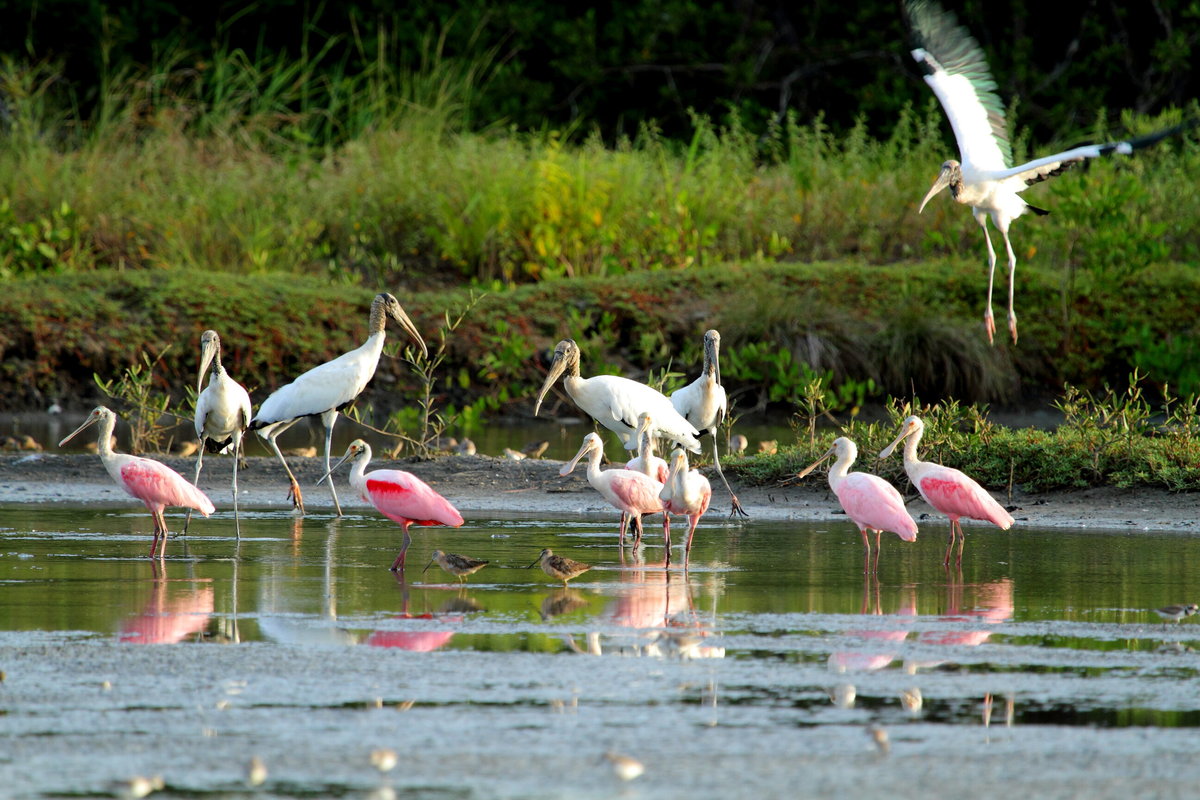
- Roseate spoonbills
- Jabiru storks (rare but iconic)
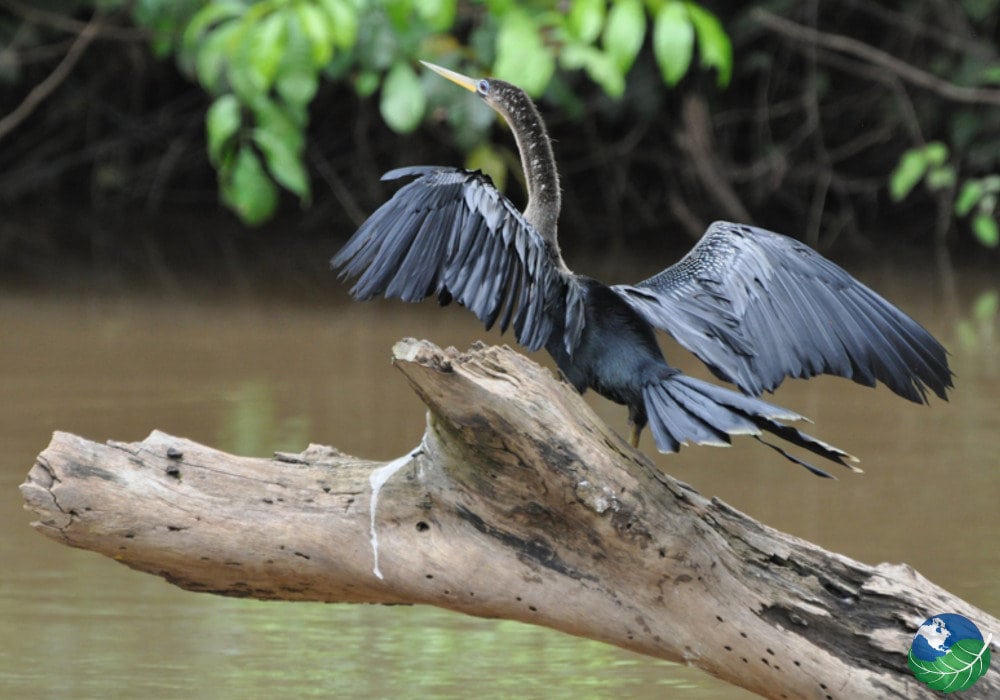
- Anhingas
- Herons and egrets
- Kingfishers
- Ospreys
For serious birders, see:
Birdwatching in Caño Negro
Wildlife Photography
The slow pace and close-range river sightings make Caño Negro ideal for telephoto photography.
For detailed gear and timing tips, see:
Wildlife Photography in Caño Negro
Caño Negro vs Other Wildlife Destinations
Travelers often compare:
- Caño Negro vs Tortuguero
Caño Negro is:
- Less crowded
- More compact
- Easier as a day trip from Arenal
Tortuguero offers:
- Larger canal network
- Multi-day immersive experience
For comparisons, see:
Caño Negro vs Tortuguero
How to Visit Caño Negro Responsibly
Because Caño Negro is a fragile wetland ecosystem:
- Access is primarily via licensed boat operators.
- Wildlife should never be fed or approached.
- Stay seated during boat tours.
- Avoid loud noises.
- Use eco-friendly sunscreen and insect repellent.
Guided tours help ensure compliance with conservation rules.
Pace & Experience of Visiting Caño Negro
Caño Negro is not adrenaline-driven.
It is:
- Slow
- Observational
- Quiet
- Educational
There are no ziplines or hot springs here. The reward comes from patience — scanning riverbanks, watching a caiman surface, listening to distant howler calls.
It pairs well with more active days in Arenal.
When to Visit Caño Negro
Dry Season (December–April)
- Concentrated wildlife
- Easier spotting
- Hotter temperatures
Often considered the best season for wildlife visibility.
Rainy Season (May–November)
- More water
- Greener scenery
- Bird migrations
September–October brings heavier rainfall but also peak migratory bird presence.
Things to Be Cautious Of
- Insects (bring repellent)
- Strong sun exposure on boats
- Heat and humidity
- Mud near riverbanks
- Seasonal flooding
Wear lightweight long sleeves and stay hydrated.
Is Caño Negro Worth Visiting?
If you’re interested in:
- Wildlife viewing
- Birdwatching
- River ecosystems
- Photography
- Slower, immersive experiences
Then yes — especially as a Caño Negro boat tour from La Fortuna.
For travelers prioritizing dramatic scenery or adventure sports, it may feel too quiet.
For those seeking authentic wetland wildlife without heavy crowds, it is one of northern Costa Rica’s most rewarding excursions.
Why Caño Negro Deserves a Place in Your Itinerary
Costa Rica is known for volcanoes and beaches. But wetlands like Caño Negro are equally vital to their ecological identity.
Where Arenal showcases geological power, and Río Celeste reveals chemical wonder, Caño Negro reveals life — layered, subtle, and abundant.
Plan early departures. Bring binoculars. Move slowly.
And let the wetlands show you a different side of Costa Rica — one shaped not by fire, but by water.
Related Posts
Caño Negro vs Tortuguero: Which Wildlife Destination Is Better?
Costa Rica is famous for wildlife, but not all wildlife…
Birdwatching in Caño Negro Wildlife Refuge
A Complete Guide to One of Costa Rica’s Premier Wetland…
Caño Negro for Serious Birdwatchers: What Makes It Special
A Deep Dive into One of Costa Rica’s Most Important…