An Honest Wildlife Guide to Costa Rica’s Northern Wetlands
When most travelers picture Costa Rica, they imagine volcanoes, waterfalls, cloud forests, and beaches. Fewer think of wetlands near the Nicaraguan border.
And yet, Caño Negro Wildlife Refuge is one of the most biologically important ecosystems in the country.
So the real question is:
Is Caño Negro worth visiting — especially if you’re already exploring Arenal or La Fortuna?
The honest answer:
Yes — for the right traveler, with the right expectations.
This guide breaks down what makes Caño Negro unique, where it fits in a Costa Rica itinerary, and who will appreciate it most.
Overview: What Is Caño Negro?
Caño Negro Wildlife Refuge is located near Los Chiles, in northern Costa Rica.
It sits:
- 1.5–2 hours from La Fortuna
- 2–2.5 hours from Liberia
- About 4 hours from San José
The refuge protects:
- Lago Caño Negro
- The Río Frío river system
- Seasonal floodplains and freshwater marshes
Unlike hiking-heavy national parks, Caño Negro is primarily explored by boat, drifting quietly along wildlife-rich waterways.
It feels rural, agricultural, and less developed than Costa Rica’s better-known parks.
What Makes Caño Negro Unique?
1. It’s a True Wetland Ecosystem
Most visitors to Costa Rica spend time in the rainforest or coastal zones. Caño Negro protects inland freshwater wetlands — a completely different ecological environment.
Wetlands are biodiversity engines. They support:
- Migratory birds
- Reptiles
- Aquatic mammals
- Dense riverbank vegetation
The seasonal flooding cycle reshapes the landscape throughout the year.
2. Wildlife Comes to You
In Caño Negro, you don’t hike to find wildlife.
You sit in a covered boat while a naturalist guide navigates slowly along the Río Frío.
Because animals gather along water edges, sightings are often:
- Close
- Unobstructed
- Extended in duration
For many travelers, this produces more consistent wildlife encounters than forest hikes.
3. It’s Less Crowded Than Other Wildlife Destinations
Compared to Tortuguero or Manuel Antonio, Caño Negro sees fewer visitors.
The atmosphere feels:
- Quieter
- Slower
- Less commercial
For travelers seeking a more understated wildlife experience, that can be a major advantage.
What Wildlife Can You Expect?
Common sightings include:
- Spectacled caimans
- Iguanas
- Basilisk lizards
- River turtles
- Howler monkeys
- White-faced capuchins
Birdlife is particularly strong, including:
- Anhingas
- Herons and egrets
- Kingfishers
- Roseate spoonbills
- Ospreys
- Occasionally jabiru storks
Dry season often offers the most concentrated sightings.
Expectations vs Reality
Understanding what Caño Negro is — and what it isn’t — is key.
Expectation: It’s Dramatic Like Arenal Volcano
Reality: It’s subtle and observational.
The landscape is flat and marshy. The drama comes from wildlife behavior, not towering scenery.
Expectation: It’s a Fast-Paced Adventure
Reality: It’s slow.
Boats glide quietly. Guides scan the riverbanks. Patience is rewarded.
Expectation: Wildlife Is Guaranteed
Reality: Wildlife is likely, but nature is never guaranteed.
Experienced guides significantly improve the chances of strong sightings.
Where to Stay Near Caño Negro
Most visitors experience Caño Negro as a day trip from La Fortuna.
However, staying near Los Chiles offers advantages.
Eco-Lodges & Jungle Stays
Small properties near the refuge provide:
- Early morning boat departures
- Birdwatching from the grounds
- Quieter surroundings
- More immersive atmosphere
This is ideal for photographers and dedicated birders.
Staying in La Fortuna
Pros:
- Larger hotel selection
- More dining options
- Easy integration into the Arenal itinerary
Cons:
- 3–4 hours total driving round trip
For most travelers, La Fortuna remains the practical base.
What to Combine with a Caño Negro Visit
Caño Negro pairs especially well with:
- Arenal Volcano National Park
- Lake Arenal scenic drives
- Río Celeste
- Hot springs experiences
It adds ecological diversity to an Arenal-focused trip.
If your itinerary includes beaches, Caño Negro also contrasts nicely with coastal environments.
Who Is Caño Negro Best Suited For?
Birdwatchers
One of the best wetland birding locations in northern Costa Rica.
Wildlife Photographers
Stable boat platforms and close riverbank sightings make for excellent telephoto opportunities.
Baby Boomers
Minimal hiking required. Comfortable, seated experience.
Families with Nature-Oriented Kids
Accessible wildlife viewing without strenuous physical effort.
Who Might Skip It?
Caño Negro may not be ideal if you:
- Prefer dramatic scenery over wildlife.
- Want adrenaline activities
- Dislike long drives
- Have very limited time in La Fortuna
If you only have 2 nights in Arenal, you may prefer to focus on volcano hiking and waterfalls instead.
Seasonal Considerations
Dry Season (December–April)
- Lower water levels
- Wildlife concentrated
- Easier sightings
Often considered the most predictable time.
Rainy Season (May–November)
- Expanded wetlands
- Increased migratory birds
- Lusher scenery
- Afternoon rain common
September and October bring heavier rainfall but also strong bird diversity.
Final Verdict: Is Caño Negro Worth Visiting?
If you are seeking:
- High-density wildlife viewing
- Birdwatching opportunities
- A slower, nature-focused excursion
- A break from hiking-heavy days
Then yes — Caño Negro is worth visiting.
If you expect:
- Iconic postcard scenery
- Swimming or adventure activities
- Short, easy access
It may feel understated.
Caño Negro is not about spectacle. It’s about observation.
It rewards patience. It favors quiet curiosity. It complements volcanoes and waterfalls with something softer — and for many travelers, unexpectedly memorable.
For those who value biodiversity over drama, Caño Negro is one of northern Costa Rica’s most rewarding hidden highlights.
Related Posts
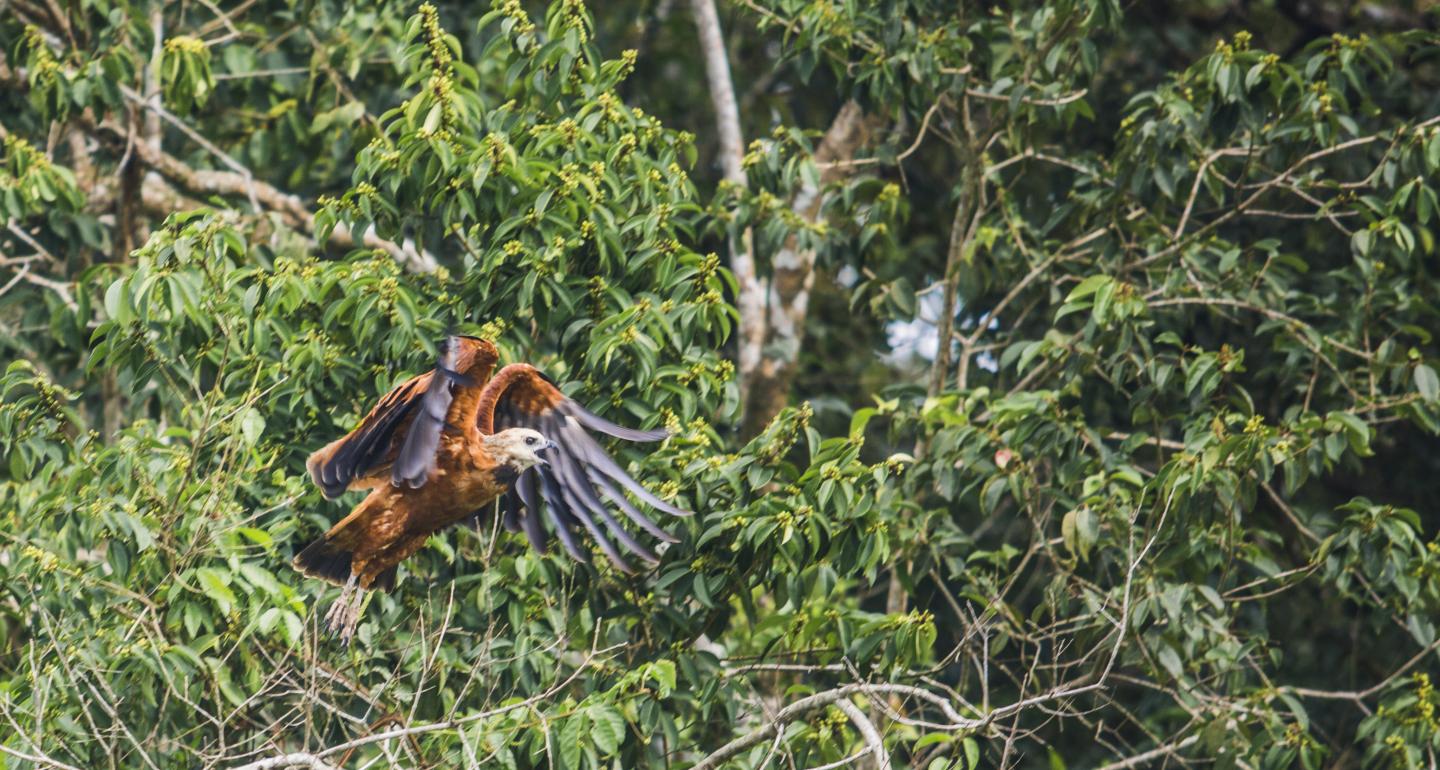
Birdwatching in Caño Negro Wildlife Refuge
A Complete Guide to One of Costa Rica’s Premier Wetland…
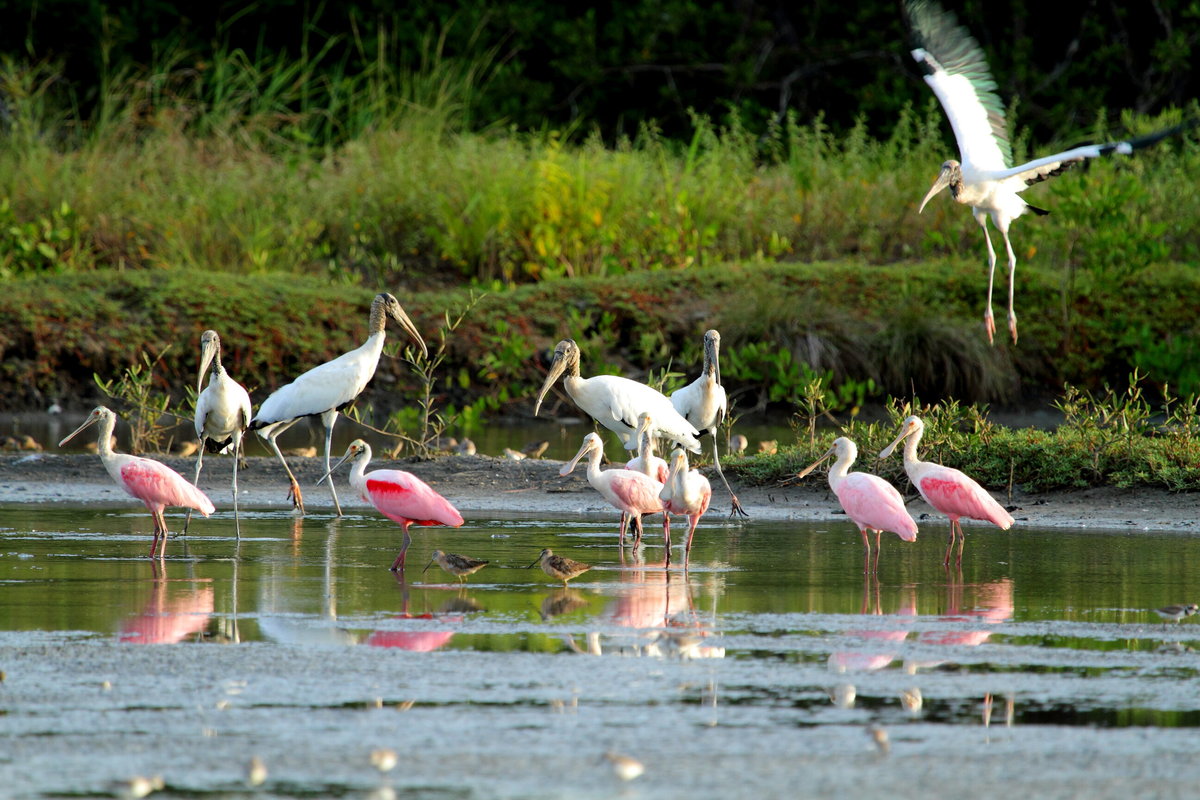
Caño Negro vs Tortuguero: Which Wildlife Destination Is Better?
Costa Rica is famous for wildlife, but not all wildlife…
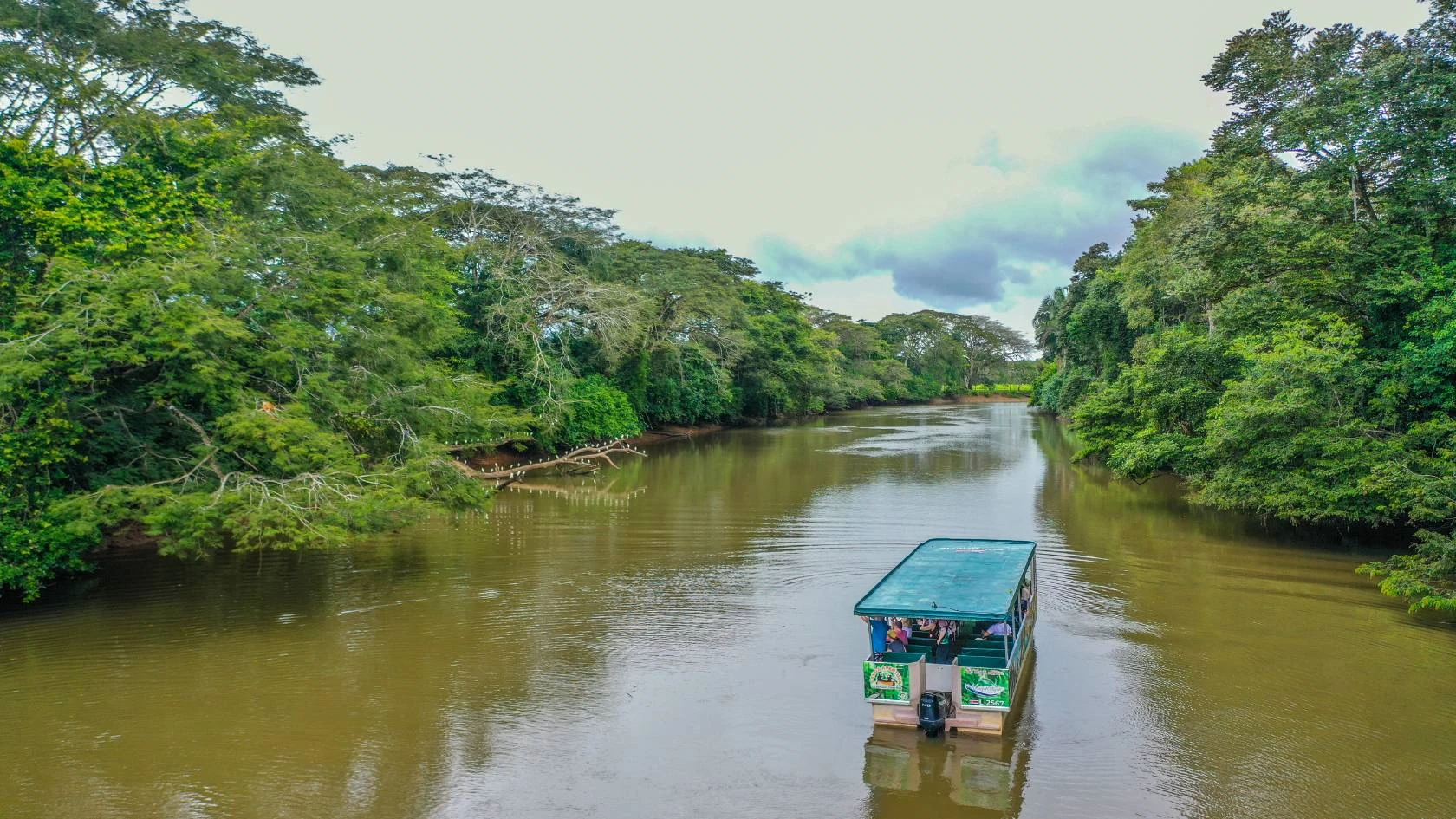
Caño Negro Boat Tour Guide: What to Expect
A Complete Guide to Wildlife Safaris in Caño Negro Wildlife…