A Practical Transportation Guide to Tenorio Volcano National Park
Tucked inside Tenorio Volcano National Park, Río Celeste feels remote — and that’s part of its appeal. But reaching this electric-blue river requires thoughtful planning, especially if you’re coming from La Fortuna (Arenal Volcano) or the beaches of Guanacaste.
Road conditions, seasonal rainfall, and limited public transport mean logistics matter here more than in other parts of Costa Rica.
This guide explains how to get to Río Celeste from La Fortuna or Guanacaste, including driving routes, shuttle options, estimated travel times, and seasonal road conditions.
Overview: Where Is Río Celeste?
Río Celeste is located near the rural community of Bijagua, in northern Costa Rica.
It sits:
- About 1–1.5 hours from La Fortuna
- About 1.5–2.5 hours from Guanacaste beaches (depending on location)
- Roughly 1.5 hours from Liberia International Airport (LIR)
- About 3.5–4 hours from San José International Airport (SJO)
The park entrance is accessed via secondary rural roads off Costa Rica’s main highways.
Rural Road Access: What to Expect
The final stretch to Tenorio Volcano National Park includes:
- Narrow two-lane paved highways.
- Occasional potholes
- Winding mountain roads
- Short rural access roads near the park entrance
During the dry season, most standard vehicles can comfortably handle the drive.
During the rainy season, sections may have:
- Muddy shoulders
- Water runoff
- Limited visibility due to fog or rain
A 4×4 vehicle is not strictly required in dry conditions, but higher clearance is helpful year-round.
How to Get to Río Celeste from La Fortuna
Driving from La Fortuna
Distance: Approx. 75–85 km
Travel Time: 1–1.5 hours
Typical route:
- Take Route 142 around Lake Arenal
- Connect toward Bijagua
- Follow the signage to Tenorio Volcano National Park.
This is the most convenient and flexible option.
Pros:
- Freedom to arrive early (best for river color)
- Easy return timing
- Ability to stop for photos along Lake Arenal
Cons:
- Requires comfort with rural driving
- Navigation apps may occasionally reroute incorrectly — follow official park signage.
Leaving La Fortuna by 7:00 AM is recommended for both lighter traffic and clearer weather.
Shuttle & Tour Options from La Fortuna
Many operators offer:
- Guided day tours
- Hotel pickup
- Transportation + park entry + guide
Travel time: 1.5–2 hours, including pickups
Pros:
- No driving stress
- Educational naturalist guide included
- Structured itinerary
Cons:
- Less flexibility
- Fixed return times
- Slightly higher cost than self-drive
This is ideal for families, baby boomers, and travelers preferring structured logistics.
How to Get to Río Celeste from Guanacaste
Guanacaste spans a wide coastal area, so travel times vary.
From Liberia
Distance: Approx. 70–80 km
Travel Time: 1.5 hours
Liberia is the closest major city and airport (LIR).
Driving from Liberia is straightforward on paved highways, then onto secondary roads near Bijagua.
From Tamarindo
Travel Time: 2–2.5 hours
Expect:
- Highway driving
- Inland elevation gain
- Winding final approach
An early departure is essential to make the most of your time in the park.
From Playa Hermosa / Playa del Coco
Travel Time: 1.5–2 hours
These are among the most convenient beach bases for combining Guanacaste with Río Celeste.
Shuttle Options from Guanacaste
Shared shuttles are less common from beach towns.
Private transfers are available, but day trips can be costly.
Many travelers choose to:
- Rent a car
- Stay one night in Bijagua.
- Continue onward to La Fortuna.
This creates a smoother itinerary without backtracking.
Driving vs Shuttle: Which Is Better?
Rental Car Best For:
- Independent travelers
- Photographers wanting flexibility
- Travelers combining multiple destinations
- Early morning arrivals
Shuttle or Guided Tour Best For:
- Families with children
- Travelers are uncomfortable with rural roads.
- Visitors seeking interpretive guides
- Short stays in La Fortuna
For US and EU travelers unfamiliar with tropical road conditions, guided tours reduce stress and add context.
Seasonal Road Considerations
Costa Rica has two primary seasons:
Dry Season (December–April)
- Best driving conditions
- Lower risk of road washouts
- More predictable travel times
- Higher visitor numbers
Ideal for self-driving.
Green Season (May–November)
- Afternoon rain common
- Potholes worsen
- Occasional fog in higher elevations
- Mud on rural access roads
September and October are typically the wettest months. Always allow extra travel time during the rainy season.
Safety & Travel Tips
- Leave early (before 7:00 AM).
- Download offline maps (signal can drop).
- Fill fuel before leaving larger towns.
- Avoid night driving in rural areas if unfamiliar with conditions.
- Monitor weather forecasts — heavy rain can impact river clarity and road safety.
Costa Rica’s roads are generally safe but require attentive driving.
Combining Río Celeste with La Fortuna or Guanacaste
Many travelers structure their itinerary like this:
Opción 1: La Fortuna → Río Celeste → Guanacaste
Scenic inland transition from volcano to beach.
Opción 2: Guanacaste → Río Celeste → La Fortuna
Nature break between beach relaxation and volcano adventure.
Option 3: Day Trip from La Fortuna
Early departure, afternoon return for hot springs.
Each works well depending on your travel style and pace.
Is Río Celeste Worth the Extra Drive?
Yes — if:
- You value unique geological phenomena.
- You enjoy rainforest hiking.
- You’re traveling during favorable weather conditions.
Río Celeste is more rural and less developed than La Fortuna, which is precisely why it feels special.
Plan early departures. Drive cautiously in the green season. Build flexibility into your schedule.
And when you arrive at Los Teñideros and watch two clear rivers turn electric blue, the logistics will feel entirely worth it.
Related Posts
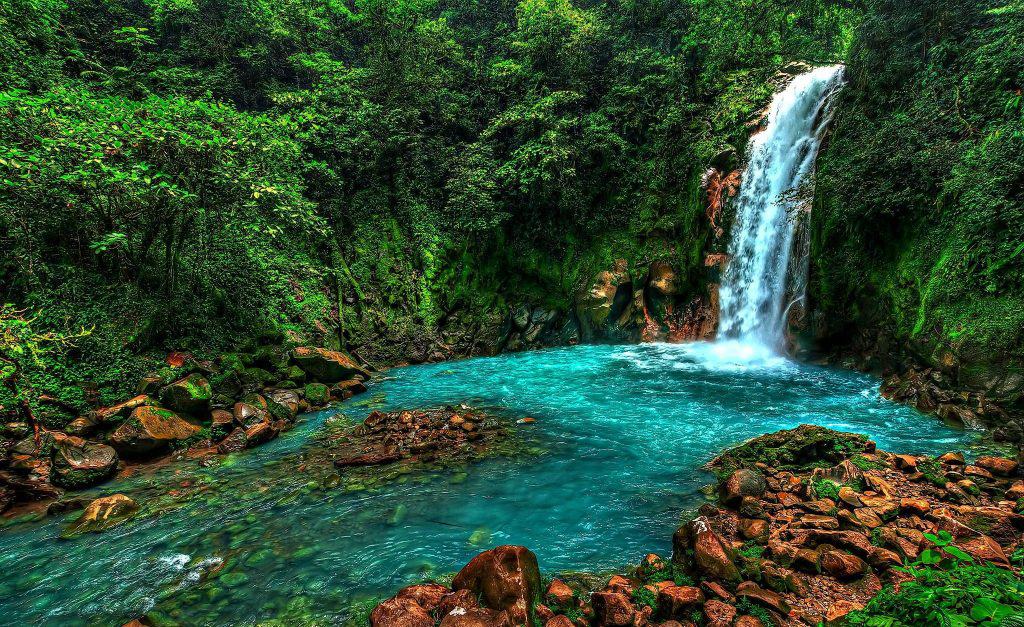
Río Celeste vs La Fortuna Waterfall: Which Should You Visit?
If you’re planning time in northern Costa Rica, you’ll likely…
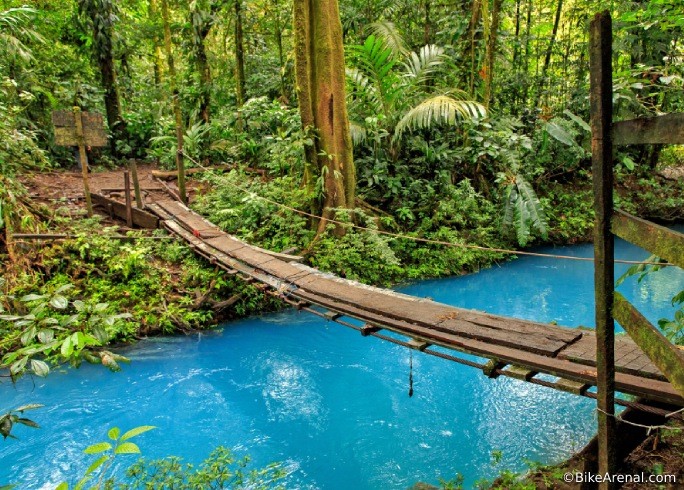
Tenorio Volcano National Park Guide (Beyond Río Celeste)
Rainforest Trails, Wildlife & Geothermal Wonders in Northern Costa Rica…
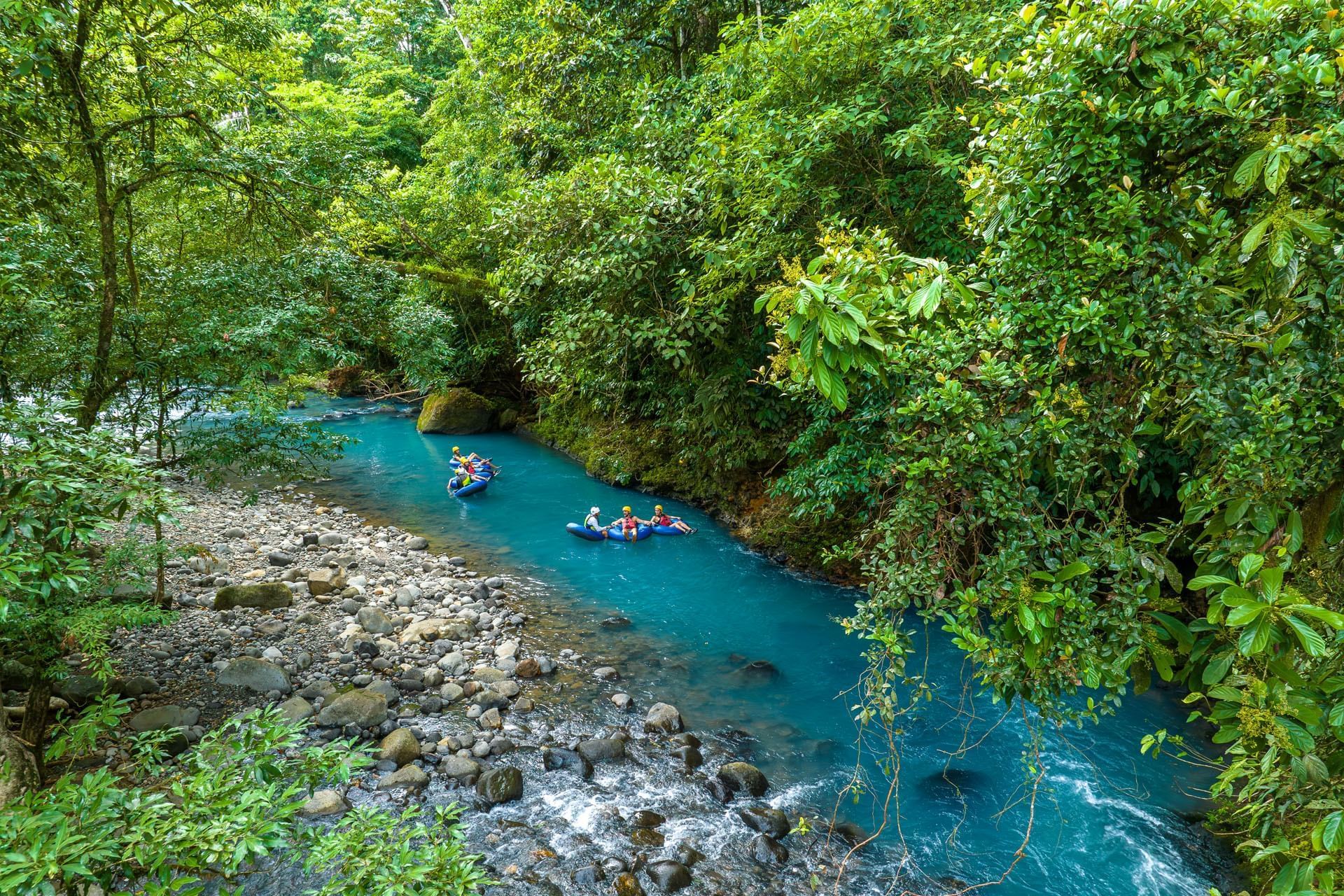
Can You Swim in Río Celeste?
What Travelers Should Know Before Visiting Tenorio Volcano National Park…