A Complete Transportation Guide to Costa Rica’s Osa Peninsula
Reaching Drake Bay on the Osa Peninsula is part of the adventure.
Unlike beach towns connected by highways, Drake Bay remains deliberately remote — bordered by rainforest, backed by Corcovado National Park, and accessible only by small plane, boat, or rugged 4×4 drive.
Understanding your transportation options is essential. Weather, luggage limits, and seasonal road conditions matter more here than in other Costa Rican destinations.
This guide breaks down how to get to Drake Bay — comparing domestic flights, boat transfers from Sierpe, and self-driving — so you can choose the best option for your travel style.
Overview: Where Is Drake Bay?
Drake Bay sits on the northern edge of the Osa Peninsula, along Costa Rica’s southern Pacific coast.
It is:
- About 350 km (217 miles) from San José
- Roughly 6–8 hours by land (depending on conditions)
- 45–50 minutes by domestic flight
Drake Bay serves as a gateway for:
- Corcovado National Park tours from Drake Bay
- Caño Island snorkeling trips
- Whale watching excursions
- Jungle hikes
Its remoteness protects its wild character — but requires thoughtful logistics.
Why Getting to Drake Bay Requires Planning
Drake Bay has:
- No major highways directly into town
- Limited paved roads
- River crossings in some seasons
- No large bus terminal
Additionally:
- The weather can delay small aircraft.
- Ocean conditions can affect boat transfers.
- Road conditions change during the rainy season.
Plan your arrival time carefully, especially if you are connecting from international flights.
Option 1: Domestic Flight to Drake Bay (Fastest & Easiest)
Best for:
Baby boomers, families, travelers with limited time, and luxury eco-lodge guests
Route:
- Fly into San José International Airport (SJO)
- Transfer to the domestic terminal.
- 45–50 minute flight to Drake Bay airstrip
Pros:
- Fastest option
- Scenic aerial views of the coastline and the rainforest
- Avoids rough roads
- Minimal physical strain
Cons:
- Strict luggage weight limits (often around 25–30 lbs combined)
- Higher cost than boat transfer
- Weather delays are possible during heavy rain.
Flights typically operate in the morning and early afternoon. Schedule buffer time between international arrival and domestic departure.
If your international flight arrives late, an overnight in San José may be necessary.
Option 2: Boat Transfer from Sierpe (Most Popular)
Best for:
Adventure travelers, budget-conscious visitors, and those wanting a scenic arrival
Route:
- Drive or shuttle to Sierpe (about 4.5–5 hours from San José)
- Park vehicle securely (if self-driving)
- Take a 1–1.5 hour boat ride through mangroves and along the Pacific coast to Drake Bay.
Pros:
- Iconic arrival experience
- Mangrove wildlife sightings en route
- Lower cost than flights
- No small aircraft restrictions
Cons:
- Luggage can get wet (dry bags recommended)
- Ocean segments may be rough.
- Fixed boat schedules
- Long overall travel day from San José
Boat departures are tide-dependent. Late arrivals may require an overnight stay near Sierpe.
Option 3: Driving to Drake Bay (4×4 Required)
Best for:
Experienced drivers, independent travelers, flexible itineraries
Route:
San José → Palmar Norte → Rincón → Drake Bay
Travel Time:
6–8 hours depending on conditions
Pros:
- Full schedule control
- Flexibility for stops
- No weight limits
- Can combine with Puerto Jiménez or other Osa destinations
Cons:
- River crossings (seasonal)
- Unpaved sections
- Mud and washouts during the rainy season
- Navigation challenges
- Not recommended at night
A high-clearance 4×4 is required year-round. During heavy rain (especially September–October), some roads may become temporarily impassable.
Driving is the most adventurous option, but also the most demanding.
Seasonal Travel Considerations
Drake Bay’s accessibility varies by season.
Dry Season (December–April)
- Best road conditions
- A calmer ocean for boat transfers
- Fewer weather-related flight delays
- Peak visitor season
Most reliable time for all transport options.
Green Season (May–November)
- Afternoon storms common
- Rougher seas at times
- Muddy roads
- Possible river crossings
September and October are typically the wettest months. Some lodges close temporarily.
Flight delays and boat rescheduling are more common during heavy rain periods.
Travel insurance and flexible scheduling are strongly recommended.
Comparing the Three Options
| Flight | Fastest | Highest | Highest | Low |
| Boat | Moderate | Mid-range | Moderate | Moderate |
| 4×4 Drive | Longest | Varies | Lowest | Highest |
Practical Travel Tips
- Coordinate arrival times directly with your lodge.
- Confirm boat departure schedules before driving to Sierpe.
- Pack lightweight luggage if flying domestically.
- Avoid arriving in Drake Bay after dark.
- Bring waterproof protection for electronics during boat transfers.
- Monitor weather forecasts in the green season.
Which Option Is Right for You?
Choose a flight if:
- You value efficiency and comfort.
- You have limited vacation time.
- You’re traveling with children or seniors.
Choose boat transfer from Sierpe if:
- You enjoy scenic travel.
- You want a memorable arrival.
- You’re comfortable with ocean conditions.
Choose 4×4 self-drive if:
- You’re confident navigating rural roads.
- You want maximum flexibility.
- You’re combining multiple Osa destinations.
Final Thoughts
Getting to Drake Bay requires intention — but that’s precisely why it remains special.
The effort filters out mass tourism and preserves its sense of remoteness.
Whether you arrive by small plane skimming the Pacific coast, boat gliding through mangroves, or rugged 4×4 drive through rainforest roads, the journey sets the tone.
Drake Bay rewards travelers who plan carefully, stay flexible, and embrace the reality that in wild places, logistics are part of the experience.
Choose the route that matches your comfort level — and let the Osa Peninsula do the rest.
Related Posts
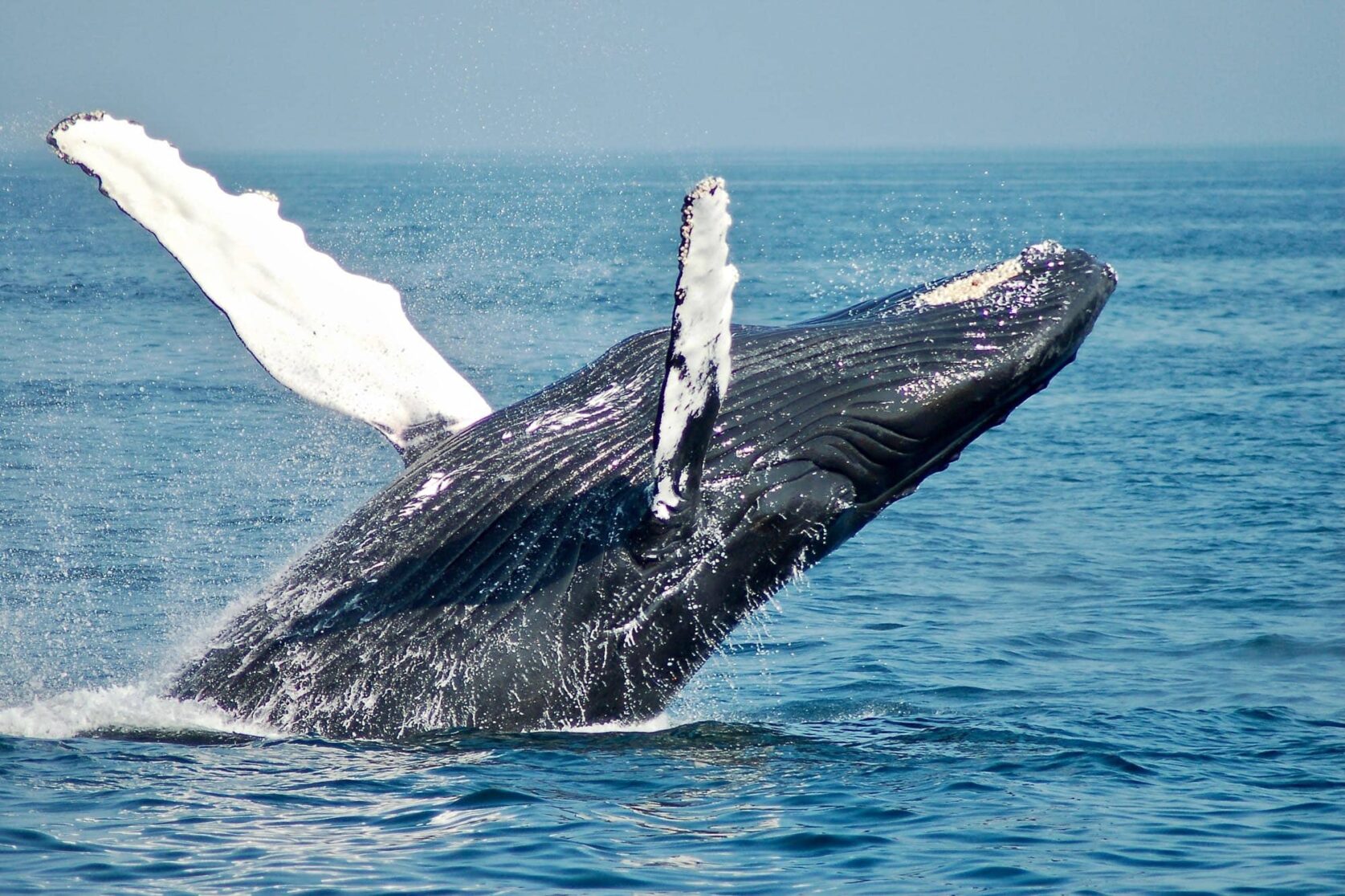
Whale Watching in Drake Bay (When & What You’ll See)
A Complete Guide to Whale Season on Costa Rica’s Osa…
Puerto Jiménez vs Drake Bay: Which Is Better for Corcovado?
If you’re planning a visit to Corcovado National Park, one…
Drake Bay vs Puerto Jiménez: Which Osa Destination Is Better?
If you’re planning a trip to Costa Rica’s wild Osa…