If you’re searching for one of the last places in Costa Rica where rainforest still meets the Pacific with little human interruption, Drake Bay deserves your attention.
Tucked along the remote northern coast of the Osa Peninsula, Drake Bay is more than a beautiful beach destination. It serves as the main gateway to Corcovado National Park, one of the most biologically diverse protected areas on Earth, and the departure point for unforgettable adventures like snorkeling at Caño Island Biological Reserve, whale watching, birdwatching, and rainforest hikes.
Unlike Costa Rica’s more developed beach towns, Drake Bay rewards travelers who value nature over nightlife and wildlife over luxury shopping. Getting here takes a little more planning, but once you arrive, you’ll quickly understand why so many visitors consider it one of the country’s most extraordinary destinations.
Whether you’re planning your first visit or building a longer Osa Peninsula itinerary, this guide covers everything you need to know about Drake Bay, Costa Rica.
Where Is Drake Bay?
Drake Bay sits on the northwestern coast of the Osa Peninsula in southern Costa Rica, overlooking the Pacific Ocean.
Although it feels incredibly remote, reaching Drake Bay is easier than many travelers expect. Most visitors first fly into Juan Santamaría International Airport (SJO) near San José before continuing by domestic flight, boat, or road.
The region is surrounded by protected rainforest, marine reserves, and some of the country’s richest wildlife habitats. Because of this, Drake Bay has become one of Costa Rica’s premier destinations for eco-tourism and nature travel.
Unlike Tamarindo or Manuel Antonio, you’ll find very little urban development here. Instead, jungle-covered hills, quiet beaches, and small eco-lodges define the landscape.
What Drake Bay Is Really Like
Visitors expecting a traditional beach town are often surprised.
Drake Bay is small, relaxed, and intentionally undeveloped. Rather than shopping streets or beachfront resorts, you’ll find locally owned lodges, small restaurants, family-run tour companies, and a handful of convenience stores serving both residents and travelers.
Life follows the rhythm of nature.
Early mornings begin with boats departing for Corcovado National Park or Caño Island. Afternoons often end with tropical rain showers, while evenings are remarkably peaceful, accompanied by the sounds of insects, frogs, and crashing waves instead of nightlife.
Although internet service has improved over the years, connections can still be slower than in larger destinations. Likewise, some businesses prefer cash payments, so carrying some Costa Rican colones is always helpful.
For many travelers, however, these aren’t inconveniences—they’re part of Drake Bay’s appeal.
How to Get to Drake Bay
Reaching Drake Bay requires a bit more planning than many Costa Rican destinations, but several transportation options make the journey manageable.
Flying from San José
The fastest and most convenient option is taking a domestic flight from San José.
Regional airlines operate daily flights to Drake Bay Airstrip, with the journey taking approximately 45 to 50 minutes. Besides saving several hours of travel time, the flight offers spectacular aerial views of the Osa Peninsula.
This option works particularly well for:
- Families
- Baby Boomers
- Travelers with limited vacation time
- Visitors carrying lighter luggage
Boat from Sierpe
Many visitors choose the classic boat transfer from the riverside town of Sierpe.
The journey begins through the Sierpe mangroves before continuing along the Pacific coastline toward Drake Bay. Depending on sea conditions, the trip generally takes between one and one and a half hours.
For many travelers, arriving by boat becomes one of the highlights of the entire vacation.
Driving
Although it is possible to drive, Drake Bay is not an easy road-trip destination.
The final sections include rough gravel roads, and conditions become considerably more challenging during the rainy season. A high-clearance 4×4 vehicle is strongly recommended.
Travel time from San José typically ranges between six and eight hours.
Where to Stay
Accommodation in Drake Bay reflects the surrounding environment.
Rather than large beachfront resorts, most properties focus on sustainability, wildlife, and personalized service.
Eco-Lodges
Many of the region’s most popular accommodations are eco-lodges surrounded by rainforest.
Guests often wake up to the sounds of scarlet macaws, howler monkeys, and toucans without ever leaving the property.
Several lodges also include guided excursions, meals, and transportation to Corcovado National Park.
Boutique Jungle Hotels
Travelers seeking additional comfort can choose boutique properties offering spacious rooms, ocean views, and excellent local cuisine.
Although amenities are more refined, these hotels still maintain a strong connection with the surrounding environment.
Cabins and Vacation Rentals
Simple cabins and vacation rentals provide excellent value for independent travelers planning longer stays.
These accommodations often include kitchen facilities while keeping visitors close to the area’s main hiking trails and beaches.
Where to Eat
Dining in Drake Bay focuses on fresh, local ingredients rather than international restaurant chains.
Most restaurants serve freshly caught fish, tropical fruit, rice and beans, ceviche, and traditional Costa Rican cuisine.
Many eco-lodges include breakfast and dinner, making daily logistics much easier after long excursions into Corcovado.
Although dining options are limited compared to larger beach towns, the quality is consistently excellent, especially for seafood lovers.
The Best Things to Do
Nature is the main attraction here, and nearly every activity revolves around the incredible biodiversity of the Osa Peninsula.
Visit Corcovado National Park
Without question, Corcovado is the reason many travelers come to Drake Bay.
Day tours depart early each morning by boat and typically visit either Sirena or San Pedrillo sectors. Accompanied by certified naturalist guides, visitors may encounter tapirs, monkeys, scarlet macaws, sloths, peccaries, and countless bird species.
Snorkel at Caño Island Biological Reserve
Just offshore lies Caño Island Biological Reserve, one of Costa Rica’s premier snorkeling destinations.
On calm days, visitors often encounter colorful reef fish, sea turtles, rays, reef sharks, and healthy coral formations.
Water visibility is generally best during the dry season.
Whale Watching
Drake Bay is also one of Costa Rica’s top whale watching destinations.
Northern Hemisphere humpback whales typically arrive between December and April, while Southern Hemisphere whales visit from July through October.
As a result, this region enjoys one of the longest whale watching seasons in the country.
Birdwatching
The Osa Peninsula is paradise for bird lovers.
Even around your lodge, it’s common to see scarlet macaws, toucans, hummingbirds, trogons, and dozens of other tropical species.
Explore the Coast
Not every day has to be scheduled.
Several beaches around Drake Bay invite visitors to slow down, swim, explore tide pools, or enjoy the peaceful atmosphere away from larger tourist destinations.
Getting Around
Transportation inside Drake Bay is refreshingly simple.
Most visitors walk between accommodations, restaurants, and tour departure points. Some lodges also arrange boat transportation or local transfers when necessary.
Because distances remain relatively short, many travelers never need a rental vehicle once they arrive.
When to Visit
Every season offers something different.
Dry Season (December–April)
During these months, visitors enjoy:
- More predictable weather
- Calmer ocean conditions
- Better snorkeling visibility
- Easier hiking trails
However, this is also the busiest period, so accommodations should be booked well in advance.
Green Season (May–November)
The rainy season transforms the rainforest into an even greener landscape.
Although afternoon showers become more common, mornings often remain ideal for wildlife tours.
Additionally, whale watching peaks between July and October.
The Pace of Life
Drake Bay moves slowly.
Days begin before sunrise with wildlife excursions and often end shortly after sunset.
There are no shopping malls, beach clubs, or late-night entertainment districts. Instead, travelers spend their evenings sharing stories from the day’s adventures while listening to the rainforest come alive after dark.
Consequently, Drake Bay appeals most to visitors who value meaningful experiences over constant activity.
Things to Know Before You Go
Although visiting Drake Bay is incredibly rewarding, it’s important to arrive prepared.
Remember to:
- Book Corcovado tours well in advance.
- Carry some cash for smaller businesses.
- Expect high humidity throughout the year.
- Pack lightweight clothing and rain protection.
- Purchase travel insurance for weather-related changes.
- Follow your guide’s instructions during wildlife excursions.
For official park regulations, consult SINAC, Costa Rica’s National System of Conservation Areas. Current travel information is also available through the Costa Rica Tourism Board (ICT).
Is Drake Bay Worth Visiting?
If your ideal vacation includes wildlife, rainforest, marine life, and genuine adventure, the answer is absolutely yes.
Drake Bay isn’t designed for travelers looking for luxury shopping, nightlife, or all-inclusive beach resorts. Instead, it’s built around conservation, biodiversity, and unforgettable encounters with nature.
For photographers, birdwatchers, hikers, divers, and wildlife enthusiasts, few places in Costa Rica offer so much within such a relatively small area.
Final Thoughts
Drake Bay, Costa Rica, isn’t simply another destination on the Pacific coast.
It’s the gateway to one of the wildest regions in Central America.
From exploring Corcovado National Park and snorkeling around Caño Island to watching humpback whales breach offshore or waking to the calls of scarlet macaws, every day here feels connected to nature.
Getting here requires a little more effort. However, that’s precisely what has allowed Drake Bay to remain one of Costa Rica’s most remarkable places.
For travelers willing to venture beyond the country’s better-known destinations, it offers an experience that’s increasingly difficult to find: a rainforest that still feels truly wild.
Related Posts
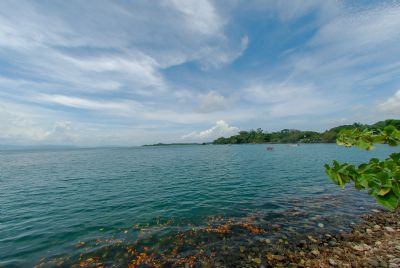
Puerto Jiménez vs Drake Bay: Which Is Better for Visiting Corcovado National Park?
If you're planning a trip to Corcovado National Park, one of…
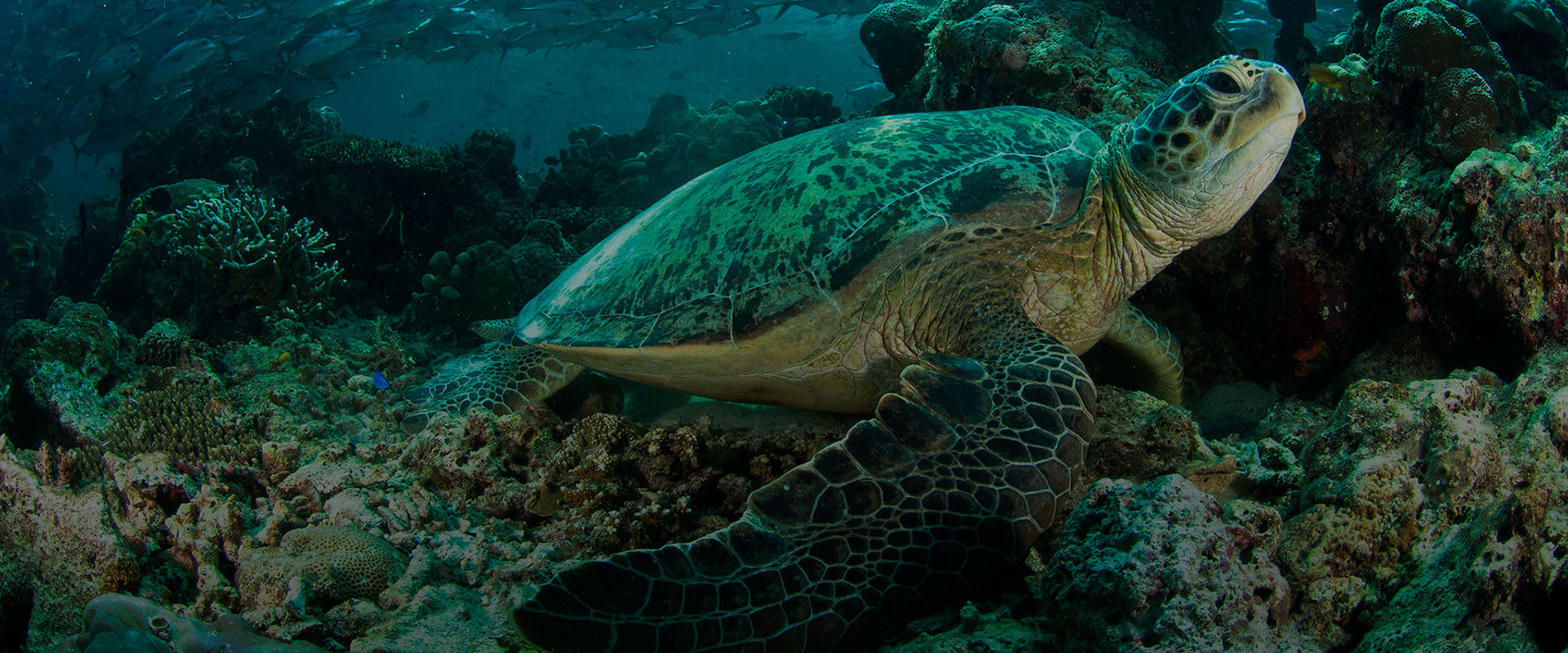
Caño Island Snorkeling from Drake Bay: What to Expect at One of Costa Rica’s Best Marine Reserves
If your Costa Rica itinerary includes the Osa Peninsula, there's…

Domestic Flights in Costa Rica: When Flying Makes More Sense Than Driving
Costa Rica looks small on a map. It is roughly…