Advanced hiking routes in Costa Rica offer some of the most exciting outdoor adventures in the country. While many visitors choose shorter trails near popular attractions, experienced hikers often look for something more challenging. As a result, Costa Rica provides access to remote rainforests, high mountain peaks, rugged volcano landscapes, and multi-day trekking routes that reward effort with unforgettable scenery.
Moreover, these hikes allow travelers to experience parts of the country that many visitors never see. Instead of crowded viewpoints and easy nature walks, advanced routes often pass through remote forests, mountain valleys, and protected wilderness areas. Consequently, hikers enjoy a stronger connection with nature and a greater sense of adventure.
What Makes a Hiking Route Advanced?
Not every trail qualifies as an advanced hike. In most cases, these routes require more time, more preparation, and a higher level of fitness than standard park trails.
For example, some hikes involve long distances, while others include steep climbs, river crossings, or challenging weather conditions. Furthermore, certain routes pass through remote areas where services are limited. Because of this, hikers must prepare carefully before setting out.
However, the additional effort often leads to some of the most rewarding experiences in Costa Rica. As a result, many outdoor enthusiasts consider these routes the highlight of their trip.
Corcovado National Park: Los Patos to Sirena
Many experienced hikers consider the Los Patos-to-Sirena route one of the best trekking experiences in Costa Rica. Unlike shorter trails in the park, this route traverses extensive sections of remote rainforest and offers a true wilderness experience.
As hikers move through the forest, they encounter rivers, dense vegetation, and an incredible variety of wildlife. Meanwhile, the sounds of monkeys, birds, and insects create a constant reminder that this is one of the wildest places in Central America.
Because of the distance and the remote setting, most visitors complete this hike with a certified guide. Furthermore, guides often help hikers spot wildlife that would otherwise go unnoticed.
Learn more in our Hiking in Corcovado National Park guide.
Cerro Chirripó
Cerro Chirripó is the highest mountain in Costa Rica and, consequently, attracts hikers seeking a serious challenge.
The route climbs steadily through different ecosystems before reaching the summit. Along the way, the scenery changes dramatically. First, hikers pass through forested areas. Later, the landscape opens into high-mountain terrain that feels very different from the tropical environments elsewhere in the country.
Moreover, many visitors begin their final climb before sunrise. As a result, reaching the summit often rewards hikers with spectacular views and one of the most memorable moments in Costa Rica.
Cerro de la Muerte
Cerro de la Muerte offers another excellent option for experienced hikers. Although it receives fewer visitors than Chirripó, it provides equally impressive mountain scenery.
Furthermore, the cooler temperatures create a completely different hiking environment compared to Costa Rica’s rainforests. While lower elevations often feel hot and humid, hikers here enjoy fresh mountain air and sweeping views.
Because of the altitude, weather conditions can change quickly. Therefore, hikers should come prepared for cooler temperatures and occasional rain.
Rincón de la Vieja
Rincón de la Vieja combines challenging hiking with some of Costa Rica’s most fascinating volcanic landscapes. Not only do hikers encounter forest trails, but they also pass mud pots, steam vents, and geothermal features that reveal the volcano’s ongoing activity.
Meanwhile, waterfalls and rivers add variety to the experience. As a result, the scenery constantly changes throughout the hike.
Because temperatures can be warm, especially during the dry season, carrying enough water is particularly important.
Remote Trails on the Osa Peninsula
Beyond Corcovado, the Osa Peninsula offers several lesser-known routes that appeal to adventurous hikers. While these trails may not receive the same attention as other destinations, they often provide a more authentic wilderness experience.
For example, some routes combine rainforest hiking with beach walking and river crossings. Furthermore, wildlife encounters are common because many of these areas receive relatively few visitors.
Consequently, hikers who enjoy solitude often find the Osa Peninsula especially rewarding.
When Is the Best Time for Advanced Hiking?
Timing plays an important role when planning difficult hikes.
During the dry season, trails are generally easier to navigate, and river crossings become more manageable. Therefore, many hikers prefer visiting between December and April.
On the other hand, the green season creates greener landscapes and stronger waterfalls. However, additional rain can make already challenging routes even more demanding.
Because conditions vary throughout the country, researching each destination before your trip is always a good idea.
For more information, see our Best Time of Year for Hiking in Costa Rica guide.
Preparation Matters
Advanced hiking routes require more preparation than a typical nature walk. Therefore, building endurance before your trip can make a significant difference.
In addition, proper gear helps hikers stay comfortable and safe. Good footwear, rain protection, and adequate water are essential on nearly every advanced route. Furthermore, hikers should always check weather conditions before heading into remote areas.
Most importantly, understanding your own fitness level allows you to choose a route that matches your abilities.
Guided vs Self-Guided Hiking
Some advanced routes can be completed independently. However, many hikers choose to work with local guides.
Not only do guides improve safety, but they also provide valuable knowledge about wildlife, trail conditions, and local ecosystems. Moreover, they can help visitors navigate unfamiliar terrain with greater confidence.
As a result, guided hikes remain particularly popular in destinations such as Corcovado and Chirripó.
Learn more in our Guided vs Self-Guided Hiking guide.
Final Thoughts
Advanced hiking routes in Costa Rica showcase a side of the country that many travelers never experience. While easy nature trails remain popular, challenging routes provide access to remote forests, volcanic landscapes, and spectacular mountain scenery.
Moreover, these adventures often create the most memorable travel experiences. Whether you’re trekking through Corcovado, climbing Cerro Chirripó, or exploring remote sections of the Osa Peninsula, you’ll discover why advanced hiking routes in Costa Rica attract outdoor enthusiasts from around the world.
Related Posts
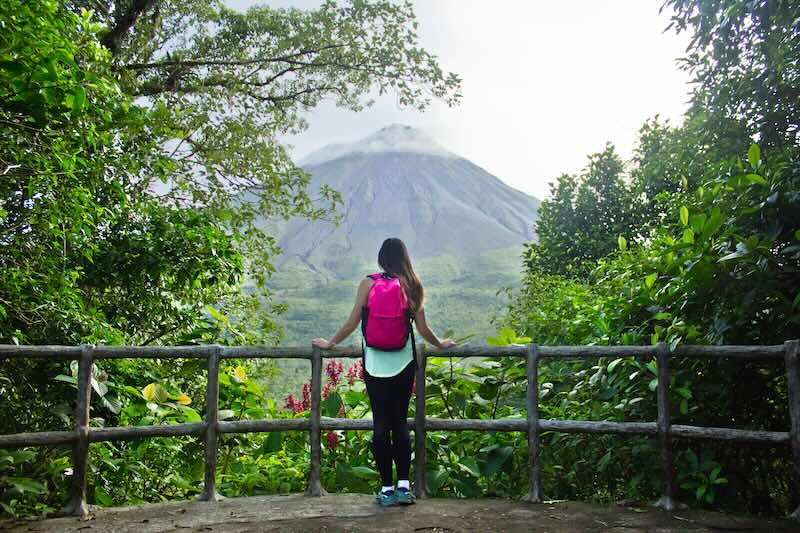
Best Cloud Forest Hikes in Costa Rica
The best cloud forest hikes in Costa Rica offer a completely different…
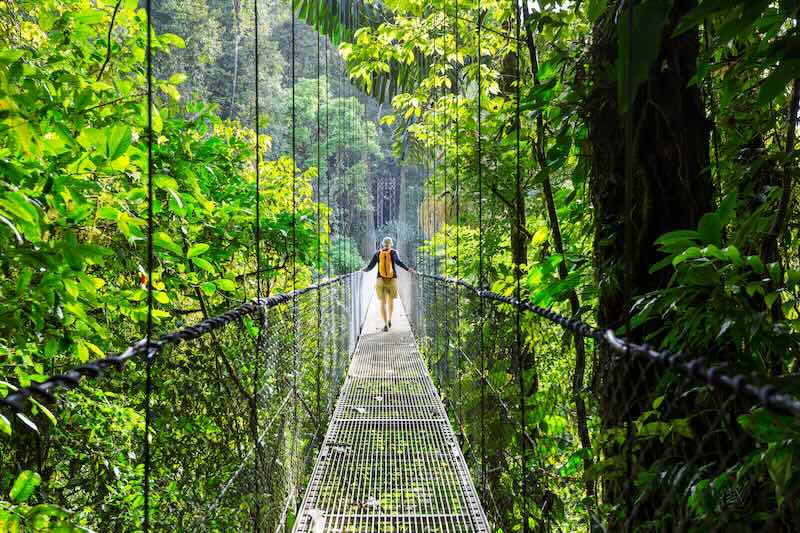
Hiking in Arenal Volcano National Park
Hiking in Arenal Volcano National Park is one of the most…
Hiking Trails Near Río Celeste
Hiking trails near Río Celeste rank among the most beautiful outdoor…