Wildlife Conservation in Caño Negro protects a network of freshwater wetlands, rivers, lagoons, and seasonally flooded forests in northern Costa Rica. These habitats provide feeding, resting, and breeding areas for resident wildlife. They also support migratory birds that move between different parts of the Americas.
Caño Negro Wildlife Refuge lies in the lower Río Frío watershed, near the Nicaraguan border. Costa Rica established the refuge in 1984, and it received international recognition under the Ramsar Convention in 1991.
However, protecting this landscape involves more than preserving a lagoon. Seasonal flooding, water quality, surrounding land use, and human activities all influence the wetland’s condition.
For visitors, understanding these connections adds another dimension to wildlife observation. A guided boat tour can reveal how animals use the changing landscape and why responsible tourism matters.
Why Is Wildlife Conservation in Caño Negro Important?
Wetlands connect aquatic and terrestrial ecosystems. They provide habitat for fish, reptiles, birds, and mammals while allowing water to move through rivers, floodplains, and shallow lagoons.
At Caño Negro Wildlife Refuge, these relationships depend heavily on the Río Frío.
During wetter periods, rising water spreads into surrounding vegetation and low-lying areas. As conditions become drier, water retreats into smaller lagoons and channels.
Consequently, animals use different parts of the refuge throughout the year.
Some waterbirds feed in shallow areas, while others rest in vegetation or search for fish along waterways. Meanwhile, flooded forests provide habitat for wildlife that depends on both land and water.
The refuge also forms part of a larger network of wetlands extending across northern Costa Rica and southern Nicaragua. This connection matters because many birds move between habitats during migration or seasonal changes.
Protecting the refuge therefore requires attention to its surrounding watershed. Pollution, sediment, or changes in water movement upstream can affect conditions downstream.
What Wildlife Does Caño Negro Protect?
Caño Negro supports a wide range of wildlife, although species visibility changes with the season, weather, and water levels.
The refuge is particularly important for aquatic birds. However, its forests, riverbanks, and wetlands also provide habitat for mammals, reptiles, and fish.
Resident and Migratory Birds
Birdwatching is one of Caño Negro’s main attractions.
The refuge supports resident birds that use the region throughout the year, as well as migratory species that visit seasonally.
Among the birds associated with its wetlands are:
- Jabiru storks
- Roseate spoonbills
- Wood storks
- Anhingas
- Herons and egrets
- Kingfishers
These birds do not all follow the same seasonal patterns.
For example, some species use shallow water to search for fish and other aquatic prey. Others depend on trees, marsh vegetation, or exposed feeding areas.
The jabiru stork is especially significant. This large waterbird has a limited distribution in Costa Rica, and Caño Negro provides important habitat within its regional range.
However, visitors should not expect to see jabirus on every excursion. Their presence and visibility vary.
The conservation of wetland birds depends on maintaining suitable feeding and resting areas, not simply protecting individual nesting sites.
Mammals in the Refuge
Forests and vegetation surrounding the waterways provide habitat for mammals.
Howler monkeys and white-faced capuchins are among the primates visitors may encounter in the wider Caño Negro landscape.
Bats also use wetland and forest habitats, although many species are difficult to observe during ordinary daytime tours.
These animals depend on vegetation, food availability, and connections between habitat areas.
Therefore, protecting the forest surrounding the wetlands is important alongside maintaining aquatic habitats.
Wildlife sightings remain unpredictable. Even experienced guides cannot guarantee that animals will appear.
Reptiles and Aquatic Wildlife
Caimans are among the refuge’s best-known reptiles.
The spectacled caiman inhabits freshwater environments and uses waterways and banks for feeding, resting, and reproduction.
Freshwater turtles and iguanas may also be observed around suitable habitats.
Meanwhile, fish play an important ecological role because they provide food for birds, reptiles, and other animals.
One notable species is the tropical gar, locally called pez gaspar. This long-bodied freshwater fish belongs to an ancient lineage and occurs in the wetland system.
Protecting aquatic wildlife requires maintaining water quality, suitable habitat, and the natural movement of water.
Visitors should never feed, touch, or approach wild animals for photographs.
How Seasonal Flooding Shapes Caño Negro’s Wetlands
Seasonal flooding is one of the defining characteristics of Caño Negro.
Rainfall throughout the Río Frío watershed influences the amount of water entering the refuge.
As water levels rise, lagoons can connect with surrounding marshes, channels, and flooded vegetation.
When levels fall, some aquatic areas become smaller or temporarily separated.
These changes affect where animals find food and shelter.
Lower-Water Periods
During lower-water periods, shallow areas and exposed mudflats may become more visible.
Some waterbirds concentrate near remaining pools, where fish and other aquatic prey may be easier to reach.
However, lower water levels can also limit boat access to certain areas.
Therefore, a dry-season tour may follow a different route from one offered during wetter months.
Wildlife concentrations also vary from year to year.
Higher-Water Periods
During wetter periods, water can spread into forests, grasslands, and other low-lying habitats.
This creates additional aquatic space and changes how animals move through the landscape.
Birds and other wildlife may become more dispersed, making some species harder to locate from a boat.
At the same time, visitors can observe flooded vegetation and waterways that look very different from their dry-season appearance.
Neither season guarantees better sightings.
Instead, both reveal different stages of the wetland’s natural cycle.
What Conservation Efforts Protect Caño Negro?
Costa Rica established the Refugio Nacional de Vida Silvestre Mixto Caño Negro on January 4, 1984.
The protected area covers approximately 9,969 hectares in Alajuela Province, within the cantons of Los Chiles and Guatuso.
It belongs to the Área de Conservación Arenal Huetar Norte, part of Costa Rica’s Sistema Nacional de Áreas de Conservación.
The refuge has a mixed ownership designation, meaning its boundaries include both public and privately owned land.
This makes conservation more complex than managing a protected area held entirely by the government.
Effective management requires coordination over land use, wildlife protection, visitor activities, and the surrounding environment.
The refuge has an official management-planning framework addressing habitat conservation and the benefits wetlands provide to communities.
However, the existence of a management plan does not prove that every conservation objective has been achieved.
Research, monitoring, regulation, and cooperation remain important.
Why Ramsar Recognition Matters
Caño Negro became a Ramsar Wetland of International Importance on December 27, 1991.
The Ramsar Convention is an international agreement focused on wetland conservation and wise use.
Caño Negro’s designation recognizes its ecological importance, particularly for aquatic habitats and waterbirds.
Its Ramsar site number is 541.
However, Ramsar does not directly operate the refuge. Costa Rican authorities remain responsible for its management.
International recognition also does not automatically provide sufficient funding or eliminate environmental threats.
Instead, it establishes a framework that supports conservation commitments and highlights the wetland’s importance beyond national borders.
Main Conservation Challenges in Caño Negro
Protected status helps establish conservation priorities, but the refuge remains connected to activities throughout the Río Frío watershed.
Environmental conditions outside its boundaries can influence the water and habitats inside them.
Agricultural Land Use and Water Quality
Agriculture and other land uses can affect wetland ecosystems through sediment, nutrients, and chemical runoff.
In the Río Frío watershed, research has identified erosion and sediment transport associated with land-use changes.
Sediment can alter waterways, reduce navigability, and affect aquatic habitats.
However, the extent of particular pollutants should not be assumed without local monitoring data.
For Caño Negro, maintaining water quality requires attention to activities beyond the refuge itself.
Changes in Water Flow
Wetland habitats depend on seasonal connections between rivers, lagoons, and floodplains.
Changes in drainage, water extraction, or upstream land use can influence these relationships.
For example, altered water movement may affect how long certain areas remain flooded.
Because wildlife responds to water availability, hydrological changes can also influence habitat use.
Conservation planning must therefore consider the wider watershed rather than treating the refuge as an isolated lagoon.
Habitat Disturbance and Tourism
Wildlife observation can create economic opportunities. Nevertheless, poorly managed activities may disturb animals.
Boat noise, excessive speed, and approaching birds too closely can interrupt feeding or resting behavior.
Likewise, litter, damage to vegetation, and unauthorized access can affect sensitive areas.
Responsible tourism reduces these pressures, although no form of wildlife tourism is entirely impact-free.
Climate Variability
Rainfall patterns influence Caño Negro’s seasonal flooding.
Extended dry periods or unusually heavy rainfall can change water levels, habitat availability, and visitor access.
However, it is difficult to predict exactly how individual species will respond to future conditions.
For this reason, monitoring wetland changes remains important for long-term conservation.
How Conservation Benefits Wildlife and Visitors
The primary purpose of conservation is to protect ecosystems and the species that depend on them.
At Caño Negro, maintaining wetland habitats helps preserve feeding areas, aquatic environments, and connections between different parts of the landscape.
These protected habitats also create opportunities for wildlife observation.
However, conservation does not guarantee that animal populations will increase or that visitors will see more wildlife.
Sightings depend on many factors, including water levels, weather, species behavior, and the time of day.
For visitors, guided interpretation can make the experience more informative.
Understanding why birds gather in shallow water or why forests flood seasonally adds context to what might otherwise seem like a simple boat excursion.
In this way, wildlife tourism can support environmental awareness while giving visitors a reason to value habitat protection.
The Best Way to Experience Caño Negro Responsibly
Guided boat tours are a common way to explore the waterways around Caño Negro.
A knowledgeable guide can explain wetland ecology, identify wildlife, and help visitors understand seasonal changes.
However, boat travel can disturb animals if operators use excessive speed or approach sensitive areas too closely.
For that reason, responsible operating practices matter.
A good wildlife excursion should prioritize safe navigation and observation from appropriate distances.
The route may also change according to water levels and refuge regulations.
Before booking, confirm the departure location, safety equipment, and current access arrangements.
How to Choose a Responsible Wildlife Tour
Look for an operator who follows applicable refuge regulations and uses appropriate safety equipment.
Ask whether the guide has relevant training and experience identifying local wildlife.
During the tour, avoid encouraging the captain to chase animals or approach nesting birds for photographs.
Instead, allow wildlife to behave naturally.
A responsible guide should be willing to explain why certain areas require additional care.
Choosing a locally operated tour can also support regional livelihoods, although it does not automatically mean the business contributes financially to conservation programs.
How Local Communities Support Conservation
Communities around Caño Negro have a direct relationship with the wetland.
Some residents work in tourism as guides, boat captains, accommodation providers, and restaurant operators.
Others depend on agriculture, fishing, or different local economic activities.
Consequently, conservation decisions can affect livelihoods in several ways.
Tourism may create opportunities that encourage habitat protection. However, those benefits are not necessarily shared equally.
Land use and conservation can also involve competing priorities.
This is particularly relevant in a mixed-ownership refuge where public and private interests overlap.
The region also has cultural significance beyond wildlife tourism. SINAC identifies some lagoons in the area as sacred places within Malecu Indigenous culture.
Respecting local communities and cultural connections is therefore part of understanding the refuge’s broader importance.
Visitors can support the local economy by using responsible services and purchasing from local businesses.
Nevertheless, lasting conservation depends on cooperation, effective management, and consideration of different community needs.
When Is the Best Time to Visit Caño Negro?
Wildlife observation is possible throughout the year, but seasonal water levels affect what visitors experience.
The best period depends on the species you hope to observe and the conditions you prefer.
Dry Season
During lower-water periods, some aquatic habitats shrink and expose feeding areas.
This may make certain waterbirds easier to observe.
However, water levels can also restrict navigation, and sightings remain unpredictable.
Before visiting, ask operators about current routes and conditions.
Rainy Season
During wetter months, rising water expands flooded habitats and changes the landscape.
Visitors may see waterways surrounded by vegetation that remains dry during other parts of the year.
However, wildlife can become more dispersed.
Rainfall may also affect access and tour schedules.
Therefore, neither season is automatically better for every visitor.
For general weather information, consult Costa Rica’s Instituto Meteorológico Nacional.
How Visitors Can Support Wildlife Conservation in Caño Negro
Responsible behavior helps reduce unnecessary pressure on the refuge.
Visitors can make practical choices before and during their trip:
- Choose operators who follow applicable refuge regulations.
- Maintain appropriate distances from animals.
- Never feed or touch wildlife.
- Avoid loud noises near resting or nesting birds.
- Keep boats away from sensitive areas when instructed.
- Avoid flash photography when it may disturb animals.
- Dispose of waste properly.
- Respect private property and designated access routes.
- Support responsible local businesses.
- Verify conservation organizations before making donations.
Photography deserves particular attention.
A close photograph is not worth disturbing an animal. Instead, use a zoom lens or accept a more distant view.
Additionally, avoid asking guides to change an animal’s behavior to create a better image.
These actions cannot eliminate every environmental impact, but they can make wildlife tourism more responsible.
Frequently Asked Questions
Why Is Wildlife Conservation Important in Caño Negro?
Conservation protects seasonal wetlands that provide habitat for resident birds, migratory waterbirds, fish, reptiles, and mammals. It also helps maintain ecological connections throughout the Río Frío watershed.
Is Caño Negro Wildlife Refuge a Protected Area?
Yes. Costa Rica established Caño Negro Wildlife Refuge on January 4, 1984. SINAC manages it through the Área de Conservación Arenal Huetar Norte.
Is Caño Negro a Ramsar Wetland?
Yes. Caño Negro received Ramsar designation on December 27, 1991, recognizing its international importance as a wetland habitat.
What Threatened Wildlife Lives in Caño Negro?
The refuge supports species of conservation concern, including the jabiru stork. However, global and national conservation classifications may differ, and species presence does not guarantee sightings.
What Migratory Birds Visit Caño Negro?
The wetlands support various migratory waterbirds, including species that use shallow water, marshes, and surrounding vegetation. The species present vary by season.
What Are the Main Threats to Caño Negro’s Wetlands?
Important concerns include watershed sedimentation, land-use changes, potential water-quality impacts, habitat disturbance, and changes in seasonal water movement.
Are Boat Tours in Caño Negro Environmentally Responsible?
They can be when operators follow regulations, maintain appropriate distances, and avoid disturbing wildlife. However, boats can create noise and other impacts, so operating practices matter.
How Can Tourists Help Protect Caño Negro?
Visitors can follow refuge rules, avoid feeding wildlife, choose responsible guides, respect sensitive habitats, and support local businesses that demonstrate good environmental practices.
Is Wildlife Conservation in Caño Negro Worth Learning About?
Understanding conservation makes a visit to Caño Negro more informative.
The refuge protects habitats that change throughout the year. Its seasonal wetlands support resident and migratory wildlife while remaining connected to a larger watershed.
However, legal protection alone cannot resolve every environmental challenge.
Water quality, land use, wildlife disturbance, and cooperation with surrounding communities all influence the refuge’s future.
For travelers, a responsible guided visit offers an opportunity to observe these relationships firsthand.
Rather than measuring the experience by the number of animals seen, consider what the landscape reveals about the importance of wetland protection.
Ultimately, wildlife conservation in Caño Negro matters because the refuge protects an interconnected ecosystem whose value extends beyond tourism and individual wildlife sightings.
Related Posts
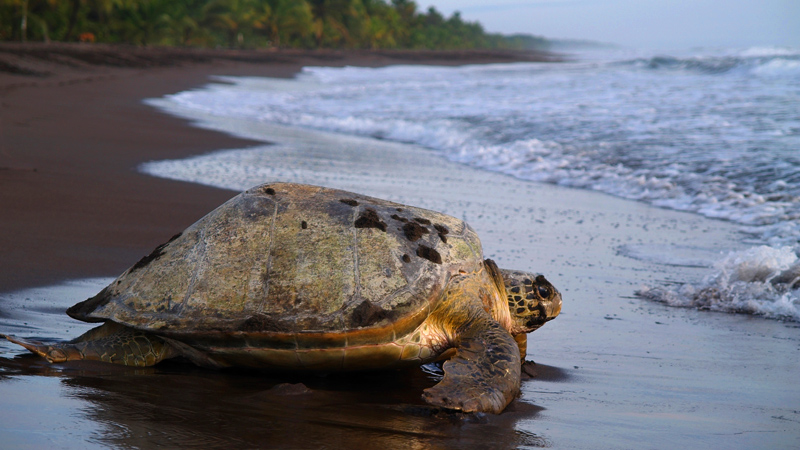
Animal Sanctuaries in Tortuguero
Animal Sanctuaries in Tortuguero offer visitors a unique opportunity to learn…
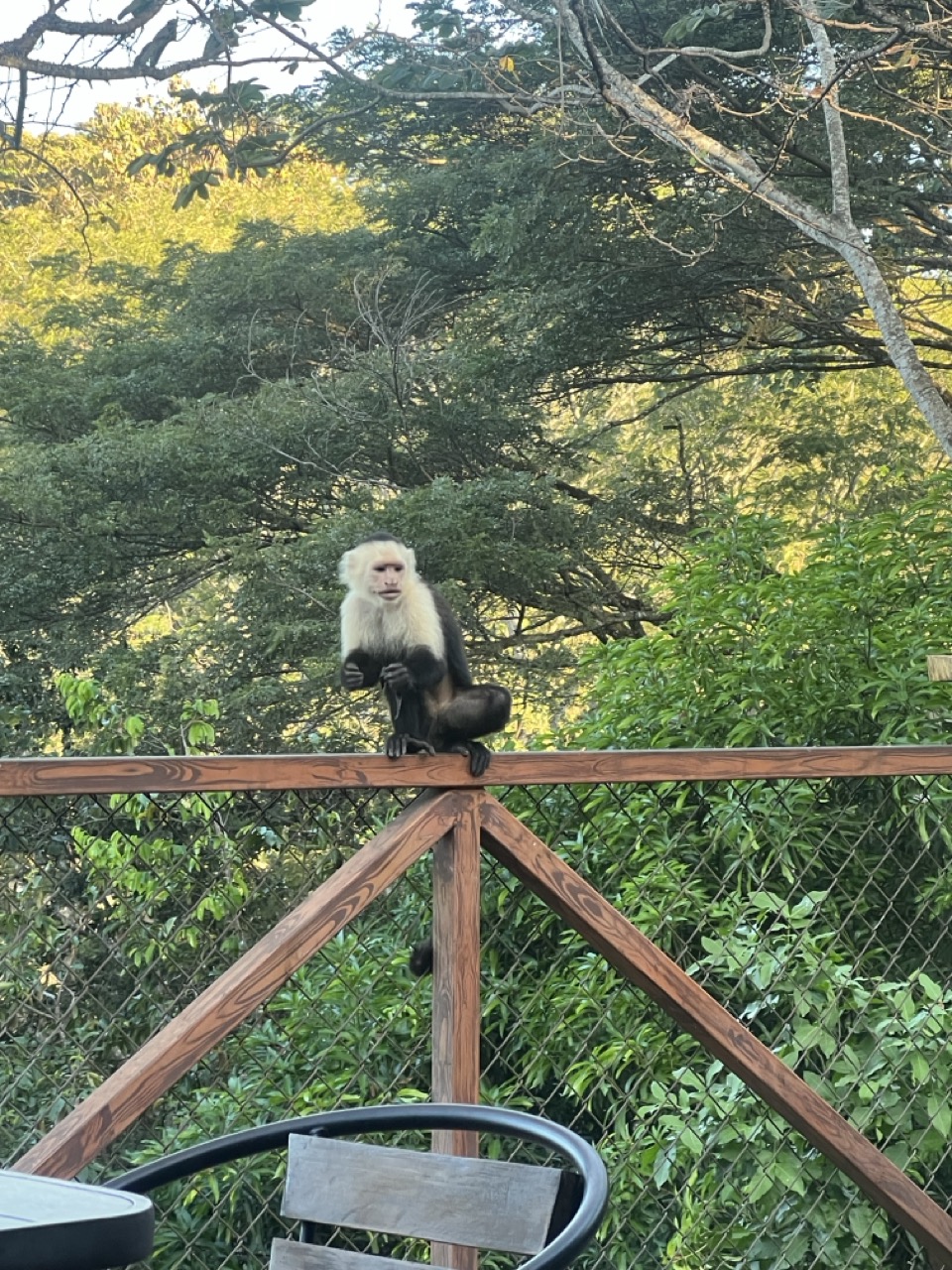
Monkey Rescue Centers in Costa Rica
Monkey Rescue Centers in Costa Rica can be one of the…
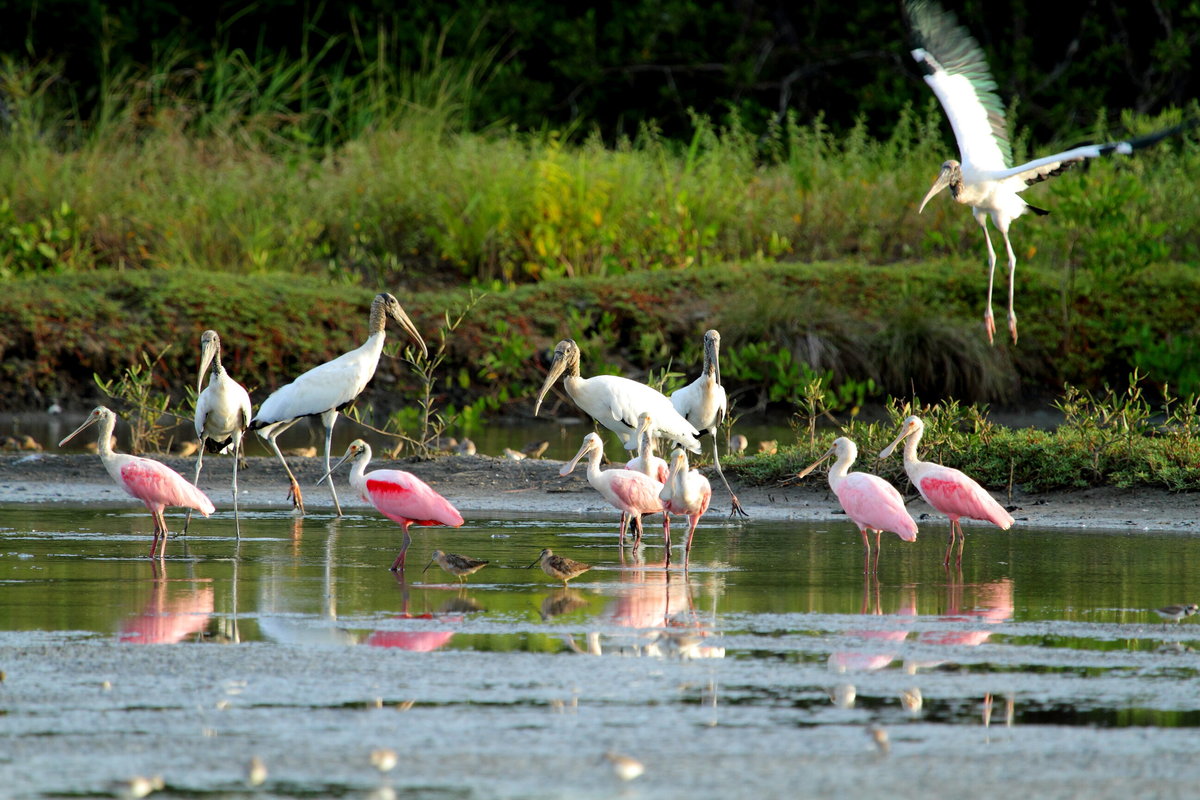
Is Caño Negro Worth Visiting? An Honest Visitor Guide
Is Caño Negro worth visiting? Yes, particularly if you enjoy wildlife, birdwatching, and exploring natural habitats at a relaxed pace. However, it is not the right excursion for every Costa Rica itinerary. Located in northern Costa Rica, Caño Negro Wildlife Refuge protects freshwater wetlands, lagoons, and seasonal floodplains. Instead of hiking to waterfalls or volcano viewpoints, visitors explore waterways by boat while looking for birds, reptiles, and monkeys. The experience requires patience. Wildlife sightings are unpredictable, and reaching the refuge from La Fortuna takes time. Still, for travelers interested in biodiversity, Caño Negro offers something quite different from the Arenal region. This guide explains what makes Caño Negro special, what to expect on a boat tour, and when the journey is worth the effort. What Is Caño Negro Wildlife Refuge? Caño Negro Wildlife Refuge is a protected wetland area in northern Alajuela Province, near Costa Rica's border with Nicaragua. The refuge lies within the Río Frío watershed and includes marshes, lagoons, rivers, and seasonal floodplains. Its changing water levels support a wide variety of aquatic wildlife. The National System of Conservation Areas (SINAC) manages the refuge. Caño Negro also holds international recognition under the Ramsar Convention, which identifies wetlands of global ecological importance. Unlike a permanent lake, parts of the wetland expand and contract as rainfall and river levels change. Consequently, the landscape and wildlife-viewing conditions vary throughout the year. Most travelers visit on guided boat excursions. These trips provide access to waterways where visitors can observe wildlife without extensive hiking.…