At first glance, Montezuma and Santa Teresa don’t seem all that different. Both sit on the southern Nicoya Peninsula, both reward travelers willing to make the journey from the mainland, and both combine Pacific beaches with tropical forest. It’s easy to assume they’re simply two versions of the same destination.
Spend a day in each, however, and the differences become impossible to miss. One is built around waterfalls, wildlife, and a laid-back community that has retained much of its artistic spirit. The other revolves around world-class surf, stylish cafés, boutique hotels, and an international crowd that keeps the town buzzing from sunrise until late at night.
Neither is objectively better.
They appeal to different travelers.
If you’re trying to decide between Montezuma vs Santa Teresa, the choice comes down to the kind of vacation you want to have.
The Biggest Difference Is the Atmosphere
More than beaches or hotels, what separates these two towns is how they feel.
Montezuma has always done things at its own pace. The town grew around artists, backpackers, surfers, and travelers looking for a quieter corner of the Nicoya Peninsula. Although tourism has grown over the years, it still feels independent and unhurried. Small cafés replace trendy brunch spots, local art appears almost everywhere, and nature remains the center of daily life.
Santa Teresa tells a different story.
Over the past two decades, it has become one of Costa Rica’s best-known surf destinations, attracting visitors from around the world. Along the main road you’ll find specialty coffee shops, upscale restaurants, boutique fitness studios, and beautifully designed hotels that cater to a more international clientele.
Most standards relax both towns.
Santa Teresa has more energy, while Montezuma offers more quiet.
Beaches, Waterfalls, or Surf?
This is usually the question that decides everything.
If surfing is one of the main reasons you’re visiting Costa Rica, Santa Teresa is difficult to beat. Its long stretch of sandy coastline offers consistent waves throughout much of the year, making it popular with everyone from first-time surfers to experienced riders. Surf schools, board rentals, and beachfront cafés are part of everyday life.
Montezuma offers a very different relationship with the ocean.
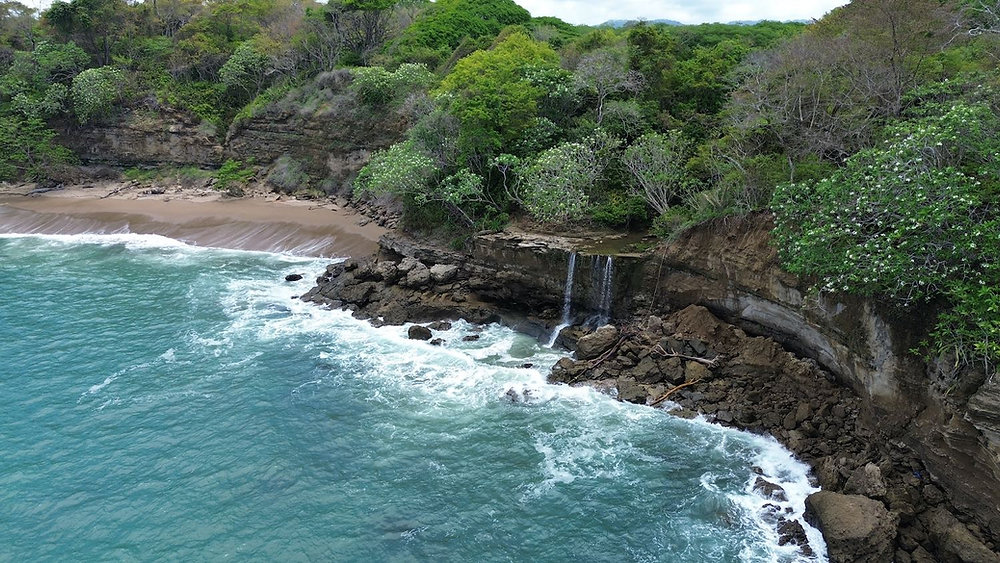
Its beaches are smaller, rockier, and more varied, with tide pools, hidden coves, and shaded stretches backed by jungle rather than rows of surf shops. While you can certainly swim and enjoy the coastline, the real attraction lies just beyond the beach.
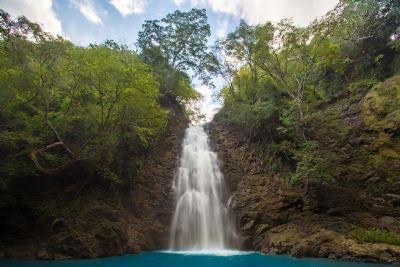
Within minutes of town, you’ll find Montezuma Waterfall, where rainforest trails lead to natural pools and cascading waterfalls that have become one of the area’s defining experiences.
For travelers who want variety instead of spending every day at the beach, Montezuma often feels more rewarding.
Nature Is Part of Everyday Life in Montezuma
One of Montezuma’s greatest strengths is how easily nature becomes part of your itinerary.
You don’t need to plan an entire day around seeing wildlife or hiking through protected forest. The town itself sits between the Pacific Ocean and some of the Nicoya Peninsula’s most important natural areas.
A short drive leads to Cabo Blanco Nature Reserve, Costa Rica’s first protected area, where hiking trails pass through tropical dry forest before reaching secluded stretches of coastline. The famous waterfalls are even closer, making it entirely possible to combine swimming beneath a jungle cascade with an afternoon on the beach.
Santa Teresa certainly offers beautiful scenery, but its attractions revolve more around the coastline itself. Surfing, beach walks, ATV adventures, fishing trips, and boat excursions dominate most itineraries.
If you picture your vacation alternating between forest and ocean, Montezuma has the advantage.
Which Town Has Better Restaurants and Nightlife?
Santa Teresa offers considerably more variety.
Its popularity has attracted chefs, entrepreneurs, and hospitality brands from around the world, creating a dining scene that ranges from casual smoothie cafés to sophisticated tasting menus. After sunset, many restaurants gradually transition into cocktail bars, and the social atmosphere continues well into the evening.
Montezuma remains much quieter.
Restaurants tend to be independently owned, evenings are more relaxed, and live music usually replaces DJs. Rather than planning your night around where everyone is gathering, you enjoy wherever the evening takes you.
For some travelers, that’s exactly the appeal.
Wellness in Two Different Styles
Both destinations attract travelers interested in wellness, but they approach it differently.
Montezuma’s yoga studios and holistic retreats blend naturally into the surrounding forest. Classes often take place in open-air spaces where birdsong replaces background music, creating an experience that feels closely connected to nature.
Santa Teresa has developed a more polished wellness scene.
Luxury retreats, beachfront yoga studios, cold plunges, recovery centers, and boutique spas have become part of the town’s identity. Travelers looking for structured wellness programs alongside upscale accommodation will generally find more options here.
The difference isn’t quality.
It’s atmosphere.
Where Should You Stay?
Accommodation reflects the personality of each destination.
In Montezuma, many hotels are small eco-lodges, hillside cabins, or boutique properties surrounded by tropical vegetation. Even luxury accommodation tends to emphasize privacy and immersion in nature rather than elaborate facilities.
Santa Teresa offers a wider range of high-end boutique hotels, architect-designed villas, and modern beachfront properties. Design, comfort, and lifestyle amenities play a larger role, and prices often reflect the town’s international popularity.
Budget travelers can find options in both places, but Santa Teresa generally commands higher rates year-round, especially during the dry season.
Getting There
Reaching either destination requires some planning, which is part of what has helped preserve the southern Nicoya Peninsula’s unique character.
Most visitors arrive through Juan Santamaría International Airport (SJO) before driving to Puntarenas and taking the ferry to Paquera. From there, the road continues south through small towns and coastal forest.
Montezuma is the first of the two destinations, making it slightly quicker to reach after leaving the ferry.
Santa Teresa lies farther along the peninsula, requiring additional driving before you arrive.
Although the difference isn’t dramatic, it can be noticeable after a full day of travel.
So, Which One Should You Choose?
Choose Montezuma if your ideal vacation includes waterfalls, wildlife, hiking, quiet beaches, and a town that still feels authentic and slightly off the beaten path. It’s especially well suited to couples, independent travelers, photographers, and anyone who enjoys combining nature with a relaxed beach atmosphere.
Choose Santa Teresa if surfing is your priority or if you prefer a destination with more restaurants, boutique hotels, nightlife, and an energetic international community. It appeals to surfers, digital nomads, wellness travelers, and visitors looking for a more social experience.
Both destinations showcase the natural beauty of the Nicoya Peninsula.
They invite you to experience it in different ways.
Final Thoughts
Comparing Montezuma and Santa Teresa isn’t really about deciding which town is better.
It’s about deciding what kind of trip you want to remember.
If you imagine mornings hiking through protected forest, afternoons swimming beneath waterfalls, and evenings in a quiet beach town where nature still sets the pace, Montezuma is likely the better fit.
If your perfect vacation revolves around surf sessions, stylish cafés, beachfront sunsets, and a lively social atmosphere, Santa Teresa will probably feel like home.
Whichever you choose, you’ll experience one of Costa Rica’s most beautiful stretches of coastline.
And if time allows, consider visiting both. They’re close enough to complement each other while offering two remarkably different perspectives on the Nicoya Peninsula.
Related Posts
Montezuma, Costa Rica: Waterfalls, Jungle Trails & Bohemian Beach Living
Not every beach town in Costa Rica revolves around surfing…
Hiking Adventures Around Montezuma
Hiking adventures around Montezuma offer some of the most rewarding outdoor…