Wondering how to get to Nosara, Costa Rica? Most international visitors arrive through Liberia Airport (LIR) or Juan Santamaría International Airport (SJO). From there, you can rent a car, book a shuttle, arrange a private transfer, or use public transportation. Domestic flights also connect San José with Nosara Airport.
Liberia is the closer international airport, with a drive of approximately 2.5–3.5 hours. From San José’s airport, allow roughly 5–7 hours by road, depending on traffic, weather, and your destination within Nosara.
The best option depends on your arrival time, budget, luggage, and plans after reaching the coast.
Where Is Nosara?
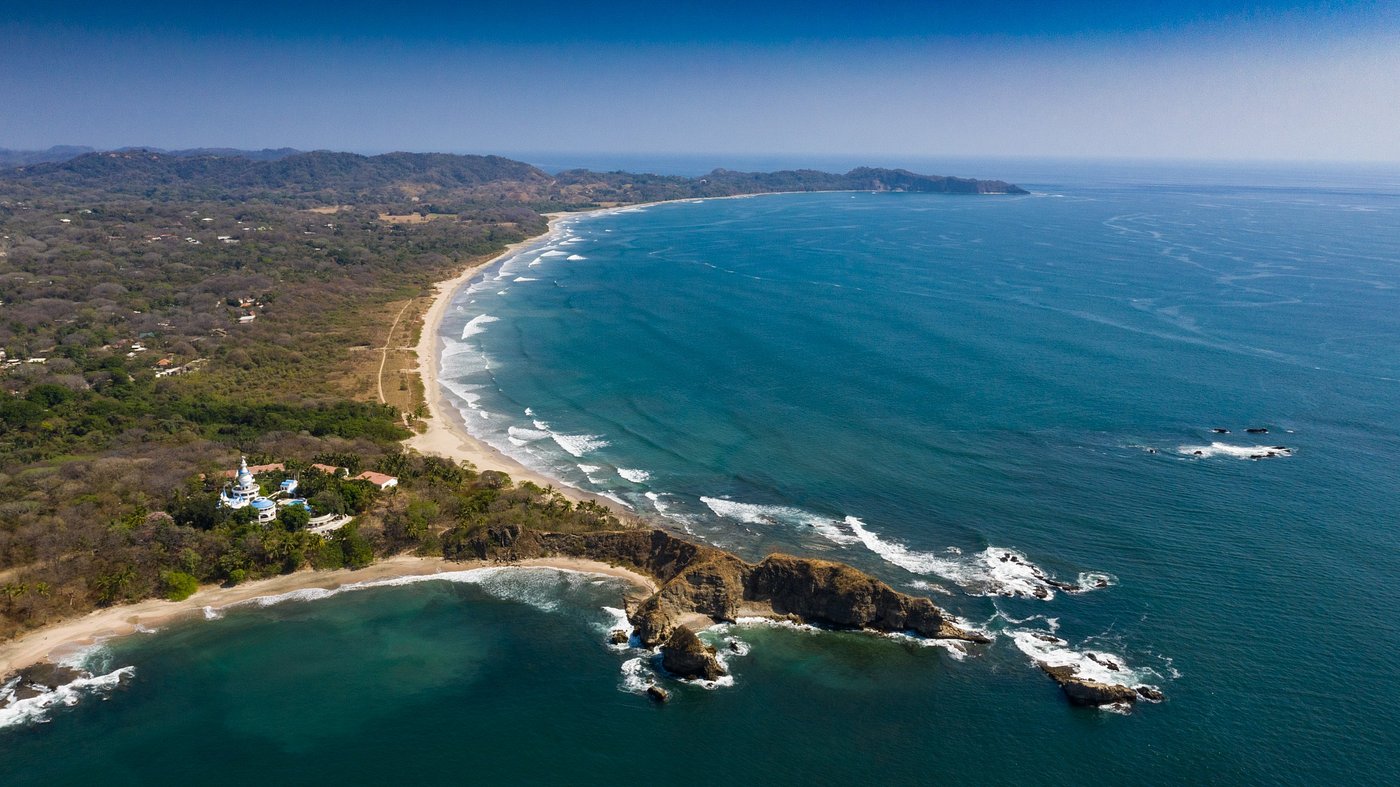
Nosara is located on the western side of Costa Rica’s Nicoya Peninsula, in Guanacaste Province.
The destination includes several communities rather than one compact beachfront town. Playa Guiones is the main surfing and tourism area, while Playa Pelada has restaurants and coastal accommodations. Nosara Centro lies farther inland, and Playa Garza is south of Guiones.
Because these communities are spread out, your accommodation’s exact location matters when arranging transportation.
Which Airport Is Best for Nosara?
Costa Rica has two major international airports that travelers commonly use to reach Nosara.
Liberia International Airport (LIR)
Guanacaste Airport, officially Daniel Oduber Quirós International Airport, is located near Liberia.
It is the closest major international airport to Nosara.
The road journey generally takes around 2.5–3.5 hours, although heavy rain, traffic, or difficult local roads can extend the trip.
From LIR, travelers can rent a car, reserve a private transfer, or book a shared shuttle.
For visitors who can find convenient international flights to Liberia, this airport usually reduces ground transportation time.
However, compare the complete itinerary before booking. A cheaper or more convenient flight to San José may outweigh the additional journey.
Juan Santamaría International Airport (SJO)
Juan Santamaría International Airport is located in Alajuela, near San José.
It provides another option for international arrivals and domestic flight connections.
The drive to Nosara commonly takes approximately 5–7 hours. However, congestion around the Central Valley and delays on major highways can increase travel time.
If you arrive late in the afternoon, consider spending the night near the airport before starting a long drive.
Alternatively, a domestic flight to Nosara may reduce the amount of time spent on the road.
How to Get to Nosara: Transportation Comparison
| Transportation | Best for | Main consideration |
|---|---|---|
| Rental car | Independent travelers | Driving conditions and rental costs |
| Shared shuttle | Solo travelers and couples | Fixed schedules and possible stops |
| Private transfer | Families and groups | Cost per vehicle and luggage capacity |
| Domestic flight | Travelers with limited time | Flight schedules and baggage restrictions |
| Public bus | Budget travelers | Departure times and local connections |
Each option has advantages.
For example, a rental car provides flexibility once you reach Nosara. Meanwhile, a shared shuttle allows you to avoid driving.
A domestic flight may be convenient from San José, but check-in and ground transfers add time to the journey.
Driving from Liberia Airport to Nosara
Driving from Liberia is a common way to reach Nosara.
A practical route follows Route 21 south toward Nicoya, then Route 150 toward Sámara and Route 160 toward Garza and Guiones.
However, navigation applications may suggest alternatives. Therefore, confirm the recommended route before departure.
Allow approximately 2.5–3.5 hours for the journey under typical conditions.
Much of the drive uses paved roads, although local access roads may include gravel, potholes, and uneven surfaces.
What to Expect Along the Route
After leaving Liberia, the journey passes through towns and rural areas of Guanacaste.
Fuel stations and restaurants are available along the main road network. Nevertheless, it is sensible to start with enough fuel.
Once you approach Nosara, driving speeds may decrease because of road conditions and local traffic.
If you arrive after dark, use additional caution on unfamiliar roads with limited lighting.
Driving from San José to Nosara
The journey from San José is longer.
One common route uses Route 27 toward the Pacific, followed by connections to Route 1 and the roads leading across the Tempisque River at La Amistad Bridge.
From there, drivers continue toward Nicoya and the Nosara area.
The precise route depends on traffic, road closures, and your destination.
Plan for approximately 5–7 hours from SJO, with additional time during congestion or heavy rainfall.
Should You Drive After Landing?
That depends on your arrival time and experience driving in Costa Rica.
If you land early, you may have enough daylight to complete the journey comfortably.
However, immigration, baggage collection, and rental car pickup can take time.
For late arrivals, an overnight stay near SJO may be more practical.
Before departing, download offline maps and check the latest road conditions.
Do You Need a 4×4 to Reach Nosara?
A four-wheel-drive vehicle is not always necessary.
Many travelers reach the main Nosara communities using regular rental cars or SUVs, particularly when road conditions are favorable.
However, the final road to your accommodation may influence your vehicle choice.
Properties on steep, unpaved roads can require more ground clearance. During heavy rain, certain routes may also become difficult.
A high-clearance SUV and a four-wheel-drive vehicle are not the same thing. Four-wheel drive provides additional traction, while ground clearance helps avoid contact with uneven surfaces.
Before reserving a vehicle, ask your accommodation about its access road.
Also, check rental company restrictions. Never attempt to cross a flooded road or river simply because your vehicle has four-wheel drive.
Domestic Flights to Nosara
Flying can reduce travel time for visitors arriving through San José.
Costa Rican domestic airline advertises direct flights between San José and Nosara Airport (NOB).
The flight takes approximately 45 minutes.
However, flight schedules and available seats depend on the travel date. Therefore, confirm the service before booking international connections.
What About Baggage?
Domestic aircraft have stricter baggage limitations than many international flights.
SANSA currently lists a maximum personal-item weight of 10 pounds (4.5 kilograms). Checked baggage allowances depend on the purchased fare.
Additionally, oversized equipment may require special arrangements.
If you are bringing a surfboard, contact the airline before purchasing your ticket.
After landing at Nosara Airport, you will still need transportation to your accommodation.
Shared Shuttles to Nosara
Shared shuttles offer an alternative for travelers who prefer not to drive.
Services are available between Liberia Airport and Nosara, while other routes may connect the area with San José and popular destinations.
However, availability depends on the operator and departure date.
Some services use fixed departure times, while others require advance reservations or minimum passenger numbers.
What to Check Before Booking
Confirm your pickup location, departure time, luggage allowance, and final drop-off point.
Also, ask what happens if your international flight arrives late.
A shared shuttle may make additional stops, so the journey can take longer than a direct private transfer.
For travelers staying near Playa Guiones, confirm whether the service reaches the accommodation or stops at a central meeting point.
Private Transfers to Nosara
Private transfers provide direct transportation from an airport or hotel to Nosara.
This option can be convenient for families, groups, and travelers carrying several bags.
You can arrange a vehicle that matches your group size and luggage requirements.
However, confirm the details before booking.
Some operators include airport waiting time, while others charge extra for delays or additional stops.
If traveling with children, request appropriate child seats in advance.
Are Private Transfers Worth the Cost?
For one traveler, a private transfer may cost substantially more than a shared shuttle.
However, groups can divide the total vehicle cost among several passengers.
Compare the complete quotation rather than assuming one service is always cheaper.
Also, confirm whether the quoted price includes taxes, waiting time, and transportation to your exact accommodation.
Traveling to Nosara by Public Bus
Public buses provide a lower-cost alternative to private transportation.
Importantly, travelers do not always need to change buses in Nicoya.
Costa Rica’s Public Transport Council identifies a route connecting San José with Nosara, operated by Transporte Inteligente de Guanacaste (TIG).
However, departure times, boarding locations, and ticket arrangements should be confirmed before travel.
From San José
Travelers can use the direct San José–Nosara service when its schedule fits their itinerary.
The journey takes several hours and may include stops along the route.
If the direct departure is unsuitable, another option may involve traveling to Nicoya and arranging a connecting bus.
From Liberia
Travelers starting in Liberia can use regional bus connections toward Nicoya before continuing to Nosara.
However, verify the current timetable and transfer point.
Public buses may not stop directly outside your accommodation. Therefore, allow for a final taxi journey if necessary.
Can You Visit Nosara Without a Car?
Yes, particularly if you stay near Playa Guiones.
Some accommodations are within walking distance of restaurants, surf schools, yoga studios, and beach access points.
However, Nosara is spread across several communities.
Walking between Guiones, Pelada, Nosara Centro, and Garza may be impractical depending on your location.
Bicycles and local taxis can help with shorter trips, although availability varies.
Golf carts may also be available, but check local operating rules and rental conditions.
If you plan to visit multiple beaches or explore surrounding areas, a rental car provides greater flexibility.
Road Conditions and Seasonal Travel
Costa Rica’s Pacific coast has distinct dry and rainy periods.
The dry season generally runs from December through April. During this period, roads are less likely to experience rain-related disruptions.
However, dust, potholes, and traffic can still affect driving.
The greener season generally runs from May through November.
Heavy rainfall can create muddy conditions, reduce visibility, and occasionally disrupt local routes.
Therefore, travelers should check current conditions rather than relying only on seasonal averages.
Driving After Dark
Night driving requires additional attention on unfamiliar roads.
Some rural areas have limited street lighting. Pedestrians, cyclists, animals, and uneven road surfaces can also be harder to see.
Whenever possible, plan enough time to reach your accommodation before dark.
However, if you must drive at night, reduce your speed and follow local road conditions.
Fuel, ATMs, and Arrival Essentials
Nosara has grocery stores, restaurants, pharmacies, and other everyday services.
However, opening hours and payment options vary.
If you are arriving late, confirm whether your accommodation offers after-hours check-in.
Before leaving the airport, download offline navigation maps and save your accommodation’s contact information.
Also, consider carrying some Costa Rican colones for smaller purchases.
When renting a car, check the fuel level and identify suitable places to refuel along your route.
Finally, avoid assuming every rural business accepts international credit cards.
Which Transportation Option Should You Choose?
For most travelers arriving at Liberia Airport, a rental car or prearranged transfer is a practical choice.
However, the right option depends on your plans.
Solo travelers may prefer a shared shuttle or public bus.
Couples who intend to explore several beaches may benefit from renting a vehicle.
Families should compare private transfers with rental cars, particularly when traveling with children and luggage.
Meanwhile, visitors arriving through SJO can compare the longer road journey with a domestic flight.
If you are staying in Playa Guiones and mainly plan to surf, take yoga classes, and visit nearby restaurants, you may not need a vehicle throughout your stay.
Frequently Asked Questions
Which airport is closest to Nosara Costa Rica?
Liberia International Airport (LIR) is the closest major international airport. The road journey generally takes approximately 2.5–3.5 hours.
How do you get from San José to Nosara?
You can drive, take a private or shared shuttle, use a public bus, or book a domestic flight to Nosara Airport.
Can you fly directly to Nosara?
Yes. SANSA advertises direct domestic flights between San José and Nosara. However, schedules and availability should be checked for your travel dates.
Do you need a 4×4 to drive to Nosara?
Not always. Many travelers use regular cars or SUVs. However, a higher-clearance or four-wheel-drive vehicle may be useful for difficult access roads.
Is there a direct bus from San José to Nosara?
Yes. A direct public bus route connects San José with Nosara. Confirm current departures and ticket information with the operator.
Can you stay in Nosara without renting a car?
Yes. Staying near Playa Guiones can make walking to some restaurants, surf schools, and beaches practical. However, exploring the wider area is easier with transportation.
What is the cheapest way to reach Nosara?
Public buses are generally the lowest-cost ground transportation option. However, compare the complete journey, including transfers and any final taxi ride.
Final Thoughts
Choosing how to get to Nosara depends on your arrival airport, travel budget, and plans after reaching the coast.
Liberia usually offers the shorter road transfer. Meanwhile, San José provides access to domestic flights and additional ground transportation options.
Before traveling, confirm schedules, road conditions, and your accommodation’s location. These details will help you choose transportation that fits your itinerary without unnecessary delays.
Related Posts
Nosara vs Tamarindo: Which Beach Is Right for You?
Nosara and Tamarindo are two of Costa Rica’s most popular…
Living in Nosara, Costa Rica: Cost of Living & Daily Life
Living in Nosara Costa Rica offers access to Pacific beaches,…
Best Surf Beaches in Nosara, Costa Rica: Spots for Every Level
The best surf beaches in Nosara offer different conditions, but Playa Guiones…