Costa Rica is one of the few places in the world where humpback whales can be seen during two different migration seasons each year. While many whale-watching destinations experience only one annual migration, Costa Rica’s Pacific coast welcomes humpback whales from both the Northern and Southern Hemispheres, creating an unusually long viewing season that stretches across much of the year.
Every year, these magnificent marine mammals travel thousands of miles from cold feeding grounds to the warm tropical waters of Costa Rica. Here they rest, give birth, nurse their calves, and mate before beginning the long journey back toward higher latitudes.
This remarkable migration makes Costa Rica one of the world’s premier whale-watching destinations and offers visitors multiple opportunities to observe humpback whales in their natural environment.
Whether you’re planning a dedicated whale-watching vacation or hoping to include a marine wildlife excursion during your trip, understanding the migration helps you choose the best destination and the best time to visit.
Why Do Humpback Whales Migrate?
Humpback whales undertake one of the longest migrations of any mammal on Earth.
During the colder months, they feed in nutrient-rich waters near the polar regions where enormous quantities of krill and small fish provide the energy needed for the rest of the year.
As winter approaches, food becomes less abundant and breeding season begins.
Rather than giving birth in cold waters, humpback whales travel thousands of miles toward warmer tropical regions where calves have a much better chance of surviving their first months of life.
Costa Rica provides exactly the conditions they need.
Its warm Pacific waters offer a safe environment for:
- Giving birth
- Nursing calves
- Mating
- Resting before returning to colder waters
Unlike feeding grounds, whales rarely eat during migration. Instead, they rely on energy reserves built up during months of feeding farther north or south.
Costa Rica’s Unique Two-Migration Season
One of Costa Rica’s greatest advantages is its location between two major whale populations.
Rather than receiving whales from only one hemisphere, Costa Rica welcomes two separate migrations.
Northern Hemisphere Population
Whales from the North Pacific migrate south from feeding grounds around Alaska, British Columbia, Washington, Oregon, and California.
These whales generally arrive in Costa Rica between December and April.
Although numbers vary each year, this migration provides excellent whale-watching opportunities during Costa Rica’s dry season.
Southern Hemisphere Population
A second population begins arriving several months later.
These whales migrate north from Antarctica and southern Chile, traveling extraordinary distances before reaching Costa Rica.
They generally visit between July and October, with August and September often considered the peak months in many parts of the country.
Because this migration overlaps with Costa Rica’s green season, visitors often enjoy lush landscapes alongside excellent whale watching.
Why Costa Rica Is So Important for Humpback Whales
Unlike colder feeding grounds, Costa Rica functions as a breeding and nursery area.
The warm Pacific waters reduce heat loss for newborn calves, allowing them to conserve energy while growing stronger before beginning the long migration.
Mothers spend weeks caring for their calves, which nurse frequently and rapidly gain weight.
Adult males compete for breeding opportunities while communicating through complex vocalizations that humpback whales are famous for.
This combination of breeding, nursing, and resting makes Costa Rica one of the most important whale habitats in the eastern Pacific.
Where Can You See Humpback Whales?
Although whales occasionally appear along much of Costa Rica’s Pacific coast, several destinations consistently provide the best viewing opportunities.
Marino Ballena National Park
Located near Uvita, Marino Ballena National Park is widely considered Costa Rica’s premier whale-watching destination.
Its protected waters provide ideal conditions for mothers with calves, while numerous authorized boat tours operate throughout the migration seasons.
The park’s famous Whale Tail sandbar has become an international symbol of whale watching in Costa Rica.
Drake Bay
Drake Bay combines whale watching with one of Costa Rica’s richest wildlife destinations.
Many visitors explore Corcovado National Park before joining a marine tour in search of humpback whales, dolphins, sea turtles, and other marine wildlife.
Because the surrounding waters remain relatively uncrowded, whale-watching experiences often feel especially intimate.
Golfo Dulce
The sheltered waters of Golfo Dulce support remarkable marine biodiversity.
Although the gulf is especially famous for resident dolphins, humpback whales also enter the area during migration.
Its calm conditions often provide excellent opportunities for observing mothers with young calves.
Osa Peninsula
The waters surrounding the Osa Peninsula consistently rank among Costa Rica’s richest marine ecosystems.
Boat tours departing from several communities explore areas where whales, dolphins, sea turtles, manta rays, and countless seabirds can all be observed during the same excursion.
What Will You See During a Whale-Watching Tour?
Every encounter is different.
Some whales surface quietly beside the boat.
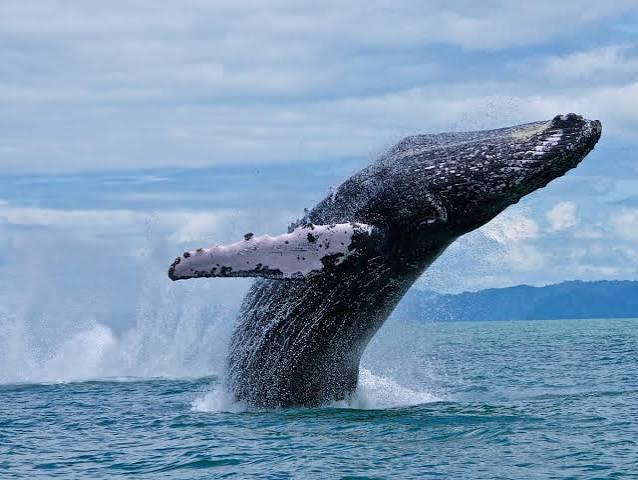
Others perform spectacular displays that remain unforgettable for visitors.
Common behaviors include:
- Blowing through their blowholes.
- Tail slapping.
- Pectoral fin slapping.
- Spyhopping.
- Breaching.
- Mothers swimming with calves.
Calves often remain close to their mothers, surfacing regularly to breathe while gradually learning behaviors they will need throughout their lives.
Watching these interactions is often the highlight of a whale-watching excursion.
How Long Is the Migration?
Although exact timing changes slightly every year, Costa Rica enjoys whale activity during much of the calendar year.
General migration periods include:
- December to April: Northern Hemisphere humpback whales.
- July to October: Southern Hemisphere humpback whales.
This unusual pattern gives Costa Rica one of the world’s longest whale-watching seasons.
Very few destinations offer comparable opportunities.
Other Marine Wildlife You May Encounter
Whale-watching tours frequently become complete marine wildlife excursions.
Depending on the destination and season, visitors may also observe:
- Bottlenose dolphins
- Pantropical spotted dolphins
- Sea turtles
- Flying fish
- Rays
- Seabirds
- Occasionally whale sharks during offshore excursions
Every trip differs because wildlife moves freely through the ocean.
That unpredictability is part of the experience.
Responsible Whale Watching
Responsible tourism plays an essential role in protecting humpback whales.
Costa Rica has developed regulations that help minimize disturbance while allowing visitors to observe these remarkable animals.
Responsible operators generally:
- Maintain appropriate viewing distances.
- Limit boat speed near whales.
- Reduce engine noise whenever possible.
- Avoid surrounding whales with multiple vessels.
- Never pursue animals aggressively.
Visitors also contribute by choosing licensed operators committed to sustainable marine tourism.
Responsible whale watching helps ensure future generations can enjoy these migrations.
Tips for Planning Your Trip
If whale watching is your main goal, plan your vacation around one of the migration seasons.
Morning tours often provide calmer seas, making wildlife easier to observe while reducing the likelihood of seasickness.
Bring:
- Sunscreen
- Sunglasses
- A hat
- Water
- Binoculars
- A camera with a zoom lens
- A lightweight waterproof jacket during the green season
Remember that wildlife sightings are never guaranteed.
However, traveling during peak migration periods significantly improves your chances.
Frequently Asked Questions
Why does Costa Rica have two whale seasons?
Because humpback whales from both the Northern and Southern Hemispheres migrate to Costa Rica at different times of the year.
What is the best month to see humpback whales?
August and September generally offer excellent viewing opportunities, while January through March are also very productive.
Where is the best place for whale watching?
Marino Ballena National Park near Uvita is widely considered Costa Rica’s top whale-watching destination, although Drake Bay and Golfo Dulce also provide outstanding experiences.
Do whales give birth in Costa Rica?
Yes. Many females give birth in Costa Rica’s warm Pacific waters before beginning the return migration with their calves.
Can children join whale-watching tours?
Yes. Whale watching is one of Costa Rica’s most family-friendly wildlife experiences.
Final Thoughts
The humpback whale migration is one of Costa Rica’s greatest natural spectacles.
Few places on Earth allow visitors to observe whales from two different hemispheres within the same year, making the country truly unique among global whale-watching destinations.
Whether you choose the protected waters of Marino Ballena National Park, the remote beauty of Drake Bay, or the biodiversity of Golfo Dulce, witnessing a humpback whale surface beside your boat is an experience that stays with you long after your journey ends.
Understanding the migration not only helps you plan the perfect trip but also highlights the importance of protecting the marine ecosystems these remarkable animals depend on every year.
Related Posts
Olive Ridley Turtle Nesting Events: Witness Costa Rica’s Incredible Arribadas
Every year, one of the world’s most extraordinary wildlife events…
Best Time for Whale Watching in Costa Rica
Costa Rica is one of the world’s best destinations for…
Leatherback Turtle Conservation: Protecting the World’s Largest Sea Turtle in Costa Rica
Leatherback sea turtles have crossed the world’s oceans for more…