If there is one destination that defines whale watching in Costa Rica, it is Uvita. Located along the country’s southern Pacific coast, this small beach town is home to Marino Ballena National Park, one of the most important breeding and nursery areas for humpback whales in the Eastern Pacific.
Unlike many whale-watching destinations that experience only one migration season each year, Uvita welcomes humpback whales from both the Northern and Southern Hemispheres. This unique location allows visitors to observe whales during two different seasons, making Uvita one of the longest-running whale-watching destinations in the world.
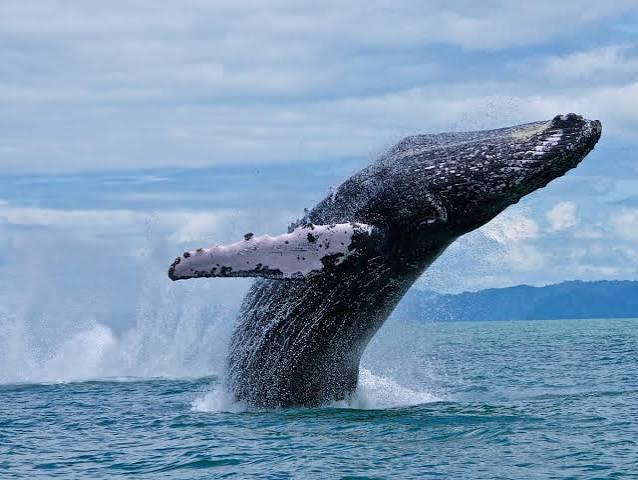
Seeing a humpback whale surface beside your boat, watching a mother swim with her calf, or witnessing a spectacular breach against the backdrop of Costa Rica’s rainforest-covered coastline is an unforgettable experience.
Whether whale watching is the main reason for your trip or simply one activity among many, Uvita offers some of the country’s finest marine wildlife experiences.
Why Uvita Is Costa Rica’s Whale Watching Capital
Several factors combine to make Uvita the country’s premier whale-watching destination.
The protected waters of Marino Ballena National Park provide calm conditions where humpback whales come to give birth, nurse their calves, and mate before continuing their migration.
Unlike open ocean environments, the park offers relatively sheltered waters that are ideal for newborn whales during their first weeks of life.
Because whales return year after year, Uvita has become internationally recognized for reliable whale sightings during migration season.
The surrounding scenery also adds to the experience.
Dense rainforest meets the Pacific Ocean, creating one of Costa Rica’s most spectacular coastal landscapes.
Marino Ballena National Park
Established in 1989, Marino Ballena National Park was Costa Rica’s first national park created specifically to protect marine ecosystems.
The park covers more than 13,000 acres (5,400 hectares) of ocean along with several miles of coastline.
Its most recognizable feature is the famous Whale Tail, a natural sandbar that becomes visible during low tide.
From above, the formation resembles the tail of a humpback whale, making it an appropriate symbol for one of the world’s great whale-watching destinations.
Although many visitors walk the Whale Tail during low tide, the real highlights lie offshore.
Why Humpback Whales Visit Uvita
Humpback whales migrate to Costa Rica to breed rather than feed.
After spending months feeding in cold northern or southern waters, they travel thousands of miles to reach Costa Rica’s warm Pacific coast.
Here they:
- Give birth.
- Nurse newborn calves.
- Mate.
- Rest before returning to colder waters.
Warm tropical water allows calves to conserve energy during the first months of life while they grow strong enough for the long migration ahead.
This makes Marino Ballena National Park one of the most important nursery areas in the Eastern Pacific.
Whale Watching Seasons
One of Uvita’s greatest advantages is having two whale seasons each year.
Northern Hemisphere Migration
Whales arriving from Alaska, Canada, and the western United States generally visit between December and April.
This migration coincides with Costa Rica’s dry season, making it especially popular with international visitors.
Southern Hemisphere Migration
A second population migrates north from Antarctica and southern Chile.
These whales usually arrive between July and October, with August and September often producing the largest numbers.
Because this season overlaps with Costa Rica’s green season, visitors enjoy lush forests alongside exceptional wildlife viewing.
What Can You Expect During a Tour?
Every whale-watching excursion is different because wildlife moves freely through the ocean.
However, humpback whales often display behaviors that leave visitors speechless.
You may observe:
- Powerful blows as whales surface to breathe.
- Tail slapping.
- Pectoral fin slapping.
- Mothers swimming beside calves.
- Spyhopping.
- Full-body breaches.
Young calves often remain very close to their mothers while learning essential behaviors needed for migration.
Watching these interactions is one of the highlights of visiting Uvita.
Other Marine Wildlife
Whales are only part of the experience.
Boat tours frequently encounter additional marine wildlife, including:
- Bottlenose dolphins.
- Pantropical spotted dolphins.
- Sea turtles.
- Rays.
- Flying fish.
- Brown boobies.
- Pelicans.
- Frigatebirds.
Depending on conditions, one excursion may include sightings of several different species.
Is Whale Watching Good for Families?
Absolutely.
Whale watching is one of Costa Rica’s best wildlife activities for families because it requires very little physical effort while creating unforgettable memories.
Children often become fascinated watching whales surface beside the boat or seeing calves swimming next to their mothers.
Parents should remember that tours take place on the open ocean, so younger children may benefit from motion sickness precautions if they are sensitive to boat travel.
Responsible Whale Watching
Costa Rica places strong emphasis on protecting marine wildlife.
Responsible tour operators follow national regulations designed to minimize disturbance to whales.
Good operators:
- Maintain safe viewing distances.
- Reduce speed when approaching whales.
- Limit engine noise.
- Never chase or surround animals.
- Respect mothers with calves.
Choosing responsible operators helps protect these remarkable animals while supporting sustainable tourism.
What Should You Bring?
Preparing for your excursion makes the experience much more enjoyable.
Bring:
- Sunscreen.
- Sunglasses.
- A hat.
- Water.
- Camera.
- Binoculars.
- Lightweight rain jacket during the green season.
Even cloudy days can produce strong tropical sun, so sun protection remains important throughout the tour.
Best Time of Day
Morning departures generally provide the calmest ocean conditions.
Lighter winds often create smoother water, making whales easier to observe and photograph.
Earlier tours also reduce the chance of afternoon rain during the green season.
Although whales can appear at any time, morning trips are usually the preferred choice.
Can You See Whales from Shore?
Occasionally, yes.
During peak migration periods, whales are sometimes visible from beaches around Uvita and Marino Ballena National Park.
However, most sightings occur farther offshore.
Boat tours provide much closer views while allowing guides to locate whales safely and responsibly.
Combine Whale Watching with Other Activities
One of the advantages of staying in Uvita is the variety of nearby experiences.
Many travelers combine whale watching with:
- Marino Ballena National Park.
- Nauyaca Waterfalls.
- Corcovado National Park.
- Caño Island snorkeling.
- Rainforest hiking.
- Beach time.
Because Uvita sits between Manuel Antonio and the Osa Peninsula, it also serves as an excellent base for exploring Costa Rica’s southern Pacific region.
Frequently Asked Questions
Is Uvita the best place for whale watching in Costa Rica?
Yes. Marino Ballena National Park is widely considered Costa Rica’s premier whale-watching destination.
What is the best month to visit?
August and September usually offer peak sightings from the Southern Hemisphere migration, while January through March are excellent during the Northern Hemisphere migration.
Can you see baby whales?
Yes. Mothers frequently bring newborn calves into the protected waters around Uvita.
How long do tours last?
Most whale-watching excursions last several hours, although exact durations vary.
Are sightings guaranteed?
Wildlife is never guaranteed, but Uvita has one of the highest success rates in Costa Rica during migration season.
Final Thoughts
Whale watching in Uvita offers one of Costa Rica’s most unforgettable wildlife experiences.
The combination of two annual humpback whale migrations, the protected waters of Marino Ballena National Park, and the spectacular scenery of the southern Pacific coast creates an opportunity found in very few places around the world.
Whether you witness a whale breaching beside your boat, a curious calf swimming with its mother, or hear the powerful sound of a whale’s breath rising from the ocean, you’ll leave with a deeper appreciation for these extraordinary marine mammals.
For travelers who dream of seeing humpback whales in the wild, few destinations compare to Uvita.
Related Posts
Best Time for Whale Watching in Costa Rica
Costa Rica is one of the world’s best destinations for…
Dolphin Species Found in Costa Rica: A Guide to the Country’s Most Fascinating Marine Mammals
Costa Rica is famous for its rainforests, volcanoes, and incredible…
Leatherback Turtle Conservation: Protecting the World’s Largest Sea Turtle in Costa Rica
Leatherback sea turtles have crossed the world’s oceans for more…