If you’ve traveled Costa Rica’s Pacific coast before, Puerto Viejo will surprise you. The southern Caribbean follows a completely different weather rhythm, one that often rewards travelers who understand its nuances. While Guanacaste and Manuel Antonio experience a clear dry and rainy season, Puerto Viejo dances to its own pattern — and in many ways, that unpredictability is part of its charm.
For travelers planning a beach vacation, a snorkeling trip to Punta Uva, or even a long-term stay, understanding Puerto Viejo’s climate can make all the difference.
An Overview of Puerto Viejo and Its Caribbean Setting
Puerto Viejo de Talamanca sits on Costa Rica’s southeastern Caribbean coast, near the Panamanian border. The town stretches from Playa Negra through Playa Cocles, Playa Chiquita, Punta Uva, and down to Manzanillo. Lush rainforest meets coral reef here, and that combination shapes both the scenery and the weather.
Because Puerto Viejo faces the Caribbean Sea rather than the Pacific Ocean, it is influenced by different wind patterns and moisture systems. The result is a climate that does not follow Costa Rica’s typical December–April dry season and May–November rainy season formula.
Understanding Caribbean Weather Patterns
The biggest misconception about Puerto Viejo is assuming it shares the same rainy season as the Pacific coast. It doesn’t.
While much of Costa Rica experiences its heaviest rainfall from September through October, those months are often among the sunniest and calmest on the southern Caribbean coast. Conversely, Puerto Viejo can see heavier rainfall during November, December, and sometimes January — months that are the peak dry season elsewhere in the country.
In general:
- February, March, and April are typically sunny and warm.
- May through August can bring intermittent rain showers, usually in the afternoons.
- September and October are often unexpectedly dry and ideal for beach conditions.
- November is historically one of the wettest months.
Humidity remains high year-round, and temperatures typically range between 75–88°F (24–31°C).
Rain here rarely means full-day storms. More often, it arrives in short bursts followed by sunshine. The rainforest stays green, rivers flow strongly, and wildlife activity increases during wetter stretches.
Where to Stay Depending on the Season
Your choice of neighborhood can shape your experience during different weather patterns.
During wetter months, staying closer to town or in Playa Cocles is often convenient. Areas like Cocles offer paved access roads and proximity to restaurants and supermarkets. Boutique stays, such as Le Cameleon Boutique Hotel, offer easy beach access and solid infrastructure.
In sunnier stretches like September and October, Punta Uva and Playa Chiquita become particularly appealing. These quieter areas shine when the sea is calm, and the water turns glassy turquoise. Properties like Hotel Banana Azul, located just north of town, also provide beachfront access with reliable amenities year-round.
For longer stays, especially during peak rainy periods, confirm road conditions and drainage near your rental. Some jungle properties may feel more remote during heavy rains.
Best Things to Do During Wetter Months
Rainy periods in Puerto Viejo are not a reason to cancel a trip — they shift the focus.
Wildlife viewing improves dramatically. Cahuita National Park is especially vibrant during the green season, with monkeys, sloths, and tropical birds active along the coastal trail. The jungle appears denser and more alive.
The Jaguar Rescue Center offers meaningful indoor and outdoor experiences ideal for mixed-weather days.
Rain also enhances waterfalls and river conditions in nearby areas, and yoga studios and Caribbean cooking classes become welcome cultural alternatives when showers pass through.
Because rain typically falls in bursts, mornings often remain ideal for beach walks, surfing at Playa Cocles, or cycling between beaches before afternoon clouds build.
Best Months for Beach Conditions and Snorkeling
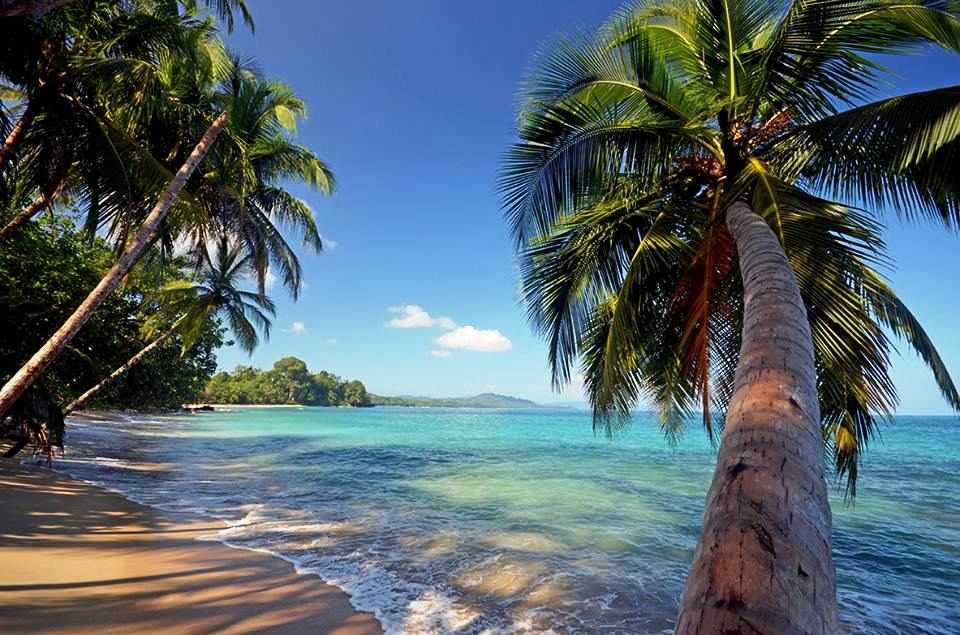
For calm water and ideal snorkeling, September and October are often the hidden gems. During these months, the sea frequently becomes glassy, and visibility improves at Punta Uva and Manzanillo.
February through April also offer consistent sunshine and good beach conditions, though the sea can be slightly more active than in early fall.
If snorkeling is your priority, target:
- September
- October
- March
- Early April
Punta Uva’s reef systems are particularly enjoyable when the water is calm, and boat tours departing from the area operate more consistently during these stable-weather windows.
Seasonal Travel Strategy for US and EU Visitors
For North American and European travelers, Puerto Viejo can be strategically timed.
Winter escape (January–March): Warm temperatures and manageable rain make this a popular period, though occasional Caribbean showers are possible.
Late summer / early fall (September–October): Ideal for travelers seeking fewer crowds and excellent beach conditions, particularly appealing for retirees and flexible remote workers.
Holiday season (December): Lively atmosphere, though rainfall can be heavier than on the Pacific coast.
Final Thoughts
Puerto Viejo’s weather does not follow Costa Rica’s typical rules, and that’s precisely why it rewards informed travelers. Its Caribbean microclimate offers sunshine when the Pacific is drenched and lush greenery when other regions turn dusty.
For families, independent travelers, and long-term visitors, flexibility is key. Expect humidity. Embrace passing showers. Plan beach mornings and jungle afternoons.
When you understand Puerto Viejo’s climate, you don’t just avoid disappointment — you unlock one of Costa Rica’s most unique coastal experiences.
Related Posts

Puerto Viejo for Digital Nomads and Long-Term Stays
On Costa Rica’s southern Caribbean coast, Puerto Viejo de Talamanca…
Puerto Viejo vs Tamarindo: Which Costa Rica Beach Town Is Right for You?
Choosing between Puerto Viejo de Talamanca on Costa Rica’s southern…
Puerto Viejo Nightlife Guide (Caribbean Vibes)
On Costa Rica’s southern Caribbean coast, nightlife doesn’t revolve around…