Poás Volcano in Costa Rica is one of the easiest places in the country to experience an active volcano without committing to a long or difficult hike. Located in the Central Valley, near Alajuela and San José, it combines dramatic crater views with relatively simple logistics.
So, is Poás Volcano worth visiting?
For many travelers, yes.
It is especially worthwhile if you are already staying near San José or SJO, want a high-impact natural experience with minimal hiking, or plan to combine the volcano with coffee country or other Central Valley attractions.
However, Poás is not a wilderness expedition. The visit is structured, the crater can disappear behind clouds, and the experience can be fairly short.
Knowing that before you go makes a major difference.
What Is Poás Volcano?
Poás Volcano rises to approximately 2,708 meters (8,885 feet) above sea level in Costa Rica’s Central Valley highlands.
It is an active volcano and the main attraction of Poás Volcano National Park.
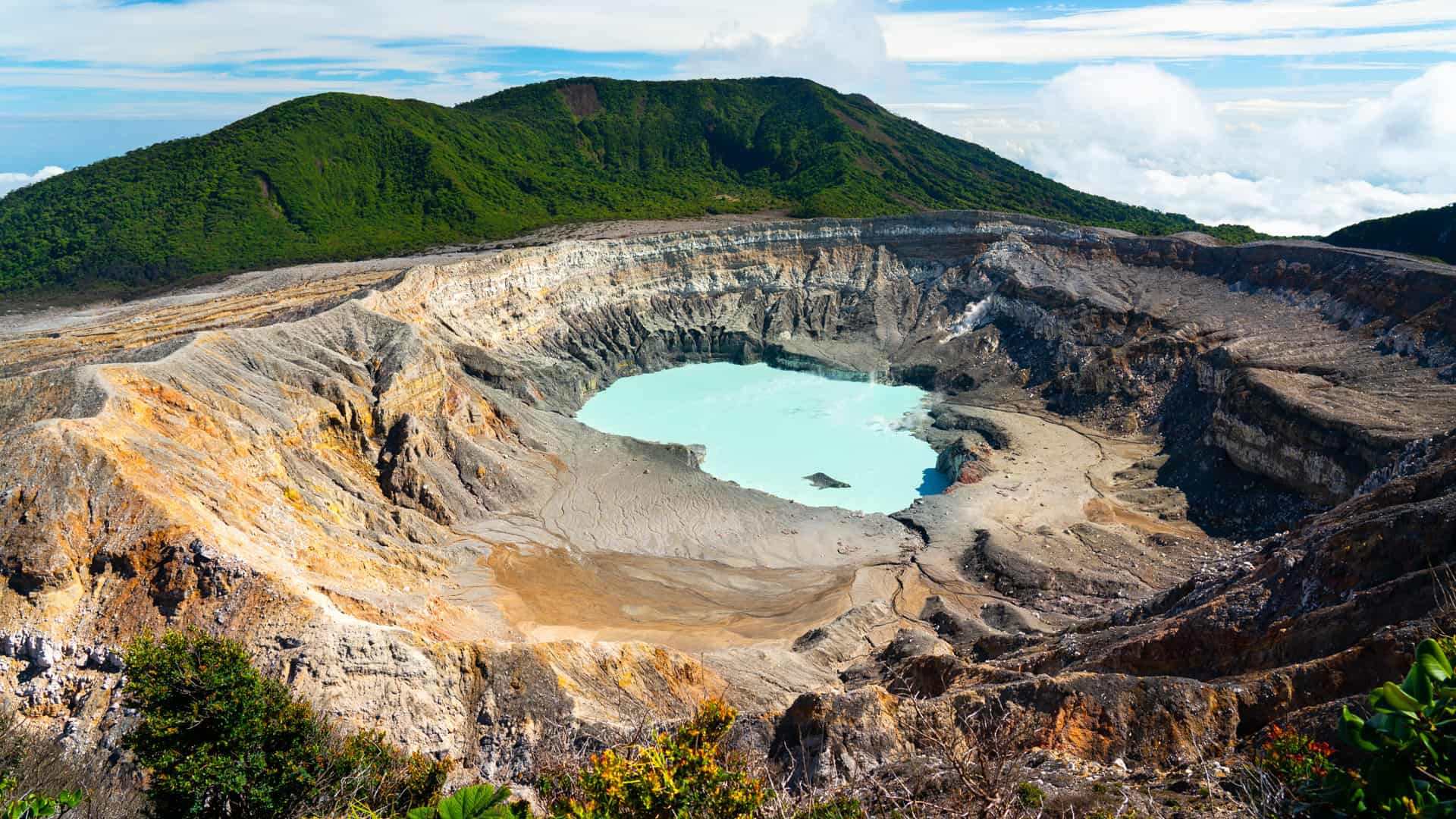
The volcano is known for its enormous main crater and acidic crater lake. Depending on volcanic activity and weather conditions, visitors may see steam rising from the crater while clouds move rapidly across the surrounding highlands.
Unlike many volcanic destinations, you do not need to complete a strenuous climb to reach the main viewpoint.
A relatively short paved route leads toward the crater area, making Poás accessible to a wide range of travelers.
That accessibility is one of its biggest advantages.
What the Experience Is Actually Like
Poás is best viewed as a short but dramatic geological experience.
Visitors enter the national park at a scheduled time and continue toward the main crater viewpoint.
When conditions are clear, the crater’s scale is impressive. The surrounding landscape is stark compared with the green coffee farms and mountain communities you pass on the drive up.
However, the weather is unpredictable.
Clouds can move across the crater quickly, sometimes reducing visibility within minutes.
That means you could arrive on a beautiful morning and still encounter a completely obscured crater.
This is one of the main reasons travelers have very different opinions about whether Poás was worth the trip.
A clear morning can be unforgettable.
A cloudy visit can feel much shorter and less rewarding.
Is the Crater View Guaranteed?
No.
This is the most important expectation to manage.
Poás sits at high elevation, and mountain weather changes rapidly.
Even during Costa Rica’s dry season, cloud cover can develop around the summit.
Morning visits generally offer better chances of clear visibility, but there are no guarantees.
If seeing the crater clearly is extremely important to you, try to keep your Central Valley itinerary somewhat flexible.
For more detailed timing advice, see the Poás Volcano Weather Guide.
How Difficult Is the Visit?
Poás is one of Costa Rica’s easier volcanic attractions physically.
You do not need advanced hiking ability.
The main crater experience involves a relatively short walk on an established route rather than a rugged mountain trek.
That makes it particularly suitable for:
- Families
- Baby Boomers
- Older travelers
- Visitors with limited time
- Travelers who prefer lighter activity
However, remember that the park is located at high elevation.
The air can feel cooler and thinner than in Alajuela or San José.
If you have mobility, respiratory, or other medical concerns, use appropriate medical guidance when planning the visit.
Do You Need Tickets in Advance?
Yes. Entry procedures are controlled, and reservations are an important part of planning a visit to Poás.
Do not assume you can drive to the park and purchase admission when you arrive.
Reserve your entry before building the rest of the day’s itinerary.
See the Poás Volcano Tickets and Reservations Guide for detailed instructions.
Because Poás is an active volcano, access rules and park conditions can change.
Check current official information shortly before your visit.
Where Should You Stay?
The most practical bases are Alajuela, the surrounding highlands, and San José.
Alajuela
Alajuela works especially well if Poás is one of your priorities.
It is closer to the volcano than central San José and is also near Juan Santamaría International Airport.
This makes it a strong choice for:
- A first night in Costa Rica
- A final night before departure
- Early-morning Poás visits
- Travelers continuing toward La Fortuna afterward.
Highland Lodges
Staying closer to the mountain can create a more atmospheric experience.
Small lodges and properties around the coffee-growing highlands offer cooler evenings, garden settings, and easier early departures.
This option works particularly well for couples and slow travelers.
San José
If you are already staying in San José, you do not need to relocate to visit Poás.
Just leave early and account for metropolitan traffic.
What Else Can You Do Near Poás?
Poás becomes more worthwhile when you combine it with another Central Valley experience.
The crater visit itself may not fill an entire day.
Coffee Tours
The highlands around Poás form part of Costa Rica’s historic coffee landscape.
A coffee farm visit after the volcano creates a natural combination of geology, agriculture, and culture.
For ideas, see Best Coffee Tours Near San José.
La Paz Waterfall Gardens
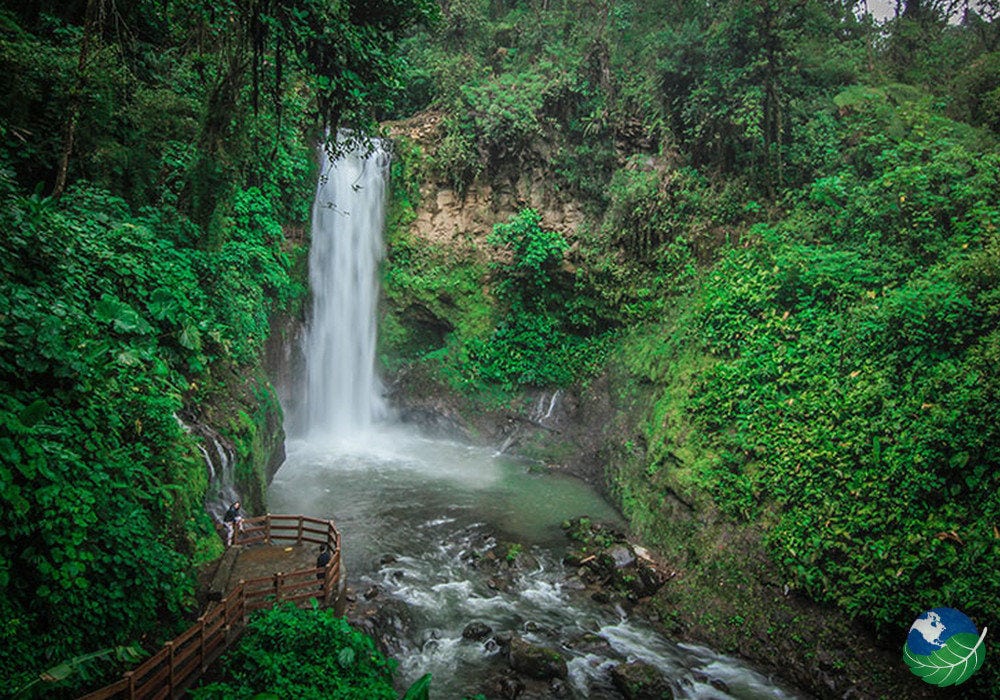
La Paz Waterfall Gardens is another popular pairing.
Poás works best early in the day, while the waterfall experience can fill the afternoon.
Together, they create a much fuller nature-focused excursion.
Continue Toward La Fortuna
Travelers heading north can also visit Poás in the morning and continue later toward La Fortuna or Lake Arenal.
However, keep the schedule realistic.
Mountain roads and weather can make travel slower than expected.
When Poás Is Definitely Worth Visiting
Poás is a particularly strong choice if you are already spending time in the Central Valley.
It is worth prioritizing if you:
- Want to see an active volcanic landscape.
- Prefer easy walking rather than strenuous hiking.
- Are staying in Alajuela or San José
- Have only a few days in Costa Rica
- Are traveling with older family members
- Want to combine nature with coffee country.
- Enjoy geology and volcanic landscapes.
For these travelers, Poás offers a lot of impact for relatively little travel effort.
When Poás May Not Be Worth It
Poás is not right for every itinerary.
You may want to skip it if your trip is already focused entirely on distant beaches or rainforest regions.
Driving several hours to add Poás may not make sense.
It may also disappoint travelers expecting:
- Long hiking trails
- Remote wilderness
- An all-day national park experience
- Guaranteed crater visibility
If you are already spending several days around Arenal, for example, you may prefer to invest your limited time in that region rather than returning to the Central Valley specifically for Poás.
Poás vs Arenal Volcano
These two volcano experiences are very different.
Poás is about direct crater access.
You can reach a major volcanic viewpoint relatively quickly and then continue with the rest of your day.
Arenal is a complete destination.
Around Arenal, travelers can spend several days exploring rainforest trails, waterfalls, hot springs, hanging bridges, and adventure activities.
Choose Poás if you want a short, accessible volcanic experience.
Choose Arenal if you want a multi-day nature destination.
If your itinerary allows, visiting both is worthwhile because they showcase very different volcanic landscapes.
Is Poás Good for Families?
Yes, particularly for families that want an educational nature experience without a long hike.
Children can see a real volcanic crater while learning about geology and Costa Rica’s volcanic landscape.
The relatively short visit also reduces the risk of younger travelers becoming exhausted or bored during a full-day trek.
However, parents should prepare children for cooler temperatures and changing weather.
Follow all park safety instructions closely.
Is Poás Good for Older Travelers?
Poás is one of Costa Rica’s better natural attractions for older travelers who want dramatic scenery without a physically demanding excursion.
The shorter walking distance and organized access make the visit manageable for many people.
At the same time, altitude and volcanic gases deserve consideration.
Anyone with significant respiratory or mobility concerns should determine whether the conditions are appropriate for them before visiting.
What Is the Best Time to Visit?
Morning is usually the best strategy.
Cloud cover commonly increases later in the day.
The dry season, generally December through April, can provide more predictable weather.
However, the park can be rewarding in the green season as well.
From May through November, the surrounding landscape becomes lush and intensely green.
If you visit during wetter months, an early reservation becomes even more useful.
What Should You Bring?
Poás is cooler than many visitors expect.
Bring:
- A light jacket
- Rain protection
- Comfortable walking shoes
- Water
- Sun protection
- Required identification and reservation information
Layers work better than dressing for the warmer conditions you may experience in Alajuela or San José.
Safety and Volcanic Activity
Poás remains an active volcano.
That means park authorities may restrict or suspend access when conditions require it.
Closures can occur due to volcanic activity, gas concentrations, or other safety concerns.
Never ignore restrictions simply because the weather appears calm.
Follow park staff instructions and check current conditions before driving to the mountain.
So, Is Poás Volcano Worth Visiting?
Yes, for most travelers already spending time in the Central Valley.
The combination of accessibility, volcanic scenery, and proximity to Alajuela and San José makes Poás one of Costa Rica’s most efficient natural excursions.
However, it works best when you understand what it is.
It is not an all-day wilderness adventure.
It is not a long volcano hike.
And a clear crater view is never guaranteed.
Instead, Poás offers a controlled opportunity to stand close to one of Costa Rica’s active volcanic systems with remarkably little physical effort.
When the crater is visible, the experience can be spectacular.
When combined with coffee country or nearby waterfalls, it becomes an even stronger addition to a Central Valley itinerary.
Final Thoughts
Poás Volcano in Costa Rica is worth visiting if you value accessibility, geology, and dramatic scenery over long hiking trails.
For travelers based near SJO, Alajuela, or San José, few major natural attractions require so little additional travel.
Book an early entry, keep expectations realistic, dress for mountain weather, and consider adding another nearby experience afterward.
Poás does not need an entire vacation day to make an impression.
Sometimes a short walk to the rim of an active volcano is enough.
Related Posts
Poás Volcano Weather: Best Time for Clear Views
Poás Volcano weather can change quickly because of the park’s high…
Poás Volcano Day Trip with La Paz Waterfall Gardens
A Poás Volcano day trip combined with La Paz Waterfall Gardens is…
Poás Volcano Tickets: Reservation Tips and Entry Guide
Poás Volcano tickets must be purchased through Costa Rica’s official SINAC…