Birdwatching in Caño Negro Wildlife Refuge offers one of the most rewarding wildlife experiences in Costa Rica. While destinations like Arenal Volcano attract visitors with dramatic landscapes and Monteverde draws birders into cloud forests, Caño Negro reveals a different side of the country. Here, rivers, wetlands, and floodplains create ideal conditions for hundreds of bird species.
Located near the Nicaraguan border, Caño Negro Wildlife Refuge attracts birdwatchers, photographers, and nature enthusiasts from around the world. The refuge supports an impressive mix of resident and migratory birds, while its slow-moving waterways allow visitors to observe wildlife comfortably and at close range.
Many travelers visit as a day trip from La Fortuna. However, those who take the time to explore the wetlands quickly understand why experienced birders consider Caño Negro one of Costa Rica’s most important wildlife destinations.
Why Birdwatching in Caño Negro Wildlife Refuge Is So Special
The seasonal flood cycle shapes everything in Caño Negro.
During the rainy season, rivers overflow into surrounding wetlands and create vast feeding grounds for birds. As water spreads across the landscape, many species move into newly flooded areas in search of food and nesting sites.
During the dry season, conditions change dramatically. Water retreats into the remaining channels and lagoons, concentrating wildlife in smaller areas. Consequently, birdwatchers often enjoy easier sightings and better opportunities for photography.
This constant cycle creates exceptional biodiversity throughout the year. Furthermore, migratory birds rely on these wetlands as an important stop during their journeys between North and South America.
Birds You Can See in Caño Negro
Caño Negro rewards visitors with remarkable species diversity.
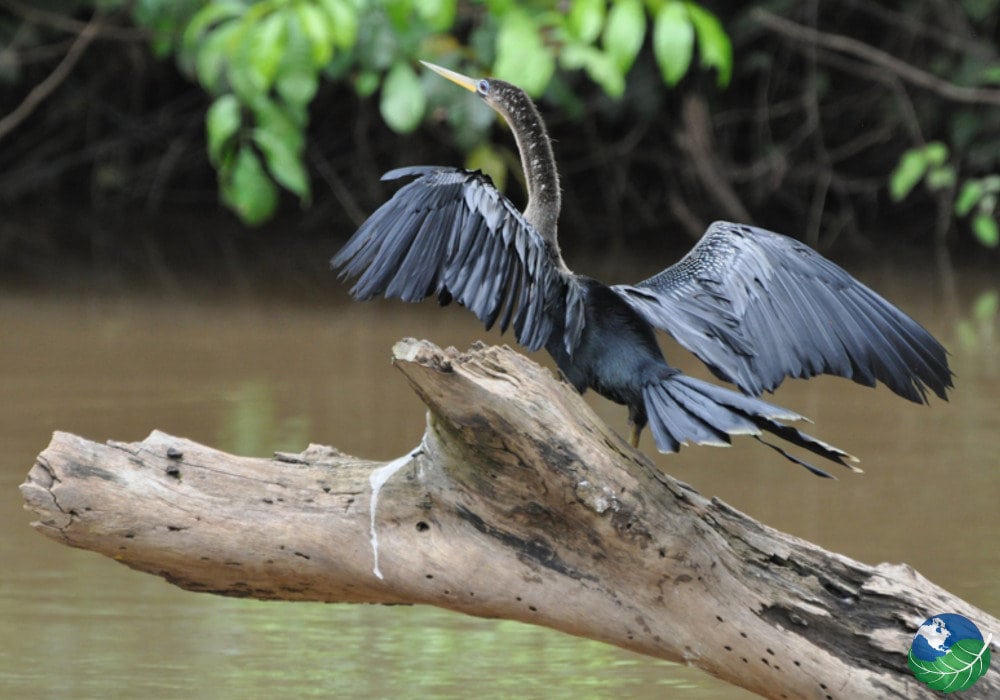
Throughout the year, birdwatchers regularly spot anhingas, great blue herons, snowy egrets, tiger herons, kingfishers, and neotropic cormorants. In addition, the wetlands attract reptiles and mammals, adding even more variety to the experience.
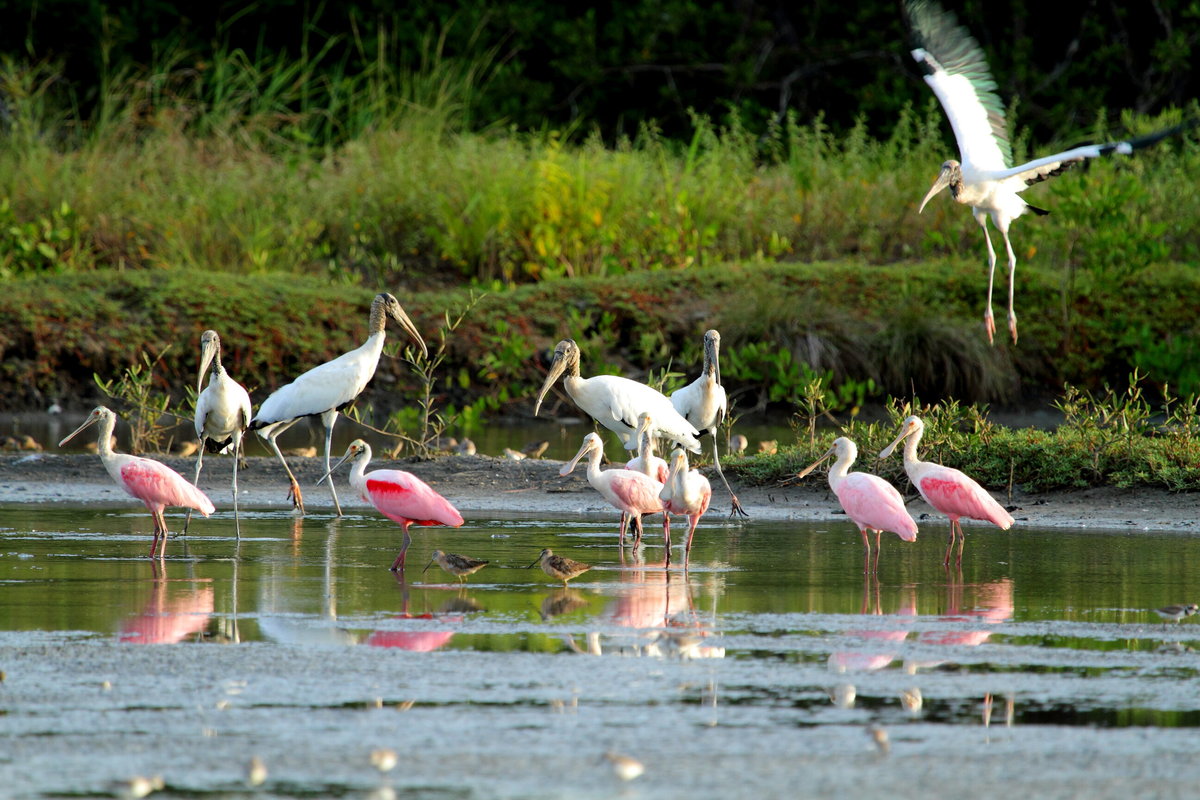
Migration season brings another layer of excitement. Between roughly September and April, many North American species arrive in the refuge. As a result, visitors often encounter ospreys, warblers, swallows, sandpipers, and wood storks.
The refuge also offers one of Costa Rica’s best opportunities to spot the iconic jabiru stork. Although sightings remain relatively uncommon, experienced guides know the areas where this impressive bird is most likely to appear.
For additional bird species records, visitors can consult eBird, one of the world’s leading birdwatching databases.
Best Time for Birdwatching in Caño Negro Wildlife Refuge
Every season offers advantages.
From December through April, lower water levels concentrate birds and other wildlife near rivers and lagoons. Therefore, many photographers prefer this period because they can more easily locate animals.
On the other hand, the rainy season transforms the refuge into a lush wetland landscape. While birds spread across a larger area, species diversity often increases. In addition, migratory birds begin arriving in greater numbers.
For many visitors, the transition months between seasons provide the ideal balance between accessibility, wildlife activity, and bird diversity.
What to Expect on a Birdwatching Tour
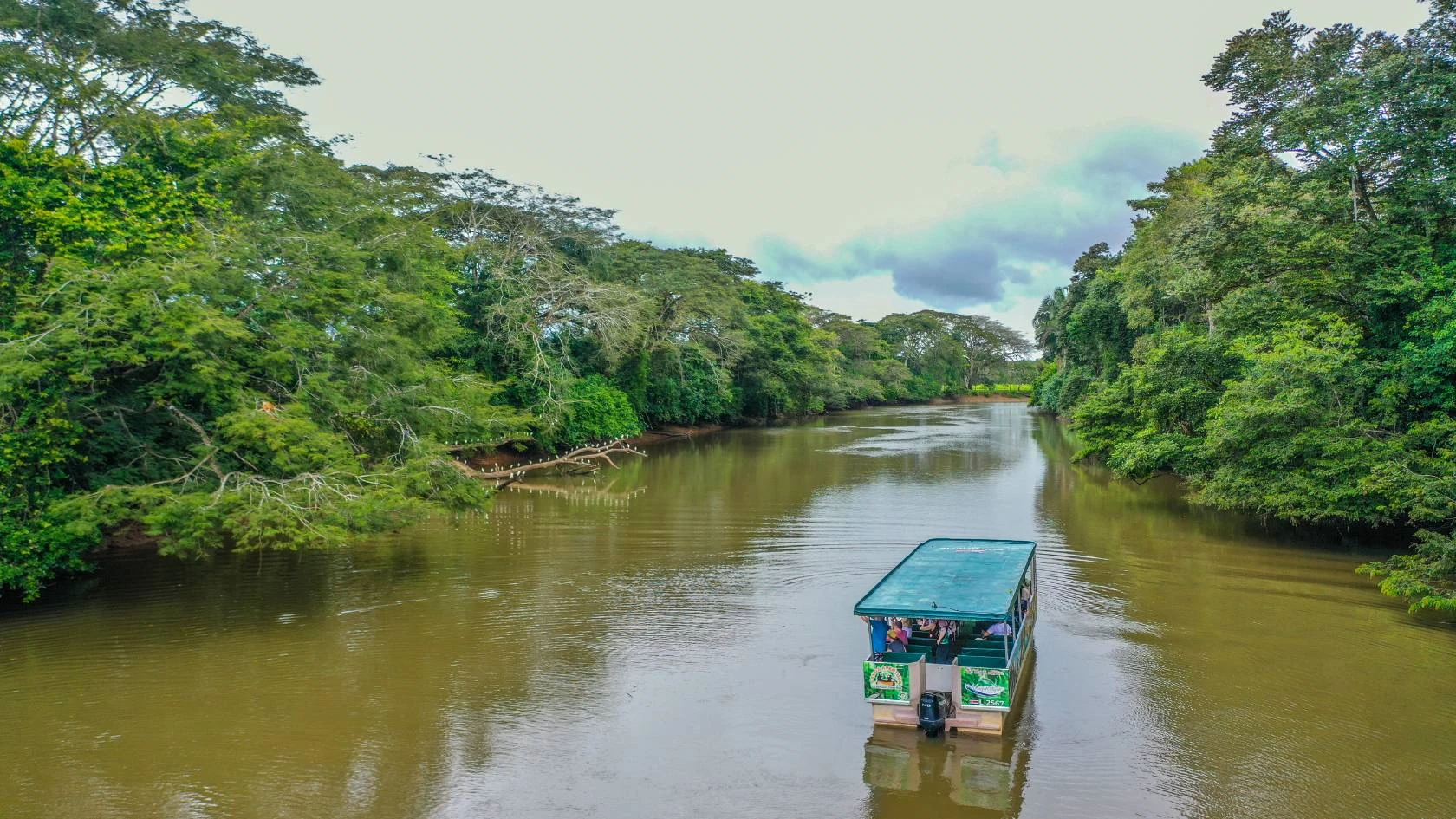
Most visitors explore Caño Negro aboard small guided boats.
Experienced naturalist guides navigate the waterways slowly and stop frequently whenever they spot wildlife. As a result, guests enjoy extended viewing opportunities instead of rushing from one location to another.
Morning departures generally produce the best results. Birds become more active during the cooler hours of the day, and photographers benefit from softer light. Meanwhile, calmer water conditions often improve wildlife observation.
Because tours require very little physical effort, travelers of all ages can participate comfortably.
Photography Tips
Caño Negro provides excellent opportunities for wildlife photography.
A telephoto lens helps photographers capture distant birds, while binoculars make it easier to identify species before raising a camera. Additionally, lens cloths and weather protection help protect equipment from humidity and occasional rain.
Most importantly, patience produces the best results. Rather than searching constantly for the next sighting, successful photographers often focus on a single area and wait for wildlife activity to develop naturally.
Is Birdwatching in Caño Negro Wildlife Refuge Worth It?
Absolutely.
Travelers who enjoy wildlife, photography, and nature observation often rank Caño Negro among their favorite experiences in Costa Rica. Unlike destinations that rely on adrenaline-filled activities, the refuge rewards patience and curiosity.
Ultimately, birdwatching in Caño Negro Wildlife Refuge offers something increasingly difficult to find: a chance to slow down, pay attention, and witness one of Costa Rica’s richest ecosystems in action.
Related Posts
Caño Negro for Serious Birdwatchers: What Makes It Special
A Deep Dive into One of Costa Rica’s Most Important…
Wildlife Conservation in Caño Negro
Wildlife Conservation in Caño Negro is one of the main reasons…
Caño Negro vs Tortuguero: Which Wildlife Destination Is Better?
Costa Rica is famous for wildlife, but not all wildlife…