If you are wondering how to get to Caño Negro from La Fortuna, you have several options. You can join an organized wildlife tour, drive a rental car, or arrange private transportation. The best choice depends on your schedule, budget, and comfort with rural roads.
Caño Negro Wildlife Refuge lies in northern Costa Rica, near the Nicaraguan border. It protects freshwater wetlands and waterways known for birdwatching, reptiles, and other wildlife.
However, planning the journey requires one important distinction: Los Chiles, Caño Negro village, and individual boat departure points are not the same place. Your destination determines the route and travel time.
This guide explains the transportation options, road conditions, seasonal considerations, and practical details for visiting Caño Negro from the Arenal region.
Where Is Caño Negro Wildlife Refuge?
Caño Negro Wildlife Refuge is located in northern Alajuela Province, close to Costa Rica’s border with Nicaragua.
The refuge protects a landscape of seasonal lagoons, marshes, floodplains, and waterways associated with the Río Frío basin. It is internationally recognized as a Ramsar wetland.
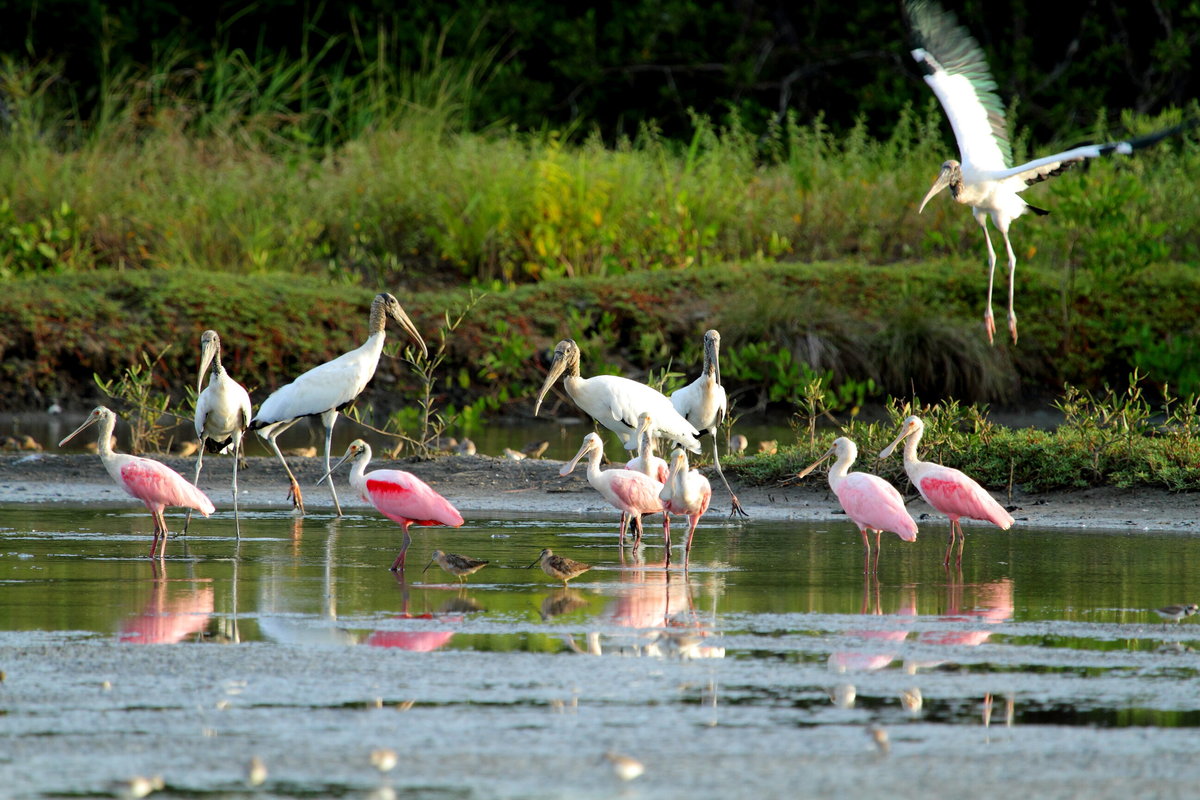
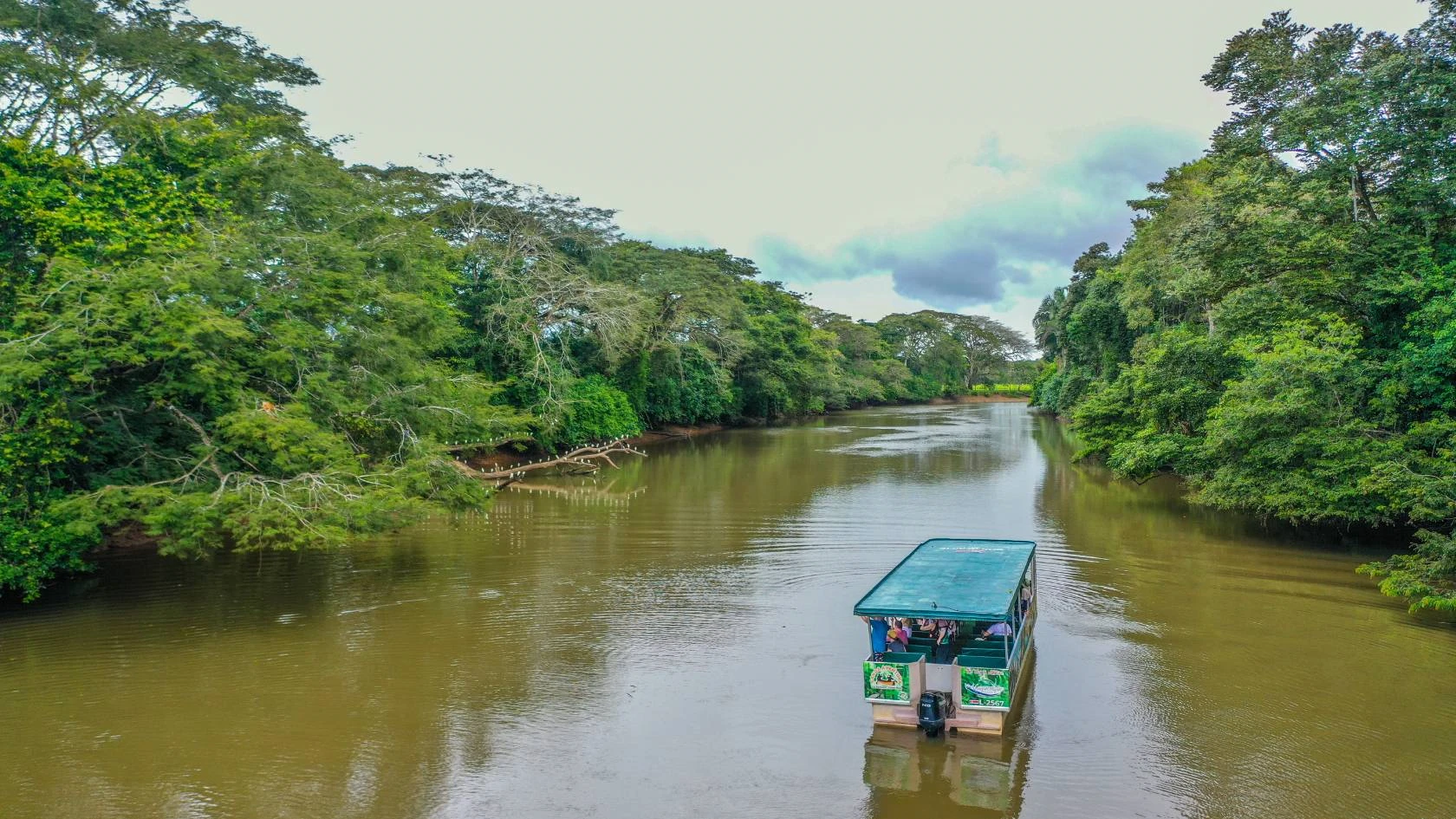
Most visitors explore the region by boat, looking for birds, caimans, turtles, and monkeys along the water.
However, several nearby locations appear in tour descriptions.
Los Chiles vs. Caño Negro Village
Los Chiles is a regional town near the Nicaraguan border. Some wildlife boat excursions use departure points around Los Chiles and the Río Frío.
Caño Negro village is a separate settlement associated with the wildlife refuge. Other excursions depart closer to this village.
The distinction matters because a booking labeled “Caño Negro boat tour” does not necessarily mean that the boat departs from Caño Negro village.
Before arranging transportation, ask your operator for the exact meeting point or a navigation pin.
How Far Is Caño Negro from La Fortuna?
The journey depends on where your excursion begins.
For general trip planning, travelers should allow approximately two hours or more for the road journey from La Fortuna to the northern wetland region. However, the actual time may be shorter or longer depending on the departure point.
| Destination | What to know |
|---|---|
| Los Chiles | Regional town used by some Río Frío boat operators |
| Caño Negro village | Separate settlement associated with the refuge |
| Designated boat departure point | May be outside either town; obtain the exact location |
Do not treat a general estimate for La Fortuna to Los Chiles as the travel time to every Caño Negro excursion.
Roadworks, rainfall, traffic, and the condition of the final access road can affect the journey.
For accurate directions, use the meeting location supplied by your operator rather than searching only for the wildlife refuge.
What Is the Drive from La Fortuna to Caño Negro Like?
The journey takes visitors away from the volcanic landscape around Arenal and into northern Costa Rica’s agricultural lowlands.
Depending on the destination, the route may include paved highways, smaller two-lane roads, and rural access roads.
You may pass farms, villages, and stretches of open countryside.
Road conditions can vary. Potholes, road repairs, standing water, and reduced visibility may affect travel, particularly after heavy rain.
Navigation Tips
Download offline maps before leaving La Fortuna. Mobile reception may be inconsistent in rural areas.
Also, confirm that your navigation app directs you to the correct boat departure point.
A route ending in Los Chiles may be unsuitable if your excursion begins closer to Caño Negro village.
Finally, allow extra time rather than scheduling your arrival immediately before the boat departure.
Option 1: Guided Caño Negro Boat Tour from La Fortuna
For travelers without a rental car, an organized tour is usually the simplest option.
Many excursions combine transportation from the La Fortuna area with a guided boat safari.
The operator coordinates the road journey and boat arrangements, reducing the amount of planning required.
What Does a Guided Tour Include?
Depending on the package, an organized excursion may include:
- Hotel pickup or transportation from a meeting point
- Round-trip road transfers
- A guided wildlife boat excursion
- Wildlife interpretation
- Meals or refreshments
- Refuge admission, where specified
However, inclusions vary.
Some operators provide lunch, while others offer a more basic package. Pickup locations and group sizes also differ.
Always check the booking details before paying.
How Long Does a Guided Tour Take?
A boat safari may last approximately two hours, but operators offer different durations.
When road transportation is included, the excursion generally occupies much of the day.
Therefore, avoid scheduling another time-sensitive activity immediately after your expected return.
Advantages and Disadvantages
The main advantage is convenience. You do not need to navigate rural roads or coordinate separate boat reservations.
Guided tours are particularly practical for first-time visitors, families, and travelers staying in La Fortuna without a car.
However, shared excursions usually follow fixed schedules. You may also have less control over photography stops and time spent observing particular animals.
Option 2: Self-Drive from La Fortuna to Caño Negro
Self-driving offers greater independence.
With a rental car, you can choose your departure time, stop along the route, and potentially stay overnight near the refuge.
However, you must arrange the boat excursion separately unless your reservation includes a meeting point and local guiding.
Planning Your Drive
Start by contacting the boat operator.
Confirm whether the excursion departs from Los Chiles, Caño Negro village, or another location.
Next, save the exact destination in your navigation app.
Check the expected driving time shortly before departure and allow additional time for rural road conditions.
It is also sensible to refuel before leaving La Fortuna, particularly if your route passes through areas with fewer services.
Benefits of Self-Driving
A rental car gives you flexibility.
You can choose a local boat operator, arrange a private wildlife excursion, or spend additional time near the wetlands.
This option may appeal to independent travelers and photographers.
Potential Disadvantages
You are responsible for navigation, parking arrangements, and road conditions.
You must also coordinate your arrival with the boat departure time.
If weather affects the route, you may need to adjust your plans independently.
Self-driving works best for visitors comfortable with rural Costa Rican roads.
Do You Need a 4×4 to Drive to Caño Negro?
Not necessarily.
Vehicle requirements depend on your exact destination, the road surface, and recent weather.
Major roads serving regional towns may be suitable for ordinary passenger vehicles. However, some rural access roads can be more challenging.
Heavy rainfall may create potholes, muddy sections, or localized flooding.
Before choosing a rental car, ask your accommodation or boat operator about the current condition of the final approach.
A higher-clearance vehicle may provide additional comfort on rough roads, but four-wheel drive does not make flooded roads safe.
Never attempt to cross floodwater, regardless of the vehicle.
Follow your rental company’s restrictions on unpaved roads and water crossings.
Option 3: Private Shuttle or Transfer
Private transportation is another possibility for travelers who prefer not to drive.
This option can suit families, private groups, and visitors staying at resorts around Arenal Volcano.
However, a private transfer and a private wildlife tour are different services.
Private Transfer
A transportation company may arrange a vehicle between La Fortuna and your chosen destination.
However, the transfer may not include a boat excursion, guide, admission, or waiting time.
Private Guided Excursion
A private wildlife tour may combine transportation and a boat safari under one reservation.
This arrangement can provide more flexibility than a shared excursion.
However, prices and inclusions depend on the provider.
Before booking, confirm whether the service is round-trip, whether the driver waits during the excursion, and whether the boat is private or shared.
Can You Take Public Transportation from La Fortuna to Caño Negro?
Public transportation may be possible for parts of the journey, but it requires more planning than an organized tour.
Travelers need to distinguish between reaching Los Chiles and reaching the actual boat departure point.
Even if a bus serves a nearby town, additional local transportation may be necessary.
Rural bus schedules can be limited, and connections may not align with boat departure times.
A current, reliable direct bus timetable from La Fortuna to Caño Negro village has not been established for this guide.
Therefore, do not assume a direct service is available.
If you want to travel by bus, confirm the latest routes and departure times with local operators before making a boat reservation.
For a same-day excursion, a tour with transportation is generally more convenient.
Guided Tour vs. Self-Drive vs. Private Transfer
| Transportation | Convenience | Flexibility | Main consideration |
|---|---|---|---|
| Organized guided tour | High | Limited | Confirm pickup and inclusions |
| Rental car | Moderate | High | Navigation and road conditions |
| Private transfer | High | Depends on booking | Boat tour may be separate |
| Public transportation | Lower | Limited by schedules | Connections require verification |
For most visitors without a car, a guided excursion is the easiest arrangement.
Self-driving is attractive if you already have a rental vehicle and prefer independent travel.
Private transportation may be useful when you want customized pickup arrangements or are traveling with a group.
Seasonal Road Conditions Between La Fortuna and Caño Negro
Weather can affect the journey throughout the year.
Although Costa Rica is often described in terms of dry and rainy seasons, rainfall patterns differ between regions.
La Fortuna and the northern lowlands do not follow exactly the same weather patterns as the Pacific coast.
Drier Months: Approximately December to April
Some roads may experience less surface water during relatively drier periods.
However, rain remains possible around Arenal and along the route.
Therefore, do not assume that roads will always be dry or that travel times will be predictable.
Wetter Months: Approximately May to November
Heavy rainfall can reduce visibility and affect rural roads.
Low-lying areas may experience standing water or localized flooding.
However, the timing and intensity of rainfall vary between years.
Check the forecast and current road advisories before departure, especially after prolonged rain.
If the operator reports difficult access conditions, follow its guidance rather than attempting an unfamiliar alternative route.
What Time Should You Leave La Fortuna?
An early departure is often practical.
It allows time for the road journey and can help visitors avoid the hottest part of the day.
Some wildlife may also be easier to observe during cooler periods, although sightings are never guaranteed.
If you have booked an organized tour, follow the operator’s pickup instructions.
For self-driving, plan your departure around the confirmed boat schedule.
Allow time for navigation, parking, and boarding.
Avoid unfamiliar rural roads after dark when possible, particularly during heavy rain.
Should You Visit Caño Negro in One Day or Stay Overnight?
A day trip is practical for many visitors staying in La Fortuna.
However, an overnight stay can be worthwhile for travelers who want additional wildlife observation time.
Day Trip from La Fortuna
A day trip lets you keep La Fortuna as your main base.
You can visit the wetlands without changing hotels and return to Arenal for other activities.
The main disadvantage is the amount of time spent traveling.
Overnight Stay Near Caño Negro
Staying closer to the refuge reduces the need for a long round-trip drive on the same day.
It may also make early boat departures and specialized birdwatching excursions easier to arrange.
Small lodges and rural guesthouses are options to investigate.
However, confirm the property’s exact location and transportation arrangements before booking.
Staying overnight does not guarantee additional wildlife sightings.
What to Bring for the Journey
Prepare for warm temperatures, humidity, and changing weather.
Useful items include:
- Drinking water
- Lightweight clothing and long sleeves
- Hat and sunglasses
- Sunscreen and insect repellent
- Comfortable footwear
- Light rain protection
- Binoculars and a camera
- Waterproof bag
- Offline maps and reservation details
- Any required medication
Even covered boats may expose passengers to sun, wind, and rain.
Check whether your excursion includes refreshments and other supplies.
Safety Tips for Driving to Caño Negro
Rural travel requires attention to road conditions.
Before departure, check weather forecasts and any relevant road advisories.
Drive cautiously around potholes and slow down when visibility decreases.
Avoid crossing flooded roads or bridges with water flowing over them.
Keep enough fuel for the planned route, and follow rental-car restrictions.
It is also helpful to share your expected return time with someone at your accommodation.
Most importantly, confirm the exact boat meeting point before leaving La Fortuna.
What Happens When You Arrive?
Arrival procedures depend on the operator and departure location.
You may need to check in, confirm your reservation, arrange any outstanding admission payment, and receive a safety briefing.
Before boarding, ask where to store bags and how to secure camera equipment.
Wear the required life jacket and follow the boat crew’s instructions.
Facilities such as restrooms, parking, and refreshments vary by location.
Therefore, confirm what is available before arriving.
Frequently Asked Questions About Getting to Caño Negro
How far is Caño Negro from La Fortuna?
The distance depends on whether you are traveling to Los Chiles, Caño Negro village, or a specific boat departure point. These destinations are not interchangeable. Obtain the operator’s exact meeting location and check the driving route before leaving La Fortuna.
How long does it take to drive from La Fortuna to Caño Negro?
Allow approximately two hours or more as an initial planning estimate for travel toward the northern wetland region. However, the journey may differ depending on your destination, road conditions, and weather. Confirm the current route and allow extra time.
Can you drive to Caño Negro without a 4×4?
Sometimes, yes. A standard vehicle may be suitable for certain routes, particularly those using major paved roads. However, the final access road and recent rainfall can change vehicle requirements. Ask your operator about current conditions and never drive through floodwater.
Is there a direct bus from La Fortuna to Caño Negro?
A reliable current direct service has not been verified for this guide. Public transportation may involve connections and additional travel to the boat departure point. Confirm local bus schedules before relying on this option for a same-day excursion.
Can you visit Caño Negro in one day?
Yes. Organized day trips from La Fortuna are a common way to experience the wetlands. However, the excursion involves substantial road travel in addition to the boat safari. Allow most of the day and avoid scheduling other activities too close to your return.
Is it better to book a guided tour or drive yourself?
A guided tour is generally easier if you do not have a rental car. It combines transportation and wildlife observation in one arrangement. Self-driving offers more flexibility but requires navigation, road planning, and a separate boat reservation.
Are the roads to Caño Negro paved?
Major routes toward regional towns include paved roads, but final access conditions depend on the destination. Some rural approaches may have different surfaces or maintenance conditions. Confirm the exact route with your boat operator before traveling.
What happens if it rains on the way to Caño Negro?
Light rain may have little effect, while heavy rainfall can reduce visibility and cause delays. Localized flooding may also affect low-lying roads. Check conditions before departure and contact your operator if access appears uncertain. Never attempt to drive through floodwater.
Final Recommendation: How to Get to Caño Negro from La Fortuna
Choosing how to get to Caño Negro from La Fortuna depends on your priorities.
For convenience, an organized boat tour with transportation is usually the simplest choice.
Travelers with a rental car may prefer to drive independently and arrange a local excursion.
Private transportation offers another option for groups seeking customized arrangements.
If birdwatching or photography is a major priority, consider spending a night closer to the refuge.
Whatever you choose, confirm the exact departure point, check current road conditions, and allow sufficient travel time.
Good planning will help you spend less time resolving transportation problems and more time observing Caño Negro’s wetland wildlife.
Related Posts
Is Caño Negro Worth Visiting? An Honest Visitor Guide
Is Caño Negro worth visiting? Yes, particularly if you enjoy wildlife, birdwatching, and exploring natural habitats at a relaxed pace. However, it is not the right excursion for every Costa Rica itinerary. Located in northern Costa Rica, Caño Negro Wildlife Refuge protects freshwater wetlands, lagoons, and seasonal floodplains. Instead of hiking to waterfalls or volcano viewpoints, visitors explore waterways by boat while looking for birds, reptiles, and monkeys. The experience requires patience. Wildlife sightings are unpredictable, and reaching the refuge from La Fortuna takes time. Still, for travelers interested in biodiversity, Caño Negro offers something quite different from the Arenal region. This guide explains what makes Caño Negro special, what to expect on a boat tour, and when the journey is worth the effort. What Is Caño Negro Wildlife Refuge? Caño Negro Wildlife Refuge is a protected wetland area in northern Alajuela Province, near Costa Rica's border with Nicaragua. The refuge lies within the Río Frío watershed and includes marshes, lagoons, rivers, and seasonal floodplains. Its changing water levels support a wide variety of aquatic wildlife. The National System of Conservation Areas (SINAC) manages the refuge. Caño Negro also holds international recognition under the Ramsar Convention, which identifies wetlands of global ecological importance. Unlike a permanent lake, parts of the wetland expand and contract as rainfall and river levels change. Consequently, the landscape and wildlife-viewing conditions vary throughout the year. Most travelers visit on guided boat excursions. These trips provide access to waterways where visitors can observe wildlife without extensive hiking.…
Wildlife Conservation in Caño Negro
Wildlife Conservation in Caño Negro protects a network of freshwater wetlands,…
Caño Negro Boat Tour Guide: Wildlife & Best Time to Visit
A Caño Negro boat tour offers a different way to…