Wildlife Conservation in Caño Negro is one of the main reasons this remote corner of northern Costa Rica remains a paradise for nature lovers. While many travelers visit the country for beaches, volcanoes, or rainforests, Caño Negro offers something completely different. Here, conservation efforts help protect one of the most important wetland ecosystems in Central America, creating extraordinary opportunities for wildlife viewing.
For visitors, that means more than just beautiful scenery. It means seeing animals in healthy natural habitats, supporting sustainable tourism, and experiencing a region where conservation is part of everyday life. As a result, a trip to Caño Negro feels both rewarding and meaningful.
Whether you are a birdwatcher, photographer, or simply someone who enjoys nature, understanding wildlife conservation in Caño Negro can make your visit even more memorable.
Why Is Wildlife Conservation in Caño Negro So Important?
At first glance, Caño Negro may look like a peaceful network of rivers, lagoons, and wetlands. However, these habitats play a critical role in supporting wildlife across the region.
Because water levels change throughout the year, the refuge creates ideal conditions for feeding, nesting, and breeding. Furthermore, many migratory birds depend on these wetlands during their annual journeys.
Without conservation efforts, many of these habitats could be damaged by development, pollution, or unsustainable land use. Therefore, protecting Caño Negro helps preserve one of Costa Rica’s most important wildlife refuges.
As a visitor, you are not simply exploring a beautiful landscape. Instead, you are experiencing an ecosystem that has been carefully protected for decades.
What Wildlife Can You See in Caño Negro?
One of the biggest reasons people visit Caño Negro is the incredible diversity of wildlife.
During a typical boat tour, visitors often spot:
- Howler monkeys
- White-faced capuchin monkeys
- Caimans
- River turtles
- Iguanas
- Bats
- Tropical birds
However, birds are often the main attraction.
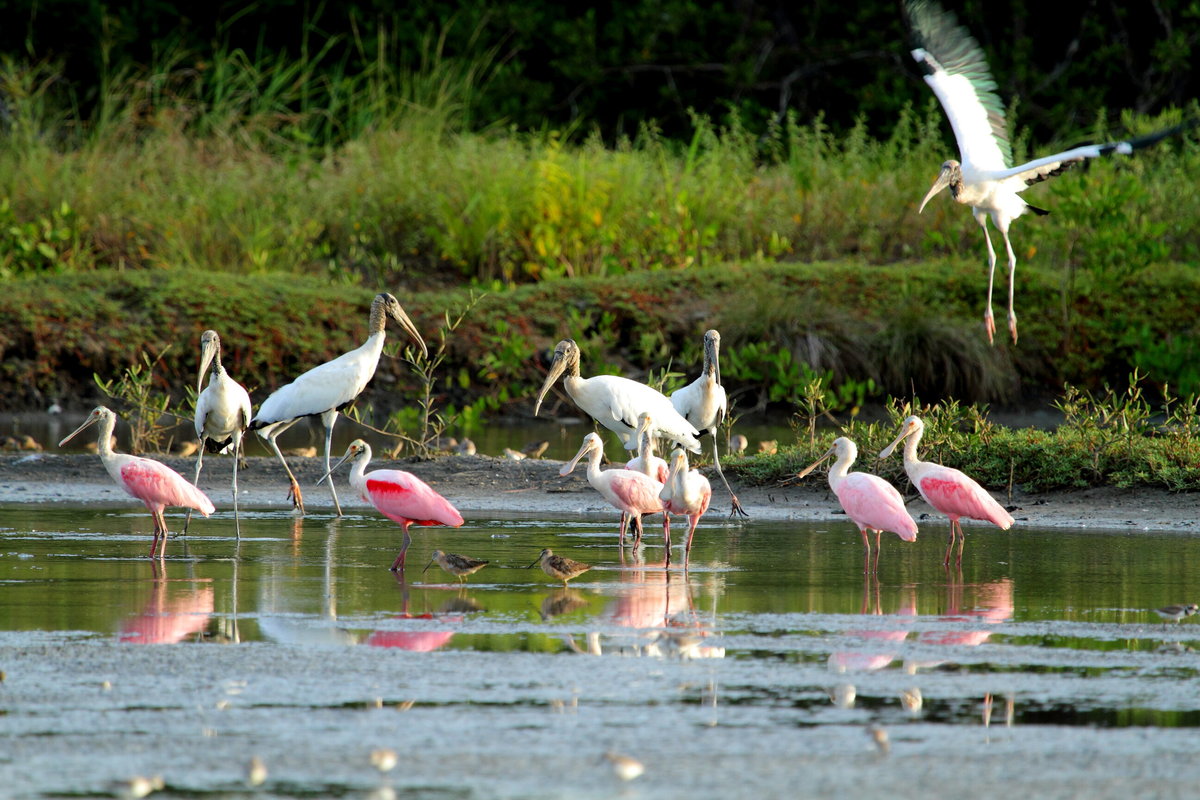
In fact, Caño Negro is considered one of the best birdwatching destinations in Costa Rica. Depending on the season, visitors may see:
- Jabiru storks
- Roseate spoonbills
- Anhingas
- Wood storks
- Kingfishers
- Herons
- Egrets
Because wildlife is so abundant, every tour feels different. As a result, many travelers consider Caño Negro one of Costa Rica’s most underrated nature destinations.
How Conservation Benefits Visitors
Wildlife conservation not only helps animals.
It also improves the visitor experience.
Because habitats remain healthy, wildlife populations continue to thrive. Consequently, travelers have a better chance of seeing animals in their natural environment.
Furthermore, conservation efforts help preserve the peaceful atmosphere that makes Caño Negro so special. Unlike more crowded destinations, the refuge still feels wild and authentic.
As a result, visitors often describe their experience as one of the most relaxing and rewarding parts of their Costa Rica trip.
The Best Way to Experience Caño Negro
For most visitors, a guided boat tour is the best introduction to the refuge.
Not only do local guides know where wildlife is most active, but they also explain how conservation programs help protect the area.
Furthermore, traveling by boat causes minimal disturbance to wildlife. Because of this, visitors can observe animals while respecting their natural behavior.
Meanwhile, photographers often appreciate the slower pace of these tours, which allows plenty of time for wildlife observation.
If possible, choose a guide who emphasizes conservation and environmental education. As a result, your visit becomes more meaningful while also supporting responsible tourism.
How Local Communities Support Conservation
One of the most interesting aspects of Caño Negro is the connection between conservation and local livelihoods.
Many residents work as:
- Nature guides
- Boat captains
- Lodge owners
- Conservation educators
Because tourism depends on healthy ecosystems, local communities have a strong incentive to protect wildlife and natural habitats.
Furthermore, sustainable tourism creates economic opportunities that encourage long-term conservation.
As a result, visitors play a direct role in protecting the refuge simply by choosing responsible businesses.
When Is the Best Time to Visit?
Wildlife can be observed throughout the year. However, each season offers a different experience.
During the dry season, animals often gather near remaining water sources. Therefore, wildlife sightings can be especially productive.
Meanwhile, the rainy season transforms the landscape into a vast wetland filled with birdlife and lush vegetation.
Because both seasons offer unique advantages, there is no wrong time to visit.
Instead, the best time depends on the type of wildlife experience you are hoping to have.
How You Can Support Wildlife Conservation in Caño Negro
Visitors can contribute to conservation in several simple ways.
For example:
- Choose certified local guides.
- Respect wildlife viewing guidelines.
- Avoid feeding animals.
- Stay on designated routes.
- Support locally owned businesses.
Furthermore, learning about conservation challenges helps create greater awareness long after the trip ends.
Because of these small actions, tourism can become a positive force for wildlife protection.
Is Wildlife Conservation in Caño Negro Worth Experiencing?
Absolutely.
Wildlife Conservation in Caño Negro is not just a conservation success story. It is also one of the reasons the refuge offers such incredible wildlife encounters today.
For travelers, conservation translates directly into better wildlife viewing, healthier ecosystems, and more authentic nature experiences. Furthermore, it provides an opportunity to support responsible tourism while exploring one of Costa Rica’s most important wetlands.
Ultimately, a visit to Caño Negro is about more than seeing animals. It is about understanding how conservation protects the places and species that make Costa Rica so extraordinary.
Related Posts
Is Caño Negro Worth Visiting? An Honest Visitor Guide
Is Caño Negro Worth Visiting? When most travelers imagine Costa…
Best Animal Sanctuaries in Costa Rica
Best Animal Sanctuaries in Costa Rica can help you choose where…

Sloth Rescue Centers
Sloth Rescue Centers are some of the most rewarding wildlife experiences…