Ethical Wildlife Tourism is something more travelers are thinking about when planning a trip to Costa Rica. After all, one of the biggest reasons people visit the country is to see wildlife. From sloths and monkeys to toucans and sea turtles, Costa Rica offers incredible opportunities to experience animals in their natural environment.
However, not every wildlife experience is created equal.
Some tours and attractions genuinely support conservation and animal welfare. Meanwhile, others may prioritize entertainment over the well-being of the animals involved. Because of that, it can be difficult to know which experiences are worth supporting.
The good news is that ethical wildlife tourism is easier than ever to find in Costa Rica. Furthermore, choosing responsible experiences often leads to more meaningful and memorable encounters with nature.
Whether you’re planning your first visit or returning to explore more of the country, this guide will help you make informed choices that benefit both wildlife and local communities.
What Is Ethical Wildlife Tourism?
Simply put, ethical wildlife tourism means enjoying wildlife experiences without harming animals or their habitats.
That might sound obvious. However, not every wildlife attraction follows the same standards.
For example, ethical wildlife tourism often focuses on:
- Observing animals in their natural habitats
- Supporting rescue and rehabilitation centers
- Following responsible viewing guidelines
- Protecting ecosystems
- Supporting local conservation efforts
As a result, visitors can enjoy incredible wildlife experiences while helping protect the very animals they came to see.
Why Does It Matter?
Many travelers assume that all wildlife attractions support conservation.
Unfortunately, that is not always the case.
Some facilities may keep animals primarily for entertainment. Others may encourage interactions that cause unnecessary stress to wildlife. Meanwhile, certain activities can unintentionally damage sensitive habitats.
Because of this, where you spend your money matters.
When travelers choose ethical wildlife experiences, they help fund conservation projects, support environmental education, and encourage responsible tourism practices.
As a result, tourism becomes part of the solution rather than part of the problem.
The Best Wildlife Experiences Are Often the Wildest
One of the biggest surprises for first-time visitors is that some of the best wildlife experiences happen in completely natural settings.
For example, many travelers see monkeys, sloths, toucans, scarlet macaws, and other species while visiting:
- Corcovado National Park
- Tortuguero National Park
- Caño Negro Wildlife Refuge
- Arenal Volcano region
- Manuel Antonio National Park
Furthermore, seeing animals behaving naturally is often far more rewarding than seeing them in captivity.
Because of this, guided nature tours are frequently among the most ethical wildlife experiences available.
How to Identify an Ethical Wildlife Experience
If you’re unsure whether an activity is ethical, there are a few simple questions you can ask.
For example:
- Are the animals wild or rescued?
- Does the organization support conservation?
- Is animal welfare the top priority?
- Are visitors allowed to touch wildlife?
- Does the experience educate visitors?
Generally speaking, ethical operators focus on education, conservation, and respect for wildlife.
On the other hand, if an experience revolves around handling animals, forcing interactions, or creating entertainment opportunities, it may be worth looking elsewhere.
Wildlife Rescue Centers Worth Visiting
Not all wildlife tourism happens in national parks.
In fact, some of the most educational experiences take place at rescue and rehabilitation centers.
For example, visitors often enjoy:
Furthermore, these organizations help visitors understand the challenges wildlife face while supporting rehabilitation efforts.
As a result, your visit directly contributes to conservation work.
Responsible Wildlife Photography
Many travelers visit Costa Rica specifically for wildlife photography.
Fortunately, ethical photography is usually simple.
For example:
- Keep a respectful distance.
- Avoid using flash around wildlife.
- Stay on designated trails.
- Follow your guide’s instructions.
- Never bait animals for photos.
Furthermore, patience often leads to better photographs than getting too close.
Because of this, responsible photography benefits both visitors and wildlife.
Ethical Wildlife Tourism with Kids
Families often want wildlife experiences that are both fun and educational.
Fortunately, Costa Rica offers plenty of options.
Guided nature walks, wildlife boat tours, turtle conservation programs, and rescue centers can all provide meaningful experiences for children.
Furthermore, these activities help young travelers understand why conservation matters.
As a result, wildlife tourism becomes an opportunity for learning as well as adventure.
Common Mistakes Travelers Make
Most people have good intentions. However, a few common mistakes can negatively affect wildlife.
For example:
- Feeding wild animals
- Approaching animals too closely
- Ignoring guide instructions
- Leaving designated trails
- Supporting unethical attractions
Fortunately, these mistakes are easy to avoid with a little awareness.
Because of that, responsible travel often comes down to making informed choices.
How Your Visit Helps Conservation
One of the most encouraging aspects of ethical wildlife tourism is that your visit can have a positive impact.
Entrance fees, guided tours, and donations often help fund:
- Habitat protection
- Wildlife rehabilitation
- Scientific research
- Environmental education
- Community conservation programs
Furthermore, responsible tourism creates economic incentives to protect wildlife rather than exploit it.
As a result, travelers become partners in conservation.
Is Ethical Wildlife Tourism Worth the Extra Effort?
Absolutely.
Ethical Wildlife Tourism allows you to experience Costa Rica’s incredible biodiversity while helping protect it for future generations.
Furthermore, ethical experiences often feel more authentic, educational, and rewarding than traditional wildlife attractions.
After all, the goal isn’t simply to see animals. Instead, it’s to appreciate them, understand them, and help ensure they continue thriving in the wild.
And in Costa Rica, that’s exactly what responsible wildlife tourism makes possible.
Related Posts
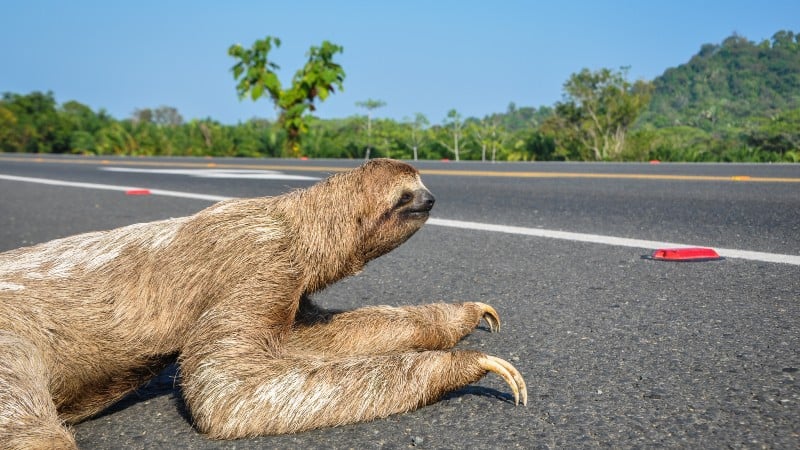
Sloth Rescue Centers
Sloth Rescue Centers are some of the most rewarding wildlife experiences…
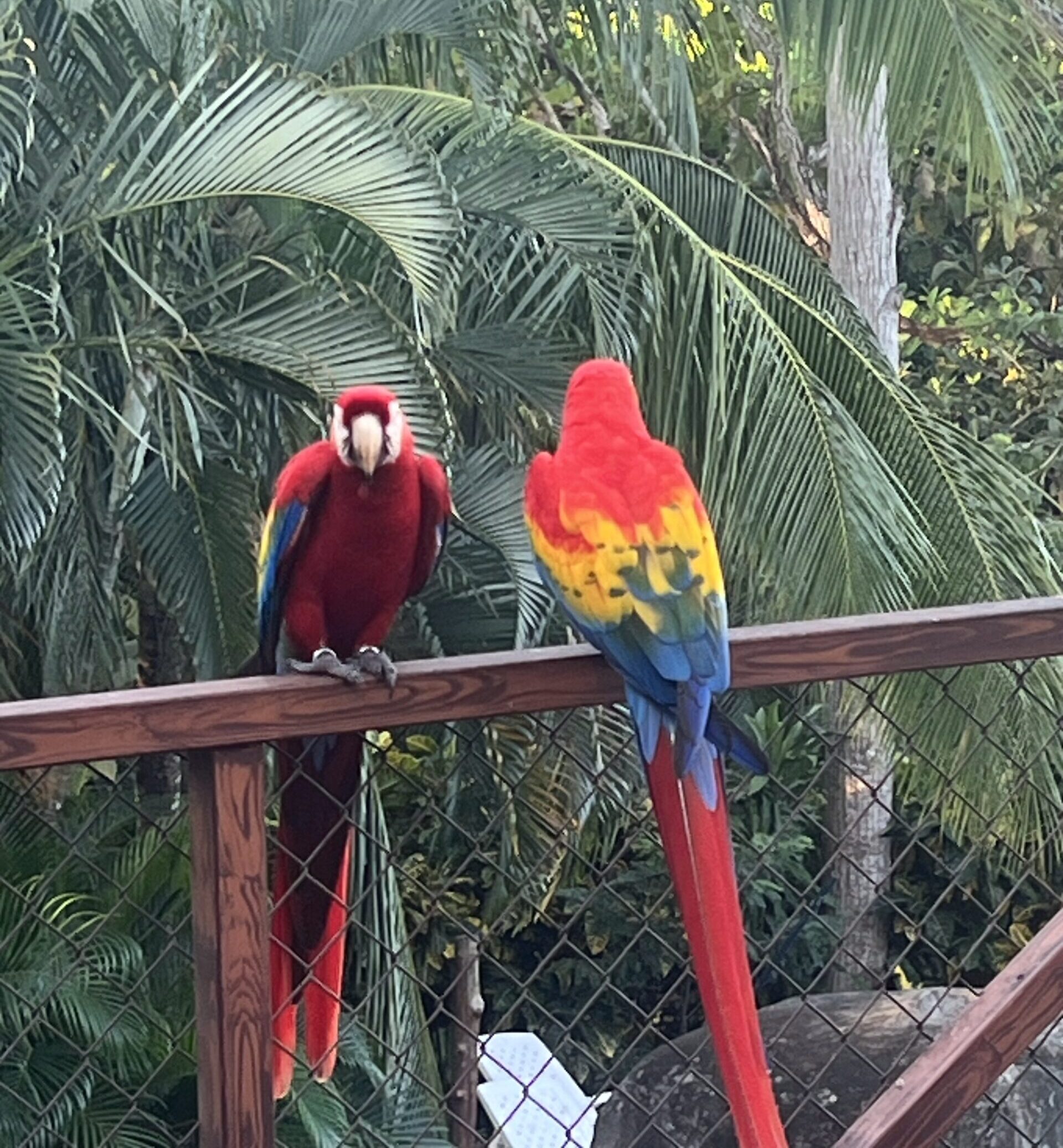
Conservation Success Stories in Costa Rica
Conservation Success Stories in Costa Rica are one of the reasons…
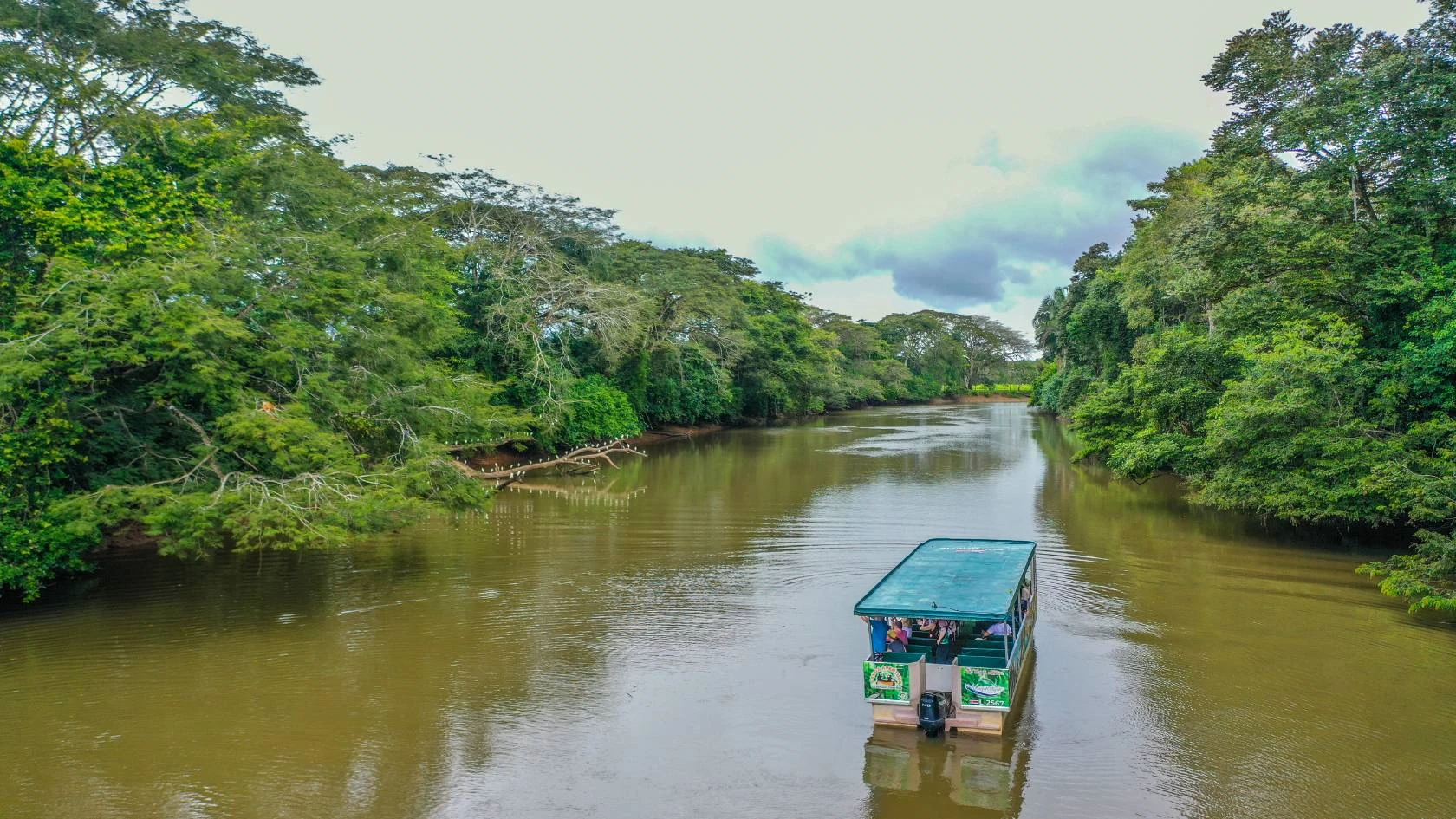
Wildlife Conservation in Caño Negro
Wildlife Conservation in Caño Negro is one of the main reasons…