Conservation Success Stories in Costa Rica are one of the reasons so many travelers leave the country feeling inspired. When people think about conservation, they often hear stories about habitat loss, endangered species, and environmental challenges. While those issues certainly exist, Costa Rica also offers something incredibly encouraging: proof that conservation can work.
In fact, some of the country’s most famous wildlife experiences exist today because of decades of conservation efforts. As a result, visitors can see sea turtles nesting on protected beaches, scarlet macaws flying over rainforests, and monkeys thriving in areas where wildlife populations once struggled.
If you’ve ever wondered whether conservation makes a real difference, these success stories provide a clear answer.
Costa Rica’s Conservation Story Starts with a Big Decision
Believe it or not, Costa Rica looked very different just a few decades ago.
During the mid-20th century, large areas of forest were cleared for agriculture and cattle ranching. As a result, wildlife habitats became increasingly fragmented, and many species faced growing pressure.
However, the country made a remarkable decision.
Instead of continuing down that path, Costa Rica invested heavily in conservation, national parks, and environmental protection. Furthermore, government agencies, scientists, local communities, and conservation organizations began working toward long-term solutions.
Because of that commitment, the country became one of the world’s leading conservation success stories.
Sea Turtle Recovery in Tortuguero
If you’ve ever seen photos of sea turtles nesting in Tortuguero, you’re looking at one of Costa Rica’s greatest conservation achievements.
Years ago, sea turtle populations faced serious threats from poaching and habitat loss. However, conservation programs, scientific research, and community involvement helped change the trajectory.
Today, Tortuguero is internationally recognized for turtle conservation. Furthermore, thousands of visitors travel there every year to witness nesting activity while supporting local conservation efforts.
As a result, both wildlife and local communities benefit from responsible tourism.
The Return of Scarlet Macaws
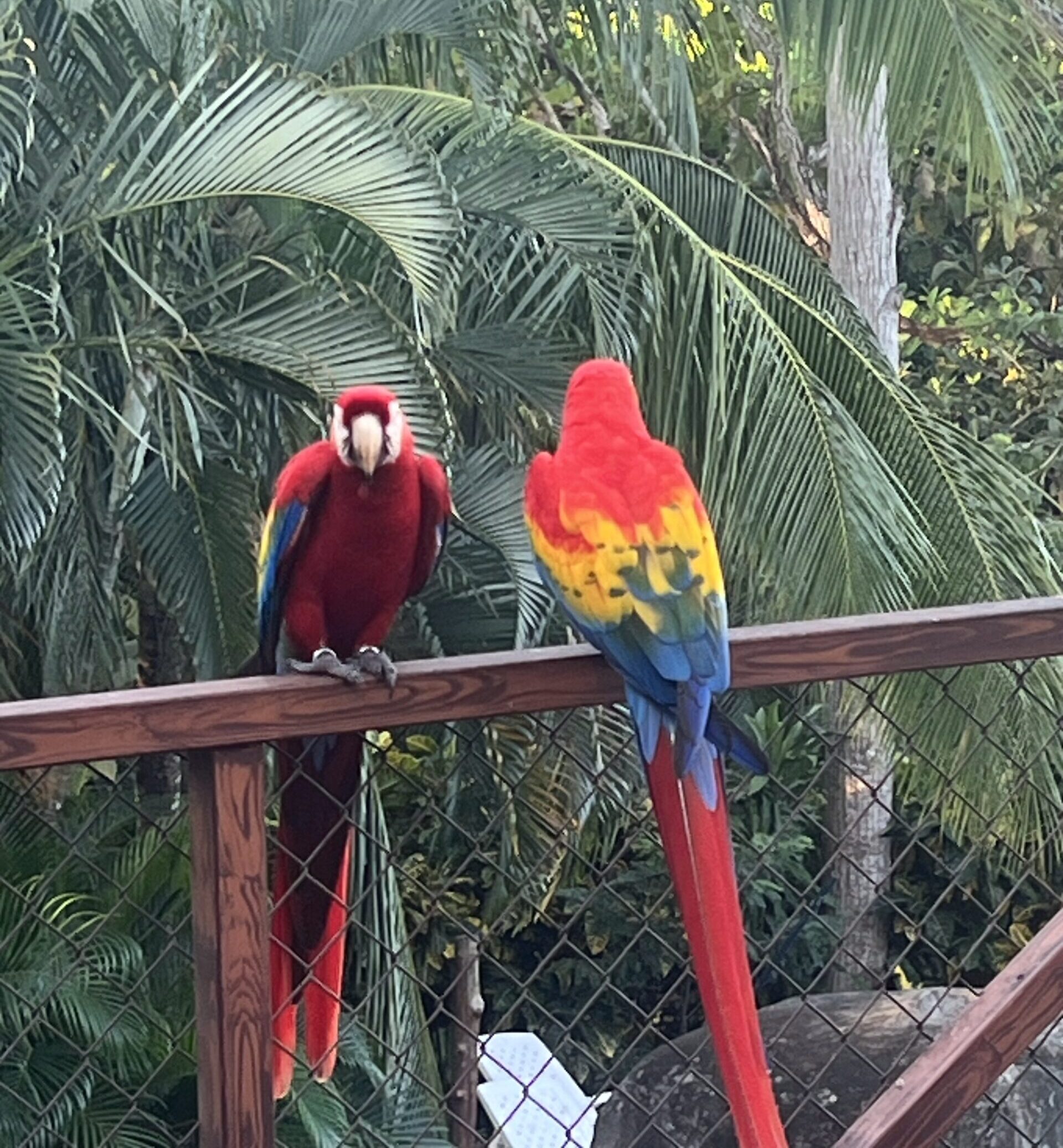
Few sights are more memorable than seeing a scarlet macaw flying across the Costa Rican sky.
However, there was a time when these colorful birds had disappeared from parts of the country.
Fortunately, habitat protection, breeding programs, and conservation initiatives helped support population recovery. Furthermore, national parks and protected areas created safer environments for these birds to thrive.
As a result, scarlet macaws can now be seen in several regions, including the Central Pacific and Osa Peninsula.
For many travelers, seeing one in the wild becomes a highlight of their trip.
Corcovado National Park: Protecting an Entire Ecosystem
Some conservation success stories focus on a single species.
Corcovado tells a much bigger story.
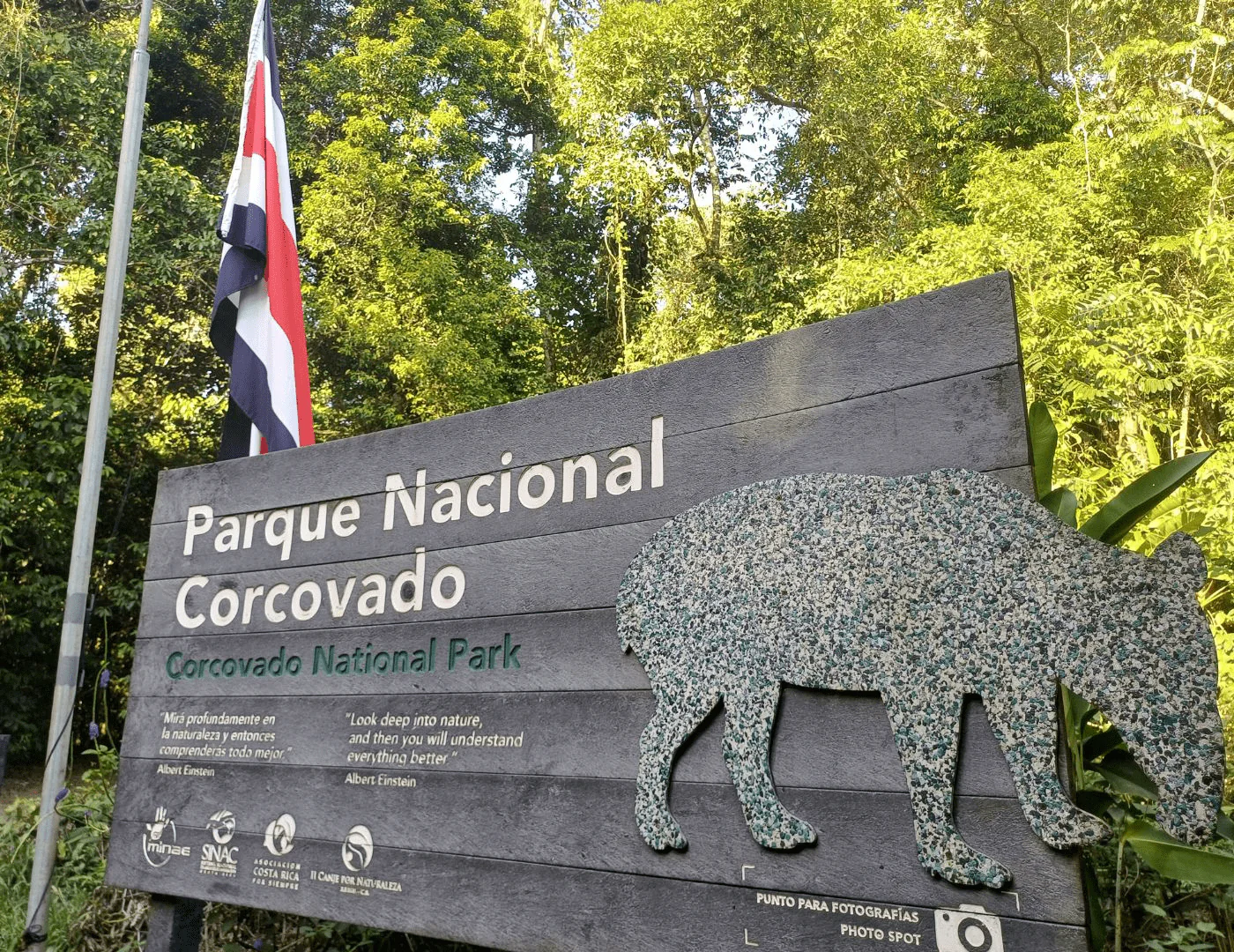
Located on the Osa Peninsula, Corcovado National Park protects one of the most biologically diverse regions on Earth. Furthermore, the park safeguards habitat for countless species, including tapirs, monkeys, scarlet macaws, and even elusive jaguars.
Because large areas of rainforest remain protected, wildlife populations continue to thrive.
As a result, visitors can experience ecosystems that look much like they did centuries ago.
Caño Negro and Wetland Conservation
Not all conservation happens in rainforests.
In northern Costa Rica, Caño Negro Wildlife Refuge protects one of the country’s most important wetland ecosystems.
These wetlands provide habitat for migratory birds, reptiles, mammals, and aquatic species. Furthermore, conservation efforts help maintain the delicate balance that supports this incredible biodiversity.
Because of these protections, Caño Negro remains one of the best wildlife-viewing destinations in Costa Rica.
Meanwhile, visitors help support conservation simply by choosing responsible tourism experiences.
Sloth and Wildlife Rescue Success Stories
Many conservation victories happen one animal at a time.
Across Costa Rica, rescue centers care for injured, orphaned, and displaced wildlife. Furthermore, rehabilitation teams work tirelessly to return animals to the wild whenever possible.
Organizations such as:
have helped countless animals over the years.
As a result, many wildlife species receive a second chance they would not otherwise have had.
How Local Communities Became Part of the Solution
One of the most important reasons conservation succeeds in Costa Rica is community involvement.
In the past, some communities relied heavily on activities that placed pressure on natural resources. However, many areas have successfully transitioned toward ecotourism and conservation-focused economies.
Because healthy ecosystems now generate jobs and tourism income, protecting wildlife often benefits both nature and local residents.
Furthermore, this approach creates long-term incentives for conservation.
As a result, many communities have become active partners in protecting wildlife.
What Travelers Can Learn from These Success Stories
One of the most encouraging lessons from Costa Rica is that conservation is not just the responsibility of scientists or governments.
Visitors play a role too.
For example, travelers support conservation when they:
- Visit national parks
- Choose ethical wildlife tours.
- Support rescue centers
- Hire local guides
- Respect wildlife viewing guidelines.
Furthermore, responsible tourism generates funding that helps protect habitats and species.
As a result, every visitor has the opportunity to contribute positively.
Why Conservation Success Stories Matter
It’s easy to focus on environmental problems.
However, success stories remind us that positive change is possible.
Costa Rica demonstrates that protecting wildlife, supporting local communities, and creating sustainable tourism opportunities can all happen at the same time.
Furthermore, these achievements provide hope for conservation efforts worldwide.
As a result, many travelers leave Costa Rica with a greater appreciation for both nature and the people working to protect it.
Are Conservation Success Stories in Costa Rica Worth Learning About?
Absolutely.
Conservation Success Stories in Costa Rica show that conservation is more than an ideal—it can produce real results. From sea turtle recovery and scarlet macaw protection to rainforest preservation and wildlife rehabilitation, the country offers countless examples of what can happen when people commit to protecting nature.
Furthermore, these stories add depth to every wildlife experience you have during your trip.
After all, seeing a sloth, a monkey, or a sea turtle is exciting. However, knowing the conservation story behind that experience makes it even more meaningful.
Related Posts
Wildlife Rescue Centers Near Corcovado
Wildlife Rescue Centers Near Corcovado provide visitors with a unique opportunity…
Best Animal Sanctuaries in Costa Rica
Best Animal Sanctuaries in Costa Rica can help you choose where…
Family-Friendly Sanctuaries
Family-Friendly Sanctuaries are often one of the most memorable experiences families…