How Wildlife Rehabilitation Works is something many travelers become curious about after visiting a wildlife rescue center in Costa Rica. You hear terms like “rescue,” “rehabilitation,” and “release,” but what do they actually mean?
If you’ve ever wondered what happens after an injured monkey arrives at a rescue center, how orphaned sloths are cared for, or why some animals can return to the wild while others cannot, you’re not alone.
The good news is that wildlife rehabilitation is one of the most inspiring parts of Costa Rica’s conservation efforts. Furthermore, understanding the process can make your visit to a rescue center much more meaningful.
Whether you’re planning to visit a sanctuary, love animals, or simply want to understand how conservation works behind the scenes, this guide will walk you through the entire rehabilitation journey.
It All Starts with a Rescue
Most wildlife rehabilitation stories begin with an animal in trouble.
For example, rescue centers may receive animals that have been injured by vehicles, attacked by dogs, electrocuted by power lines, or displaced by habitat loss. In other cases, young animals arrive after being separated from their mothers.
Fortunately, local residents, park rangers, veterinarians, and conservation organizations often work together to help these animals.
As a result, wildlife that might otherwise have little chance of survival can receive professional care.
The First Step: Medical Evaluation
Once an animal arrives at a rescue center, the first priority is determining its condition.
Just as a person arriving at a hospital is examined by trained professionals, the animal is examined by trained professionals. Furthermore, veterinarians assess injuries, hydration levels, nutritional needs, and overall health.
Depending on the situation, treatment may include:
- Emergency care
- Surgery
- Medication
- Nutritional support
- Monitoring and observation
Because every case is different, rehabilitation plans are tailored to each individual animal.
Recovery Takes Time
Many visitors are surprised to learn that rehabilitation is rarely a quick process.
In fact, some animals require weeks or even months of care before they are ready for the next stage.
For example, an injured sloth may need time to heal before it can safely climb and forage. Meanwhile, an orphaned monkey may need extensive social development before it can survive independently.
Because of this, patience is one of the most important parts of wildlife rehabilitation.
Learning to Be Wild Again
This is where rehabilitation becomes especially interesting.
The goal is not simply to keep animals alive. Instead, the goal is to prepare them to return to the wild whenever possible.
That means animals must maintain or relearn natural behaviors.
For example, they need to:
- Find food
- Avoid predators
- Interact appropriately with their own species.
- Navigate their environment
Furthermore, rehabilitation teams try to minimize unnecessary human interaction. As a result, animals are less likely to become dependent on people.
Can Every Animal Be Released?
Unfortunately, no.
This is one of the most common questions visitors ask.
While many animals recover successfully, others suffer injuries that make survival in the wild impossible. For example, some may lose mobility, vision, or other essential abilities.
In those situations, release may not be the safest option.
Instead, some animals remain in long-term care where they can live safely while also helping educate visitors about conservation.
Although these stories can be difficult to hear, they highlight why wildlife rescue centers are so important.
What Happens During a Release?
For animals that are ready, release is the ultimate goal.
However, release does not happen overnight.
Before returning to the wild, rehabilitation teams carefully evaluate whether the animal can survive independently. Furthermore, they consider habitat quality, food availability, and potential threats.
Once released, some animals are monitored when possible.
As a result, conservationists can learn valuable information about long-term rehabilitation success.
Why Wildlife Rehabilitation Matters
At first glance, helping a single animal may seem like a small act.
However, wildlife rehabilitation has a much larger impact.
For example, rehabilitation programs:
- Support biodiversity
- Educate the public
- Promote conservation awareness
- Contribute to scientific research.
- Protect vulnerable species
Furthermore, these programs inspire people to care about wildlife and the habitats they depend on.
Because of this, rehabilitation centers play an important role in conservation beyond the animals they directly help.
What You’ll See During a Rescue Center Visit
If you’re planning to visit a wildlife rescue center, understanding rehabilitation helps you appreciate what you’re seeing.
Instead of simply observing animals, you’ll begin to recognize the stories behind them.
You may learn:
- Why was an animal rescued
- How is it recovering
- Whether release is possible
- What challenges do wildlife face in Costa Rica
As a result, the experience becomes much more personal and educational.
How Visitors Can Support Wildlife Rehabilitation
The good news is that travelers can make a difference.
For example, you can support rehabilitation efforts by:
- Visiting ethical rescue centers
- Choosing responsible wildlife tours
- Donating to conservation organizations
- Following wildlife viewing guidelines
- Sharing conservation awareness with others
Furthermore, every responsible visitor helps create demand for ethical wildlife tourism.
Because of that, your choices can have a positive impact long after your trip ends.
Is Wildlife Rehabilitation Worth Learning About?
Absolutely.
How Wildlife Rehabilitation Works is one of the most fascinating aspects of wildlife conservation in Costa Rica. It reveals the dedication, expertise, and compassion required to help injured and vulnerable animals recover.
Furthermore, understanding the rehabilitation process gives visitors a deeper appreciation for the rescue centers they visit and the conservation work happening behind the scenes.
After all, every animal you see at a rescue center has a story. And learning that story often becomes one of the most meaningful parts of the experience.
Related Posts
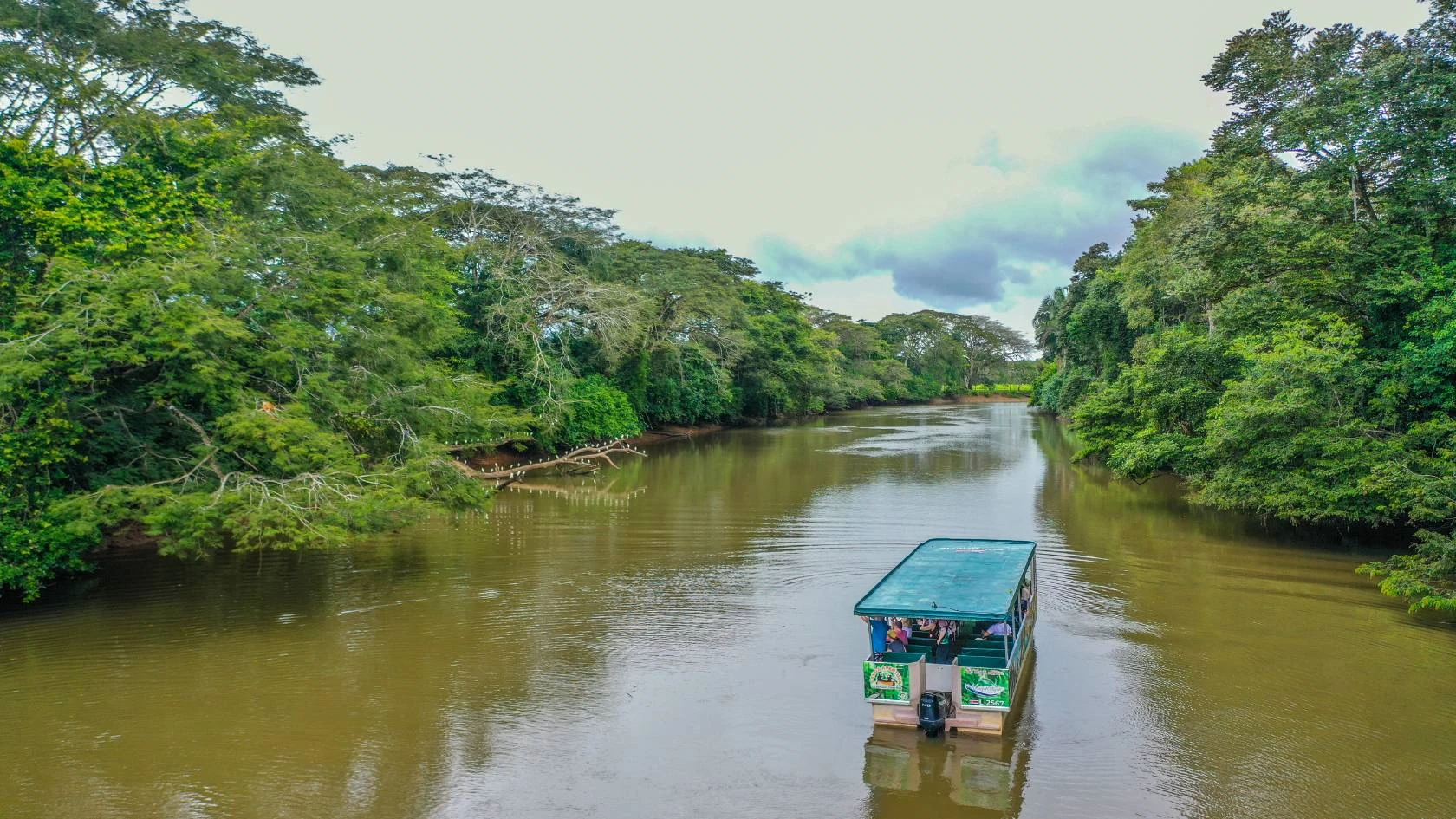
Wildlife Conservation in Caño Negro
Wildlife Conservation in Caño Negro is one of the main reasons…
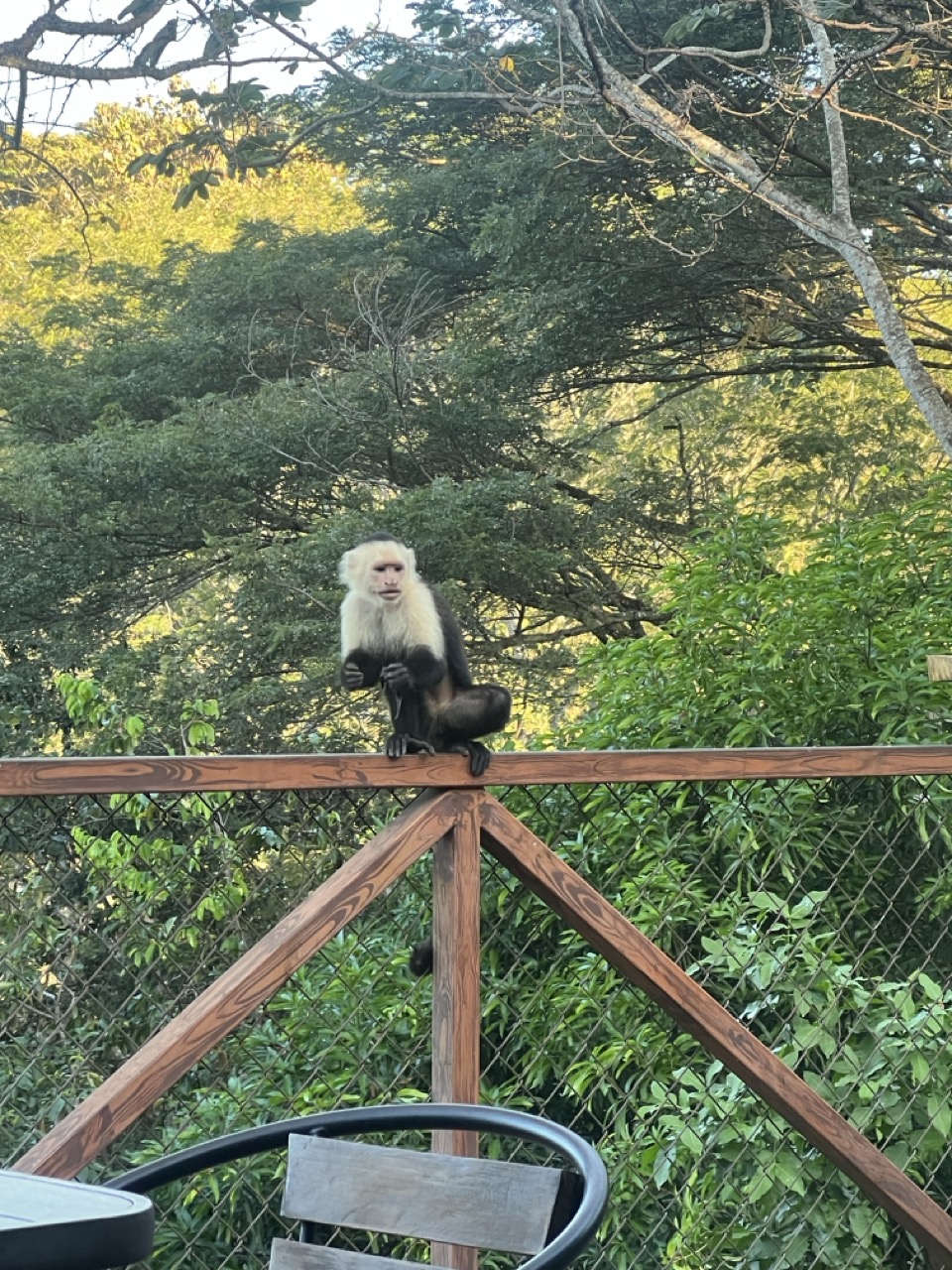
Ethical Wildlife Tourism
Ethical Wildlife Tourism is something more travelers are thinking about when…
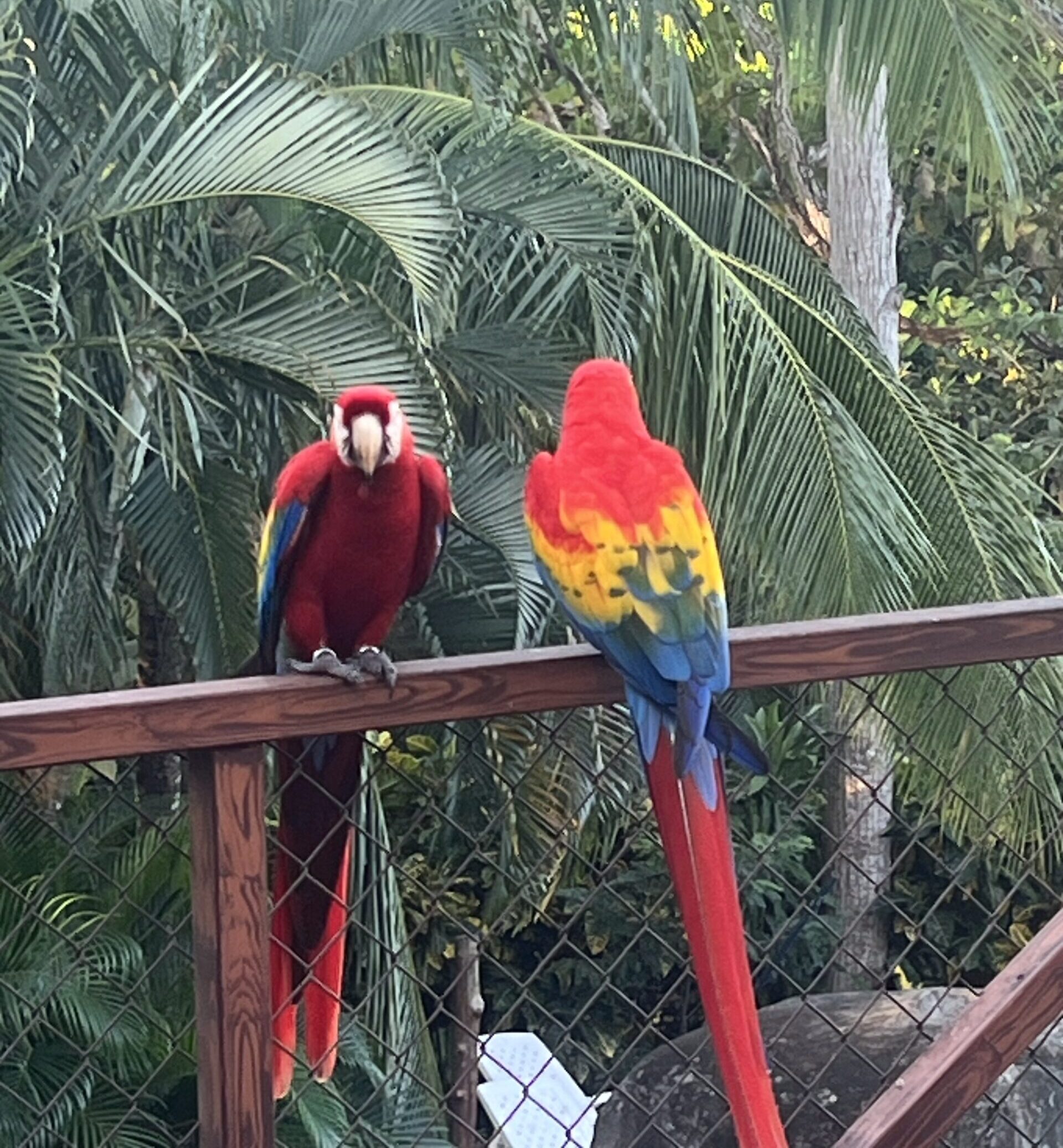
Conservation Success Stories in Costa Rica
Conservation Success Stories in Costa Rica are one of the reasons…