Family-Friendly Sanctuaries are often one of the most memorable experiences families have in Costa Rica. If your kids are excited about seeing sloths, monkeys, toucans, or other wildlife, you may be wondering whether visiting a sanctuary is actually worth it. After all, Costa Rica already has incredible national parks and wildlife tours.
However, sanctuaries offer something different.
Instead of simply spotting animals from a distance, families can learn the stories behind them. Furthermore, many children find it fascinating to discover how animals are rescued, rehabilitated, and sometimes released back into the wild.
As a result, a good sanctuary visit can be both educational and fun. In fact, many families leave saying it was one of the highlights of their trip.
If you’re trying to decide whether to include a sanctuary in your itinerary, this guide will help you choose the right experience for your family.
Why Families Often Love Sanctuaries
One of the challenges of wildlife travel is that animals don’t always appear when you want them to.
For example, you might spend hours hiking through a rainforest hoping to spot a sloth or a monkey. Sometimes that happens. However, sometimes it doesn’t.
A sanctuary provides a different type of experience.
Not only do children get to see animals, but they also learn why those animals need help in the first place. Furthermore, guides often share rescue stories that make the experience feel much more personal.
As a result, many children become genuinely interested in conservation instead of simply looking at animals.
The Best Family-Friendly Sanctuary Near La Fortuna
If your trip includes Arenal Volcano, I almost always recommend Proyecto Asis.
Why?
Because it feels like a conversation rather than a lecture.
The guides explain wildlife rescue in a way that children can easily understand. Meanwhile, parents usually appreciate how much information is shared without feeling overwhelmed.
Furthermore, the animals all have stories. Instead of simply walking from enclosure to enclosure, families learn how each animal arrived at the center and what rehabilitation looks like.
Because of that, the visit feels meaningful from start to finish.
Visiting the Caribbean Coast with Kids?
If you’re heading to Puerto Viejo or Cahuita, Jaguar Rescue Center is often the easiest recommendation.
Many families visit, hoping to see sloths. However, they quickly discover there is much more to the experience.
For example, children often enjoy seeing monkeys, parrots, reptiles, and other rescued wildlife. Meanwhile, the guides do a great job keeping the tour engaging and easy to follow.
Furthermore, the center focuses heavily on education and conservation. As a result, families leave with a better understanding of the challenges wildlife face in Costa Rica.
Short on Time? Consider Toucan Rescue Ranch
Not every family wants to spend several hours driving to a wildlife destination.
Fortunately, Toucan Rescue Ranch is located near San José.
Because of its convenient location, many travelers visit shortly after arriving in Costa Rica or just before flying home.
Furthermore, the center is known for helping a variety of native species, including sloths, birds, and small mammals.
As a result, families can enjoy a meaningful wildlife experience even if their itinerary is limited.
What Age Is Best for Visiting a Sanctuary?
This is one of the most common questions parents ask.
Fortunately, there is no perfect age.
Younger children usually enjoy seeing the animals and hearing simple rescue stories. Meanwhile, older kids often become interested in conservation and wildlife protection.
Furthermore, teenagers frequently appreciate learning about the real challenges facing Costa Rica’s wildlife.
Because of that, sanctuaries tend to work well for a wide range of ages.
In fact, they are often among the few activities that grandparents, parents, and children can enjoy together.
How Sanctuaries Help Children Connect with Nature
Many parents tell me they want their children to spend less time looking at screens and more time connecting with the natural world.
A sanctuary can help with that.
For example, children learn that animals are not simply tourist attractions. Instead, they begin to understand that every animal has a role in the ecosystem.
Furthermore, rescue stories help children connect emotionally with conservation.
Because of that, the experience often stays with them long after the vacation ends.
How to Choose an Ethical Sanctuary
Not every wildlife attraction operates the same way.
Therefore, it is worth taking a few minutes to research before booking.
Generally speaking, the best sanctuaries:
- Rescue injured or orphaned wildlife.
- Focus on rehabilitation
- Educate visitors
- Support conservation programs
- Prioritize animal welfare
On the other hand, attractions that focus primarily on animal interaction may not always align with conservation goals.
Because of that, choosing carefully helps ensure your visit supports wildlife protection.
Tips for Visiting with Kids
A little preparation can make the experience much more enjoyable.
For example:
- Visit in the morning when temperatures are cooler.
- Bring water and snacks.
- Encourage children to ask questions.
- Take your time during the tour.
- Discuss what everyone learned afterward.
Furthermore, letting children participate in the conversation often makes the experience more memorable.
As a result, they are more likely to remember the lessons long after the trip is over.
So, Are Family-Friendly Sanctuaries Worth It?
Absolutely.
Family-Friendly Sanctuaries offer something that many tours simply cannot. They combine wildlife, education, conservation, and storytelling in a way that appeals to both children and adults.
Furthermore, these experiences help families understand the importance of protecting wildlife while creating meaningful travel memories.
After all, seeing a sloth is exciting. However, learning how that sloth was rescued, cared for, and given a second chance often becomes the story children remember most.
And years later, that’s usually the part of the trip that still gets talked about.
Related Posts
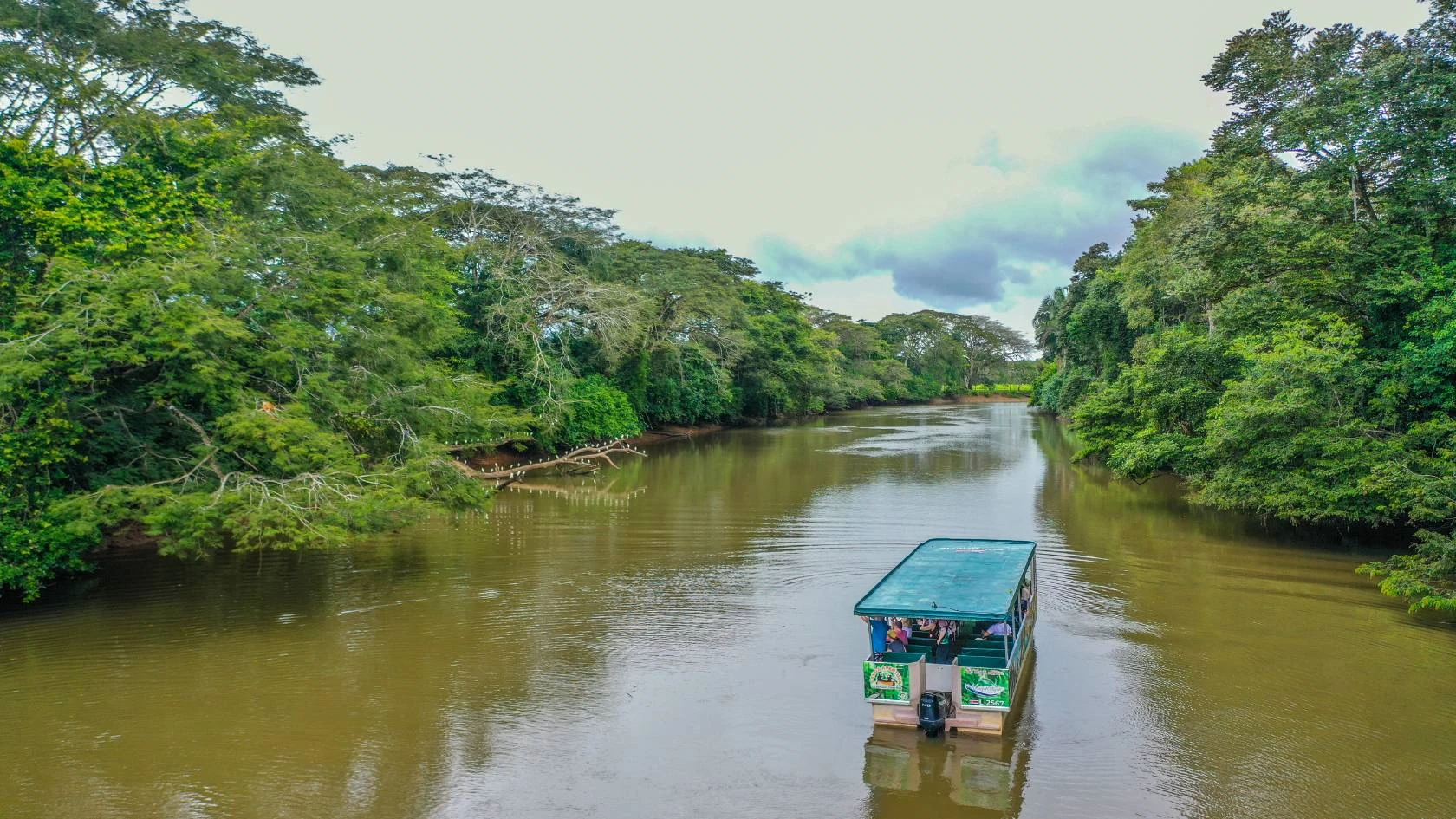
Wildlife Conservation in Caño Negro
Wildlife Conservation in Caño Negro is one of the main reasons…

Sloth Rescue Centers
Sloth Rescue Centers are some of the most rewarding wildlife experiences…
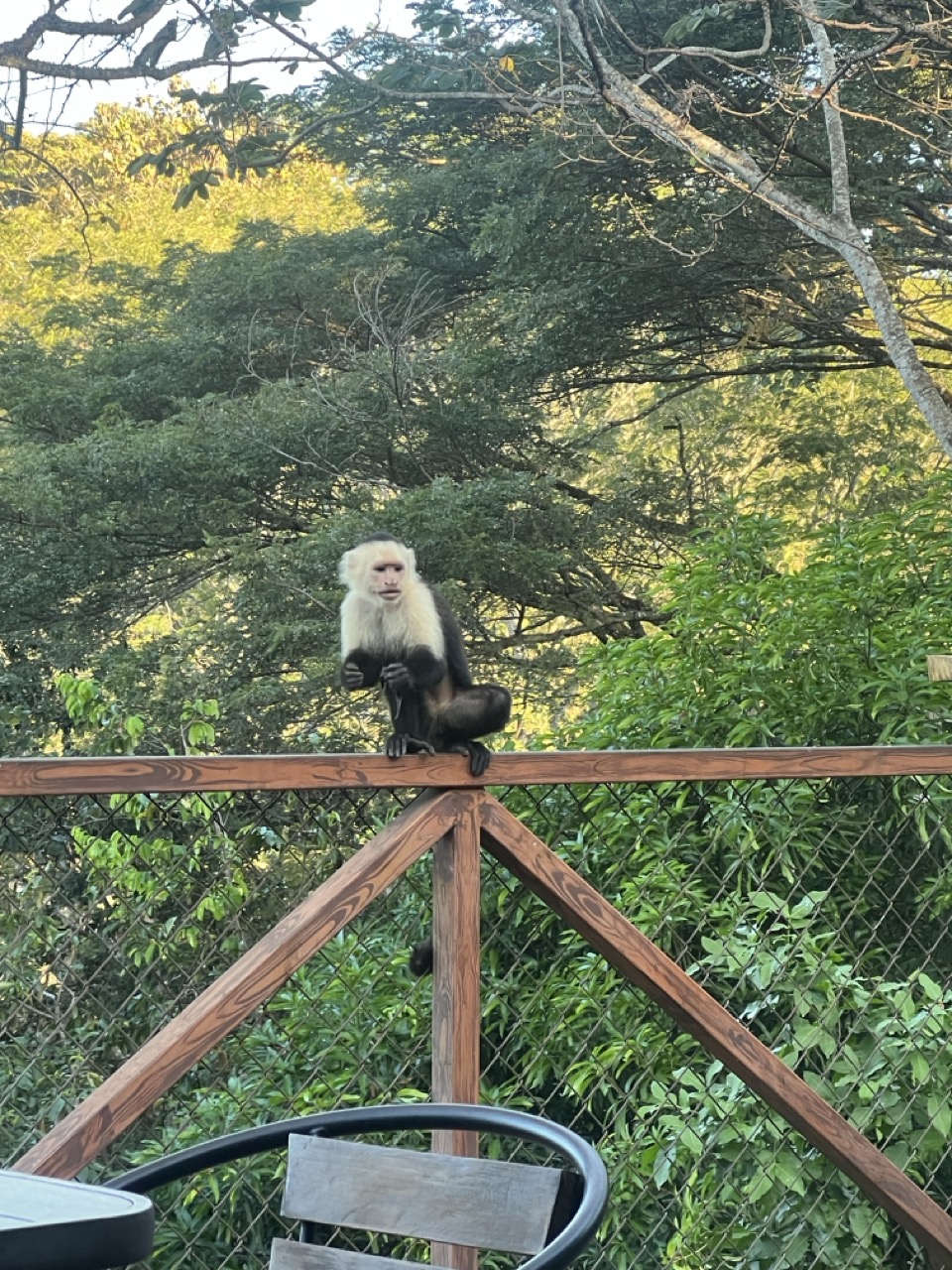
Ethical Wildlife Tourism
Ethical Wildlife Tourism is something more travelers are thinking about when…