Best Animal Sanctuaries in Costa Rica can help you choose where to go if seeing wildlife is one of the main reasons you’re visiting the country. Costa Rica is home to sloths, monkeys, toucans, macaws, and hundreds of other incredible species. However, not every wildlife center offers the same type of experience.
Some sanctuaries focus on rescuing injured animals. Others specialize in sloths, monkeys, or birds. Meanwhile, a few offer deeper conservation experiences that help visitors understand what wildlife protection really looks like.
Because of that, this guide is not just a list of places. Instead, it is designed to help you choose the right animal sanctuary for your trip, your route, and your travel style.
Whether you’re traveling with kids, planning a wildlife-focused vacation, or simply looking for an ethical animal experience, these are the sanctuaries worth considering.
If You Only Have Time for One Sanctuary
If someone asked me for a single recommendation, I’d probably point them toward Proyecto Asis in La Fortuna.
Why?
Because it strikes a great balance between education, conservation, and visitor experience.
During a visit, you’ll learn how animals arrive at the rescue center, what rehabilitation looks like, and why some animals can return to the wild while others cannot. Furthermore, the guides do an excellent job explaining conservation in a way that’s easy to understand.
As a result, visitors don’t just see animals. They leave understanding their stories.
If you’re already visiting Arenal Volcano or La Fortuna, this is one of the easiest and most rewarding wildlife experiences you can add to your itinerary.
Best for Sloth Lovers
Let’s be honest.
Many people come to Costa Rica hoping to see a sloth.
If that’s you, then the Sloth Sanctuary of Costa Rica deserves a spot on your itinerary.
Located on the Caribbean coast, this organization has spent decades rescuing, studying, and caring for sloths. Furthermore, the educational tours explain why sloths are often injured and what conservationists are doing to protect them.
Because the sanctuary specializes in these animals, you’ll learn far more than you would from simply spotting a sloth in a tree.
For many travelers, this becomes one of the highlights of their entire trip.
Best for Families
Traveling with kids?
In that case, the Jaguar Rescue Center near Puerto Viejo is often the easiest recommendation.
Despite the name, most visitors come to see rescued sloths, monkeys, parrots, toucans, and reptiles. However, what makes the experience especially enjoyable is how accessible it feels.
The tours are engaging, the pace is relaxed, and the guides explain conservation in a way that children can understand.
Furthermore, the center focuses heavily on education rather than entertainment. As a result, families get a meaningful wildlife experience without feeling like they’re visiting a zoo.
Best Animal Sanctuaries Near San José
Not everyone has time to travel across the country.
Fortunately, one of Costa Rica’s best wildlife rescue centers is located just outside San José.
Toucan Rescue Ranch is a fantastic option if you’re arriving or departing from the capital. Furthermore, it’s especially popular among travelers who want a wildlife experience without spending several hours on the road.
The organization is well known for its work with toucans, sloths, and other native species. Meanwhile, the educational programs provide a fascinating look at how wildlife rehabilitation actually works.
Because of its location, this is often one of the easiest sanctuaries to fit into a busy itinerary.
Best for Serious Wildlife Enthusiasts
If you’re the type of traveler who loves national parks, birdwatching, and conservation projects, you’ll probably enjoy a more immersive experience.
In that case, consider visiting Yaguara Wildlife Sanctuary in the Osa Peninsula.
Unlike some facilities that focus heavily on tourism, Yaguara places conservation at the center of everything it does. Furthermore, the sanctuary operates in one of the most biodiverse regions on Earth.
Because of that, a visit feels less like a typical attraction and more like a chance to understand the realities of wildlife conservation in Costa Rica.
If you’re already planning to visit Corcovado National Park, this is a natural addition to your trip.
How Do You Know if a Sanctuary Is Ethical?
This is one of the most important questions you can ask.
Unfortunately, not every animal attraction prioritizes conservation.
As a general rule, look for facilities that focus on:
- Rescue and rehabilitation
- Conservation education
- Veterinary care
- Habitat protection
- Wildlife release when possible
On the other hand, be cautious of places that encourage excessive animal interaction or treat wildlife primarily as entertainment.
Because your visit helps fund these organizations, choosing carefully can make a real difference.
Which Sanctuary Should You Choose?
If you’re still unsure, here’s a simple breakdown:
Choose Proyecto Asis if:
- You’re visiting La Fortuna.
- You want the best all-around experience.
- You enjoy educational tours.
Choose the Sloth Sanctuary if:
- Sloths are your favorite animal.
- You’re visiting the Caribbean coast.
- You want a specialized experience.
Choose Jaguar Rescue Center if:
- You’re traveling with children.
- You’re staying near Puerto Viejo.
- You want a fun and easy wildlife experience.
Choose Toucan Rescue Ranch if:
- You’re staying near San José.
- You have limited time.
- You want a convenient day trip.
Choose Yaguara Wildlife Sanctuary if:
- You’re visiting the Osa Peninsula.
- Conservation is your main interest.
- You want a deeper understanding of wildlife protection.
Are Animal Sanctuaries Worth Visiting?
Absolutely.
The best animal sanctuaries in Costa Rica offer much more than a chance to see wildlife up close. They help visitors understand conservation, support rescue efforts, and connect with the country’s extraordinary biodiversity in a meaningful way.
Furthermore, many travelers find that these experiences become some of the most memorable moments of their trip.
After all, seeing a monkey in the wild is exciting. However, learning how that animal was rescued, rehabilitated, and protected tells a much bigger story.
And that’s often what people remember long after they return home.
Related Posts
Family-Friendly Sanctuaries
Family-Friendly Sanctuaries are often one of the most memorable experiences families…
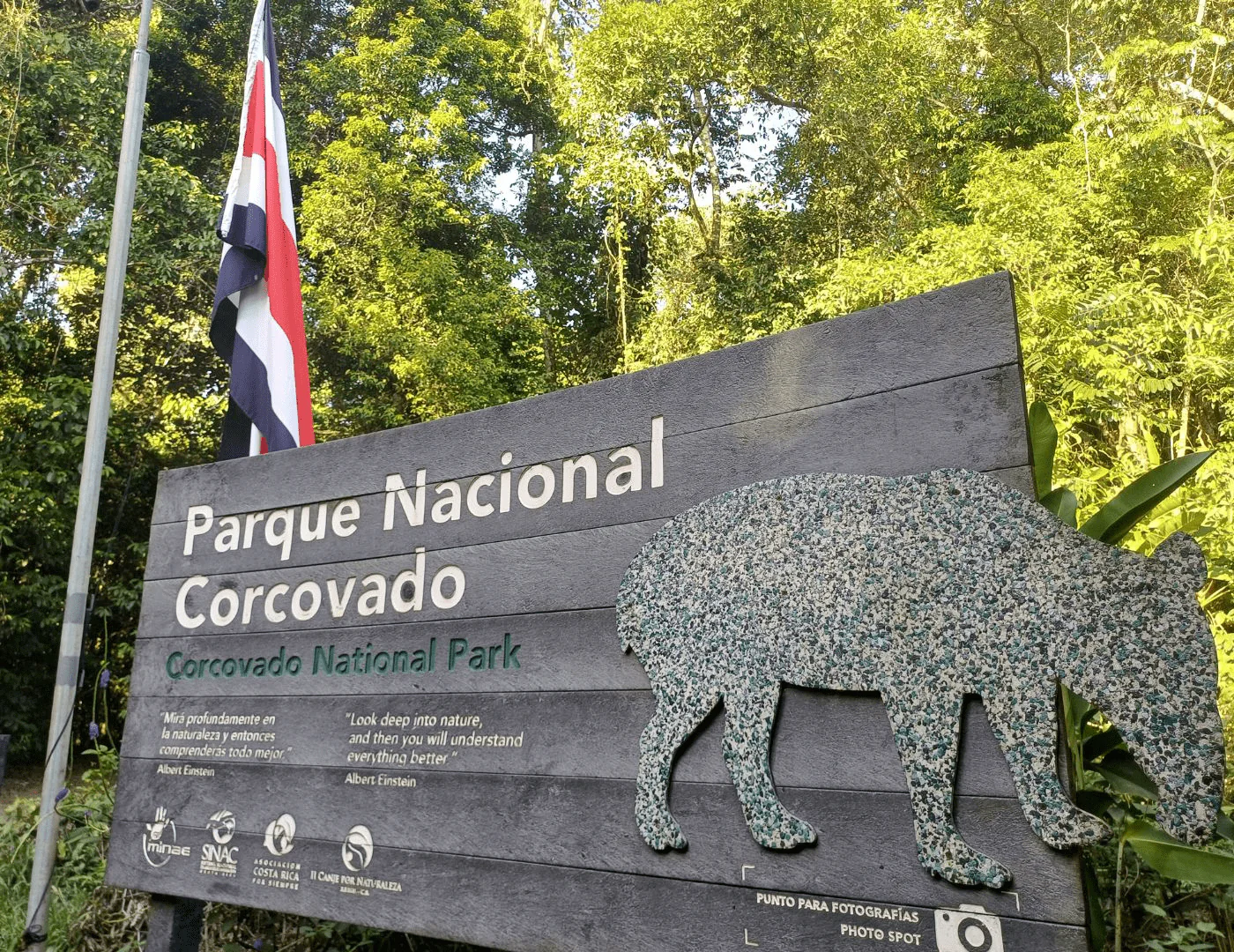
Wildlife Rescue Centers Near Corcovado
Wildlife Rescue Centers Near Corcovado provide visitors with a unique opportunity…
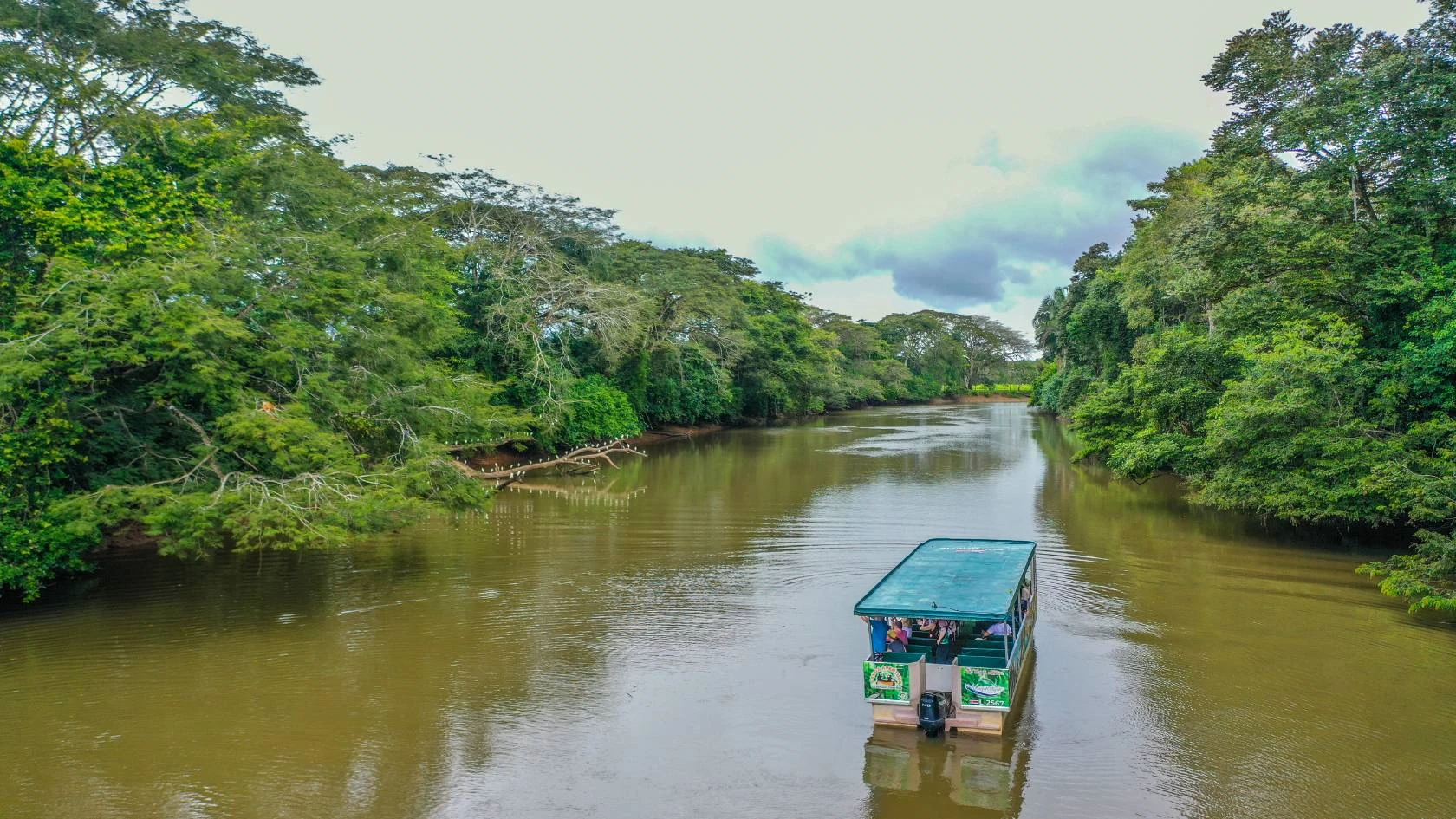
Wildlife Conservation in Caño Negro
Wildlife Conservation in Caño Negro is one of the main reasons…