Caño Negro vs Tortuguero is a useful comparison for travelers planning a wildlife-focused trip to Costa Rica. Both destinations offer guided boat excursions, protected wetlands, and opportunities to observe animals in their natural habitats. However, the experiences are quite different.
Caño Negro Wildlife Refuge protects inland freshwater wetlands near Costa Rica’s northern border. Tortuguero National Park lies on the Caribbean coast, where rainforest, canals, lagoons, and nesting beaches form a more varied landscape.
Caño Negro fits naturally into an itinerary based around La Fortuna and Arenal Volcano. Tortuguero usually involves a separate journey and an overnight stay.
So, which should you visit? The answer depends on the wildlife you want to see, how much time you have, and where you plan to travel.
Caño Negro vs Tortuguero: Quick Comparison
| Feature | Caño Negro | Tortuguero |
|---|---|---|
| Location | Northern Alajuela Province | Northeastern Caribbean coast |
| Protected area | Wildlife refuge | National park |
| Main ecosystem | Inland freshwater wetlands | Coastal rainforest, canals, and beaches |
| Typical activity | Guided river safari | Canal tours and rainforest activities |
| Wildlife focus | Waterbirds, reptiles, monkeys | Rainforest wildlife, birds, sea turtles |
| Birdwatching | Wetland and riverbank species | Forest, canal, and coastal species |
| Sea turtle nesting | Not a marine nesting destination | Major seasonal attraction |
| Common travel base | La Fortuna | Tortuguero village or nearby lodges |
| Access | Road travel to a boat departure point | Road-and-boat transfer or other verified service |
| Time commitment | Often a full-day excursion | Commonly two or three nights |
| Atmosphere | Rural and wetland-focused | Canal-based and coastal |
| Physical activity | Mostly seated during boat tours | Varies by excursion and accommodation |
Neither destination guarantees wildlife sightings. Weather, habitat conditions, season, and animal behavior influence every excursion.
Where Are Caño Negro and Tortuguero Located?
Caño Negro Wildlife Refuge
Caño Negro Wildlife Refuge is in northern Alajuela Province, near the border with Nicaragua.
The protected area includes freshwater habitats associated with the Río Frío basin. Nearby communities include Los Chiles and Caño Negro village.
However, these settlements are not interchangeable. Some boat operators depart from the Los Chiles area, while others arrange excursions closer to Caño Negro village.
For travelers staying in La Fortuna, Caño Negro is a practical wildlife excursion when transportation and boat arrangements are organized in advance.
Tortuguero National Park
Tortuguero National Park is on Costa Rica’s northeastern Caribbean coast, in Limón Province.
The national park protects rainforest, waterways, and coastal habitats. Tortuguero village sits nearby and serves as a base for tours, accommodations, and transportation.
Unlike La Fortuna, Tortuguero village is not connected to the country’s main road network.
Visitors generally arrive by boat after traveling to a departure point on the mainland. Other transportation options depend on current services.
Because reaching the area takes more planning, Tortuguero is often treated as a destination in its own right.
Ecosystem Comparison: Inland Wetlands vs Caribbean Rainforest
The biggest difference between Caño Negro and Tortuguero is their natural environment.
Caño Negro: Seasonal Freshwater Wetlands
Caño Negro is shaped by changing water levels.
During wetter periods, water spreads across floodplains and connects lagoons, channels, and marshes. As levels fall, some shallow areas become exposed.
These changes influence where birds feed, where reptiles rest, and which waterways boats can navigate.
The refuge is also recognized as a Wetland of International Importance under the Ramsar Convention.
For visitors, this means the landscape can look noticeably different between seasons.
Tortuguero: Coastal Canals and Rainforest
Tortuguero combines freshwater waterways with tropical rainforest and Caribbean coastal habitats.
Boat tours travel through canals bordered by dense vegetation. Meanwhile, the coastline provides important nesting habitat for marine turtles.
This combination creates opportunities to observe wildlife associated with several environments.
However, the canals are not all identical. Vegetation, water conditions, and animal activity vary between routes.
Tortuguero’s rainforest setting often creates a more enclosed viewing experience than Caño Negro’s open wetland areas.
Wildlife in Caño Negro vs Tortuguero
Both destinations support diverse wildlife, but their habitats influence which animals visitors are likely to search for.
Wildlife in Caño Negro
Caño Negro is particularly interesting for wetland birds and reptiles.
Possible sightings include herons, egrets, kingfishers, anhingas, caimans, iguanas, and freshwater turtles.
Howler monkeys and white-faced capuchins may also appear in vegetation near the waterways.
Roseate spoonbills are another attraction for birdwatchers. The jabiru stork is especially sought after, although sightings are uncommon.
During some periods, lower water levels can make certain feeding areas easier to observe. However, this does not guarantee more animals on every tour.
Wildlife in Tortuguero
Tortuguero offers opportunities to observe animals associated with rainforest and freshwater habitats.
Possible sightings include howler monkeys, spider monkeys, white-faced capuchins, sloths, caimans, basilisks, and numerous birds.
Wildlife may appear in the canopy, along canal banks, or near the water.
However, dense vegetation can make animals difficult to locate.
Tortuguero also offers something Caño Negro does not: the opportunity to observe marine turtle nesting during appropriate seasons and under regulated conditions.
Which Is Better for Birdwatching?
Both destinations can be rewarding for birdwatchers, but they emphasize different habitats.
Birdwatching in Caño Negro
Caño Negro’s freshwater wetlands attract resident and migratory waterbirds.
Depending on the season and water levels, visitors may observe herons, egrets, kingfishers, anhingas, and other species along riverbanks and shallow areas.
Open sections of water can make some birds easier to locate.
For travelers particularly interested in wetland birds, Caño Negro is a strong option.
Birdwatching in Tortuguero
Tortuguero offers birdwatching in rainforest, canal, and coastal environments.
Birds may be observed from boats, forest trails, or accommodation grounds.
However, the forest canopy can make identification more challenging. Birds may remain partly hidden among leaves and branches.
Travelers interested in a mixture of forest and water-associated birds may appreciate Tortuguero’s habitat diversity.
Neither destination is automatically better for birdwatching. The choice depends on the species and environments that interest you.
Sea Turtle Nesting: Tortuguero’s Distinctive Attraction
Sea turtle nesting is one of the clearest differences between the destinations.
Tortuguero’s Caribbean beaches are important nesting habitat for green sea turtles. Their principal nesting season generally falls between July and October, although exact activity varies.
Other marine turtle species also use the region, with different nesting periods.
However, nesting sightings are never guaranteed.
Visitors should use authorized tours and follow the current rules for nighttime beach access and turtle observation.
Flash photography, artificial light, and close approaches can disturb nesting turtles. Photography and access restrictions must be respected.
Caño Negro, by comparison, is an inland freshwater refuge.
Visitors may see freshwater turtles, but it does not offer the same marine turtle nesting experience.
How to Get to Caño Negro vs Tortuguero
Transportation is often a deciding factor.
Getting to Caño Negro
Many travelers visit Caño Negro from La Fortuna.
Options include an organized wildlife excursion with transportation, self-driving to a designated boat departure point, or arranging a private transfer.
However, the exact route depends on whether your tour begins near Los Chiles, Caño Negro village, or another location.
A full-day guided excursion is often the easiest choice for visitors without a rental car.
If driving independently, confirm the departure point and current road conditions before leaving.
Getting to Tortuguero
Tortuguero requires different logistics.
A common approach involves traveling by road to a mainland boat departure point, such as La Pavona, and continuing by boat.
Some lodges organize transportation packages that include the necessary transfers.
Domestic air service has also been associated with Tortuguero, but current routes and schedules must be confirmed before relying on flights.
Because the village is not accessible by ordinary road travel, visitors should plan luggage, boat connections, and arrival times carefully.
How Much Time Do You Need?
Caño Negro: Usually a Day Trip
Visitors staying in La Fortuna can often explore Caño Negro on a full-day excursion.
The experience generally includes road transportation and a guided boat safari.
However, travelers who want specialized birdwatching or photography may benefit from staying closer to the refuge.
An overnight stay can reduce travel fatigue and allow more flexible tour arrangements.
Tortuguero: Usually a Multi-Day Visit
Tortuguero is better suited to travelers who can dedicate additional time to the area.
A stay of two or three nights allows room for canal excursions, rainforest activities, village exploration, and seasonal turtle tours.
However, this is a recommendation rather than a mandatory minimum.
Shorter visits are possible depending on transportation arrangements.
For a brief itinerary centered on Arenal, Caño Negro may be easier to include without changing hotels.
Best Time to Visit Caño Negro vs Tortuguero
Seasonal conditions differ considerably between these regions.
Seasonal Wildlife Viewing in Caño Negro
Caño Negro’s wetland landscape changes as water levels rise and fall.
During relatively drier periods, some shallow areas become exposed. This may create opportunities to observe birds feeding around remaining waterways.
During wetter periods, expanded floodplains provide different habitats.
However, wildlife distribution varies with rainfall and river conditions.
Migratory birds also follow species-specific patterns rather than a single wet-season schedule.
Seasonal Wildlife Viewing in Tortuguero
Tortuguero experiences rainfall throughout the year.
Its Caribbean climate differs from the seasonal patterns common along Costa Rica’s Pacific coast.
Some periods, including parts of September and October, can be relatively less rainy. However, dry weather is never guaranteed.
Travelers interested in nesting green sea turtles should plan around the appropriate nesting season.
Those focused on canal tours and rainforest wildlife can consider visits throughout the year, allowing for changing weather conditions.
How Do the Boat Tours Compare?
Caño Negro Boat Safari
A Caño Negro boat safari emphasizes wetland observation.
Guides search riverbanks and vegetation for birds, reptiles, and mammals.
Some waterways offer open views, while others are bordered by denser vegetation.
Boat size, seating, shade, and excursion duration vary by operator.
Tortuguero Canal Tour
Tortuguero canal tours explore waterways surrounded by rainforest.
Visitors may observe birds, monkeys, reptiles, and other wildlife along the banks or within the vegetation.
Some operators offer canoe or smaller-boat excursions, subject to local regulations.
Because the forest can be dense, patience and careful observation are important.
Both destinations offer meaningful wildlife experiences. However, the pace, scenery, and viewing conditions are different.
Caño Negro vs Tortuguero for Families
Caño Negro may be easier to include in a family itinerary based around La Fortuna.
An organized day tour avoids changing hotels, and much of the wildlife observation takes place while seated.
However, the road journey can be tiring for younger children.
Tortuguero offers a different experience. Families can stay near the canals and combine boat excursions with village exploration and rainforest activities.
During nesting season, authorized turtle tours may also interest older children.
Before booking either destination, confirm minimum age requirements, life jackets, boarding arrangements, and tour duration.
Which Is Better for Older Travelers?
Both destinations can accommodate travelers who prefer limited walking, but accessibility varies.
Caño Negro boat tours generally involve relatively little physical activity once passengers are aboard. However, the journey from La Fortuna can be long.
Tortuguero may involve several transportation stages, including boarding boats with luggage.
Some accommodations provide assistance, but accessibility is not uniform.
Travelers with mobility concerns should confirm boarding procedures, walking distances, seating, and available assistance directly with operators.
Neither destination should be assumed fully accessible without checking the specific arrangements.
Wildlife Photography: Caño Negro vs Tortuguero
Caño Negro offers opportunities to photograph waterbirds, reptiles, and riverbank wildlife.
Open areas may provide relatively clear backgrounds, although reflections and boat movement can complicate photography.
A telephoto lens is useful when animals remain at a distance.
Tortuguero provides different photographic opportunities.
Rainforest-lined canals create layered compositions, while dense vegetation and shade can make exposure more challenging.
Photographers should use appropriate shutter speeds and keep equipment secure on boats.
During turtle nesting excursions, conservation rules take priority. Visitors should not use flash or disturb nesting animals.
Accommodation and Atmosphere
Staying Near Caño Negro
Many travelers visit Caño Negro while staying in La Fortuna.
However, rural lodges and guesthouses closer to the refuge can be useful for birdwatchers seeking additional observation time.
The surrounding landscape includes agricultural communities and freshwater habitats.
Accommodation options are more limited than in major tourism centers.
Staying in Tortuguero
Tortuguero offers village accommodations, canal-side lodges, and organized multi-day packages.
Some properties include transportation and excursions, while others charge separately.
Because access is mainly by boat, the location of your accommodation matters.
The overall experience is more closely connected to canal travel and the Caribbean coastal environment.
Cost Comparison: Is Caño Negro or Tortuguero Cheaper?
The total cost depends on how you visit.
Caño Negro can be economical to include in an existing La Fortuna itinerary because an overnight stay is not always necessary.
However, organized day tours include transportation and guiding, which can increase the price.
Tortuguero often involves boat transfers, accommodation, meals, and multiple excursions.
Therefore, a multi-day visit may cost more overall.
Nevertheless, private Caño Negro tours can cost more than some budget-friendly Tortuguero arrangements.
Compare complete packages rather than advertised tour prices alone.
Check admission fees, transportation, guiding, meals, and accommodation before booking.
Which Destination Should You Choose?
Choose Caño Negro If You:
- Are already staying in La Fortuna or near Arenal Volcano.
- Want to explore freshwater wetlands on a day trip.
- Are particularly interested in waterbirds and riverbank wildlife.
- Prefer to keep the same accommodation throughout your visit.
- Have limited time for an additional destination.
Choose Tortuguero If You:
- Want to spend several days exploring Caribbean rainforest and canals.
- Are interested in seasonal marine turtle nesting.
- Enjoy boat-based transportation and nature-focused accommodation.
- Have enough time to explore a separate region of Costa Rica.
- Prefer combining wildlife tours with a coastal village experience.
If your itinerary allows both, they offer complementary perspectives on Costa Rica’s ecosystems.
Frequently Asked Questions About Caño Negro vs Tortuguero
Is Caño Negro or Tortuguero better for wildlife?
Neither is universally better. Caño Negro is particularly appealing for freshwater wetland species, including waterbirds and reptiles. Tortuguero offers rainforest, canal, and coastal habitats, including seasonal marine turtle nesting. The most suitable destination depends on the animals you hope to observe and the time available for your visit.
Which is better for birdwatching, Caño Negro or Tortuguero?
Caño Negro may appeal more to travelers focused on waterbirds and open wetland habitats. Tortuguero offers opportunities to observe birds associated with rainforest, canals, and coastal environments. Both can be rewarding, although sightings depend on the season, habitat conditions, and the expertise of your guide.
Can you see sea turtles in Caño Negro?
Caño Negro is an inland freshwater refuge where visitors may encounter freshwater turtles. However, it is not a marine turtle nesting destination. Travelers interested in observing sea turtles nesting on Caribbean beaches should consider Tortuguero during the appropriate season and book an authorized excursion.
Is Caño Negro easier to reach than Tortuguero?
Caño Negro is generally easier to include when staying in La Fortuna because organized day trips are available. Tortuguero usually requires a road-and-boat transfer or another transportation arrangement. However, convenience depends on your starting point and itinerary. Confirm current routes before making plans.
Can you visit Caño Negro in one day?
Yes. Many visitors explore Caño Negro on organized day trips from La Fortuna. These excursions generally combine road transportation with a guided boat safari. However, the journey can occupy much of the day. Travelers interested in specialized birdwatching may prefer staying closer to the refuge.
How many days do you need in Tortuguero?
Two or three nights provide a comfortable introduction to Tortuguero. This allows time for canal tours, rainforest activities, and seasonal turtle observation. However, shorter visits may be possible depending on transportation schedules. Longer stays can appeal to travelers who want additional wildlife excursions.
Which destination is better for families?
Caño Negro may be more convenient for families already staying near Arenal because it can be visited without changing hotels. Tortuguero suits families interested in a longer rainforest and coastal experience. Consider children’s ages, travel tolerance, boat safety, and accommodation arrangements before choosing.
Is Tortuguero worth visiting outside turtle nesting season?
Yes. Tortuguero’s rainforest, canals, and wetland wildlife remain attractions throughout the year. Visitors can take guided boat excursions, observe birds, and explore the surrounding environment. However, those whose main priority is nesting sea turtles should plan around the relevant season and understand that sightings are not guaranteed.
Final Verdict: Caño Negro vs Tortuguero
The decision between Caño Negro vs Tortuguero comes down to the kind of wildlife experience you want and how your trip is organized.
Caño Negro is a practical choice for travelers staying near Arenal who want to explore freshwater wetlands, observe waterbirds, and take a guided river safari.
Tortuguero is better suited to a separate, multi-day visit focused on Caribbean rainforest, canals, and seasonal sea turtle nesting.
Both require realistic expectations about wildlife sightings, weather, and transportation.
If you have enough time, visiting both reveals two very different sides of Costa Rica’s natural environment.
If you must choose one, start with your itinerary, the wildlife that interests you most, and the amount of travel time you are willing to dedicate.
Related Posts
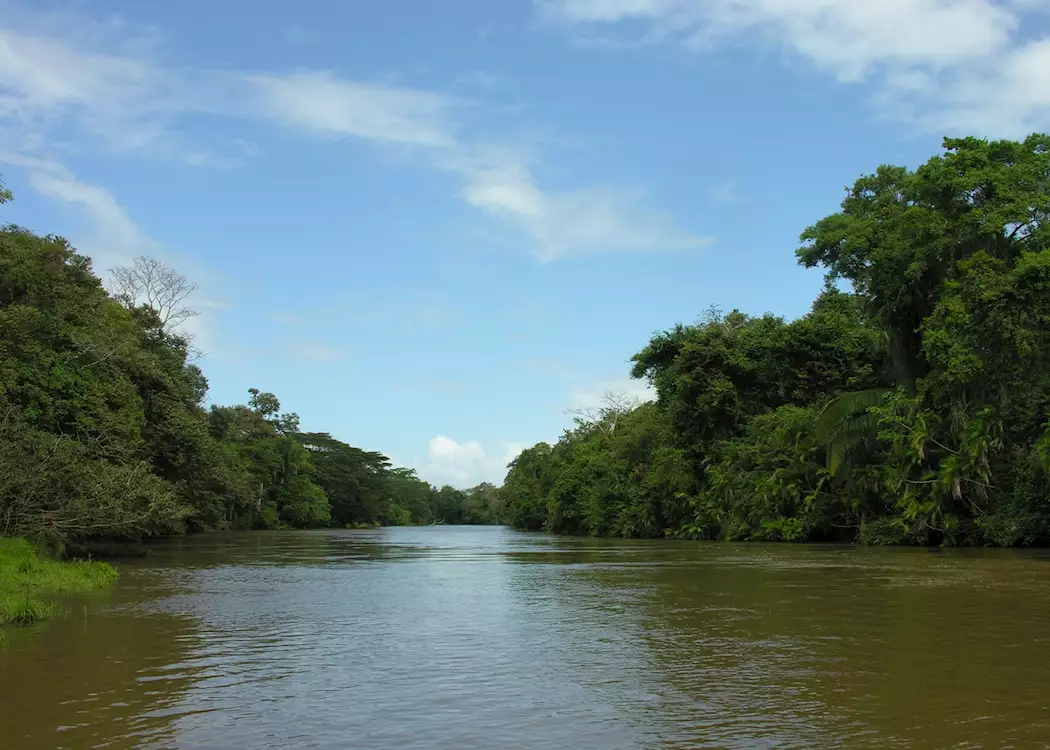
Caño Negro Wildlife Refuge, Costa Rica
If Arenal Volcano showcases Costa Rica’s dramatic landscapes and Río…
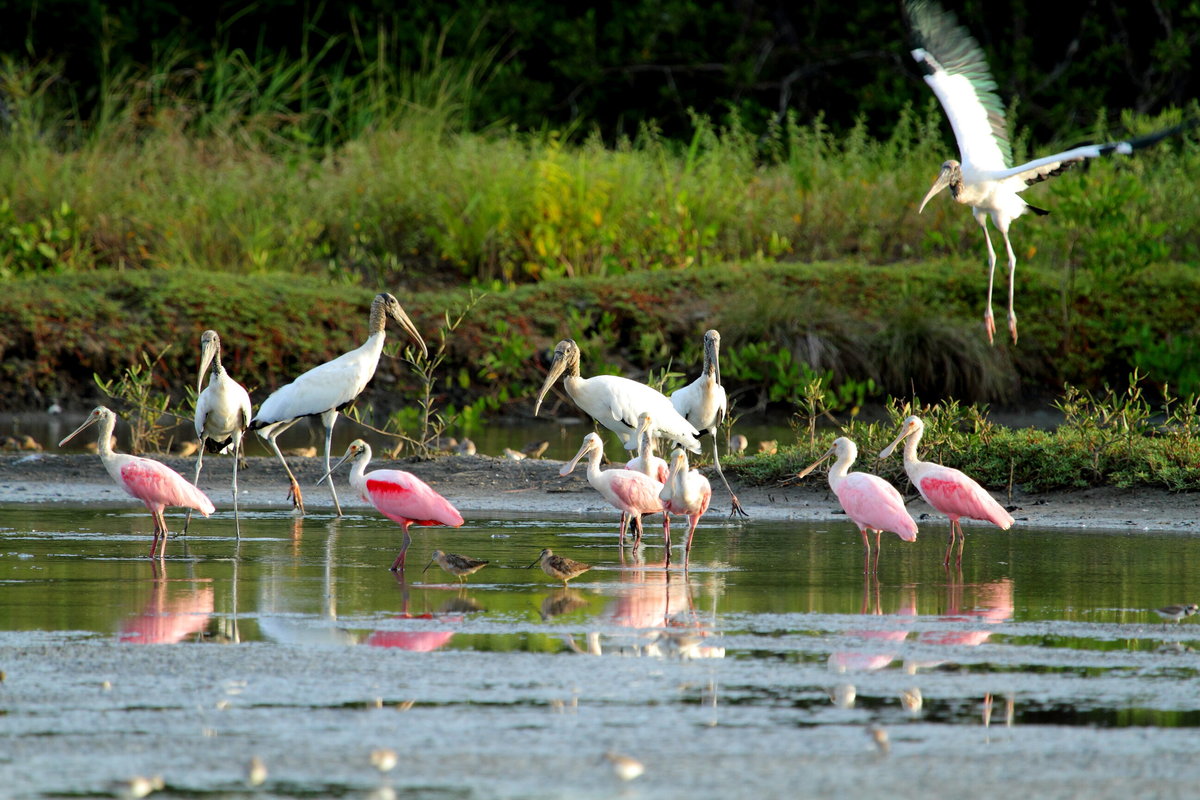
Is Caño Negro Worth Visiting? An Honest Visitor Guide
Is Caño Negro worth visiting? Yes, particularly if you enjoy wildlife, birdwatching, and exploring natural habitats at a relaxed pace. However, it is not the right excursion for every Costa Rica itinerary. Located in northern Costa Rica, Caño Negro Wildlife Refuge protects freshwater wetlands, lagoons, and seasonal floodplains. Instead of hiking to waterfalls or volcano viewpoints, visitors explore waterways by boat while looking for birds, reptiles, and monkeys. The experience requires patience. Wildlife sightings are unpredictable, and reaching the refuge from La Fortuna takes time. Still, for travelers interested in biodiversity, Caño Negro offers something quite different from the Arenal region. This guide explains what makes Caño Negro special, what to expect on a boat tour, and when the journey is worth the effort. What Is Caño Negro Wildlife Refuge? Caño Negro Wildlife Refuge is a protected wetland area in northern Alajuela Province, near Costa Rica's border with Nicaragua. The refuge lies within the Río Frío watershed and includes marshes, lagoons, rivers, and seasonal floodplains. Its changing water levels support a wide variety of aquatic wildlife. The National System of Conservation Areas (SINAC) manages the refuge. Caño Negro also holds international recognition under the Ramsar Convention, which identifies wetlands of global ecological importance. Unlike a permanent lake, parts of the wetland expand and contract as rainfall and river levels change. Consequently, the landscape and wildlife-viewing conditions vary throughout the year. Most travelers visit on guided boat excursions. These trips provide access to waterways where visitors can observe wildlife without extensive hiking.…
How to Get to Caño Negro from La Fortuna
If you are wondering how to get to Caño Negro from…