Is Caño Negro Worth Visiting? When most travelers imagine Costa Rica, they picture volcanoes, waterfalls, rainforest trails, and tropical beaches. Wetlands rarely make the list. However, Caño Negro Wildlife Refuge protects one of the country’s most important ecosystems and offers a completely different experience from Costa Rica’s better-known attractions.
Located near the Nicaraguan border, this protected area attracts birdwatchers, photographers, and wildlife enthusiasts looking for something quieter and less crowded. Instead of hiking through dense forest, visitors explore rivers and wetlands by boat while searching for birds, monkeys, caimans, and other wildlife.
So, is Caño Negro worth visiting? For the right traveler, absolutely. However, understanding what makes this destination special will help you decide whether it belongs on your itinerary.
What Is Caño Negro Wildlife Refuge?
Caño Negro Wildlife Refuge sits near the town of Los Chiles in northern Costa Rica. Although many visitors arrive from La Fortuna, the refuge feels very different from the Arenal region.
Caño Negro Wildlife Refuge is managed by Costa Rica’s National System of Conservation Areas (SINAC), which oversees protected areas throughout the country.
The area protects a large network of wetlands, lagoons, rivers, and seasonal floodplains. As a result, wildlife thrives throughout the year. Unlike destinations that focus on dramatic scenery, Caño Negro centers on biodiversity and wildlife observation.
Most visitors explore the refuge by boat. Consequently, the experience feels relaxed and accessible, even for travelers who prefer to avoid long hikes.
What Makes Caño Negro Different?
One of the refuge’s biggest strengths is its unique ecosystem.
While many Costa Rica itineraries focus on rainforests and beaches, Caño Negro showcases freshwater wetlands. These habitats support an incredible variety of birds, reptiles, fish, and mammals. Furthermore, seasonal flooding constantly changes the landscape, creating new feeding and nesting areas throughout the year.
Another advantage is the way visitors experience wildlife. Instead of walking long distances in search of animals, travelers drift slowly along the Río Frío while guides scan the riverbanks and surrounding vegetation. Because wildlife often gathers near the water, sightings tend to be closer and easier to observe.
In addition, Caño Negro receives far fewer visitors than destinations such as Manuel Antonio or Tortuguero. Therefore, the atmosphere feels quieter and more authentic.
What Wildlife Can You Expect to See?
Wildlife is the main reason most travelers visit Caño Negro.
On a typical boat tour, visitors may encounter spectacled caimans resting near the shoreline, iguanas warming themselves in the sun, and river turtles swimming through the wetlands. Meanwhile, howler monkeys and white-faced capuchins frequently appear in riverside trees.
Birdlife attracts even more attention. Herons, egrets, kingfishers, anhingas, and roseate spoonbills are among the species commonly seen throughout the refuge. During migration season, additional species arrive from North America, which increases overall diversity.
Although sightings are never guaranteed, experienced guides dramatically improve the chances of finding wildlife. As a result, many visitors leave with far more sightings than they expected.
Expectations Versus Reality
Before visiting Caño Negro, it helps to understand what kind of experience the refuge offers.
Many travelers expect dramatic landscapes like those around Arenal Volcano. In reality, the scenery is much more subtle. Wetlands, rivers, and marshes dominate the landscape, while the real excitement comes from observing wildlife behavior.
Others expect a fast-paced adventure. However, Caño Negro rewards patience rather than adrenaline. Boats move slowly, guides stop frequently, and visitors spend time observing rather than rushing from one attraction to another.
For travelers who enjoy nature, this slower pace often becomes one of the refuge’s greatest strengths.
Where Should You Stay?
Most travelers visit Caño Negro as a day trip from La Fortuna. This option works particularly well for visitors who want to combine wildlife viewing with volcanoes, waterfalls, and hot springs.
However, staying closer to Los Chiles offers several advantages. Early-morning departures offer better wildlife viewing, while overnight visitors enjoy a quieter atmosphere and more flexibility.
For dedicated birdwatchers and photographers, spending a night near the refuge often creates a more rewarding experience. Meanwhile, travelers with limited vacation time may find La Fortuna a more practical base.
Who Will Enjoy Caño Negro Most?
Caño Negro appeals to a specific type of traveler.
Birdwatchers often consider it one of the best wetland destinations in Costa Rica. Likewise, photographers appreciate the close wildlife encounters and relatively stable boat platforms.
Families frequently enjoy the experience because it requires very little physical effort. In addition, many Baby Boomers appreciate the comfortable pace compared to more demanding hiking destinations.
On the other hand, travelers who prioritize adventure sports, dramatic scenery, or short excursions may prefer other attractions in the Arenal area.
Best Time to Visit Caño Negro
The refuge offers rewarding experiences throughout the year, though each season offers distinct advantages.
During the dry season, water levels drop, and wildlife gathers around the remaining channels. Consequently, animals are often easier to spot and photograph.
By contrast, the rainy season creates larger wetland areas and attracts additional migratory birds. Although afternoon rain becomes more common, many visitors appreciate the lush scenery and increased bird diversity.
Ultimately, both seasons offer excellent wildlife opportunities, and the best choice depends on your interests.
Final Verdict: Is Caño Negro Worth Visiting?
If you enjoy wildlife, birdwatching, photography, and slower nature experiences, Caño Negro is absolutely worth visiting.
Unlike Costa Rica’s more famous attractions, the refuge doesn’t rely on dramatic scenery or adventure activities. Instead, it rewards observation, patience, and curiosity. For many travelers, that difference becomes part of its appeal.
While volcanoes, waterfalls, and beaches often dominate Costa Rica itineraries, Caño Negro provides something equally memorable. It offers a chance to experience one of the country’s richest wetland ecosystems and observe wildlife in a peaceful, natural setting.
For travelers who value biodiversity over spectacle, Caño Negro remains one of northern Costa Rica’s most rewarding hidden gems.
Related Posts
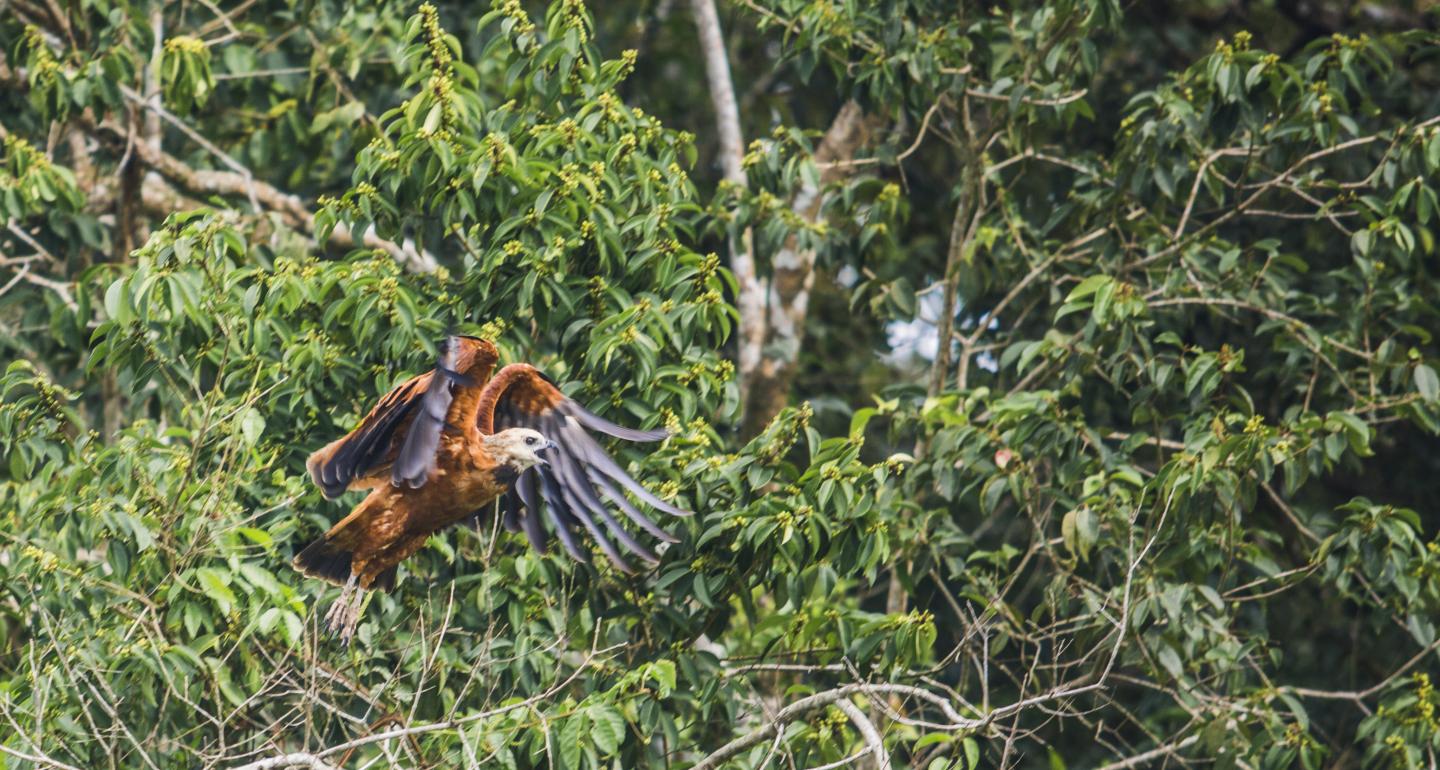
Birdwatching in Caño Negro Wildlife Refuge
Birdwatching in Caño Negro Wildlife Refuge offers one of the…
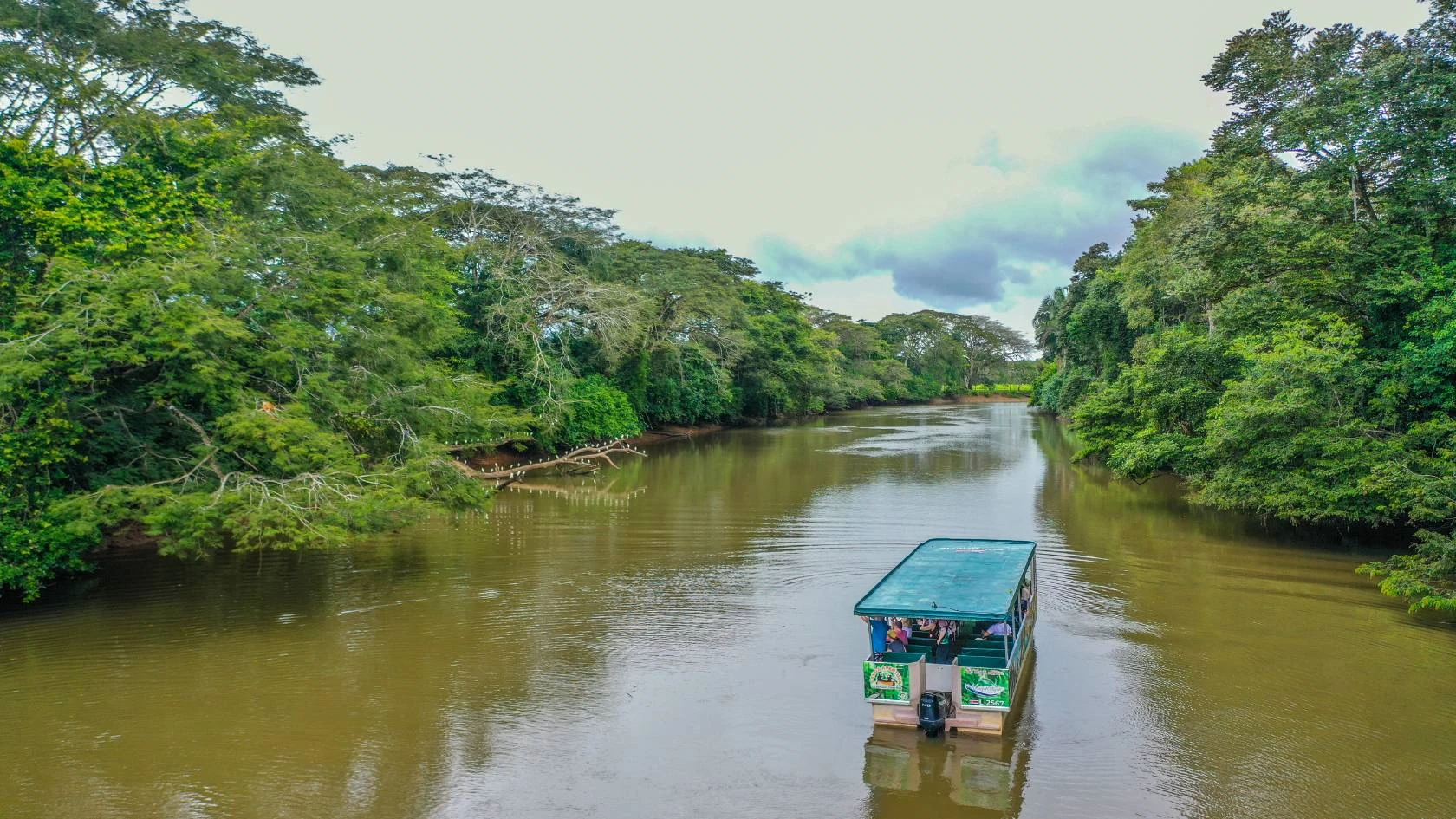
Caño Negro Boat Tour Guide: What to Expect
A Complete Guide to Wildlife Safaris in Caño Negro Wildlife…
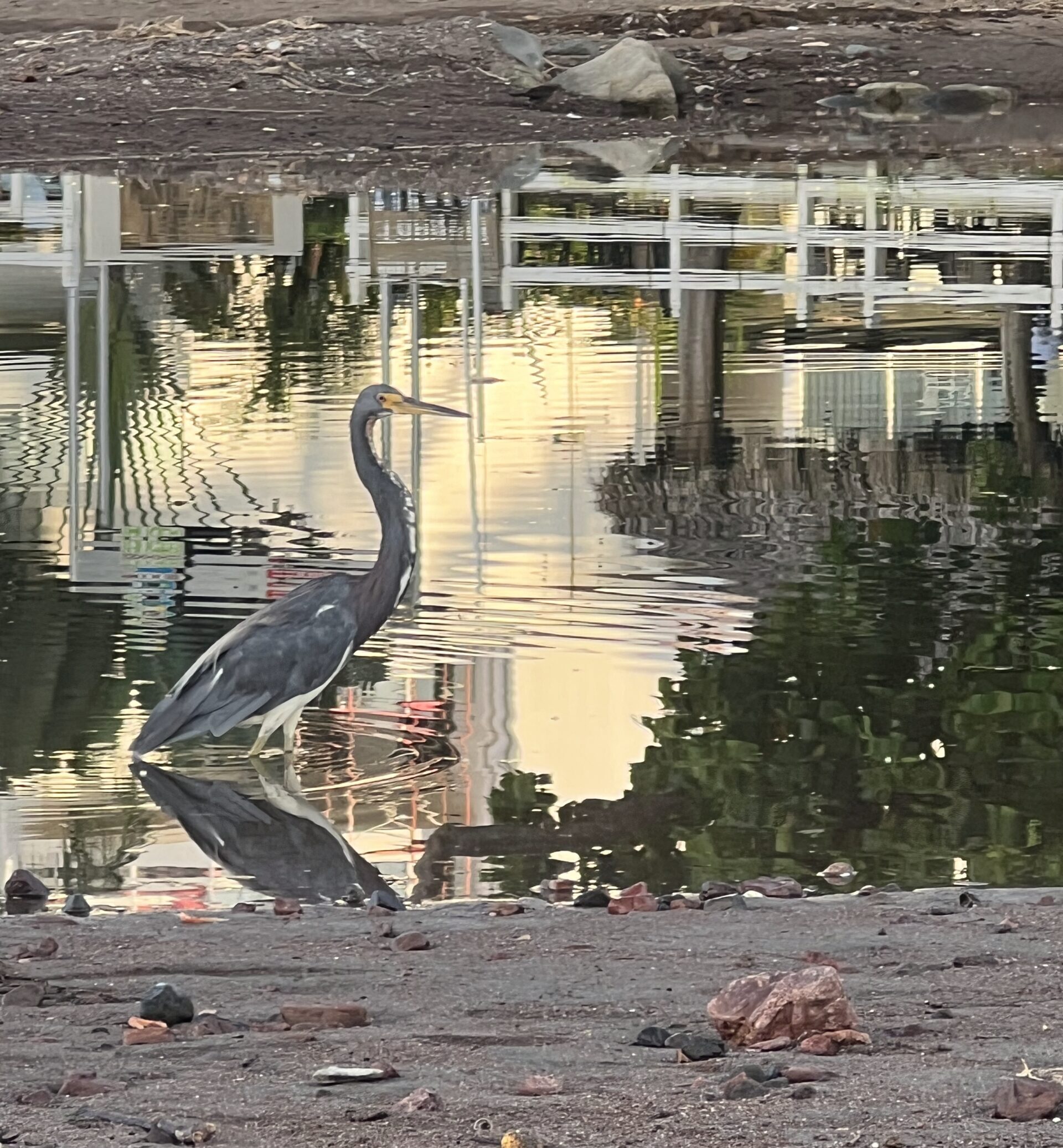
Birdwatching in Caño Negro Wildlife Refuge: A Hidden Paradise for Bird Lovers
Birdwatching in Caño Negro Wildlife Refuge is one of the best…