Drake Bay sits on the edge of the Osa Peninsula, one of the most biodiverse regions on Earth. It’s remote, boat-accessible, wrapped in rainforest, and serves as a primary gateway to Corcovado National Park.
But is Drake Bay actually worth the effort it takes to get there?
The honest answer: yes — for the right traveler.
Drake Bay is not for everyone. It’s not a polished beach town with nightlife, shopping, and luxury infrastructure. It’s wild, humid, occasionally muddy, and dependent on tides and weather. But for travelers seeking immersive nature, wildlife density, and true remoteness, it delivers something increasingly rare in Costa Rica.
This guide breaks down expectations, realities, lodging options, and who will appreciate Drake Bay most.
Overview: What Is Drake Bay?
Drake Bay is a small coastal village on the northern side of the Osa Peninsula, along Costa Rica’s southern Pacific coast.
It’s best known for:
- Corcovado National Park tours from Drake Bay
- Caño Island snorkeling tours
- Whale watching in Drake Bay.
- Remote jungle eco-lodges
There are no large resorts, no chain hotels, and no extensive paved roads. The rainforest presses right up against the shoreline.
That’s exactly why many travelers come.
Expectations vs Reality
Understanding what Drake Bay is — and what it isn’t — is key to deciding whether it’s worth visiting.
Expectation: It’s a Beach Town
Reality: It’s a wilderness basecamp.
Drake Bay has beaches, but they are not manicured swimming beaches with beach clubs. Ocean conditions can be rough, tides shift dramatically, and much of the coastline is backed by jungle.
If your priority is calm, swimmable beaches, consider other parts of Costa Rica.
Expectation: It’s Easy to Reach
Reality: It requires intention.
Getting to Drake Bay involves either:
- A domestic flight
- A boat transfer from Sierpe
- A 4×4 drive
You can read the full breakdown here:
How to Get to Drake Bay (Flight vs Boat vs 4×4)
The remoteness is part of the experience — but it does require planning.
Expectation: It Has Full Infrastructure
Reality: Services are limited.
There are:
- Small grocery shops
- A handful of sodas and lodge restaurants
- Limited ATM access
- Occasional Wi-Fi instability
This is not a plug-and-play tourist town.
Where to Stay in Drake Bay
Accommodations in Drake Bay focus on eco-immersion rather than high-density development.
Eco-Lodges in Drake Bay
Many lodges are:
- Solar-powered
- Jungle-embedded
- Wildlife-rich
- All-inclusive or semi-inclusive
These are ideal for travelers who want guided excursions arranged seamlessly.
Jungle Cabins & Boutique Wilderness Resorts
Options range from:
- Rustic cabins with ocean views
- Mid-range jungle stays
- High-end boutique properties offering private guides and curated itineraries
Staying in Drake Bay means you’re rarely far from rainforest sounds — scarlet macaws overhead, monkeys in the trees, and waves crashing at night.
Best Things to Do in Drake Bay
Drake Bay is activity-focused, particularly in wildlife and marine exploration.
Corcovado National Park
The headline experience.
Most visitors book guided day trips to Corcovado from Drake Bay. Wildlife sightings may include:
- Tapirs
- Scarlet macaws
- Spider monkeys
- Sloths
- Peccaries
Explore more here:
Corcovado National Park from Drake Bay
Caño Island Snorkeling
Caño Island Biological Reserve offers some of Costa Rica’s best snorkeling visibility during the dry season.
You may see:
- Reef fish
- Sea turtles
- Rays
- Reef sharks
Full guide:
Whale Watching
Drake Bay has two humpback whale migration seasons:
- December–April
- July–October
Learn more:
Coastal Jungle Hikes
Even outside Corcovado, trails around Drake Bay provide rich wildlife opportunities.
Seasonal Considerations
Dry Season (December–April)
- Best snorkeling visibility
- Easier hiking conditions
- Higher visitor numbers
Ideal for first-time visitors.
Green Season (May–November)
- Lush rainforest
- Fewer crowds
- Peak whale watching (July–October)
- Afternoon rain common
September and October are typically the wettest months.
For timing guidance, see:
Who Drake Bay Is Best Suited For
Drake Bay is worth visiting if you are:
- A wildlife enthusiast
- A birder
- A nature photographer
- An adventure traveler comfortable with logistics
- A wellness traveler seeking digital detox
- A family with older children interested in guided exploration
It may not be ideal for:
- Travelers seeking nightlife
- Luxury beach resort experiences
- Those who are uncomfortable with humidity and remoteness
- Short 3–4 day itineraries with little flexibility
Is Drake Bay Worth Visiting?
If your vision of Costa Rica includes:
- One of the most biodiverse places on Earth
- Direct access to Corcovado National Park
- Whale watching and marine life.
- Jungle immersion without mass tourism
Then yes — Drake Bay is absolutely worth visiting.
If your travel style leans toward convenience, nightlife, and predictable beach conditions, you may find it too remote.
Final Thoughts
Drake Bay is not about ease.
It’s about immersion.
It requires more effort to reach than most Costa Rican destinations. But that effort filters out crowds and preserves its wildness.
For travelers willing to embrace limited infrastructure, shifting tides, and rainforest humidity, Drake Bay delivers something increasingly rare: a stretch of Pacific coastline where nature still dominates.
And for many who make the journey, it becomes the most memorable part of their Costa Rica itinerary.
Related Posts
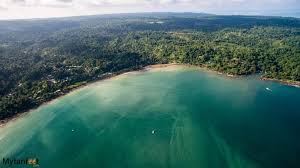
Drake Bay vs Puerto Jiménez: Which Osa Destination Is Better?
If you’re planning a trip to Costa Rica’s wild Osa…
Puerto Jiménez or Drake Bay: Which Is Better for Corcovado?
Puerto Jiménez or Drake Bay is one of the biggest decisions…
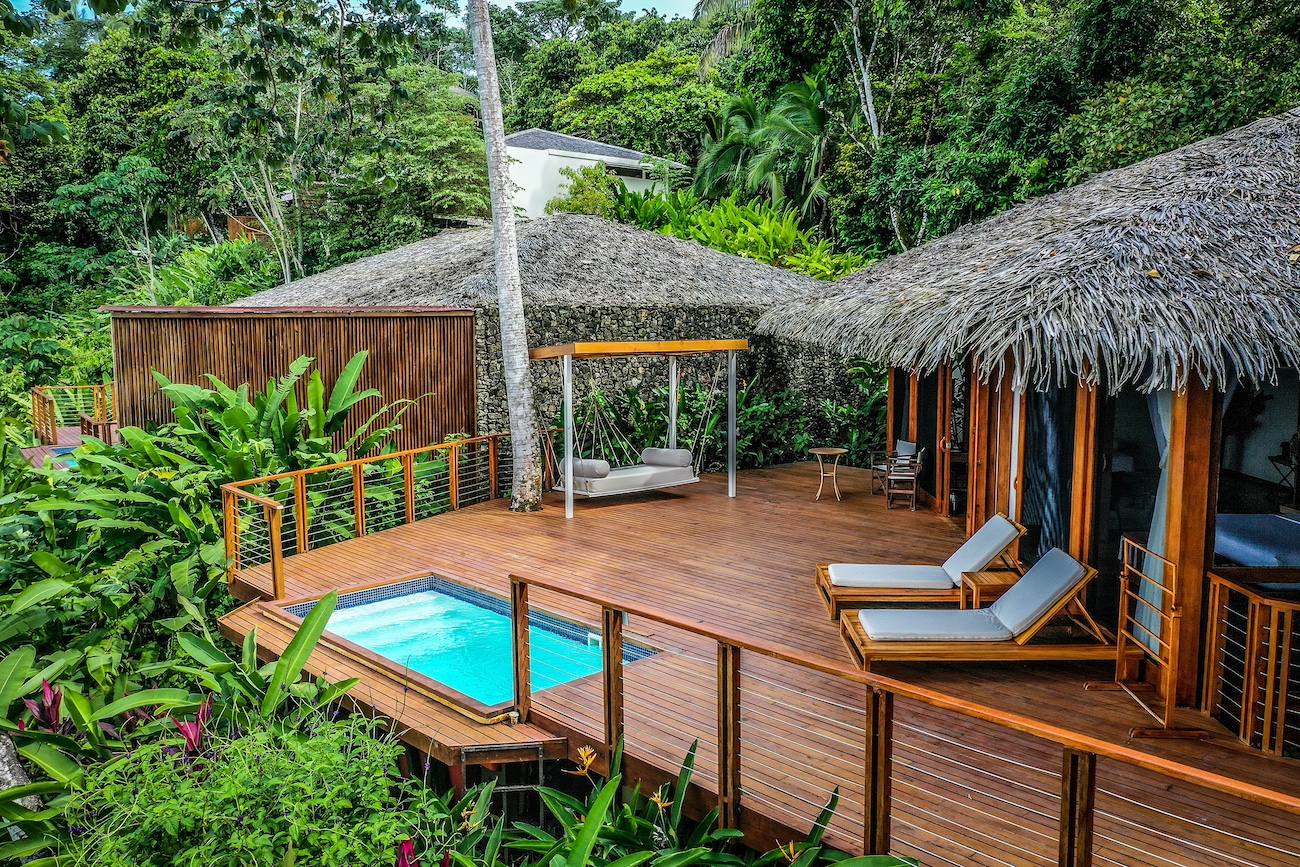
Best Luxury Eco-Lodges in Drake Bay
Sustainable High-End Stays on Costa Rica’s Osa Peninsula Drake Bay…