An overnight at Sirena Ranger Station is one of the most immersive ways to experience Corcovado National Park. Instead of arriving for a few hours and leaving with the day-tour groups, you remain inside the rainforest after the trails grow quieter. Then, before the next boats arrive, you can return to the forest during the cooler early-morning hours.
However, Sirena is not a jungle resort. The station provides rustic lodging, meals, drinking water, restrooms, lockers, and access to an extensive trail network. Comfort remains basic, schedules are structured, and the rainforest controls much of the experience.
For travelers willing to trade privacy and luxury for more time in the park, a Sirena Ranger Station overnight can become the defining experience of an Osa Peninsula trip.
Where Sirena Is Located
Sirena sits near the center of Corcovado National Park, surrounded by lowland rainforest, rivers, coastal habitat, and open areas that often make wildlife easier to observe.
The sector has eight local trails covering approximately 20 kilometers in total. You will not hike all of them during a short visit. Instead, your guide will choose routes according to recent sightings, weather, trail conditions, and the amount of time available.
Sirena can be reached by sea from Drake Bay, Puerto Jiménez, or Sierpe. Overland hikers can also arrive from La Leona or Los Patos, although those routes require long, physically demanding days. SINAC estimates approximately six to seven hours from La Leona and eight to nine hours from Los Patos.
Planning Your Overnight Stay
Corcovado requires planning. You cannot treat Sirena like a hotel and arrive without confirmed arrangements.
A park reservation must be secured before your visit. In addition, lodging and meal services at the station are managed separately by the Asociación de Desarrollo Integral Corcovado-Carate. SINAC lists accommodation, food, a small nature store, and locker rental among the services currently available.
Most international visitors book through an established lodge or tour operator. This is usually the simplest approach because the operator can coordinate park admission, guiding, transport, meals, and the overnight reservation.
Moreover, Costa Rica’s official tourism information states that visitors must enter Corcovado with an authorized guide. Even where current SINAC wording varies, arranging a registered guide remains the safest and most practical way to visit.
Getting to Sirena Ranger Station
Arriving from Drake Bay
Boat access from Drake Bay is the most common option for visitors who want an overnight experience without completing a long overland trek.
Tours leave early, often before the heat builds. Because Drake Bay lacks a conventional marina in its central area, you may board directly from the beach and walk through shallow water. Therefore, wear footwear that can get wet and place electronics inside a secure dry bag.
The crossing time depends on the boat, departure point, swell, and weather. Once you arrive, the boat usually lands near the beach before the group continues toward the station and surrounding trails.
Arriving from Puerto Jiménez
Puerto Jiménez works better for travelers interested in an overland expedition. The classic route continues toward Carate and the La Leona entrance before following the coast toward Sirena.
The hike from La Leona takes around six hours under normal conditions. Nevertheless, heat, humidity, beach exposure, and the group’s pace can make the journey feel considerably harder.
A longer trekking itinerary may also approach from Los Patos. However, that route crosses more irregular terrain and demands stronger fitness.
What the Accommodation Is Really Like
The station offers rustic lodging rather than hotel-style accommodation. Official sources confirm lodging, restrooms, drinking water, radio communication, meals, lockers, and basic visitor services. However, room layouts and sleeping arrangements can change, so confirm the current setup with your operator before booking.
Do not expect air conditioning, private resort amenities, flexible meal times, or complete separation from other visitors. Instead, expect a functional base designed to support park operations and controlled overnight access.
Meals are provided at scheduled times. SINAC currently publishes separate daily prices for accommodation, breakfast, lunch, dinner, and locker rental, although rates can change. Therefore, verify the final amount and included services before paying.
Because you are staying inside a protected area, follow all instructions about food, waste, quiet hours, wildlife, and personal belongings.
What a Typical Overnight Experience Looks Like
A common itinerary begins with an early boat departure or a long hike into the station. After arrival, your guide usually leads a wildlife walk before or after lunch, depending on timing and conditions.
Later, the group returns to the station for dinner and rest. Activities after dark depend on park rules and the specific tour. Therefore, do not assume that a night hike is included unless your operator confirms it.
The next morning normally begins early. Cooler temperatures and lower visitor numbers make this one of the most valuable parts of staying overnight. After a guided walk and breakfast, you may complete another trail before returning by boat or continuing an overland route.
The schedule is not luxurious or leisurely. Still, the extra trail time creates a deeper experience than a standard day trip.
Wildlife Around the Station
Sirena is widely valued for its varied habitats and accessible trail network. Visitors may encounter Baird’s tapirs, coatis, agoutis, sloths, peccaries, crocodiles, and all four monkey species found in Costa Rica.
Scarlet macaws are often seen or heard, while toucans, trogons, raptors, and many smaller birds reward patient observation.
Nevertheless, no species is guaranteed. Jaguars and pumas live in Corcovado, but direct sightings remain exceptionally rare. A guide may instead identify tracks, feeding signs, calls, or movement that an untrained visitor would miss.
What to Pack
Carry as little as possible while still preparing for heat, rain, insects, and wet boat landings.
Bring lightweight hiking shoes with good grip, breathable clothing, insect repellent, reef-safe sunscreen, a reusable water bottle, and a compact rain layer. A headlamp is useful around basic accommodation areas, while binoculars greatly improve wildlife viewing.
Protect cameras, documents, and phones inside a waterproof bag. In addition, bring any essential medication because medical support inside the park is limited.
Your operator should provide a current packing list and explain which food, plastic, or disposable items the park restricts.
Best Time for an Overnight Visit
The dry season, from December through April, generally offers easier trail conditions and more predictable boat transfers. However, this is also the period with the greatest demand, so overnight spaces can fill early.
From May through November, the rainforest becomes greener, and visitor numbers often fall. Meanwhile, trails become muddier, rainfall increases, and ocean conditions may disrupt transfers.
Sirena closes throughout October because of heavy rain and maintenance, according to current official information. Always confirm the operating calendar before reserving flights or accommodation.
Is an Overnight Stay Worth It?
An overnight stay at Sirena is worth considering when wildlife, rainforest immersion, and trail time matter more than private accommodation.
It gives you access to the park during quieter hours and removes the pressure to fit the experience into one short visit. Furthermore, it allows you to appreciate Corcovado as an ecosystem rather than simply a place to search for animals.
However, a day trip may be more appropriate if you need air conditioning, private rooms, flexible meals, limited walking, or a highly predictable schedule.
Sirena asks visitors to accept heat, shared facilities, early mornings, and uncertainty. In return, it offers the rare chance to wake inside one of Costa Rica’s most important protected landscapes.
After the day visitors leave, the station becomes quieter. The forest remains active around it, and the distance from roads and towns feels more noticeable.
That sense of proximity—not luxury—is the real reason to stay.
Related Posts
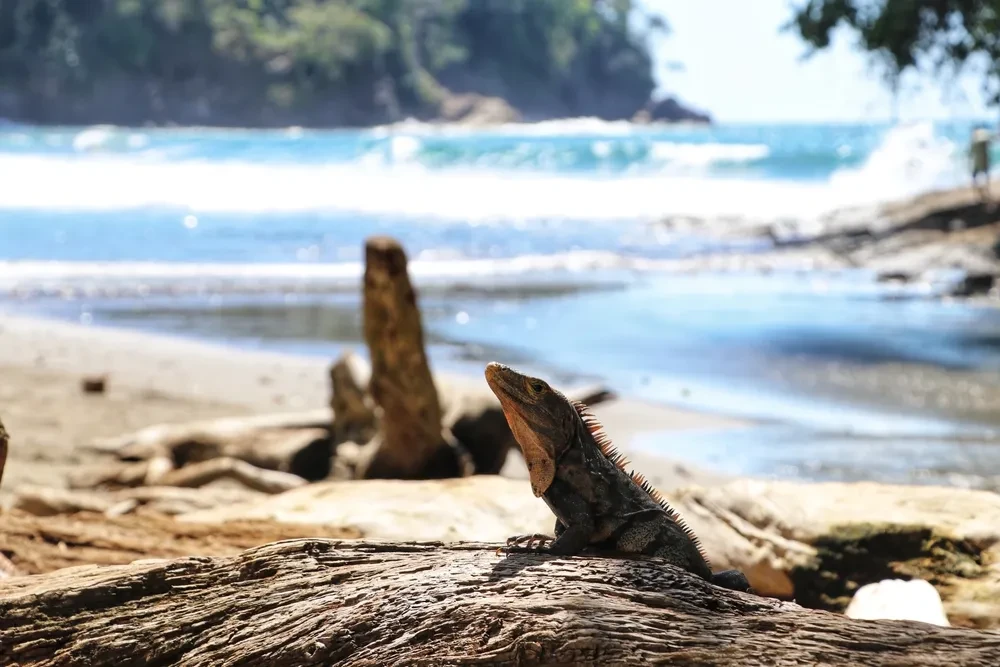
Multi-Day Corcovado Adventures
For travelers who want to experience Costa Rica's wildest landscapes…
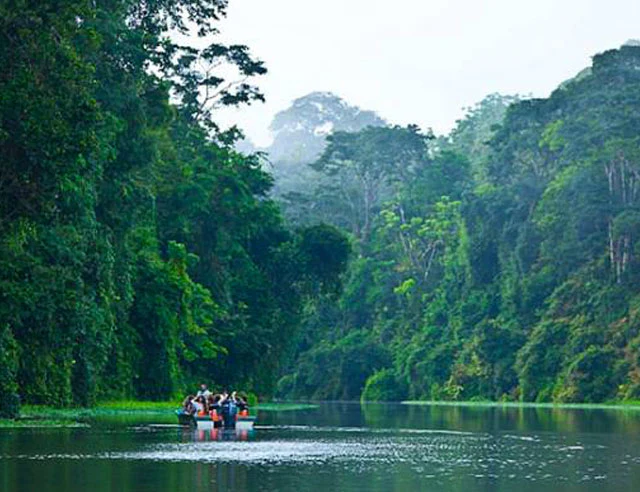
How to Visit Corcovado National Park: Permits, Guides and Logistics
Learning how to visit Corcovado National Park is more complicated than planning…
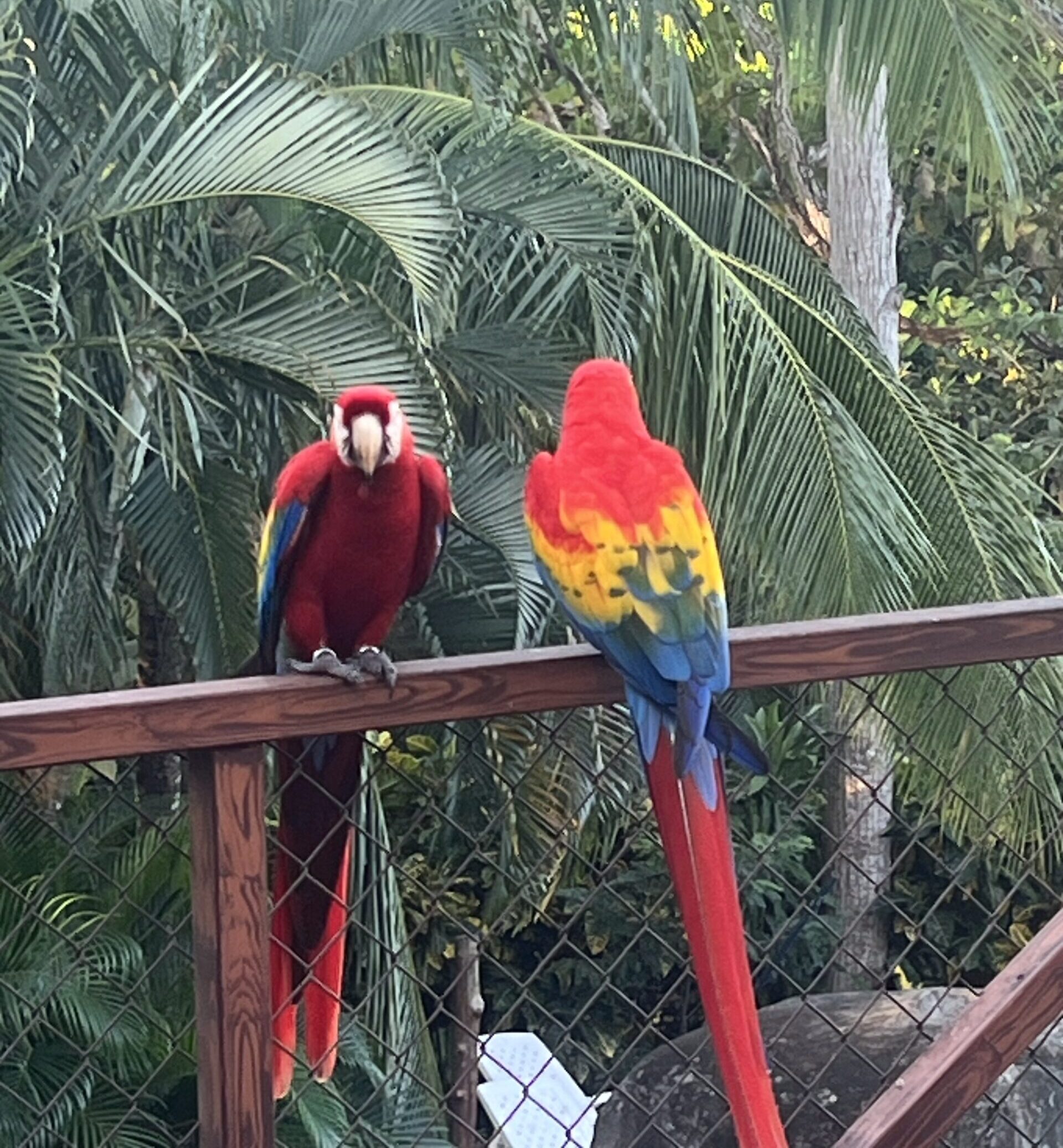
Birdwatching in Corcovado National Park, Costa Rica
Birdwatching in Corcovado National Park is one of the most rewarding wildlife…