Choosing between Corcovado National Park vs Manuel Antonio is less about deciding which park is better and more about choosing the kind of Costa Rica experience you want.
Both parks protect Pacific rainforest. Both offer wildlife, tropical scenery, and memorable hiking. However, the similarities end quickly. Manuel Antonio is compact, accessible, and easy to combine with a beach vacation. Corcovado is remote, highly regulated, and built around deeper wilderness immersion.
For first-time visitors, families, and travelers with limited time, Manuel Antonio often feels easier. Meanwhile, wildlife enthusiasts, photographers, and active travelers may find Corcovado far more rewarding.
This guide compares the two parks across wildlife, hiking, beaches, logistics, comfort, and traveler type so you can choose the one that fits your itinerary.
The Biggest Difference Is the Level of Wilderness
Manuel Antonio National Park sits near Quepos on Costa Rica’s Central Pacific coast. The park has marked trails, potable water, restrooms, viewpoints, ranger services, and several beaches inside its boundaries. Hotels, restaurants, and transportation services are also available nearby.
Corcovado National Park, by contrast, covers a much larger and more remote landscape on the Osa Peninsula. It protects rainforest, wetlands, rivers, mangroves, and long stretches of undeveloped coastline. Access is divided among sectors such as Sirena, San Pedrillo, La Leona, Los Patos, Los Planes, and El Tigre. Reservations are required, and official tourism guidance states that visitors must enter with an authorized guide.
Therefore, Manuel Antonio feels like an accessible national park experience. Corcovado feels more like a guided expedition.
Wildlife: Accessibility vs Depth
Wildlife is a major reason to visit either park, although the experience differs.
Wildlife in Manuel Antonio
Manuel Antonio is famous for visible wildlife along relatively short trails. Visitors commonly search for sloths, white-faced capuchin monkeys, squirrel monkeys, iguanas, raccoons, and tropical birds.
Because the park is small and well visited, guides often know where animals have recently been resting or feeding. As a result, first-time wildlife travelers may find sightings easier to understand and photograph.
A guide is not mandatory for Manuel Antonio, but hiring one can be worthwhile. Certified guides use spotting scopes and help visitors notice animals hidden high in the canopy. The park currently has an official guiding concession near the entrance.
Wildlife in Corcovado
Corcovado offers a broader and more intact habitat. The park protects species such as Baird’s tapirs, scarlet macaws, peccaries, coatis, sloths, crocodiles, and all four monkey species found in Costa Rica.
Sirena is especially well known for wildlife-focused visits because its trail network crosses several habitats around the central station. However, sightings remain unpredictable. Jaguars and pumas live in the park, but visual encounters are extremely rare.
Corcovado’s advantage is not guaranteed sightings. Instead, it is the sense that wildlife is moving through a large, functioning ecosystem rather than a compact visitor area.
Hiking and Physical Difficulty
The hiking experience may be the most important factor in your decision.
Manuel Antonio Is Easier to Explore
Most visitors can experience Manuel Antonio in half a day. Trails are generally shorter, signage is clear, and services are available inside the park. In addition, beaches provide places to stop and rest between walks.
This makes the park suitable for families, older travelers, casual hikers, and anyone who wants wildlife without committing to a demanding day.
Even so, tropical heat can make the trails tiring. Start early, carry water, and avoid rushing through the park during the hottest part of the day.
Corcovado Requires More Stamina
Corcovado’s difficulty depends on the sector.
A boat-based visit to Sirena may involve several hours of walking on relatively flat trails. San Pedrillo can include denser forest and more varied terrain. Meanwhile, the coastal route from La Leona toward Sirena takes around six hours under normal conditions. The route from Los Patos to Sirena can require eight to nine hours.
Heat, mud, humidity, roots, beach exposure, and sudden rain make the experience more demanding than the distance alone suggests.
Therefore, Corcovado is better suited to travelers who are comfortable being active for several hours in tropical conditions.
Beaches and Scenery
Both parks combine rainforest and coastline, but they use that landscape differently.
Manuel Antonio includes several beaches, including Espadilla Sur, Manuel Antonio, and Puerto Escondido. The park is especially appealing because visitors can hike, watch wildlife, and enjoy the beach during the same visit.
Corcovado’s beaches feel much wilder. Long stretches of forest meet open Pacific coastline without resorts or busy development. However, these beaches should not be treated as casual swimming areas. Strong currents, remote conditions, and wildlife near river mouths require caution.
Choose Manuel Antonio if swimming and beach relaxation are essential parts of the day.
Choose Corcovado if undeveloped coastal scenery matters more than recreational swimming.
Logistics and Advance Planning
Manuel Antonio is clearly easier to organize.
The park lies about seven kilometers from Quepos and can be reached by road. Tickets must be purchased through SINAC’s online reservation system, and the park is currently closed on Tuesdays.
Accommodation, restaurants, taxis, and tour services are widely available nearby. Consequently, Manuel Antonio fits easily into a short Costa Rica itinerary.
Corcovado requires several decisions before arrival. First, you must choose a gateway—usually Drake Bay or Puerto Jiménez. Then, you need to choose a sector, arrange a guide, secure advance admission, and coordinate boat or overland transportation. SINAC currently manages Corcovado reservations by email rather than through the same online ticket system used for Manuel Antonio.
Which Park Is Better for Families?
Manuel Antonio is usually the better choice for families with younger children.
The park’s shorter trails, nearby services, and beach access make it easier to adjust the day around heat, hunger, or tiredness. Wildlife also tends to be easier to observe without covering long distances.
Corcovado can work well for families with older children or teenagers who enjoy hiking and nature. However, parents should consider the early departure, boat transfer, humidity, limited facilities, and several hours of guided walking.
For multigenerational trips, Manuel Antonio generally offers the most flexibility.
Which Is Better for Photographers and Birders?
Corcovado usually has the stronger appeal for serious wildlife photographers and birders.
Its larger habitat, lower visitor density, and broad range of ecosystems create more opportunities for patient observation. Staying overnight near Sirena also provides access to early-morning and late-afternoon activity.
However, Manuel Antonio can be easier for casual photographers. Animals may be visible closer to marked trails, and the shorter routes make carrying camera equipment less tiring.
In simple terms, Manuel Antonio offers easier photography. Corcovado offers greater depth and uncertainty.
Comfort and Accommodation
Manuel Antonio offers the full range of tourism infrastructure, from vacation rentals and boutique hotels to luxury properties and restaurants close to the park.
Corcovado’s gateway towns also offer comfortable lodging, but the park experience remains rustic. Drake Bay has eco-lodges and packaged excursions, while Puerto Jiménez offers hotels, guesthouses, shops, and road access.
An overnight at Sirena provides the deepest immersion, although the accommodation is basic. Official SINAC information lists lodging, meals, a nature store, and locker services at the station.
Travelers who need air conditioning, private bathrooms, and predictable schedules will find Manuel Antonio easier.
Who Should Choose Corcovado?
Corcovado is the better choice when your priorities include:
- Serious wildlife viewing
- Birding or nature photography
- Remote rainforest
- Guided hiking
- A physically active day
- An experience that feels expedition-like
It is especially rewarding for travelers who see the journey and logistics as part of the adventure.
Who Should Choose Manuel Antonio?
Manuel Antonio is a better fit when you want:
- Easy road access
- Shorter trails
- Beaches and wildlife in one visit
- A family-friendly experience
- Nearby hotels and restaurants
- A park that fits comfortably into a short itinerary
It is one of Costa Rica’s easiest introductions to rainforest wildlife.
Can You Visit Both?
Yes, and the two parks complement each other well.
Manuel Antonio provides an accessible wildlife and beach experience. Corcovado then takes you deeper into the southern Pacific wilderness.
Travelers driving south can visit Manuel Antonio first, continue toward Sierpe or Puerto Jiménez, and then enter the Osa Peninsula. However, allow enough time. Corcovado should not be added as a rushed day trip after Manuel Antonio.
Final Verdict: Corcovado National Park vs Manuel Antonio
There is no universal winner in the Corcovado National Park vs Manuel Antonio comparison.
Choose Manuel Antonio for convenience, beaches, shorter hikes, and easier wildlife viewing.
Choose Corcovado for biodiversity, remoteness, physical adventure, and a deeper sense of wilderness.
Manuel Antonio shows how accessible Costa Rica’s wildlife can be.
Corcovado shows how powerful the country feels when the roads, hotels, and crowds fall away.
Both parks are memorable. The right one depends on how much comfort you want—and how far into the rainforest you are willing to go.
Related Posts
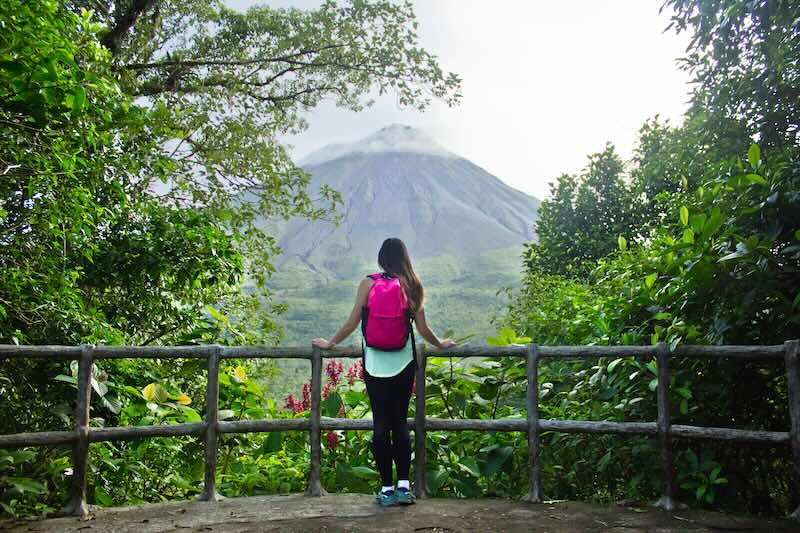
Hiking in Corcovado National Park
Hiking in Corcovado National Park is one of the most unforgettable…
Corcovado National Park, Costa Rica
Corcovado National Park, Costa Rica, protects one of the wildest…
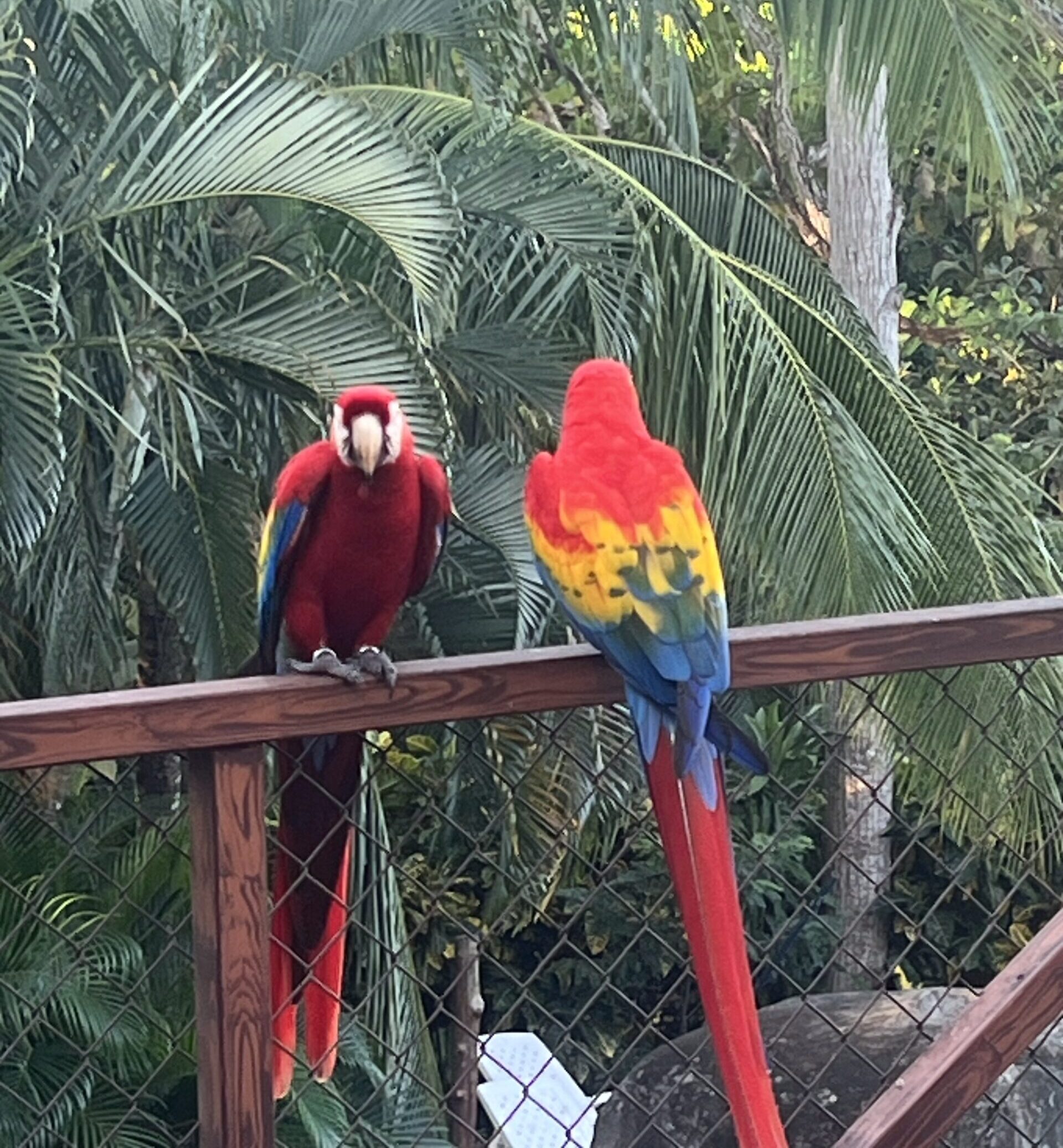
Birdwatching in Corcovado National Park, Costa Rica
Birdwatching in Corcovado National Park is one of the most rewarding wildlife…