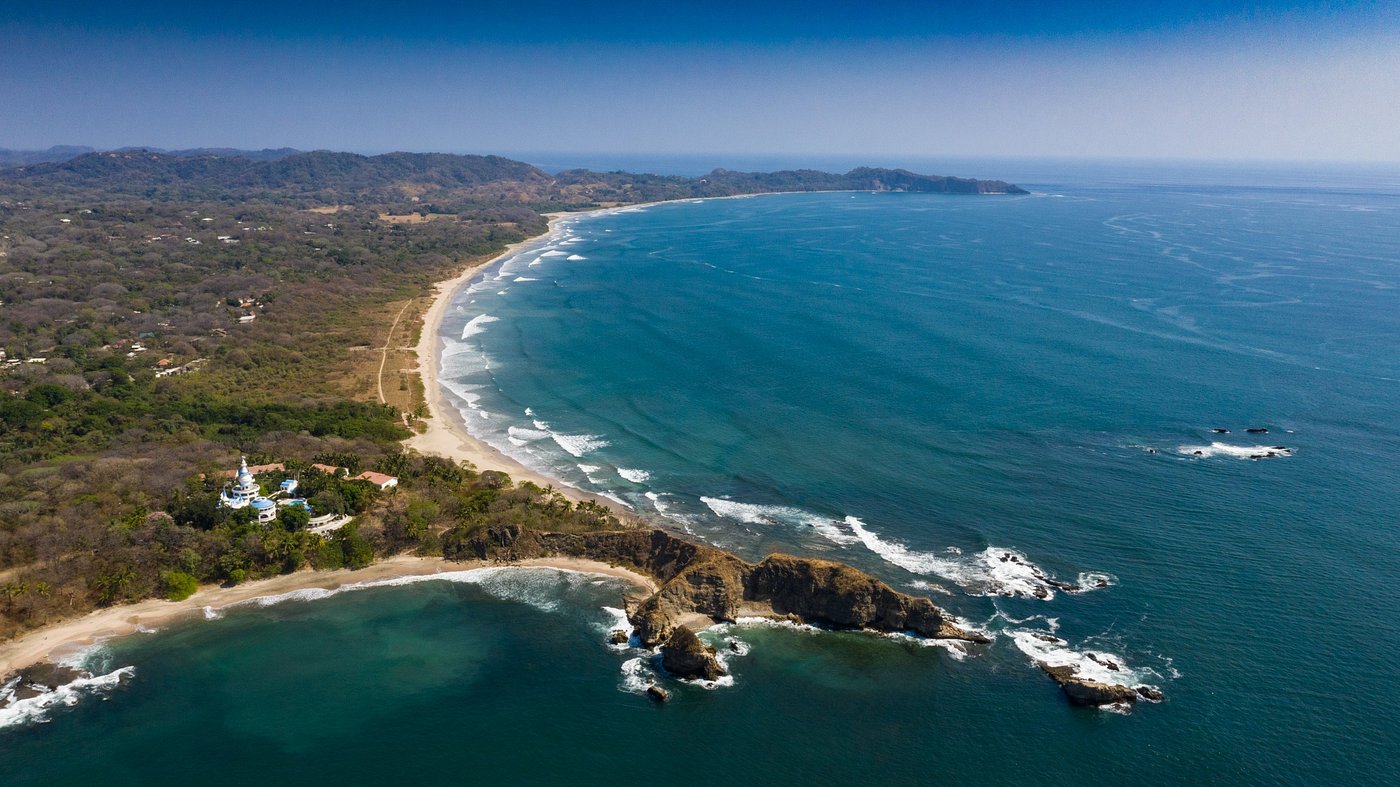
Nosara is often celebrated for its surf and wellness culture, but its wildlife is just as remarkable. Located on Costa Rica’s Nicoya Peninsula, the area is surrounded by tropical dry forest, rivers, mangroves, protected beaches, and the Pacific Ocean, creating an extraordinary variety of habitats within a relatively small region.
Unlike some destinations where wildlife is limited to national parks, nature is part of everyday life in Nosara. Howler monkeys announce the sunrise from the forest canopy, scarlet macaws fly above the beaches, iguanas bask in the sun, and sea turtles nest on nearby shores during certain months of the year.
Whether you’re a wildlife photographer, a birdwatcher, or simply someone who enjoys spending time outdoors, Nosara offers countless opportunities to experience Costa Rica’s biodiversity.
Why Nosara Is a Great Destination for Wildlife
The Nicoya Peninsula is one of Costa Rica’s most biologically diverse regions.
Around Nosara, protected forests connect with rivers, estuaries, mangroves, and long stretches of undeveloped coastline. This variety of ecosystems supports hundreds of species while allowing visitors to observe wildlife without traveling far from town.
One reason wildlife is so visible here is the area’s commitment to conservation. Beachfront development has remained limited, particularly around Playa Guiones, helping preserve important habitats for birds, reptiles, and mammals.
For many visitors, simply walking between their hotel and the beach becomes a wildlife experience.
Howler Monkeys
The most recognizable sound in Nosara often comes before sunrise.
Mantled howler monkeys live throughout the forests surrounding Playa Guiones, Playa Pelada, and neighboring communities. Their deep calls can travel several kilometers and frequently wake visitors long before daylight.
Although they sound intimidating, howler monkeys spend much of the day resting in the treetops and feeding on leaves, fruit, and flowers.
The best time to observe them is early in the morning or late in the afternoon when temperatures are cooler.
White-Faced Capuchin Monkeys
Nosara is also home to white-faced capuchin monkeys.
These intelligent and curious primates move through the forest in family groups, searching for fruit, insects, seeds, and small animals.
Unlike howler monkeys, capuchins are active throughout much of the day and are often seen crossing roads or climbing through trees near accommodations.
Visitors should always admire them from a distance and never feed them, as human food can harm their health and alter their natural behavior.
Scarlet Macaws
One of Nosara’s most colorful wildlife sightings is the scarlet macaw.
These striking parrots are easily recognized by their bright red feathers accented with yellow and blue wings.
Scarlet macaws are often seen flying in pairs above the forest canopy or feeding in almond trees.
Early morning and late afternoon provide the best opportunities for photography, especially when the birds travel between nesting and feeding areas.
Their loud calls often make them easier to locate than many other tropical birds.
Sea Turtles at Ostional Wildlife Refuge
Just north of Nosara lies one of the world’s most important sea turtle nesting sites.
Ostional National Wildlife Refuge protects the famous arribadas of olive ridley sea turtles.
During these extraordinary events, tens of thousands of turtles come ashore over several nights to lay their eggs.
The timing varies each year because nesting follows natural lunar and tidal cycles.
Visitors can only observe nesting with authorized local guides, helping protect both the turtles and the fragile beach ecosystem.
Even outside the nesting season, Ostional remains an excellent destination for wildlife enthusiasts.
Birdwatching Around Nosara
Birdwatchers will find plenty to enjoy in Nosara.
The combination of forest, wetlands, rivers, and beaches attracts a wide variety of resident and migratory species.
Some of the birds frequently seen include:
- Scarlet macaws
- Turquoise-browed motmots
- Toucans
- Hummingbirds
- Ospreys
- Herons
- Kingfishers
- White ibises
- Hawks
Early morning is the most productive time for birdwatching, when temperatures are cooler and bird activity is at its highest.
Even travelers with little birdwatching experience often return with memorable sightings.
Reptiles and Amphibians
Nosara’s warm climate supports a fascinating variety of reptiles.
Green iguanas are commonly seen resting in trees or along roadsides.
Black spiny-tailed iguanas frequently bask on rocks, while small geckos appear around lights after sunset.
During the rainy season, colorful frogs become more active, especially near ponds and forest trails.
Although snakes also live in the area, encounters are uncommon, and most species avoid human contact.
Staying on established trails and watching where you step are usually all the precautions visitors need.
Butterflies and Pollinators
The forests and gardens around Nosara are alive with butterflies throughout the year.
Blue morpho butterflies, famous for their brilliant iridescent wings, are among the region’s most recognizable insects.
Visitors also encounter countless bees, dragonflies, and native pollinators that play an important role in maintaining healthy tropical ecosystems.
Many hotels and eco-lodges cultivate native plants that naturally attract butterflies and hummingbirds.
Marine Wildlife
The Pacific waters surrounding Nosara support an impressive variety of marine life.
Depending on the season, visitors may encounter:
- Dolphins
- Sea turtles
- Rays
- Tropical fish
- Humpback whales
Whale watching is seasonal, with humpback whales migrating along Costa Rica’s Pacific coast during different times of the year.
Boat tours departing from nearby communities sometimes provide opportunities to observe marine wildlife while exploring the coastline.
Wildlife at Playa Guiones
Although Playa Guiones is famous for surfing, wildlife remains an important part of the experience.
Brown pelicans glide just above the waves searching for fish, while frigatebirds soar overhead using warm ocean air currents.
Ghost crabs emerge across the sand during the evening, and shorebirds feed along the waterline as the tide changes.
Watching wildlife here requires little effort.
Simply spending time on the beach often leads to unexpected sightings.
Wildlife in the Tropical Dry Forest
Costa Rica’s tropical dry forest differs significantly from the country’s famous rainforests.
Trees lose many of their leaves during the dry season before quickly becoming green again with the arrival of rain.
This seasonal rhythm creates unique habitats that support mammals, reptiles, insects, and birds specially adapted to these changing conditions.
Walking through the forest with a naturalist guide often reveals wildlife that casual visitors might otherwise overlook.
Responsible Wildlife Viewing
Respecting wildlife helps protect the ecosystems that make Nosara so special.
Visitors should avoid feeding animals, touching wildlife, or approaching nesting turtles too closely.
Photography is encouraged, but flash should never be used around nesting sea turtles or sensitive wildlife.
Choosing responsible local guides also supports conservation projects throughout the Nicoya Peninsula.
Simple actions from visitors help ensure future generations can enjoy the same remarkable biodiversity.
Best Time for Wildlife Watching
Wildlife can be observed throughout the year.
The dry season often makes animals easier to spot because vegetation becomes less dense.
The green season transforms the landscape with fresh foliage, increases amphibian activity, and creates ideal conditions for photography.
Sea turtle nesting follows seasonal cycles, while birdwatching remains excellent year-round.
Regardless of when you visit, sunrise consistently offers the greatest wildlife activity.
Frequently Asked Questions
Can you see monkeys in Nosara?
Yes. Mantled howler monkeys and white-faced capuchin monkeys are commonly seen throughout the area.
Are scarlet macaws common?
Yes. Scarlet macaws are among the most recognizable birds around Nosara and are frequently observed flying above the forest.
Where can I see sea turtles?
Ostional National Wildlife Refuge, just north of Nosara, is internationally famous for olive ridley sea turtle nesting.
Is Nosara good for birdwatching?
Absolutely. The area’s forests, rivers, beaches, and estuaries support hundreds of bird species throughout the year.
Do I need a guide?
Wildlife can often be seen independently, but experienced naturalist guides help visitors locate animals while explaining their behavior and ecological importance.
Final Thoughts
Nosara offers much more than surf and yoga. Its surrounding forests, protected beaches, and coastal ecosystems create one of the Nicoya Peninsula’s richest wildlife destinations.
Whether you’re watching howler monkeys greet the sunrise, photographing scarlet macaws overhead, observing olive ridley turtles at Ostional, or simply enjoying birds along Playa Guiones, wildlife becomes a natural part of every visit.
For travelers who appreciate nature as much as the beach, Nosara delivers an experience that extends well beyond the waves.