The Complete Travel Guide to Costa Rica’s Turquoise River
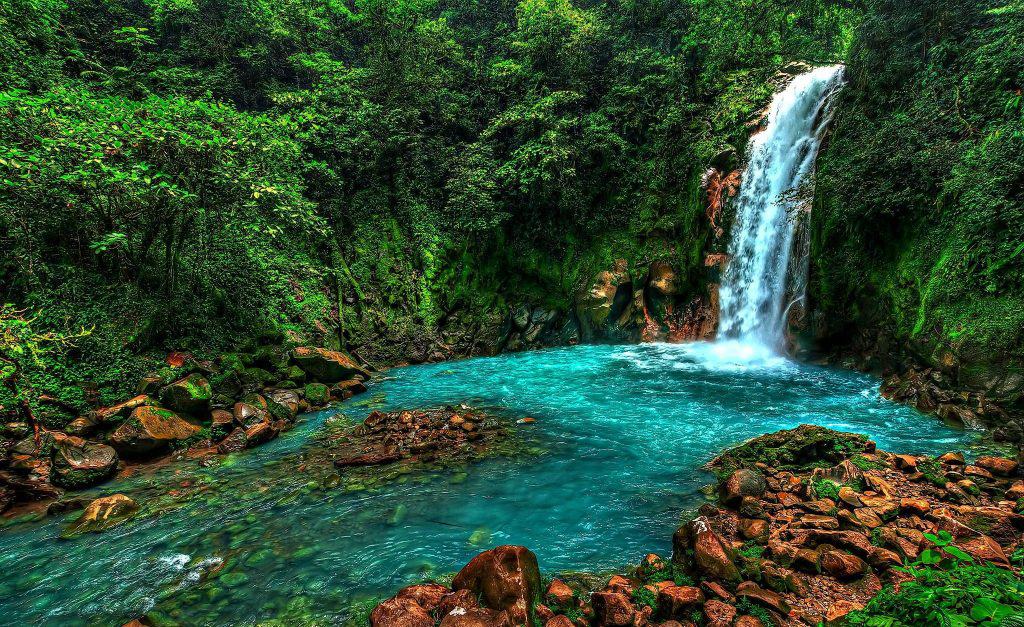
If Arenal Volcano is Costa Rica’s most iconic cone, Río Celeste may be its most surreal natural color. Hidden inside Tenorio Volcano National Park, this electric blue river winds through primary rainforest before plunging over a dramatic waterfall — a sight that feels almost edited by nature.
But Río Celeste is not a roadside attraction. It requires planning, proper timing, and realistic expectations about weather and trail conditions.
This pillar guide covers everything you need to know about visiting the Río Celeste waterfall hike in Costa Rica, including logistics, where to stay, what to expect inside the park, and how to combine it with La Fortuna or Guanacaste.
Overview: Río Celeste & Tenorio Volcano National Park
Río Celeste is located inside Tenorio Volcano National Park, in northern Costa Rica, near the small community of Bijagua.
The park protects:
- Tenorio Volcano
- Primary rainforest
- Geothermal features
- The famous turquoise river
The river’s bright blue color is a natural chemical reaction that occurs at Los Teñideros, where two clear streams merge, triggering light-scattering minerals.
For the science behind the phenomenon, see our detailed guide: Why Is Río Celeste Blue?
The Basics of Visiting Río Celeste
Park Entrance & Facilities
- Official entrance through Tenorio Volcano National Park
- Designated parking area near the ranger station
- Restrooms at the entrance
- No food vendors inside the park
Advance arrival is recommended, especially during high season.
Río Celeste Waterfall Hike Distance & Difficulty
The full out-and-back trail is approximately:
6–7 km (3.7–4.3 miles) round trip
Expect:
- Moderate difficulty
- Steep stair descent to the waterfall
- Muddy sections during the rainy season
- Well-marked trail system
Key stops include:
- Río Celeste Waterfall
- Blue Lagoon (Laguna Azul)
- Los Teñideros (color-changing confluence)
- Borbollones (river bubbling from volcanic gases)
This is not a casual stroll — proper footwear is essential.
For a deeper breakdown, see our full Tenorio Volcano National Park Guide.
How to Get to Río Celeste
International Flights
Most travelers arrive via:
- Liberia International Airport (LIR) – Closest (approx. 1.5 hours by car)
- San José International Airport (SJO) – About 3.5–4 hours by car
Liberia is generally more convenient for travelers who want to combine Guanacaste beaches and Río Celeste.
Driving from La Fortuna
Río Celeste is approximately:
1–1.5 hours from La Fortuna
Roads are mostly paved, though final access roads may have potholes. A rental car is strongly recommended.
For detailed directions and transport options, see:
How to Get to Río Celeste from La Fortuna
Where to Stay Near Río Celeste
The area around Bijagua offers peaceful, rural accommodations focused on nature immersion.
Eco-Lodges & Jungle Retreats
- Celeste Mountain Lodge
- Hideaway Río Celeste
- Tenorio Lodge
These properties offer:
- Forest surroundings
- Birdwatching opportunities
- Volcano views on clear days.
- Quiet, off-grid atmosphere
Ideal for independent travelers and wellness-focused stays.
Rural Cabins & Boutique Stays
Small family-run cabins and guesthouses offer:
- Affordable rates
- Local hospitality
- Simple comfort
Perfect for one-night stays when combining with La Fortuna.
Where to Eat Near Río Celeste
Dining options are limited but authentic.
Look for:
- Small roadside sodas serving casados
- Family-run countryside restaurants
- Simple cafés in Bijagua
There are no restaurants inside Tenorio Volcano National Park, so eat before or after your hike.
What to Do at Río Celeste
The main attraction is the Río Celeste waterfall hike, but the experience extends beyond the waterfall itself.
Río Celeste Waterfall
The iconic 30-meter cascade drops into a vivid blue pool.
Swimming is not permitted.
Expect a steep staircase descent to reach the base viewpoint.
Los Teñideros
This is where two clear rivers merge and instantly turn bright turquoise.
It is the most scientifically fascinating part of the park.
Laguna Azul
A calm stretch of intensely colored water upstream from the waterfall.
Borbollones
Visible bubbling in the river caused by underground volcanic gases.
Can You Swim in Río Celeste?
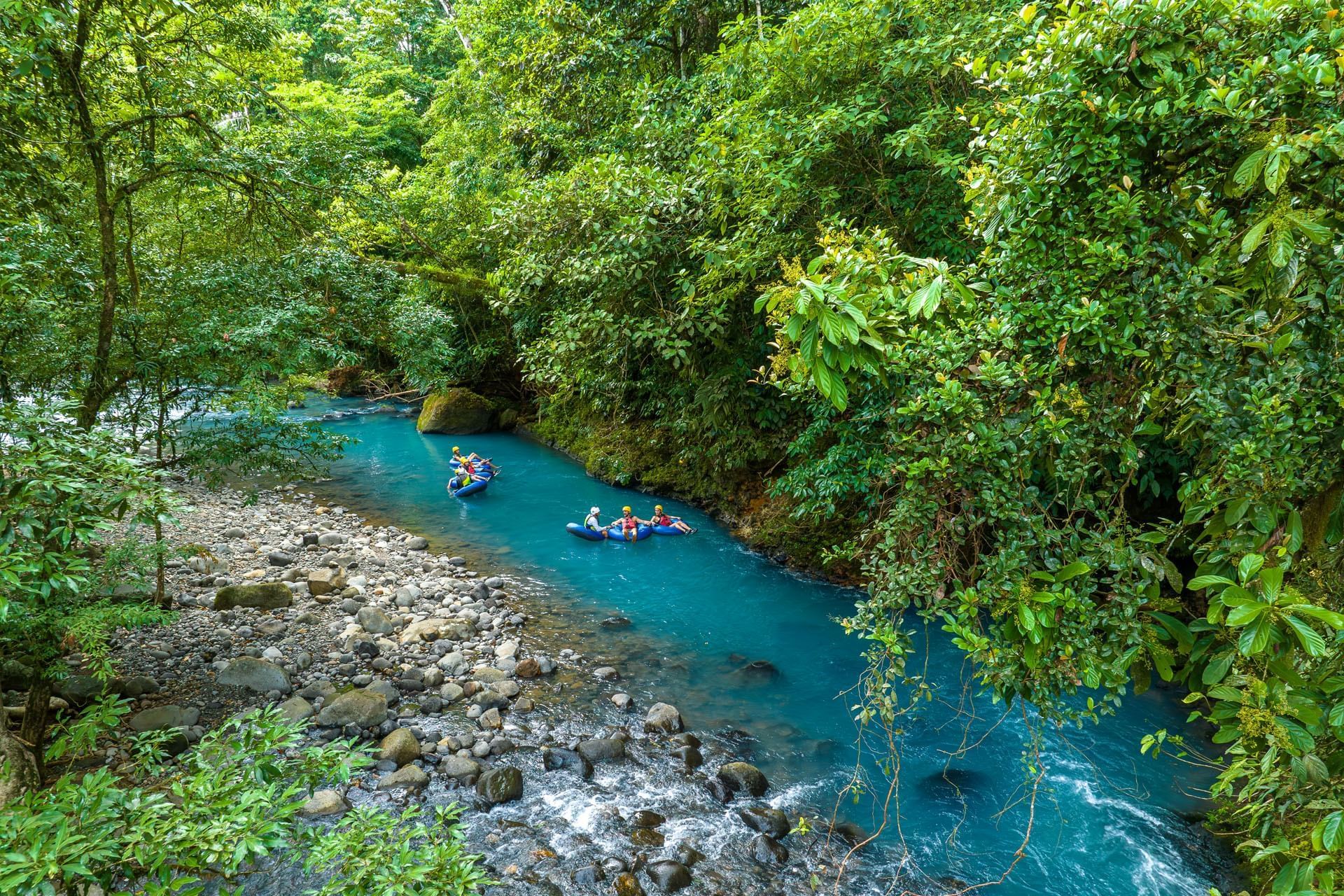
No — swimming is prohibited inside Tenorio Volcano National Park.
For more details, see our full article:
Can You Swim in Río Celeste?
How to Combine Río Celeste with La Fortuna or Guanacaste
Río Celeste works well as:
From La Fortuna:
- A day trip (early departure recommended)
- An overnight stay in Bijagua
From Guanacaste Beaches:
- A stop en route to La Fortuna
- A 1-night inland nature break
If comparing waterfall experiences, see:
Río Celeste vs La Fortuna Waterfall
Best Time to Visit Río Celeste
The river’s color depends heavily on the weather.
Dry Season (December–April)
- Brighter blue color
- Less muddy trails
- More predictable hiking conditions
- Higher visitor numbers
Best for first-time visitors, prioritizing color intensity.
Green Season (May–November)
- Lush rainforest
- Fewer crowds
- Increased rainfall
Important: Heavy rain can temporarily turn the river brown.
September and October typically see the heaviest rainfall, and color clarity can fluctuate.
For timing strategies, see:
Best Time to Visit Río Celeste
Pace & Experience of Visiting Río Celeste
Río Celeste is quieter and less developed than La Fortuna.
Expect:
- Fewer luxury amenities
- More rural atmosphere
- Slower pace
- Stronger sense of immersion
Most visitors spend:
- 3–4 hours hiking
- 1 night nearby (optional)
It pairs well with a slower travel mindset.
Things to Be Cautious Of
Muddy Trails
After rainfall, sections can become slippery. Wear sturdy hiking shoes with grip.
Weather Shifts
Rain can begin suddenly. Bring:
- Lightweight rain jacket
- Water-resistant backpack cover
Steep Staircases
The descent to the waterfall involves significant stairs.
Not ideal for travelers with serious knee issues.
No Swimming
Respect park regulations. Entering the water can result in fines.
Is Río Celeste Worth Visiting?
If you are drawn to:
- Unique geological phenomena
- Rainforest hiking
- Photography
- Less crowded natural parks
Then yes — especially when paired with La Fortuna.
For a full evaluation, see:
Is Río Celeste Worth Visiting?
Why Río Celeste Deserves Its Own Place on Your Itinerary
Río Celeste is not just a blue river. It is a rare convergence of volcanic chemistry, rainforest ecosystem, and protected landscape.
Where Arenal Volcano offers grandeur and hot springs, Río Celeste offers intimacy and wonder.
Arrive early. Check the weather. Lace up proper shoes.
And when the trail opens to reveal that surreal turquoise cascade, you’ll understand why Tenorio Volcano National Park has become one of Costa Rica’s most photographed — and most debated — natural treasures.
Related Posts
How to Get to Río Celeste from La Fortuna or Guanacaste
A Practical Transportation Guide to Tenorio Volcano National Park Tucked…
Can You Swim in Río Celeste?
What Travelers Should Know Before Visiting Tenorio Volcano National Park…
Río Celeste vs La Fortuna Waterfall: Which Should You Visit?
If you’re planning time in northern Costa Rica, you’ll likely…