Hiking in Corcovado National Park is one of the most unforgettable adventures in Costa Rica. Located on the remote Osa Peninsula, the park protects one of the largest remaining areas of Pacific lowland rainforest in Central America. As a result, hikers have the opportunity to explore landscapes that feel truly wild and untouched.
Unlike many national parks that focus on scenic viewpoints or short nature walks, Corcovado delivers a genuine wilderness experience. Here, trails wind through dense rainforest, cross rivers, follow remote beaches, and pass through habitats filled with wildlife. Consequently, every hike feels like an expedition rather than a simple day outdoors.
Whether you’re planning a guided day trip or a multi-day trek, Corcovado offers some of the most rewarding hiking opportunities in Costa Rica.
Why Hike in Corcovado National Park?
Corcovado attracts visitors from around the world because of its incredible biodiversity. However, wildlife is only part of the experience. The park also protects a remarkable variety of ecosystems, including primary rainforest, mangroves, lagoons, rivers, and coastal forests.
Because so many habitats exist within a relatively small area, hikers constantly experience changing scenery. One moment you may be walking beneath towering rainforest trees, while the next you are crossing a river or following a deserted beach. As a result, the landscape never feels repetitive.
Moreover, Corcovado remains far less developed than many other destinations in Costa Rica. Therefore, visitors often enjoy a stronger sense of solitude and connection with nature.
The Best Areas for Hiking
The Sirena Sector is the most popular hiking area in Corcovado, and for good reason. Not only does it offer an extensive trail network, but it also provides some of the best wildlife viewing opportunities in the country. Furthermore, many of the park’s most accessible trails begin near Sirena Ranger Station.
As hikers move through the area, they frequently encounter monkeys, coatis, toucans, and Scarlet Macaws. Meanwhile, the open clearings around the station often attract larger animals such as tapirs. Because of this combination of accessibility and wildlife, Sirena is often the first choice for visitors exploring Corcovado for the first time.
San Pedrillo offers a different experience. Located closer to Drake Bay, this sector combines rainforest hiking with spectacular coastal scenery. Consequently, it has become a popular destination for day trips. While wildlife sightings remain common, many visitors appreciate the opportunity to enjoy both jungle trails and ocean views during the same excursion.
Further south, La Leona provides access to some of Corcovado’s most iconic trekking routes. The area features remote beaches, river crossings, and rainforest sections that showcase the rugged character of the Osa Peninsula. Therefore, hikers looking for a more adventurous experience often choose this entrance.
Meanwhile, Los Patos remains one of the park’s least visited sectors. Because fewer travelers enter through this route, the trails often feel even more remote. As a result, experienced hikers frequently consider Los Patos one of the best ways to experience Corcovado’s wilderness.
Popular Hiking Routes
Many visitors begin with a Sirena day hike. This option allows travelers to experience the park’s biodiversity without committing to a multi-day trek. In addition, most tours include transportation, a certified guide, and plenty of opportunities to observe wildlife.
For those seeking a greater challenge, the La Leona to Sirena trek remains one of Costa Rica’s classic hiking adventures. Along the way, hikers follow remote beaches and rainforest trails while enjoying some of the park’s most beautiful scenery. Because the route covers a considerable distance, most visitors complete it as part of a guided overnight trip.
Experienced hikers often favor the Los Patos-to-Sirena route. Not only does this trek pass through dense primary rainforest, but it also receives fewer visitors. Consequently, the experience feels more immersive and adventurous from start to finish.
Wildlife Along the Trails
Wildlife is one of the main reasons people visit Corcovado. In fact, many travelers consider the park the best wildlife destination in Costa Rica.
As hikers move through the rainforest, they regularly encounter White-faced Capuchin Monkeys, Spider Monkeys, and Howler Monkeys. Meanwhile, colorful birds such as Scarlet Macaws and toucans often appear overhead. Furthermore, patient visitors occasionally spot sloths resting in the canopy or tapirs moving through the forest.
Because the park protects such a large area of intact habitat, wildlife sightings occur throughout the year. Consequently, every hike offers the possibility of unexpected encounters.
For more information, see our Corcovado National Park Wildlife Guide.
How Difficult Is Hiking in Corcovado?
Corcovado challenges hikers in ways that differ from those of other mountain destinations. Although the park does not feature extreme elevation gain, the environment itself can be demanding.
For example, high humidity, muddy trails, river crossings, and tropical heat often require extra effort. Moreover, distances between stations can be significant, especially on multi-day routes.
Nevertheless, travelers with a reasonable fitness level can enjoy many of the park’s hiking options. However, preparation remains essential, particularly during the rainy season.
Guided vs Self-Guided Hiking in Corcovado
Most visitors explore Corcovado with certified guides. Not only do guides improve safety, but they also help visitors spot wildlife that might otherwise go unnoticed.
Furthermore, guides share valuable information about the park’s ecosystems, conservation efforts, and natural history. As a result, many travelers find that guided hikes provide a much richer experience than hiking alone.
In some areas, park regulations require visitors to enter with a guide. Therefore, checking current requirements before planning your trip is always recommended.
Learn more in our Guided vs Self-Guided Hiking in Costa Rica guide.
Best Time to Visit Corcovado
Hiking is possible throughout the year. However, conditions vary considerably between seasons.
During the dry season, trails are generally easier to navigate, and river crossings become more manageable. Consequently, many travelers choose to visit between December and April.
On the other hand, the green season transforms the rainforest into an even more vibrant environment. Waterfalls become more dramatic, vegetation becomes greener, and wildlife remains active. Nevertheless, heavy rainfall can make some trails more challenging.
Therefore, the best time to visit depends largely on your hiking goals and comfort level.
For more advice, see our Best Time of Year for Hiking in Costa Rica guide.
What to Pack for Corcovado
Packing appropriately can significantly improve your experience. Because conditions are hot, humid, and often wet, lightweight clothing works best.
In addition, hikers should bring sturdy footwear, rain protection, insect repellent, and plenty of water. A dry bag is also useful because sudden rain showers can occur at any time.
Most importantly, choose clothing that dries quickly. Since humidity remains high throughout the year, quick-drying fabrics are often far more comfortable than cotton.
For a complete packing checklist, visit our What to Pack for Hiking in Costa Rica guide.
Where to Stay Near Corcovado
Most visitors choose either Drake Bay or Puerto Jiménez as their base.
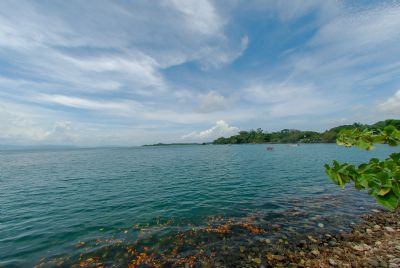
Drake Bay provides easy access to Sirena and San Pedrillo. Furthermore, the area offers eco-lodges, guided tours, and boat transportation into the park.
Meanwhile, Puerto Jiménez serves as the gateway to the southern portion of Corcovado. Consequently, it is often the preferred choice for travelers planning hikes from La Leona or exploring other parts of the Osa Peninsula.
Final Thoughts
Hiking in Corcovado National Park offers one of the most authentic wilderness experiences in Costa Rica. Not only does the park protect extraordinary biodiversity, but it also provides access to some of the country’s most remote and beautiful landscapes.
Whether you choose a guided day hike from Drake Bay or a challenging multi-day trek across the Osa Peninsula, Corcovado delivers an adventure unlike any other destination in Costa Rica.
Related Posts
Corcovado National Park vs Manuel Antonio: Which Costa Rica National Park Should You Visit?
Choosing between Corcovado National Park vs Manuel Antonio is less about deciding…
Best Time of Year for Hiking in Costa Rica
Choosing the best time of year for hiking in Costa Rica depends…
Advanced Hiking Routes in Costa Rica
Advanced hiking routes in Costa Rica offer some of the most…