Five days in Montezuma is enough time to understand why this small beach town has attracted artists, surfers, yogis, and nature lovers for decades.
Unlike some destinations on Costa Rica’s Pacific coast, Montezuma isn’t about filling every hour with activities. The town rewards travelers who leave space in their schedule—time to linger beneath a waterfall, watch waves roll into a nearly empty beach, or spend an afternoon at a café without feeling like they’re missing something.
The waterfalls, rainforest, and coastline provide plenty to explore, but the slower pace is just as much a part of the experience.
If you’re planning your first visit, this five-day itinerary combines Montezuma’s best natural attractions with enough flexibility to enjoy the atmosphere that makes the town so memorable.
Before You Arrive
Where you stay will shape your experience almost as much as the activities themselves.
If you enjoy walking everywhere, choose a hotel or cabina near the center of town. Restaurants, cafés, the beach, and the waterfall trailhead are all within easy reach, making it possible to spend several days without driving.
Travelers looking for more privacy often choose hillside boutique hotels or eco-lodges tucked into the surrounding forest. These properties offer ocean views, cooler evenings, and frequent wildlife sightings, although reaching them may involve steep gravel roads.
Neither option is better. It simply depends on whether you want convenience or immersion.
Day 1: Arrive and Settle Into Montezuma
After the journey to the Nicoya Peninsula, resist the temptation to plan too much.
Instead, check into your hotel, unpack, and head toward the beach.
One of the first things you’ll notice is how natural the coastline feels. There are no rows of high-rise hotels or perfectly groomed beaches. Palm trees lean toward the ocean, waves crash against volcanic rocks, and small sandy coves appear between stretches of jungle.
Spend the afternoon simply exploring town.
Browse a few artisan shops, stop for a Costa Rican coffee, and get your bearings before finding a restaurant for dinner. Montezuma’s dining scene is relaxed and eclectic, with everything from fresh seafood to vegetarian cafés reflecting the town’s international community.
If live music happens to be playing somewhere, stay awhile.
Your first evening should feel unhurried.
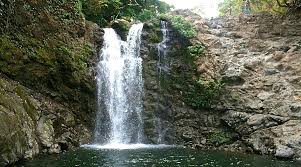
Day 2: Explore the Montezuma Waterfalls
Wake early while the air is still cool and make your way to Montezuma’s most famous attraction.
The trail follows the river through dense forest before reaching the waterfalls that have become synonymous with the town itself.
The lower waterfall is the easiest to access and attracts the largest number of visitors. Adventurous hikers can continue toward the upper pools, where the trail becomes steeper, but the atmosphere grows noticeably quieter.
Bring swimwear and allow more time than you think you’ll need.
Many visitors arrive expecting a quick stop and end up spending hours swimming, relaxing on the rocks, and listening to the sound of the river beneath the rainforest canopy.
During the green season, the waterfalls become especially dramatic, although trails can also be muddy and slippery.
After returning to town, enjoy a long lunch before slowing the pace for the afternoon. Montezuma naturally encourages quieter evenings after active mornings.
Day 3: Discover Cabo Blanco
Costa Rica’s first protected nature reserve deserves a full day.
Cabo Blanco Absolute Nature Reserve protects one of the last remaining stretches of mature forest on the southern Nicoya Peninsula, and hiking here feels very different from walking the waterfall trail.
The forest is denser, wildlife becomes the focus, and every bend in the trail seems to reveal another perspective of the coastline.
Keep your eyes in the trees as much as on the path.
White-faced capuchins, howler monkeys, coatis, and colorful birds are all possible sightings, particularly during the cooler morning hours.
The reserve’s coastal viewpoints provide a reminder of just how wild this corner of the peninsula still feels.
After returning to Montezuma, spend the evening watching the sunset from the beach before enjoying dinner in town.
Day 4: Experience Montezuma’s Slower Side
After two active days, this is the perfect opportunity to embrace the rhythm that defines Montezuma.
Begin the morning with a yoga class overlooking the forest or the ocean. The town has been associated with wellness long before yoga retreats became common across Costa Rica, and the relaxed atmosphere makes it easy to understand why.
Later, choose an activity that matches both the weather and your mood.
On calm days, boat trips and snorkeling excursions explore the coastline while providing opportunities to spot dolphins, sea turtles, and tropical fish. If ocean conditions aren’t ideal, consider driving north toward Santa Teresa or Mal País for lunch and a different perspective on the Nicoya Peninsula.
Rather than rushing through several destinations, spend time enjoying whichever experience you choose.
The slower pace is part of what makes Montezuma different.
Day 5: Enjoy One Last Morning
Your final day should be left intentionally open.
Wake early and walk the beach before breakfast while the town is still quiet.
Depending on the tide, explore the rocky pools that appear along sections of the coastline or sit beneath the palms and enjoy one last view of the Pacific.
If you still have time before leaving, browse a few local galleries or shops for handmade artwork and crafts that reflect Montezuma’s creative community.
When it’s time to depart, remember that travel on the Nicoya Peninsula often takes longer than expected.
If you’re returning via the Puntarenas ferry, confirm departure times ahead of time and allow plenty of flexibility for the drive.
The Best Time for This Itinerary
This itinerary works year-round, but each season offers a different experience.
From December through April, sunny weather makes hiking easier and boat excursions more predictable. The town is livelier, accommodations book quickly, and trails are generally dry.
From May through October, Montezuma becomes dramatically greener. The waterfalls flow with much greater force, the surrounding forest feels more alive, and visitor numbers decrease.
Rain usually arrives during the afternoon, making early starts the best strategy for outdoor activities.
If seeing the waterfalls at their most spectacular is your priority, many travelers actually prefer the green season despite the occasional muddy trail.
Is Five Days Enough?
Five days offers an excellent introduction to Montezuma.
You’ll have enough time to hike to the waterfalls, explore Cabo Blanco, enjoy the beaches, experience the town’s wellness culture, and still leave space for quiet moments that aren’t planned on an itinerary.
Could you stay longer?
Absolutely.
Many visitors arrive expecting to spend only a few days before extending their stay. Montezuma has a way of slowing people down, and that’s precisely why so many travelers return.
Final Thoughts
A 5-day Montezuma itinerary isn’t about seeing as many attractions as possible.
It’s about giving yourself enough time to appreciate a destination that has never tried to become Costa Rica’s next major resort town.
You’ll hike through rainforest to waterfalls, watch monkeys move through the trees, explore one of the country’s oldest protected areas, and end your days with simple sunsets over the Pacific.
More importantly, you’ll experience a pace of travel that has become increasingly difficult to find.
If your ideal vacation combines nature, authenticity, and a little room for spontaneity, five days in Montezuma feels just about right.
Related Posts
Montezuma Waterfall: Costa Rica’s Most Famous Jungle Escape
Some places become famous because they are spectacular. Others become…
Cabo Blanco Nature Reserve: Exploring Costa Rica’s First Protected Wilderness
Long before Costa Rica became known around the world for…
Montezuma vs Santa Teresa: Which Nicoya Peninsula Beach Town Is Right for You?
At first glance, Montezuma and Santa Teresa don't seem all…