Costa Rica is internationally recognized as one of the world’s leading ecotourism destinations. While its rainforests, volcanoes, and national parks often receive most of the attention, the country’s marine ecosystems are equally extraordinary. Stretching along both the Pacific Ocean and the Caribbean Sea, Costa Rica protects coral reefs, mangroves, seagrass beds, offshore islands, coastal wetlands, and some of the most important breeding grounds for marine wildlife in the Eastern Tropical Pacific.
These waters support humpback whales, dolphins, sea turtles, sharks, rays, reef fish, seabirds, and countless other species that depend on healthy marine habitats.
Protecting this biodiversity has become a national priority. Through marine protected areas, scientific research, community involvement, sustainable tourism, and international cooperation, Costa Rica has become a global example of marine conservation.
For travelers, understanding these efforts adds a deeper appreciation to every whale-watching tour, snorkeling trip, or visit to a protected coastline.
Why Marine Conservation Matters
Healthy oceans are essential for both wildlife and people.
Marine ecosystems regulate climate, store carbon, support fisheries, protect coastlines from erosion, and provide livelihoods for thousands of coastal communities.
They also sustain Costa Rica’s tourism industry.
Every year, visitors travel from around the world hoping to see humpback whales, dolphins, nesting sea turtles, colorful coral reefs, and tropical fish.
Without healthy marine ecosystems, these experiences would disappear.
Protecting the ocean therefore benefits biodiversity, local economies, and future generations alike.
Costa Rica’s Extraordinary Marine Biodiversity
Costa Rica occupies less than 0.03% of Earth’s surface, yet it contains an astonishing share of global biodiversity.
Its marine environments are just as impressive.
The country’s waters support:
- Humpback whales.
- More than a dozen dolphin species.
- Five of the world’s seven sea turtle species.
- Whale sharks.
- Manta rays.
- Reef sharks.
- Hundreds of reef fish.
- Countless invertebrates and marine plants.
This remarkable diversity exists because Costa Rica lies where major ocean currents meet, creating highly productive marine ecosystems.
Marine Protected Areas
One of Costa Rica’s greatest conservation achievements has been the creation of an extensive network of marine protected areas.
These sites protect critical breeding, feeding, and migration habitats while supporting scientific research and sustainable tourism.
Some of the country’s most important protected marine areas include:
Marino Ballena National Park
Located near Uvita, Marino Ballena National Park protects humpback whale breeding habitat, coral reefs, rocky reefs, mangroves, and coastal ecosystems.
It is internationally recognized as Costa Rica’s premier whale-watching destination.
Caño Island Biological Reserve
Just offshore from the Osa Peninsula, Caño Island protects one of Costa Rica’s healthiest coral reef systems.
The reserve supports reef fish, sea turtles, rays, reef sharks, dolphins, and seasonal humpback whales.
Strict visitor regulations help preserve this fragile marine environment.
Cocos Island National Park
Far offshore in the Pacific Ocean lies Cocos Island National Park, one of the world’s most famous marine protected areas.
Recognized as a UNESCO World Heritage Site, its waters attract enormous schools of hammerhead sharks, whale sharks, manta rays, dolphins, and many pelagic species.
Although few visitors reach the island because of its remote location, its ecological importance is enormous.
Las Baulas National Marine Park
This protected area safeguards one of the Eastern Pacific’s most important nesting beaches for leatherback sea turtles.
It also protects mangroves, estuaries, and coastal ecosystems that support numerous marine species.
Tortuguero National Park
While famous for green sea turtles, Tortuguero also protects Caribbean beaches, canals, wetlands, and rainforest that support exceptional biodiversity both on land and at sea.
Protecting Sea Turtles
Costa Rica has become one of the world’s leaders in sea turtle conservation.
Five different sea turtle species use the country’s beaches during different times of the year.
Conservation efforts include:
- Protecting nesting beaches.
- Scientific monitoring.
- Community education.
- Habitat restoration.
- Night patrols during nesting season.
- Regulation of tourism activities.
These programs have helped improve nesting success while creating sustainable economic opportunities for coastal communities.
Conserving Marine Mammals
Humpback whales and dolphins receive legal protection throughout Costa Rican waters.
Wildlife viewing regulations help reduce stress on marine mammals by limiting boat speeds, establishing minimum viewing distances, and preventing harassment.
Research programs also monitor migration patterns, population trends, and habitat use.
These studies provide valuable information that supports future conservation decisions.
Coral Reef Protection
Coral reefs occupy only a small portion of the ocean but support an extraordinary percentage of marine biodiversity.
Costa Rica protects important reef systems through marine reserves, fishing regulations, and responsible tourism guidelines.
Visitors play an important role by:
- Avoiding contact with coral.
- Using reef-safe sunscreen whenever possible.
- Never collecting shells or coral.
- Maintaining good buoyancy while snorkeling or diving.
Healthy reefs support thousands of marine species.
Sustainable Fisheries
Marine conservation also depends on responsible fishing practices.
Costa Rica has introduced regulations designed to reduce overfishing while protecting vulnerable species.
These measures include:
- Fishing restrictions in protected areas.
- Seasonal closures.
- Monitoring commercial fisheries.
- Promoting sustainable fishing methods.
Healthy fish populations benefit both marine ecosystems and coastal communities.
Community-Based Conservation
Many of Costa Rica’s greatest conservation successes involve local communities.
Residents, tour operators, researchers, schools, and nonprofit organizations work together to protect beaches, mangroves, and marine wildlife.
Ecotourism provides an economic incentive to conserve these natural resources.
When wildlife generates income through tourism rather than exploitation, conservation becomes a practical long-term strategy.
Challenges Facing Costa Rica’s Oceans
Despite significant progress, important challenges remain.
Marine ecosystems continue facing pressure from:
- Climate change.
- Plastic pollution.
- Illegal fishing.
- Coastal development.
- Ocean warming.
- Coral bleaching.
- Habitat loss.
Addressing these issues requires cooperation between governments, scientists, local communities, businesses, and visitors.
How Travelers Can Help
Every visitor can contribute to marine conservation.
Simple actions include:
- Choosing licensed wildlife tour operators.
- Respecting protected areas.
- Reducing single-use plastics.
- Following wildlife viewing regulations.
- Never feeding marine animals.
- Supporting local conservation organizations.
- Learning about the ecosystems you visit.
Responsible tourism helps ensure conservation remains economically valuable for local communities.
The Future of Marine Conservation
Costa Rica continues expanding its commitment to ocean protection.
Recent initiatives have increased the size of marine protected areas while strengthening international cooperation throughout the Eastern Tropical Pacific.
Scientists, conservation organizations, and government agencies continue researching marine species and developing new strategies for protecting biodiversity in a changing climate.
Although challenges remain, Costa Rica has demonstrated that conservation and sustainable tourism can successfully work together.
Frequently Asked Questions
Why is Costa Rica important for marine conservation?
Costa Rica protects some of the most biologically diverse marine ecosystems in the Eastern Tropical Pacific and serves as a migration route and breeding area for numerous marine species.
Which marine animals are protected?
Whales, dolphins, sea turtles, sharks, rays, coral reefs, and countless fish species benefit from Costa Rica’s marine conservation programs.
Can tourists help conservation?
Yes. Choosing responsible tour operators, respecting wildlife regulations, reducing waste, and supporting protected areas all contribute to conservation.
What is Costa Rica’s most famous marine protected area?
Marino Ballena National Park is the best known for whale watching, while Cocos Island National Park is internationally famous for its extraordinary marine biodiversity.
Why are marine protected areas important?
They protect breeding grounds, migration routes, feeding areas, coral reefs, and habitats that support healthy marine ecosystems.
Final Thoughts
Costa Rica’s oceans are among the country’s greatest natural treasures.
From humpback whales migrating along the Pacific coast to sea turtles nesting on protected beaches and coral reefs teeming with life, these ecosystems support an extraordinary diversity found in very few places on Earth.
The country’s long-standing commitment to conservation has shown that protecting nature and supporting sustainable tourism can go hand in hand.
Every visitor who chooses responsible wildlife experiences, respects protected areas, and supports local conservation efforts becomes part of that success story.
Marine conservation in Costa Rica is not simply about protecting wildlife.
It is about preserving healthy oceans that sustain biodiversity, coastal communities, and unforgettable experiences for generations to come.
Related Posts
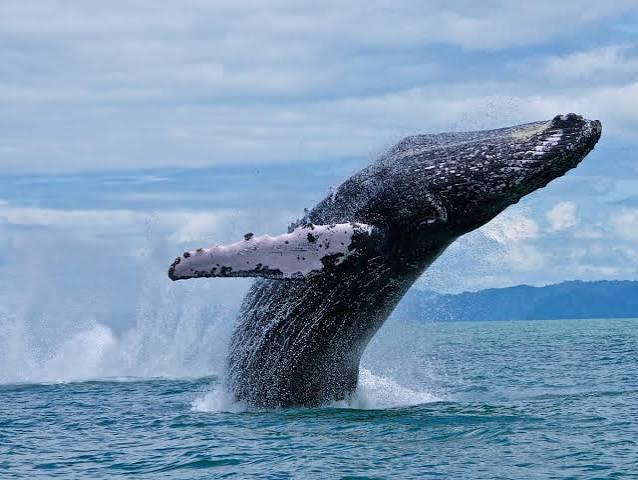
Whale Watching in Uvita: Costa Rica’s Best Place to See Humpback Whales
If there is one destination that defines whale watching in…
Dolphin Species Found in Costa Rica: A Guide to the Country’s Most Fascinating Marine Mammals
Costa Rica is famous for its rainforests, volcanoes, and incredible…
Leatherback Turtle Conservation: Protecting the World’s Largest Sea Turtle in Costa Rica
Leatherback sea turtles have crossed the world’s oceans for more…