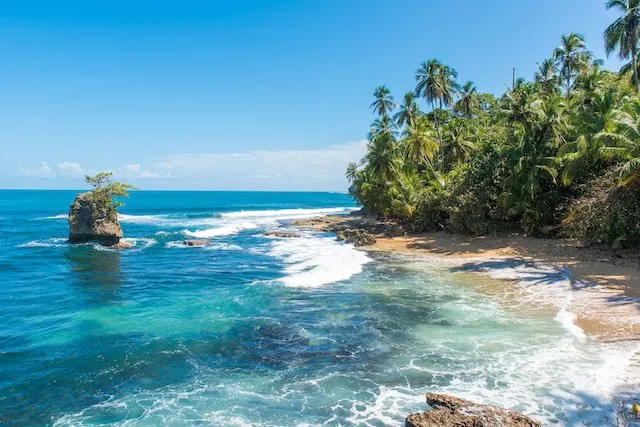
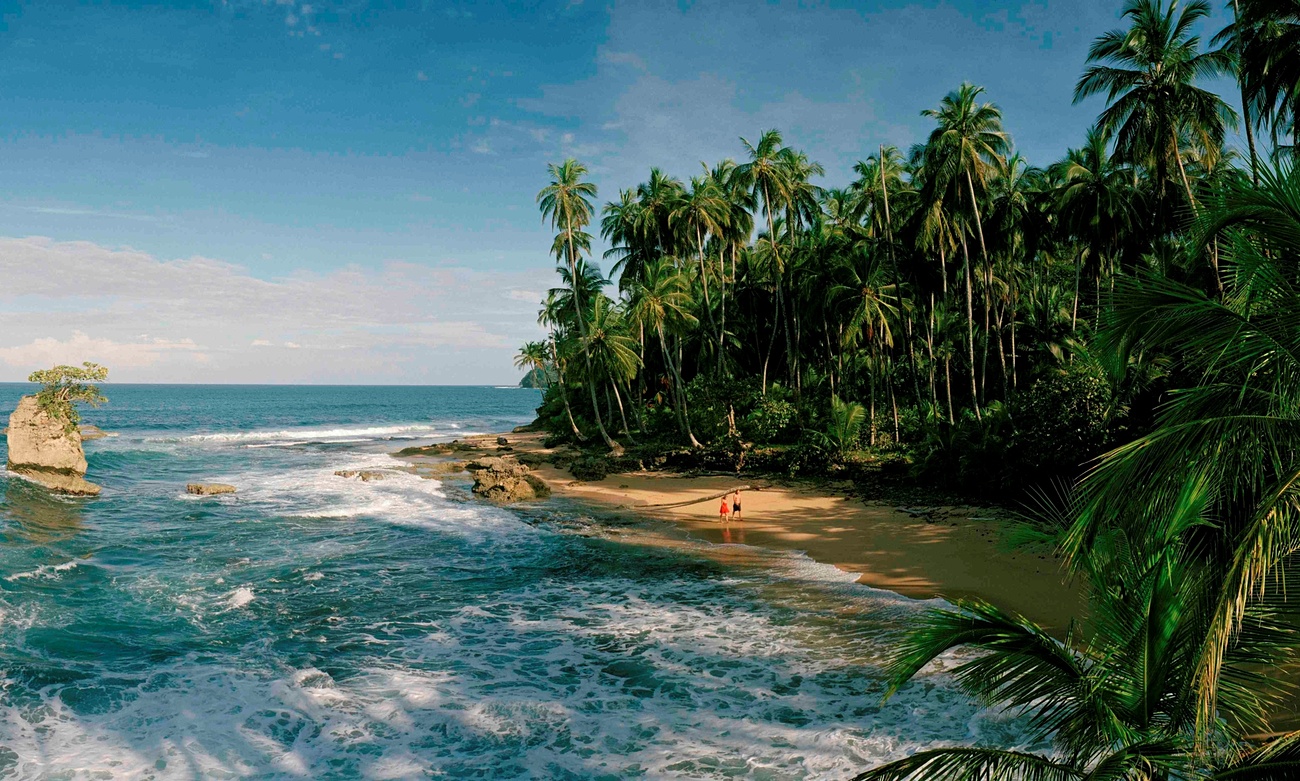
Gandoca Manzanillo Wildlife Refuge protects one of the most untouched stretches of coastline in Costa Rica. Here, rainforest spills onto golden-sand beaches, coral reefs sit just offshore, and wildlife often appears without warning. Unlike the country’s more visited national parks, this corner of the southern Caribbean remains remarkably quiet, offering travelers a chance to experience nature with very little separating them from the environment.
Located near the village of Manzanillo, close to the Panama border, the refuge feels worlds away from Costa Rica’s busier destinations. There are no large visitor centers, crowded boardwalks, or resort developments dominating the landscape. Instead, you’ll find jungle trails, remote beaches, mangrove ecosystems, and some of the richest biodiversity on the Caribbean coast.
For travelers who value wildlife, conservation, and authentic experiences over convenience and nightlife, Gandoca-Manzanillo is one of the country’s most rewarding destinations.
Overview of Gandoca-Manzanillo and Costa Rica’s Southern Caribbean Coast
The refuge lies just south of Manzanillo, approximately 12 kilometers from Puerto Viejo de Talamanca. While many visitors are familiar with Costa Rica’s Pacific coast, the southern Caribbean offers a completely different atmosphere. Afro-Caribbean culture, lush tropical vegetation, and calmer tourism development create a distinctive character that feels unlike anywhere else in the country.
Gandoca-Manzanillo protects an extraordinary range of ecosystems, including rainforest, mangroves, wetlands, beaches, seagrass beds, and marine habitats. Consequently, it supports an impressive variety of wildlife both on land and offshore.
Compared with destinations such as Manuel Antonio National Park or Cahuita National Park, visitor numbers remain relatively low. As a result, exploring the refuge often feels more personal and immersive.
What to Expect When Visiting Gandoca-Manzanillo
Unlike many national parks in Costa Rica, Gandoca-Manzanillo feels intentionally undeveloped. Visitors should arrive expecting a genuine nature experience rather than a highly managed attraction.
Trail conditions vary throughout the refuge. Some sections follow the coastline and are relatively easy to navigate, while others pass through dense rainforest where humidity, roots, and uneven terrain are part of the experience. Therefore, comfortable footwear, water, insect repellent, and reef-safe sunscreen are essential.
One of the most rewarding aspects of visiting is the unpredictability. Wildlife sightings rarely feel staged. Instead, monkeys appear unexpectedly in the canopy, sloths blend into tree branches, and tropical birds move through the forest with little warning.
Because infrastructure inside the refuge is limited, visitors should plan ahead and bring everything they need for the day.
Where to Stay Near Gandoca-Manzanillo Wildlife Refuge
For the best access to the refuge, staying in Manzanillo is highly recommended.
Travelers hoping to maximize wildlife encounters often choose jungle eco-lodges located near the refuge itself. Properties such as Almonds & Corals Boutique Hotel offer direct access to nature and provide opportunities to observe birds, monkeys, and other wildlife without leaving the property.
Meanwhile, beachfront cabins and vacation rentals appeal to travelers looking for a more independent experience. Many are located within walking distance of both the beach and trail entrances, allowing visitors to explore at their own pace.
On the other hand, travelers who prefer more restaurant options, nightlife, and services may find Puerto Viejo a better base. Although it’s a short drive away, it offers a wider range of accommodations and amenities.
Best Things to Do in Gandoca-Manzanillo Wildlife Refuge
One of the unique aspects of Gandoca-Manzanillo is that the ecosystem itself is the attraction.
Rather than focusing on a single landmark, visitors come here to explore rainforest trails, discover remote beaches, and experience one of Costa Rica’s most intact coastal environments.
Guided walks through the refuge provide opportunities to learn about local ecology while dramatically increasing wildlife sightings. In addition, local naturalist guides often carry spotting scopes that reveal animals most visitors would otherwise miss.
Snorkeling can also be excellent when sea conditions cooperate. During calm periods, coral formations and tropical fish become visible just offshore.
Furthermore, kayaking, birdwatching, photography, and beachcombing are popular activities for travelers seeking a slower pace.
Wildlife Watching Tips
Wildlife is one of the primary reasons travelers visit Gandoca-Manzanillo. However, successful wildlife viewing requires patience.
Early mornings and late afternoons typically provide the highest level of animal activity. During these periods, monkeys move through the canopy, birds become more active, and temperatures are generally more comfortable.
In addition, moving slowly and listening carefully often produces better results than covering large distances quickly. Howler monkeys are frequently heard before they are seen, while sloths require a trained eye to locate them among dense foliage.
For first-time visitors, hiring a local guide is one of the best investments you can make.
Best Time to Visit Gandoca-Manzanillo
The Caribbean coast follows weather patterns that differ significantly from those of Costa Rica’s Pacific region.
Interestingly, September and October are often among the driest and sunniest months of the year. Consequently, many travelers consider this period ideal for snorkeling, photography, and beach activities.
February and March can also offer favorable conditions. Meanwhile, rainfall is generally more common between May and August and again from November through January.
That said, rain rarely prevents exploration altogether. Showers are often brief, and the resulting greenery creates spectacular conditions for nature photography and wildlife viewing.
Is Gandoca-Manzanillo Worth Visiting?
For some travelers, Gandoca-Manzanillo may feel too quiet. There are no beach clubs, organized entertainment districts, or large-scale resorts.
However, that absence of development is precisely what makes the refuge special.
If you’re looking for one of Costa Rica’s most biodiverse coastal ecosystems, meaningful wildlife encounters, and a destination that still feels genuinely wild, Gandoca-Manzanillo is absolutely worth visiting.
It isn’t polished. It isn’t crowded. And it doesn’t try to be.
Instead, it offers something increasingly rare in modern travel: the opportunity to experience nature on its own terms.
Related Posts
Manzanillo vs Puerto Viejo: Which Caribbean Beach Town Should You Visit?
Trying to decide between Manzanillo vs Puerto Viejo? You’re not…
Manzanillo Itinerary: How to Spend 5 Perfect Days on Costa Rica’s Caribbean Coast
Looking for the perfect Manzanillo itinerary? Located on Costa Rica’s…
Manzanillo for Couples: A Romantic Caribbean Escape in Costa Rica
At the far southern end of Costa Rica’s Caribbean coast,…