Coffee is woven deeply into Costa Rica’s history, economy, and everyday culture, and few places make that connection as tangible as Alajuela. Set in the fertile Central Valley beneath the slopes of Poás Volcano, the region combines volcanic soil, moderate elevation, defined wet and dry seasons, and generations of farming knowledge.
For travelers interested in coffee tours in Alajuela, Costa Rica, this is one of the easiest places in the country to understand how coffee moves from hillside farm to finished cup. Many plantations are within a relatively short drive of Alajuela and Juan Santamaría International Airport (SJO), making a tour easy to include at the beginning or end of a larger Costa Rica itinerary.
A coffee experience here can also pair naturally with a visit to Poás Volcano National Park, a night in Alajuela, or the onward journey to La Fortuna and Arenal Volcano.
For cultural travelers, families, Baby Boomers, and anyone curious about what sits behind Costa Rica’s famous coffee reputation, a plantation visit adds context that a café cannot provide.
Why Alajuela Is Such a Good Coffee Region
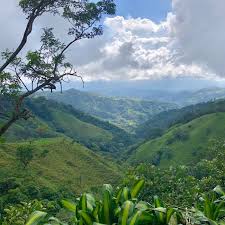
Alajuela sits within Costa Rica’s Central Valley, one of the country’s historic coffee-growing areas.
The combination of volcanic soils, reliable rainfall, warm days, cooler nights, and varied elevation creates excellent conditions for Arabica coffee. In addition, the slopes surrounding Poás have long supported farms and processing mills tied to Costa Rica’s export economy.
Yet the real advantage for travelers is accessibility.
Unlike more remote agricultural regions, coffee farms near Alajuela can often be reached without dedicating an entire day to transportation. Therefore, you can experience a working plantation in the morning and still have time for another Central Valley activity afterward.
This makes Alajuela especially useful for travelers spending only 1 night in Alajuela before continuing elsewhere.
Coffee and Costa Rican History
Coffee played a major role in shaping modern Costa Rica.
After its introduction in the late 18th century, coffee became one of the country’s most important exports. Revenue from the crop contributed to infrastructure, commerce, and the growth of an urban merchant class during the 19th century.
The coffee industry also helped connect Costa Rica economically with European markets and influenced the development of transportation routes through the Central Valley.
Today, the country focuses strongly on Arabica production and higher-quality specialty coffee rather than competing primarily through mass volume.
A good coffee tour brings that history into focus. You see the farm, the workers, the processing equipment, and the physical transformation that happens long before roasted beans reach a café.
What Happens on a Typical Coffee Tour
Most experiences last around two to three hours, although private and specialty tours may run longer.
The exact format varies by estate, but the process usually follows coffee from plant to cup.
Walking Through the Plantation
Tours often begin among the coffee plants.
A guide explains how coffee grows, why elevation matters, how the rainy and dry seasons influence the crop, and how growers manage shade, soil, and plant health.
During harvest season, you may also see bright red coffee cherries ready to be picked.
This first part of the tour helps put the final cup into perspective. Coffee starts as an agricultural product, and its quality depends heavily on everything that happens in the field.
Harvesting and Selecting Coffee Cherries
In Costa Rica, quality coffee is traditionally handpicked.
Workers select ripe cherries rather than stripping every fruit from the plant at once. This process requires repeated passes through the fields during harvest season because different cherries ripen at different times.
Guides may explain how ripeness affects flavor and why careful selection matters before processing even begins.
For families, this part of the tour can be particularly engaging because it makes the coffee process easy to visualize.
Processing the Beans
After harvest, the fruit surrounding the coffee seed must be removed.
Tours commonly explain wet processing, fermentation, washing, drying, and sorting. Depending on the property and time of year, you may see machinery operating or observe drying patios where coffee rests before further processing.
This is often the most technical part of the experience, yet it is also one of the most revealing.
The flavor of coffee depends not only on where it grows but also on what happens after it leaves the tree.
Roasting and Tasting
Eventually, the tour moves from agriculture to flavor.
Guides explain how roasting changes the chemical and sensory characteristics of the bean. A lighter roast may preserve more acidity and floral or fruity notes, while darker roasts typically produce deeper caramelized or chocolate-like flavors.
Then comes the part most visitors are waiting for: tasting.
Some farms provide a simple brewed sample. Others offer more structured tastings in which you compare different roast levels or coffees.
Premium experiences may also include cupping demonstrations, chocolate pairings, barista workshops, or private tastings.
For travelers who already care about specialty coffee, these more detailed experiences are often worth seeking out.
Doka Estate and Other Coffee Experiences
Doka Estate is one of the best-known coffee attractions near Alajuela and Poás.
Its location in the highlands makes it easy to combine with a volcano day, while the tour focuses on the cultivation, processing, and tasting of Costa Rican coffee.
Because tour offerings, schedules, and reservation requirements can change, check directly with the estate before finalizing your itinerary.
Smaller farms and coffee-focused experiences are also available throughout the region. Some may offer a more intimate visit, while larger estates often provide more developed visitor facilities.
The best choice depends on whether you prioritize convenience, history, specialty coffee, or a smaller-group experience.
When Is the Best Time for a Coffee Tour?
Coffee tours operate year-round, but the experience varies with the agricultural calendar.
Harvest Season
The harvest in the Central Valley generally falls during the drier months, often running from late in the year into the first months of the next.
This is the most dynamic time to visit because you may see workers picking cherries and mills actively processing fresh coffee.
For travelers interested in the agricultural process rather than simply tasting coffee, harvest season adds considerable depth.
Green Season
From roughly May through November, the landscape becomes intensely green.
You may see less harvesting activity, but plantations remain beautiful, and tours continue to explain the complete process.
In addition, lower visitor numbers can make the experience feel quieter.
Morning tours usually make the most sense during this season because rain becomes more common later in the day.
Pair Coffee With Poás Volcano
One of the best Central Valley itineraries combines coffee with a visit to Poás Volcano from Alajuela.
Visit the volcano early, when you generally have a better chance of seeing the crater before clouds build. Then descend into coffee country for a late-morning or afternoon plantation tour.
The two experiences complement each other naturally.
At Poás, you see the geological forces shaping the landscape. At a coffee plantation, you see how Costa Rican agriculture has taken advantage of that volcanic environment.
For travelers spending only a short time in the Central Valley, this combination provides an excellent balance of nature and culture.
Should You Stay Near the Coffee Farms?
That depends on your itinerary.
If your flight schedule is the priority, staying near SJO may be easiest. See our Best Hotels Near San José Airport (SJO) in Alajuela guide for practical options.
However, travelers with two nights available may prefer a smaller hotel or guesthouse in the highlands.
Staying closer to the farms provides cooler temperatures, quieter evenings, and easier early-morning access to Poás and coffee experiences.
This option works especially well for couples and Baby Boomers who prefer a slower start to their Costa Rica trip.
Coffee Tours for Families
A coffee farm can be surprisingly family-friendly.
Children can see how fruit grows, watch machinery process the beans, learn about farming, and finally understand where a familiar household product comes from.
Unlike a long rainforest hike, most coffee tours involve relatively gentle walking.
However, plantation paths can include slopes, uneven ground, and wet surfaces. Therefore, families should ask about accessibility when booking.
Older children may find roasting and tasting particularly interesting, even if their tasting involves chocolate or other local products instead of a full cup of coffee.
Coffee Tours for Wellness and Cultural Travelers
For wellness-focused visitors, a plantation tour offers an opportunity to think about coffee differently.
Rather than treating it as a quick caffeine fix, you see the agricultural cycle, labor, soil, water, processing, and preparation behind each cup.
Some farms also emphasize composting, reduced water use, biodiversity, or other sustainability practices.
Cultural travelers, meanwhile, gain context for an industry that helped shape Costa Rican society.
That makes a coffee tour particularly valuable when your broader trip focuses heavily on beaches, wildlife, and adventure. It adds a human and agricultural dimension to the itinerary.
What to Wear and Bring
Coffee farms sit at varying elevations so that temperatures can be noticeably cooler than around SJO.
Wear comfortable walking shoes and light layers.
A compact rain jacket is useful during the green season, while sunscreen remains important because ultraviolet exposure can still be strong under mountain cloud cover.
Bring a camera if you enjoy landscape photography. Coffee-covered hillsides, traditional processing equipment, and views across the Central Valley can be especially photogenic in the morning.
If you plan to purchase coffee, leave a little room in your luggage.
Can You Take a Coffee Tour Before Driving to La Fortuna?
Yes.
A morning coffee tour can fit naturally before continuing north toward La Fortuna, particularly if you are traveling by rental car or private transfer.
However, avoid adding too many activities to the same day.
The drive into the Northern Plains takes several hours, and mountain roads are much more comfortable in daylight.
Are Coffee Tours in Alajuela Worth It?
Yes, particularly if you want to understand Costa Rica beyond its beaches and wildlife.
Coffee tours in Alajuela, Costa Rica connect agriculture, history, geography, and everyday culture within a single experience.
You walk through the plants, see where the fruit becomes a usable bean, understand the role volcanic soil plays in farming, and finally taste the result.
That journey makes the coffee you drink during the rest of your trip feel different.
More importantly, it adds context.
Costa Rica’s natural landscapes are extraordinary, but the country’s story is also shaped by the people who work those landscapes. Coffee is one of the clearest examples.
For travelers beginning or ending a trip in Alajuela, a few hours on a coffee farm can be one of the easiest ways to experience that connection.
Related Posts
Atenas, Costa Rica Climate: Is It the Best in Costa Rica?
undefined More Atenas Guides Naranjo Coffee Farm Tours Near Atenas…

Alajuela vs. Liberia: How to Choose the Right Arrival Airport in Costa Rica
Choosing between Alajuela and Liberia can shape your entire Costa Rica itinerary…
Car Rental in Alajuela: What Travelers Should Know
For travelers planning to explore Costa Rica independently, renting a car…