Poás Volcano tickets must be purchased through Costa Rica’s official SINAC online reservation system before your visit. The park uses scheduled entry, controlled capacity, and active safety monitoring because Poás remains an active volcano.
That means the most important part of planning your visit is simple: reserve first, then organize transportation, lodging, and the rest of your day around your confirmed entry time.
Why Poás Volcano Requires Reservations
Poás Volcano National Park protects an active volcanic system at an elevation of 2,708 meters (8,885 feet) above sea level.
Because of volcanic activity, visitor demand, and the need to control access, entry is managed through SINAC’s online reservation platform.
The official SINAC page currently states that the park is open daily from 8:00 a.m. to 4:00 p.m., including holidays, with the last visitor admission at 2:00 p.m. Entry is available only through the reservation system.
For a broader look at the experience itself, see Is Poás Volcano Worth Visiting?.
How to Buy Poás Volcano Tickets
Tickets are purchased through SINAC’s official online reservation system.
Before starting, have the following information ready:
- The national park you want to visit
- Your visit date
- Preferred entry time
- Number and type of visitors
- Full name of each visitor
- Identification information
- Country of origin
- Credit or debit card information
SINAC specifically recommends having all of this information prepared before beginning the booking process.
You will also need to create or use an account in the reservation system.
Official SINAC reservation system
Choose Your Entry Time Carefully
Your reservation includes a specific visit time, so choose it before organizing the rest of your itinerary.
For most travelers, an early morning entry is the best option.
The main reason is visibility.
Clouds frequently develop around the crater as the morning progresses. Therefore, early visits generally provide a better opportunity to see the crater before heavier cloud cover develops.
There is never a guarantee, though. Poás sits in a high-elevation cloud-forest environment, and visibility can change within minutes.
For more detail, see the Poás Volcano Weather Guide.
When Should You Book?
There is no need to invent a rigid rule such as “always book exactly seven days ahead.”
Instead, book as soon as your travel dates and schedule are firm, particularly if you want an early entry.
Demand is usually higher during:
- December through April
- Christmas and New Year
- Easter holiday periods
- Weekends
- Other major travel periods
Early-morning availability is especially valuable due to crater visibility.
During the green season, availability may be easier, but reserving ahead is still better than assuming your preferred time will remain open.
What Information Must Match?
Enter visitor details carefully.
SINAC asks for the full name, identification information, and country of origin for visitors when completing reservations.
Before paying, double-check:
- Names
- Identification numbers
- Visit date
- Number of visitors
- Selected entry time
Correcting mistakes after payment is much more inconvenient than reviewing the information first.
Current Park Hours
According to the current official Poás Volcano National Park page:
Opening: 8:00 a.m.
Closing: 4:00 p.m.
Last visitor admission: 2:00 p.m.
Days: Every day, including holidays.
Because Poás is an active volcano, operating conditions can change. Always check the official park page again shortly before traveling.
Official Poás Volcano National Park information
What About Ticket Prices?
SINAC publishes current entrance fees on the official park page.
Prices vary by residency status and age, so it is better to confirm the current amount when booking rather than relying on prices copied from a travel article that may become outdated.
This is particularly important for an evergreen guide.
Your article can remain accurate for much longer by directing travelers to the official reservation system to confirm the final price.
Where to Stay for an Early Reservation
If you secure an early entry, where you sleep the night before matters.
Alajuela
Alajuela is one of the easiest bases.
It places you closer to Poás than central San José and avoids part of the morning metropolitan commute.
It also works particularly well for travelers arriving through SJO the previous afternoon or evening.
Highland Lodges
Staying closer to the volcano provides an even easier start.
The surrounding highlands have small lodges and accommodations among coffee farms and mountain scenery.
This option works especially well for couples, Baby Boomers, and travelers who want a slower Central Valley experience.
San José
You can certainly visit from San José, but leave considerably more time for traffic.
A timed ticket makes an overly tight morning schedule unnecessary risk.
How Early Should You Arrive?
Do not plan to arrive at the park at the exact start of your reserved time.
Give yourself a reasonable buffer for:
- Mountain traffic
- Fog or rain
- Parking
- Checking reservation information
- Entering the park
If you are driving from San José, allow even more time, as traffic leaving the metropolitan area can be unpredictable.
From Alajuela, mornings are generally easier.
For detailed directions, see How to Get to Poás Volcano from San José or Alajuela.
What to Bring on Entry Day
Keep the essentials simple.
Bring:
- Your reservation confirmation
- Identification used for the reservation
- A light jacket or fleece
- Rain protection
- Comfortable walking shoes
- Water
- Sun protection
Poás is much cooler than the lower Central Valley.
You may leave your hotel in warm weather and arrive at the crater in wind, mist, or light rain.
What Happens at the Park?
Poás is a structured national park visit rather than an open-ended wilderness hike.
Once you enter, the main attraction is the crater viewpoint.
The park’s volcanic conditions mean access and visitor movement can be regulated for safety.
That is one reason following your assigned entry time and park instructions is important.
Do not expect to arrive whenever you want and spend the entire day around the crater.
Can You Buy Tickets at the Entrance?
Do not plan on it.
SINAC currently lists Poás among the national parks using its online purchase and reservation system, and the official park page states that entry is only through that reservation platform.
Reserve before making the trip up the mountain.
What If Your Preferred Time Is Sold Out?
Check other available entry times or another day if your itinerary permits.
If seeing the crater clearly is one of your highest priorities, another early morning is usually preferable to a much later entry simply because it is available.
Travelers spending several days in the Central Valley have a useful advantage here: flexibility.
If Poás is only one part of your trip, schedule it earlier in your stay rather than leaving it until your final morning.
What If the Park Closes?
Poás remains an active volcano.
Access can be affected by volcanic conditions or other safety concerns.
Therefore, check the official park information before leaving your accommodation.
Do not drive to the mountain assuming your reservation guarantees access regardless of current volcanic conditions.
If a closure affects your booking, follow the current instructions provided by SINAC regarding the reservation.
Policies can change, so it is better not to publish a permanent refund promise in the article.
Public Bus Visitors Need to Coordinate Ticket Time
If you plan to use the public bus from Alajuela, the timing of your ticket becomes especially important.
SINAC currently states that direct bus service to the park operates on Saturdays, Sundays, and holidays, not weekdays.
The current schedule lists departure from Alajuela at 9:00 a.m., and SINAC recommends booking park admission for approximately 10:40 or 11:00 a.m. when using that service.
If traveling by bus, confirm the current timetable again before your visit because transportation schedules can change.
What to Do After Your Poás Reservation
The crater experience does not necessarily require an entire day.
That makes it easy to combine with another Central Valley activity.
Coffee Tour
The surrounding highlands are part of Costa Rica’s historic coffee-growing region.
After an early visit to a volcano, you can continue to a coffee estate for a plantation walk, a processing demonstration, or a tasting.
See Best Coffee Tours Near San José.
La Paz Waterfall Gardens
Another natural combination is Poás Volcano and La Paz Waterfall Gardens.
Visit the crater first, when visibility may be better, then continue to the waterfall area later.
Continue Toward La Fortuna
Travelers heading north can also use Poás as the first activity of the day before continuing toward La Fortuna.
Just keep the schedule conservative and leave enough daylight for mountain driving.
Common Reservation Mistakes
A few mistakes are easy to avoid.
Do not wait until you reach the park to think about admission.
Do not choose a late time if clear crater views are your main priority and earlier options are available.
Do not enter visitor information quickly without checking it.
Do not schedule your arrival with no buffer for traffic.
And do not assume that a ticket overrides temporary safety restrictions at an active volcano.
Is It Worth Reserving Poás in Advance?
Yes.
The reservation requirement may initially feel restrictive, but it also makes the visit more predictable.
Once you have your entry time, you can organize:
- Your departure
- Accommodation
- Transportation
- Coffee tours
- Lunch
- Other Central Valley activities
That makes the rest of the day easier to plan.
Final Thoughts
Poás Volcano tickets are straightforward once you understand the system.
Purchase your admission through the official SINAC platform, choose your time carefully, enter visitor information accurately, and organize transportation around that reservation.
For the best chance of seeing the crater, favor an early visit.
If you are flying through SJO, staying in Alajuela or the surrounding highlands the night before can also make the morning significantly easier.
Most importantly, check the official park status shortly before traveling.
Poás is one of Costa Rica’s most accessible volcanic experiences, yet it remains an active volcano. Reservations, controlled access, and occasional changes are part of visiting it responsibly.
Related Posts
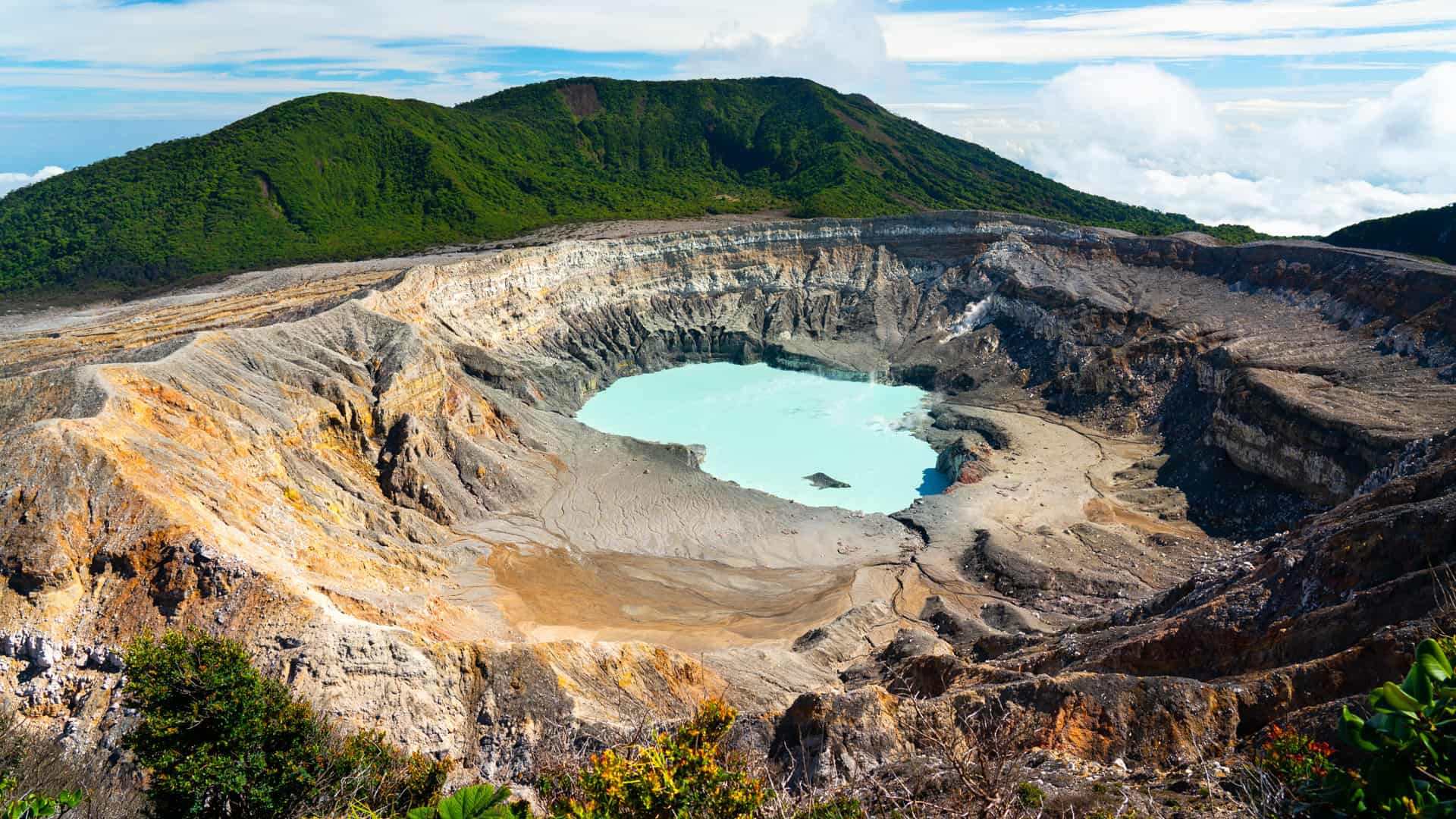
Poás Volcano Weather: Best Time for Clear Views
Poás Volcano weather can change quickly because of the park’s high…
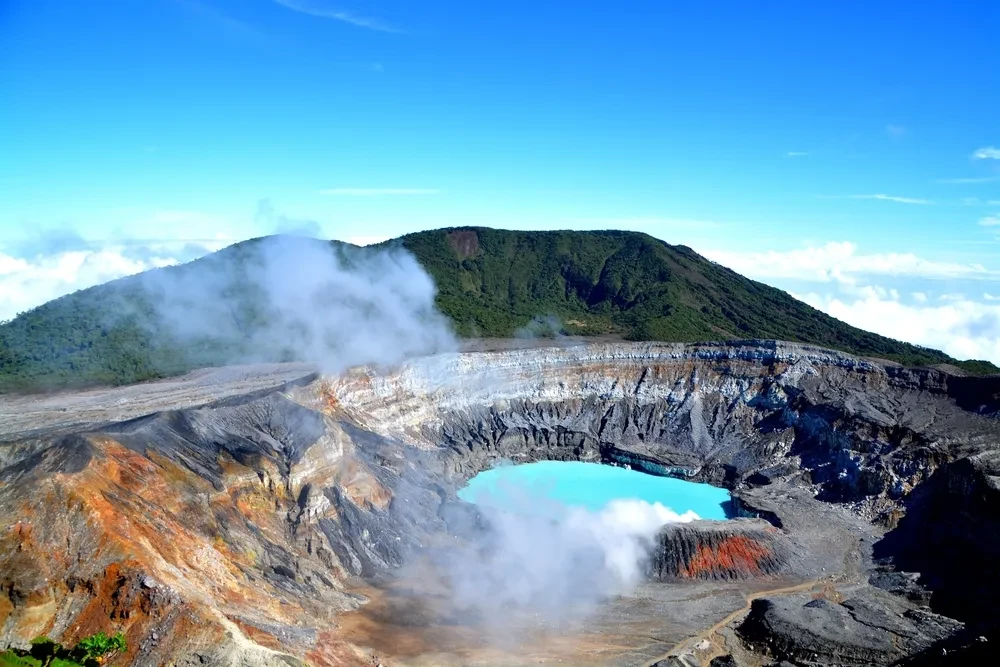
Poás Volcano or Arenal Volcano: Which Should You Visit?
Choosing between Poás Volcano and Arenal Volcano comes down to the kind…
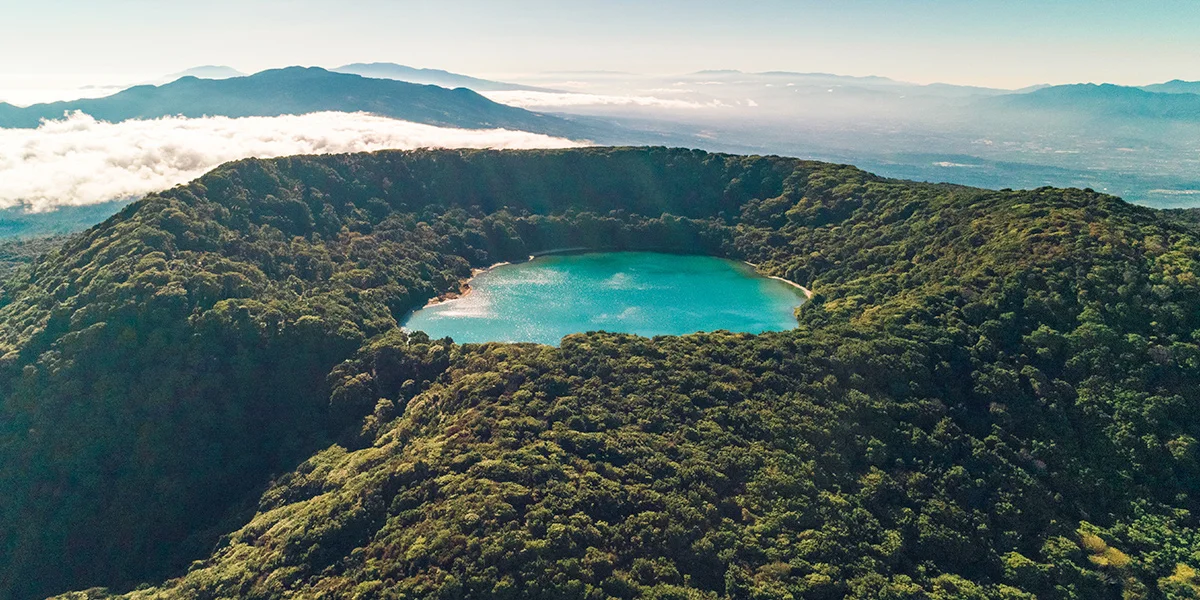
Poás Volcano National Park: The Complete Visitor Guide
Poás Volcano National Park is one of the easiest places in…