A good Heredia travel guide should go beyond coffee tours and airport convenience. Heredia is one of Costa Rica’s most underrated Central Valley cities, combining historic architecture, university life, local markets, traditional cafés, and easy access to coffee-growing highlands.
Located north of San José and within easy reach of Juan Santamaría International Airport (SJO), Heredia works especially well for travelers seeking a cultural introduction to Costa Rica before moving on to beaches, volcanoes, or rainforest destinations.
Unlike many tourism-heavy towns, Heredia still feels primarily Costa Rican primarily. Students move between university buildings, families gather around the central park, cafés serve locally grown coffee, and everyday life unfolds without being organized around visitors.
For travelers building a Central Valley itinerary around coffee, culture, and smaller cities, Heredia deserves more than a quick stop.
Where Is Heredia?
Heredia sits north of San José in Costa Rica’s Central Valley, surrounded by urban neighborhoods, agricultural hills, and traditional coffee-growing areas.
Its location is one of its strongest advantages.
From Heredia, travelers can reach San José, Alajuela, coffee estates, mountain communities, and regional attractions without committing to the long transfers required by more remote destinations.
The city itself is more compact than San José and feels easier to understand on foot.
At the same time, Heredia is not a small rural village. It forms part of the greater metropolitan region, so traffic, businesses, universities, residential neighborhoods, and public transportation are all part of daily life.
This balance makes Heredia useful both as a destination and as a practical base.
What Heredia Feels Like
Heredia has a distinctly lived-in atmosphere.
It is not polished in the way of a resort town, nor does it try to be.
Downtown streets can be busy during the day, particularly around schools, shops, markets, and public transportation. Yet the scale still feels manageable compared with central San José.
The pace changes block by block.
One street may feel commercial, while the next leads to a church, a small bakery, or a leafy residential area.
For travelers interested in local life rather than tourism infrastructure, this unpredictability is part of the appeal.
Exploring Downtown Heredia
The historic center is the best place to begin.
Heredia’s central park serves as a natural meeting point and provides an easy introduction to the city. Around it, you will find churches, cafés, shops, bakeries, local restaurants, and streets that reveal layers of Costa Rican urban history.
The Iglesia de la Inmaculada Concepción is one of the most recognizable buildings in the center.
Rather than rushing from attraction to attraction, spend some time walking.
Buy coffee. Stop in a bakery. Sit in the park. Watch students and families pass through.
Heredia is better experienced through observation than through a packed sightseeing schedule.
Colonial Architecture and Historic Character
Heredia is often associated with colonial character, although visitors should expect a modern Central Valley city rather than a preserved colonial district.
Older churches, traditional buildings, historic streets, and plazas remain part of the urban fabric, but they sit alongside newer commercial development.
That contrast is important.
The city feels historic because its past remains integrated into daily life rather than separated into a tourism zone.
For cultural travelers, that makes Heredia more interesting than a place where heritage exists only behind museum doors.
University Life and Local Energy
The presence of the National University of Costa Rica significantly shapes Heredia.
Students give parts of the city a younger, more active atmosphere. Cafés, casual restaurants, bookstores, cultural programs, and everyday street life reflect that university influence.
This also helps Heredia feel more socially dynamic than many smaller towns in the Central Valley.
During the day, the city can feel energetic.
Evenings are generally quieter than San José, but Heredia still offers more activity than towns such as Atenas or Naranjo.
For travelers who want local culture without nightlife being the focus, the balance works well.
Coffee Culture in Heredia
No Heredia travel guide would be complete without coffee.
Heredia lies within one of Costa Rica’s historic coffee-growing regions. Move outside the urban center and the landscape quickly transitions toward greener hills, agricultural communities, and estates connected to coffee production.
A coffee tour can introduce visitors to:
- Coffee plants and cultivation
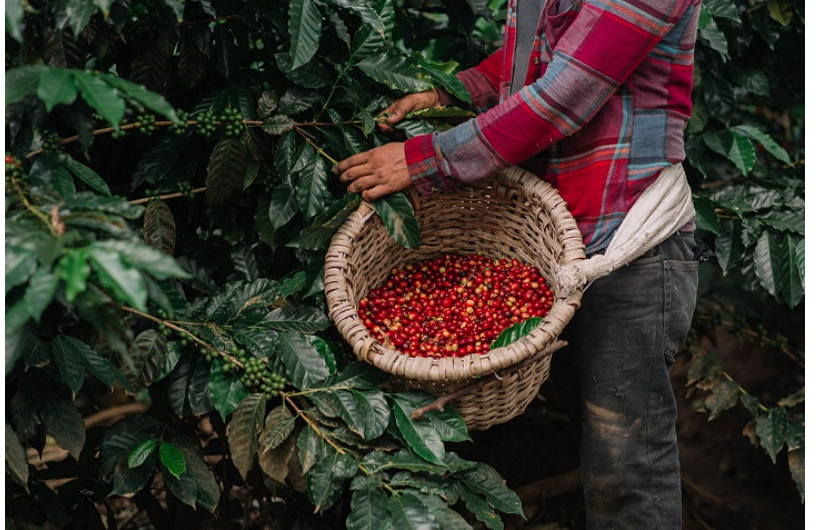
- Hand harvesting
- Processing
- Drying
- Roasting
- Tasting
More detailed experiences may also explore sustainability, farm economics, processing styles, or specialty coffee.
For travelers who want to compare experiences across the Central Valley, see Best Coffee Tours Near San José.
When Coffee Harvest Season Changes the Experience
The coffee harvest season in Costa Rica generally makes farm visits more dynamic.
Depending on elevation and the specific farm, the period from roughly November through March may bring ripe cherries, active harvesting, and more visible processing activity.
Outside harvest season, tours remain worthwhile because cultivation, roasting, and tasting continue to provide insight into the industry.
However, visitors who want to see the agricultural process at its busiest should try to plan their trip for the harvest months.
Where to Stay in Heredia
Heredia offers several different accommodation styles, and the right area depends on whether you prioritize walkability, quiet, or longer-term comfort.
Downtown Heredia
Staying near the center works well for cultural travelers.
You can walk to cafés, restaurants, shops, the central park, and some historic sites.
This is especially practical for short visits and travelers without a car.
The drawback is more street activity and urban noise.
Residential Neighborhoods
Properties outside the center generally offer more space and quieter evenings.
Apartments and houses can work well for families or longer stays.
However, you may become more dependent on transportation.
Highland and Coffee Areas
Travelers who prioritize scenery may prefer accommodations farther into the hills.
These areas provide cooler evenings, agricultural landscapes, and easier access to some coffee experiences.
The trade-off is less walkability and longer trips into town.
Boutique Hotels and Small Properties
Heredia is better suited to boutique and independent stays than large destination resorts.
Smaller hotels may offer gardens, traditional architecture, personalized service, or quieter residential settings.
For couples and Baby Boomers, these properties can provide a comfortable compromise between urban access and a calmer atmosphere.
The important thing is to check the exact location.
A hotel marketed as being “in Heredia” may sit well outside the walkable historic center.
Longer Stays and Remote Work
Heredia can also work well for longer stays because it offers considerably more infrastructure than smaller Central Valley communities.
Apartments, condominiums, and residential rentals provide options for remote workers and families.
Internet availability is generally good in more urban areas, but long-term visitors should still confirm actual connection speeds before signing a lease.
Heredia may be particularly attractive to people who want easier access to San José while avoiding living directly in the capital.
Where to Eat in Heredia
Heredia’s food scene reflects the city itself: local, practical, and varied.
Traditional sodas pair well with Costa Rican staples such as casados, rice and beans, soups, grilled meats, and fresh juices.
Bakeries are also worth exploring, particularly in the morning or afternoon with coffee.
Because of the university population, you will find casual cafés and inexpensive restaurants alongside more established local dining.
This is not primarily a fine-dining destination.
Instead, eating in Heredia is an opportunity to experience ordinary Costa Rican food without the tourism markup common in major beach towns.
Visit the Central Market
Local markets are one of the best ways to understand a Central Valley city.
Expect produce, meat, household goods, small food stalls, and everyday shopping rather than a market designed mainly for tourists.
Walk slowly and look around.
These environments provide far more cultural context than simply ordering familiar food in an international hotel.
For first-time visitors, markets can also be an easy place to practice basic Spanish and try local ingredients.
Take a Coffee Tour
For many travelers, coffee will be the strongest reason to spend additional time in Heredia.
The surrounding hills make it possible to visit plantations without traveling far from the metropolitan region.
If you only have half a day, choose an organized estate tour.
If you have more time and stronger interest in specialty coffee, consider extending the trip farther west toward Naranjo coffee farms.
Heredia offers convenience.
Naranjo often provides deeper agricultural immersion.
Visiting both can make the differences within Costa Rica’s coffee country much clearer.
Take a Day Trip to Poás Volcano
Poás Volcano National Park can be reached as part of a Central Valley day trip.
The volcano provides an excellent contrast with Heredia’s urban and agricultural character.
An early-morning visit usually makes the most sense because mountain weather can change quickly.
You can then spend the afternoon on a coffee estate or return to the city.
If Poás is one of your priorities, check current access and reservation requirements before departure.
Explore the Coffee Highlands
The countryside beyond Heredia is part of the reason to stay here.
Roads climb through smaller communities, coffee-growing hills, and cooler landscapes.
Travelers with rental cars can build an easy day around scenic driving, coffee, local restaurants, and stops in surrounding towns.
The Central Valley is often treated merely as the place you pass through after landing.
Taking time to explore these hills reveals why that approach misses so much.
Heredia vs San José
The choice between Heredia and San José depends largely on scale.
San José offers more museums, restaurants, nightlife, major hotels, and urban attractions.
Heredia feels smaller and more local.
Choose San José if you want an active city itinerary.
Choose Heredia if you prefer coffee culture, walkable local streets, and easier access to the surrounding highlands.
Because the two are relatively close, you do not necessarily need to choose only one.
Heredia vs Atenas
Heredia and Atenas provide very different Central Valley lifestyles.
Atenas is warmer, quieter, and more residential. Its appeal comes from hillside homes, climate, and slow living.
Heredia is cooler in many areas, more urban, and better connected to services.
For short visits, Heredia provides more cultural activity.
For slow travel, Atenas often provides more space.
Getting to Heredia
Most international travelers arrive through Juan Santamaría International Airport.
Because traffic in the Central Valley can dramatically affect travel times, do not rely solely on mileage.
A short trip can become significantly longer during weekday commuting periods.
Private transfers, taxis, rideshare services, and rental cars are all practical options.
Public transportation also connects Heredia with San José and surrounding towns.
If you plan to remain primarily downtown, you may not need a rental car.
If coffee farms and mountain drives are central to your itinerary, having one becomes much more useful.
Getting Around
Downtown Heredia is reasonably manageable on foot.
However, pedestrian conditions vary, and traffic can be heavy.
For trips into surrounding neighborhoods and agricultural areas, use a taxi, rideshare service, private driver, or rental car.
Public buses are inexpensive and widely used, although they require more familiarity with routes and schedules.
Visitors driving themselves should be prepared for narrow streets, traffic, and limited parking in busier areas.
Best Time to Visit
Heredia can be visited year-round.
Dry Season
From December through April, rain is generally less frequent and outdoor sightseeing becomes easier.
This period also overlaps with much of the coffee harvest.
Green Season
From May through November, surrounding hills become much greener.
Afternoon rain becomes more common, so morning sightseeing works especially well.
Clouds and rain can also make the coffee highlands feel particularly atmospheric.
If your trip focuses on culture rather than outdoor adventures, seasonal differences matter less here than they do at many beach destinations.
Who Heredia Is Best For
Heredia works particularly well for cultural travelers, coffee enthusiasts, couples, Baby Boomers, students, independent travelers, and visitors who want a Central Valley base without staying in central San José.
It also works for travelers with a late arrival or early departure who want somewhere more atmospheric than a conventional airport hotel.
Families may appreciate the services and infrastructure, although downtown traffic can feel busy with young children.
Travelers primarily seeking nightlife, beaches, or resort amenities should look elsewhere.
Things to Be Cautious Of
Heredia is a working urban area, so standard city precautions apply.
Keep valuables secure in busy streets and markets.
Avoid leaving bags or electronics visible inside parked vehicles.
At night, use registered taxis or rideshare services when you are unfamiliar with the area.
Traffic is another consideration.
Roads can become congested, particularly during commuting hours, and pedestrian crossings may not feel as orderly as visitors from North America or Europe expect.
Allow more time than you think you need when heading to the airport.
Is Heredia Worth Visiting?
Yes, especially for travelers who want to understand Costa Rica beyond its major tourism destinations.
Heredia does not compete with Manuel Antonio for beaches or La Fortuna for adventure.
That is exactly the point.
Here, the attraction is daily life.
It is coffee from nearby hills. Students filling cafés. Families crossing the central park. Historic buildings sitting beside modern shops. Markets serving residents instead of tourists.
Heredia provides a cultural layer that can be missing from itineraries built entirely around national parks and resorts.
Final Thoughts
A well-planned Heredia travel guide should show why the city is more than a convenient stop near San José.
Heredia offers a combination that is increasingly difficult to find in popular Costa Rica destinations: meaningful local culture, coffee heritage, historic character, university energy, and easy access to mountain landscapes without requiring a long journey from SJO.
Spend a morning downtown.
Have coffee near the central park.
Visit an estate in the hills.
Then watch the city settle into its evening rhythm.
Heredia does not demand attention.
It rewards travelers who slow down enough to notice it.
Related Posts
Heredia vs Atenas: Which Coffee Town Is Right for You?
Choosing between Heredia vs Atenas means choosing between two very different versions…
Weekend Getaway from San José: Coffee Highlands Escape
A weekend getaway from San José does not require a long drive…
Coffee Harvest Season in Costa Rica: Best Time to Visit
Coffee harvest season in Costa Rica offers travelers a unique…