If wildlife is the main reason you are traveling to Costa Rica, Puerto Jiménez deserves a serious place on your itinerary.
This small town on the eastern side of the Osa Peninsula is not simply a convenient base for visiting Corcovado National Park. It sits between rainforest, mangroves, coastal wetlands, and the calm waters of Golfo Dulce. Because several ecosystems meet within a relatively compact area, travelers can experience both terrestrial and marine wildlife during the same trip.
One morning might begin with scarlet macaws flying over town. Later, you could hike through rainforest in search of monkeys, tapirs, and anteaters. By afternoon, you may be watching dolphins surface in Golfo Dulce.
For travelers who want to observe wildlife rather than pass through a destination, Puerto Jiménez offers one of Costa Rica’s most rewarding nature experiences.
Why Puerto Jiménez Wildlife Is So Exceptional
The Osa Peninsula supports an extraordinary range of habitats, including primary rainforest, mangrove forests, rivers, beaches, wetlands, and marine environments.
This variety matters because different species depend on different ecosystems. Monkeys and macaws move through forest corridors, shorebirds feed along coastal areas, frogs thrive in wet environments, and dolphins travel through the deep waters of Golfo Dulce.
As a result, wildlife viewing around Puerto Jiménez is not limited to one national park or one type of excursion.
You can explore:
- Lowland rainforest
- Mangrove channels
- Coastal forest
- River systems
- Golfo Dulce
- Private wildlife reserves
- Corcovado National Park
The region feels biologically active from the moment you arrive. Even inside town, it is common to hear birds, see scarlet macaws overhead, or encounter monkeys in nearby trees.
What Wildlife Can You See Near Puerto Jiménez?
No wildlife sighting is guaranteed. However, the Osa Peninsula offers some of the strongest opportunities in Costa Rica to observe a wide variety of species in natural habitats.
Possible sightings include:
- Scarlet macaws
- White-faced capuchin monkeys
- Howler monkeys
- Spider monkeys
- Squirrel monkeys
- Baird’s tapirs
- Sloths
- Coatis
- Anteaters
- Toucans
- Crocodiles
- Frogs and reptiles
- Dolphins
- Seasonal humpback whales
Some animals are easier to find than others.
Scarlet macaws, monkeys, and tropical birds are commonly seen around lodges and forest edges. Tapirs are more closely associated with quieter areas of Corcovado, especially around Sirena Ranger Station.
Large cats such as jaguars and pumas also live on the peninsula, but sightings are extremely rare. Travelers should visit with realistic expectations and appreciate tracks, calls, and other signs of wildlife as part of the experience.
The Best Wildlife Experiences in Puerto Jiménez
The strongest wildlife itinerary combines several environments rather than relying on a single excursion.
Visit Corcovado National Park
Corcovado is the region’s most important wildlife destination.
From Puerto Jiménez, travelers can reach southern park access points and arrange guided day trips or multi-day expeditions. The experience varies depending on the ranger station, season, and chosen route.
Longer hikes may involve humid conditions, muddy trails, river crossings, and early departures. However, they also offer the chance to enter one of Costa Rica’s most intact rainforest environments.
A trained guide can help locate wildlife through movement, tracks, calls, feeding signs, and knowledge of animal behavior.
Without that experience, many animals remain hidden even when they are close to the trail.
Look for Wildlife Around Puerto Jiménez
You do not always need to enter Corcovado to see wildlife.
Scarlet macaws regularly fly over Puerto Jiménez, particularly in the morning and late afternoon. Monkeys, iguanas, tropical birds, and coatis may also appear around forest edges, gardens, and properties outside the town center.
This makes Puerto Jiménez appealing to travelers who prefer a slower pace.
You may spot birds during breakfast, hear howler monkeys before sunrise, and see macaws while walking toward the waterfront. These everyday encounters are often just as memorable as formal tours.
Stay at a Rainforest Lodge
A lodge outside town can significantly improve your wildlife experience.
Properties surrounded by private forest reserves often have trails, observation areas, and resident naturalist guides. Wildlife may pass through the grounds throughout the day, allowing guests to observe animals without organizing a separate excursion every morning.
A rainforest lodge may offer:
- Guided nature walks
- Birdwatching
- Night hikes
- Wildlife observation from private decks
- Early-morning excursions
- Access to private trails
This style of stay works especially well for photographers, birders, and travelers who want nature to be part of the entire trip.
Explore Golfo Dulce by Boat
Puerto Jiménez also provides access to marine wildlife.
Golfo Dulce is deep, sheltered, and bordered by rainforest. Boat tours may encounter bottlenose dolphins, pantropical spotted dolphins, sea turtles, rays, seabirds, and seasonal humpback whales.
The experience feels very different from rainforest hiking.
Instead of moving slowly along forest trails, you travel across calm water while watching for movement at the surface. Dolphins may appear suddenly beside the boat, while macaws and coastal birds remain visible along the shoreline.
Small-group tours usually provide a quieter experience than crowded wildlife cruises.
Go Kayaking in Golfo Dulce
Kayaking offers a slower, more intimate way to explore the gulf.
Early mornings often bring calmer water, softer light, and increased wildlife activity. Depending on the route, paddlers may explore mangrove edges, quiet shoreline areas, or sheltered sections near Puerto Jiménez.
Possible sightings include:
- Dolphins
- Herons
- Kingfishers
- Pelicans
- Rays
- Sea turtles
- Mangrove wildlife
Because kayaks move quietly, they can be useful for observing birds without creating as much disturbance.
However, travelers should join a guided outing unless they are experienced and understand local tides, weather, and marine conditions.
Join a Birdwatching Tour
The Osa Peninsula is one of Costa Rica’s strongest birding regions.
Scarlet macaws are the most recognizable species, but they represent only a small part of the area’s birdlife. Forest, wetland, mangrove, and coastal habitats support hundreds of species.
A guided birding tour may reveal:
- Toucans
- Trogons
- Motmots
- Tanagers
- Woodpeckers
- Raptors
- Hummingbirds
- Kingfishers
- Shorebirds
Experienced guides often locate birds by sound before seeing them. This is particularly valuable in dense rainforest, where foliage can hide even large, colorful species.
Serious birders should arrange private early-morning tours and allow several days rather than trying to cover the region in a single outing.
Take a Guided Night Walk
The rainforest changes after sunset.
Animals that remain hidden during the day become active, while frogs, insects, and nocturnal mammals create an entirely different atmosphere.
A guided night walk may reveal:
- Tree frogs
- Toads
- Insects
- Spiders
- Sleeping birds
- Bats
- Opossums
- Snakes
Snakes are possible but not guaranteed, and most will avoid people when left undisturbed.
An experienced guide should always lead night walks. The forest is difficult to navigate in darkness, and guides understand how to observe animals without handling or disturbing them.
Explore Mangroves and Wetlands
Travelers sometimes overlook mangrove ecosystems focused entirely on Corcovado.
However, these habitats support birds, reptiles, fish, monkeys, crustaceans, and other wildlife. They also serve as important nursery areas for marine species.
A small-boat or kayaking excursion through mangrove channels provides a different perspective on the Osa Peninsula.
The landscape is quieter and more enclosed than open water. Guides may point out herons, kingfishers, crocodiles, monkeys, and animals hidden among exposed roots.
For photographers, mangrove tours can be especially rewarding in the soft light of early morning.
Where to Stay for the Best Wildlife Access
Your accommodation affects how much wildlife you are likely to experience.
Staying in Puerto Jiménez
Staying in town provides convenient access to:
- Tour operators
- Restaurants
- The airport
- The waterfront
- Boat departures
- Ground transportation
This is the most practical option for travelers planning several different excursions.
However, the town center has less forest cover than the surrounding countryside. Although macaws and birds remain common, larger wildlife is more likely outside town.
Staying at a Jungle Lodge
A lodge near rainforest provides a more immersive experience.
Guests may wake to howler monkeys, observe birds from their rooms, and join guided walks directly from the property. This reduces travel time and allows wildlife observation throughout the day.
The tradeoff is less independence. Remote properties may require transfers for restaurants, marina departures, or town visits.
Staying Near Golfo Dulce
Waterfront and coastal properties are ideal for travelers interested in dolphins, kayaking, birds, and marine scenery.
These stays make it easier to plan early boat departures and sunset outings while remaining close to rainforest environments.
Best Time of Day for Wildlife Viewing
Timing can be just as important as location.
Early Morning
Sunrise through approximately 9:00 a.m. is often the strongest wildlife window.
Temperatures are cooler, birds are feeding, monkeys are active, and many mammals move before the heat intensifies.
Serious wildlife travelers should be prepared to wake early. Starting at 5:30 or 6:00 a.m. may feel demanding, but it often produces the best sightings.
Late Afternoon
Wildlife activity can increase again from late afternoon through sunset.
Birds become more vocal, monkeys may move toward sleeping areas, and coastal light improves for photography.
This is also an excellent time to watch scarlet macaws returning across the landscape.
After Dark
Night tours reveal species that are rarely seen during daylight.
Because visibility is limited, a guide becomes even more important. Moving slowly and quietly usually produces better results than covering long distances.
Seasonal Wildlife Experiences
Wildlife can be seen throughout the year, but the conditions change with the seasons.
Dry Season: December Through April
The dry season offers easier trail conditions and more predictable transportation.
Rainfall is lower, skies may be clearer for photography, and animals sometimes gather near remaining water sources. However, this is also the busiest period, especially around major holidays.
Popular guides, lodges, and park visits should be booked in advance.
Green Season: May Through November
The green season brings lush vegetation, increased amphibian activity, and fewer visitors.
Rain often falls in the afternoon, leaving mornings available for wildlife excursions. The forest can feel especially alive during this period, although dense foliage may occasionally make animals more difficult to see.
September and October usually bring the heaviest rainfall. Road access, boat schedules, and hiking conditions may become less predictable.
Marine Wildlife in Golfo Dulce
Golfo Dulce adds an important marine dimension to a Puerto Jiménez wildlife trip.
Resident dolphin populations can be seen during different times of the year, while humpback whales visit the wider southern Pacific region seasonally.
Depending on conditions, travelers may encounter:
- Bottlenose dolphins
- Pantropical spotted dolphins
- Humpback whales
- Sea turtles
- Rays
- Coastal birds
- Schools of fish
Whale and dolphin sightings are never guaranteed. Ethical operators should observe wildlife from an appropriate distance and avoid chasing, surrounding, or repeatedly approaching animals.
Choose tours that prioritize observation over close-contact promises.
Wildlife Photography Tips
The Osa Peninsula can be challenging for photographers.
Rainforest light is often dim, animals move quickly, and humidity affects cameras and lenses. In addition, rain can begin with little warning.
Bring:
- A weather-resistant camera bag
- Lens cloths
- Extra batteries
- Memory cards
- Binoculars
- A rain cover
- Lightweight protective clothing
A telephoto lens is useful for birds and mammals, but do not ignore wider views. Rainforest landscapes, mangrove channels, beaches, and Golfo Dulce help tell the full story of the region.
Avoid using flash around wildlife, particularly nocturnal animals, unless your guide confirms that it is appropriate.
Practical Tips for Wildlife Travelers
Allow more time than you think you need.
Wildlife observation depends on patience, weather, animal movement, and luck. A one-day visit may produce excellent sightings, but several days create a much better chance of experiencing different ecosystems.
Hire certified or experienced naturalist guides whenever possible. Their knowledge can transform what appears to be an empty forest into a landscape filled with animal tracks, calls, feeding signs, and movement.
Wear lightweight, quick-drying clothing and sturdy footwear. In addition, carry water, insect repellent, sun protection, and a rain jacket.
Most importantly, remain quiet. Wildlife often appears when groups slow down, stop talking, and allow the forest to settle.
Responsible Wildlife Viewing
The best wildlife experiences do not disturb the animals.
Avoid feeding wildlife, touching animals, playing recorded calls repeatedly, or blocking an animal’s path. Never ask a guide to move a frog, snake, or other species simply for a better photograph.
Food should remain secured, especially around monkeys, coatis, and raccoons. Feeding creates aggressive behavior and can harm animal health.
Choose operators that keep appropriate distances and explain conservation rather than treating animals as entertainment.
Who Will Enjoy Puerto Jiménez Wildlife Experiences?
Puerto Jiménez is especially rewarding for:
- Birdwatchers
- Wildlife photographers
- Naturalists
- Active travelers
- Experienced hikers
- Conservation-minded visitors
- Families with older children
- Travelers willing to wake early
- Visitors who value nature over nightlife
It may be less suitable for travelers expecting resort-style beaches, extensive shopping, or highly controlled wildlife encounters.
Heat, humidity, insects, mud, rain, and early departures are part of the experience.
For the right traveler, those are not inconveniences. They are signs that the region remains genuinely wild.
How Many Days Do You Need?
Plan at least three full days for wildlife activities around Puerto Jiménez.
A shorter stay may only allow one Corcovado excursion and a brief look around town. Four or five days provide time for rainforest hiking, birdwatching, a Golfo Dulce tour, and a guided night walk.
A balanced itinerary might include:
- One full day in Corcovado
- One marine wildlife or kayaking excursion
- One birdwatching or private reserve tour
- One flexible day for weather or rest
Wildlife trips improve when the schedule is not overly rigid.
Final Thoughts
Puerto Jiménez wildlife experiences are not built around staged encounters or quick photo stops.
They require early mornings, patience, strong guides, and a willingness to adjust to rain, heat, and changing conditions. In return, travelers gain access to rainforest, mangroves, beaches, wetlands, and marine habitats within one extraordinary region.
You may hear howler monkeys before sunrise, watch scarlet macaws cross the sky during breakfast, follow tapir tracks through Corcovado, and see dolphins surface in Golfo Dulce before the day ends.
Few places in Costa Rica combine so many ecosystems with such a strong sense of wilderness.
For travelers who build their itinerary around wildlife, Puerto Jiménez is not simply a gateway.
It is one of the main reasons to visit the Osa Peninsula.
Related Posts
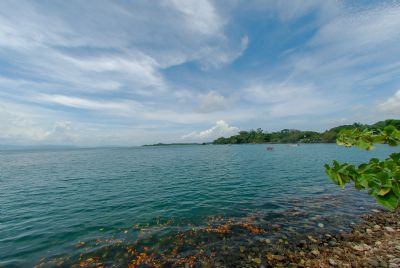
Puerto Jiménez vs Drake Bay: Which Is Better for Visiting Corcovado National Park?
If you're planning a trip to Corcovado National Park, one of…
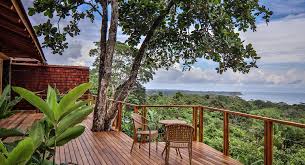
Puerto Jiménez Luxury Lodges: The Best Eco-Luxury Stays on the Osa Peninsula
Travelers searching for Puerto Jiménez luxury lodges are usually looking for something…
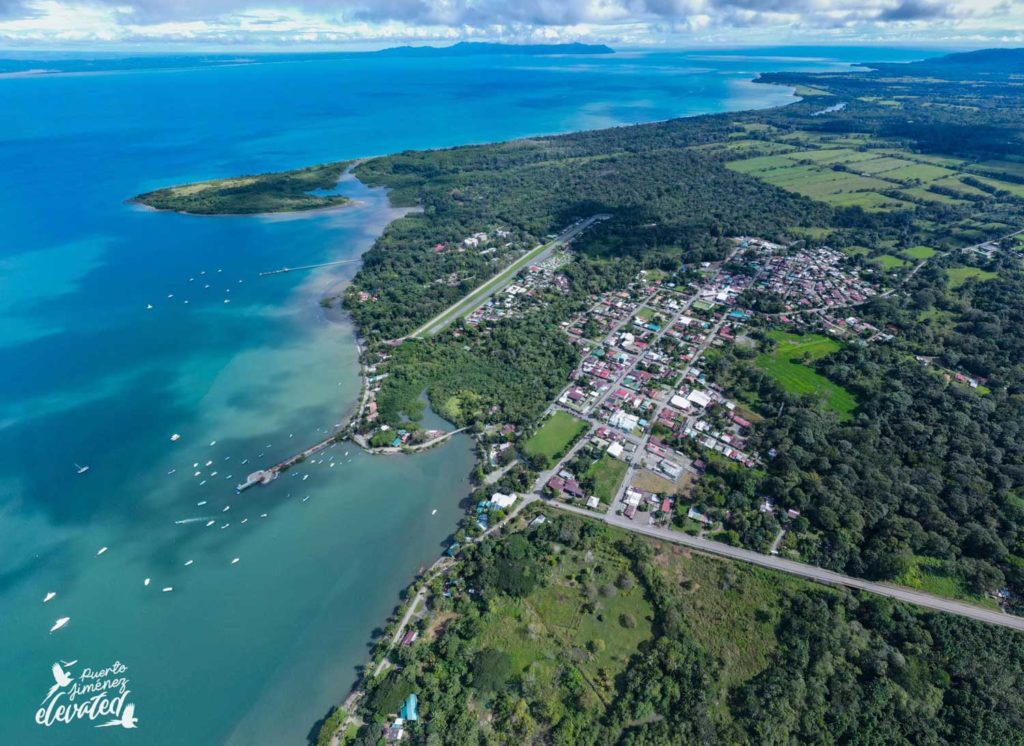
Puerto Jiménez, Costa Rica: The Complete Travel Guide to the Gateway of Corcovado
If you're planning to explore Costa Rica's wild southern Pacific…